Game Publishing reports and market data
Documents

Living the Dream or Surviving the Nightmare: Making Commercial Indie Games as a Professor
The integration of academic tenure-track roles with commercial indie game development offers a unique pathway for creators to pursue experimental projects while enhancing their pedagogical efficacy.
- Academic game developers should prioritize securing exhibitions, awards, and grants over commercial sales figures, as these metrics carry significantly more weight during tenure and promotion evaluations.
- University-based game development requires a modified production pipeline where projects are designed as extended, long-term experiences to accommodate the high turnover and limited availability of student collaborators who typically contribute only 10–15 hours per week.
- To ensure project coherence when working with students, faculty should adopt a 'key-frame' workflow where the professor handles core design and animation, then delegates in-betweening or specific feature implementation to students based on their individual talents.

Is Cross-Platform The New Golden Strategy? Spoilers: No - The Metacast by Naavik
Technological advancements in gaming infrastructure are currently driven by a dual focus on high-performance computing and decentralized architecture.
- The industry-wide pivot toward cross-platform development is a high-cost operational challenge rather than a simple distribution fix, requiring developers to manage disparate input mechanics, unique live-ops cadences, and specialized marketing.
- Major industry players like Supercell and Netflix are aggressively recruiting PC and console talent to combat mobile discoverability issues, signaling a broader shift away from mobile-first development.
- Intel is targeting a hardware milestone of one trillion transistors per chip by 2030 to revitalize Moore’s Law and provide the necessary foundation for future AI, VR, and metaverse applications.

5 Solo Game Dev Mistakes You MUST Avoid (My Experience!)
The primary objective of this analysis is to outline critical strategies for solo game developers by reflecting on the development and launch of the indie title Pinstripe.
- Solo developers must prioritize rigorous, objective playtesting throughout production to identify design flaws and ensure reward systems remain fair and engaging.
- Securing a publisher is essential for solo projects to gain access to professional PR, media coverage, and industry expertise that are difficult to cultivate independently.
- Developers should leverage existing assets rather than creating every element from scratch to prevent burnout and significantly accelerate development workflows.

Launch Day: The Emotional Cost Of Releasing a Game
The modern game development landscape imposes significant emotional and physical strain on creators, particularly within small indie studios.
- The shift toward games-as-a-service models has eliminated clear project endpoints, forcing developers into a state of perpetual exhaustion and operational instability.
- 75 percent of developers regularly work outside of standard business hours to address post-launch issues, driven by the fear that negative community reception will permanently damage market performance.
- The lack of a defined conclusion to the development process creates a high-stakes, reactive cycle that threatens both individual well-being and long-term project viability.

Why Most Indie Game Developers Don't Make Money
The independent game development landscape is characterized by extreme competitiveness and high failure rates, mirroring the volatility of the film and television industries.
- Profitability in the independent game industry is hindered by extreme market saturation, making success a combination of talent, persistence, networking, and significant luck.
- Strategic marketing is a mandatory pillar for visibility, requiring developers to prioritize Steam wishlists, media coverage, high-quality trailers, and playable demos.
- Developers should adopt a critical design framework by analyzing every game they play to identify three specific strengths, three weaknesses, and three actionable improvements.

This Is Why Your Indie Game Will Fail
The primary driver of commercial success in the video game industry is the presence of a unique, distinctive hook that differentiates a title from existing market offerings.
- Commercial success in the modern game industry is primarily driven by a unique, distinctive hook that differentiates a title from existing market offerings.
- Games lacking a clear, defining hook are considered derivative and face a significantly higher risk of failing to achieve viral success or financial viability.
- A game's defining hook does not need to be present at the start of development; for example, the iconic bullet-time mechanic in Max Payne was only introduced halfway through production.

If You're A Student Wanting To Make Games, Watch This
The decision to pursue formal education versus immediate professional entry in the game development industry hinges on individual career goals, entrepreneurial drive, and the specific sector of the market being targeted.
- A professional portfolio demonstrating tangible capability in coding, art, or modeling is the primary metric for hiring, often outweighing the value of formal academic credentials.
- The necessity of a degree is role-dependent; while AAA studios may require formal qualifications for marketing or specialized technical positions, creative roles remain largely meritocratic.
- Self-starting ventures can bypass formal education when a business model demonstrates immediate, scalable success, as evidenced by early independent developers earning over $100,000 in the 1990s using the shareware distribution model.
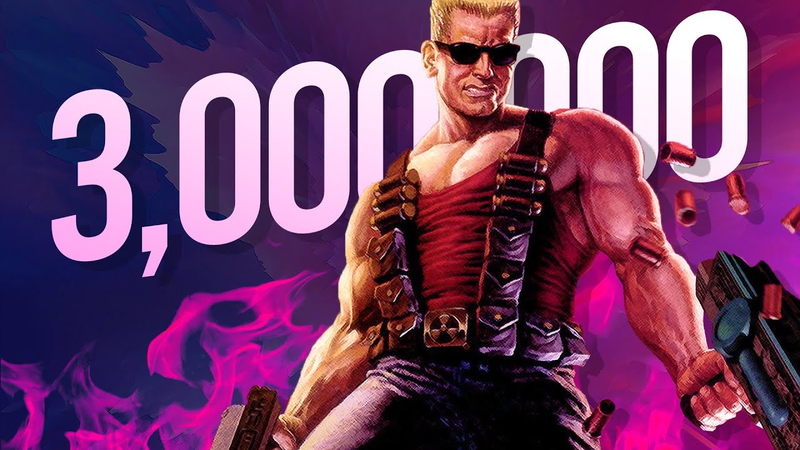
How This Game Dev Sold 3,000,000 Copies of His Game
The modern game development landscape rewards developers who prioritize distinctiveness and innovation over rigid adherence to market trends.
- Success in a saturated market requires a defining hook—a unique, high-impact mechanic—to differentiate a title, similar to the bullet time innovation in Max Payne or the design of Duke Nukem 3D.
- Commercial viability depends on rigorous marketing strategies, specifically prioritizing the accumulation of wishlists and the release of demos to secure funding and audience reach.
- Professional advancement is driven by a strong portfolio and proactive digital engagement rather than formal academic credentials.

Why Blizzard Didn’t Renew NetEase Partnership and What’s Next? - The Metacast by Naavik
The gaming industry is currently undergoing a significant structural shift characterized by cross-platform expansion, the integration of generative AI, and intense scrutiny of platform distribution models.
- Google’s 'Project Hug' initiative utilized hundreds of millions of dollars in financial incentives to major developers like Activision Blizzard and Riot Games to discourage the development of competing app stores and maintain the 30 percent platform fee.
- The Blizzard-NetEase partnership collapsed primarily due to Blizzard’s demands for higher revenue shares and the pursuit of global mobile IP development, exposing the volatility of international publishing in restrictive regulatory environments.
- Mobile-first studios, exemplified by Gameloft’s Disney Dreamlight Valley, are increasingly adopting cross-platform strategies to reduce market volatility and expand their reach beyond mobile-only audiences.

Watch This Before You Make Your First Game!
Game development is a complex, multi-disciplinary endeavor that frequently suffers from significant timeline miscalculations.
- Prioritize the creation of a high-quality 'vertical slice'—a polished prototype of the first 15 minutes of gameplay—to validate core mechanics before committing to full-scale production.
- Treat the initial prototype as a template for the entire project, allowing subsequent levels to be developed more efficiently by following the established quality and mechanical standards.
- Establish a structured, logical sequence of production similar to construction to prevent timeline miscalculations and quality degradation caused by aimless development.
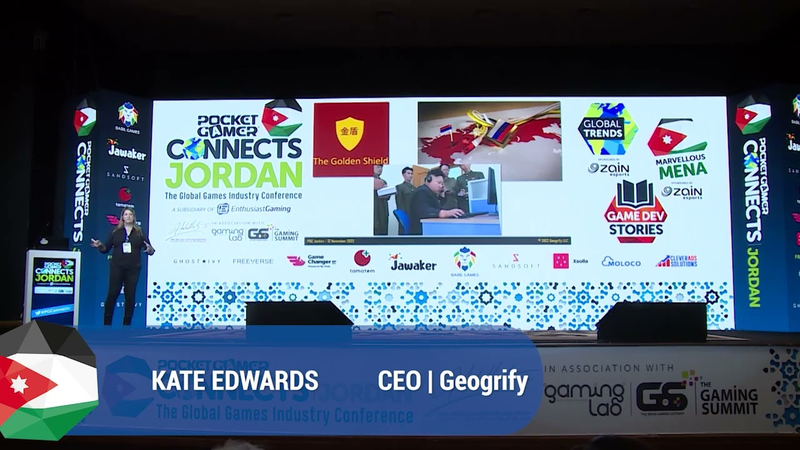
How Your Values Affect Your Game's Global Success - Kate Edwards, CEO at Geogrify
The global video game industry faces increasing pressure to reconcile creative expression with the geopolitical and cultural realities of international markets.
- Developers must establish clear internal values regarding content modification boundaries before entering international markets to avoid reactive, crisis-driven decision-making.
- Culturalization is a mandatory strategic process for global success, requiring the adaptation of game content to align with local legal requirements, social norms, and worldviews.
- Content is inherently non-neutral and carries the cultural biases of its creators, which often triggers friction when exported to regions with conflicting political or historical perspectives.

Contract Killers: What Developers Should Eliminate From Their Publishing Agreement
Publishing agreements in the video game industry are frequently structured to favor the publisher, necessitating a strategic approach from developers to mitigate long-term risks.
- Developers should reject full intellectual property assignment in favor of exclusive licensing agreements that are strictly limited by duration, territory, and platform.
- Contracts must include clear reversion clauses that allow developers to reclaim their IP rights if a publisher fails to meet contractual obligations or breaches the agreement.
- To prevent financial exploitation, developers must precisely define net revenue and limit deductions to verifiable third-party costs while establishing robust audit rights.