1 free read left. Create a free account for unlimited reading + AI research.
Create free accountReport International Game Developers’ Association
1 free read left. Create a free account for unlimited reading + AI research.
Create free accountReportInternational Game Developers’ Association
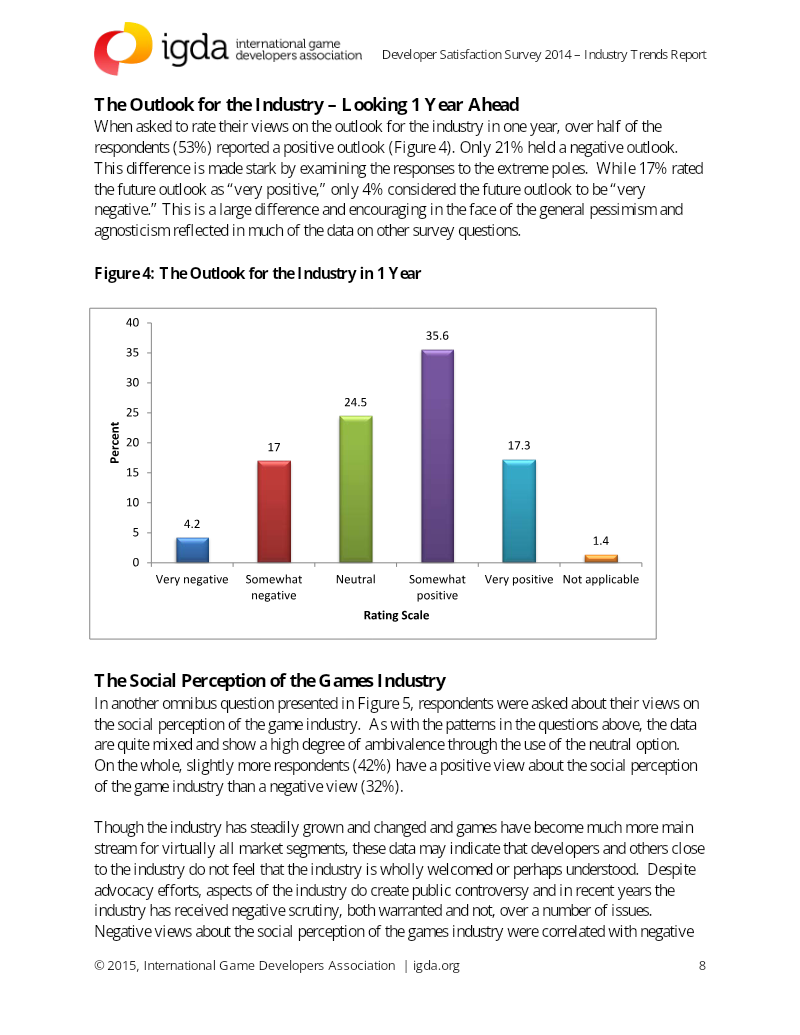
90 percent of developers express confidence in their own company's growth. However, there is widespread pessimism regarding the availability of new job opportunities across the industry.
Mixed Outlook. Developers are confident in their current companies but pessimistic about broader industry job prospects.
See it on page 8The 2014 game industry landscape is defined by a dichotomy between individual professional satisfaction and broader systemic anxiety. While 53 percent of developers maintain a positive one-year outlook and 90 percent report confidence in their specific company’s growth, there is widespread pessimism regarding the availability of new job opportunities. This sentiment is particularly pronounced among veteran professionals and those employed at large-scale studios, suggesting that the traditional AAA model is facing significant internal scrutiny. The industry is currently navigating a transitional phase, attempting to reconcile established development structures with the pressures of an increasingly crowded digital marketplace.
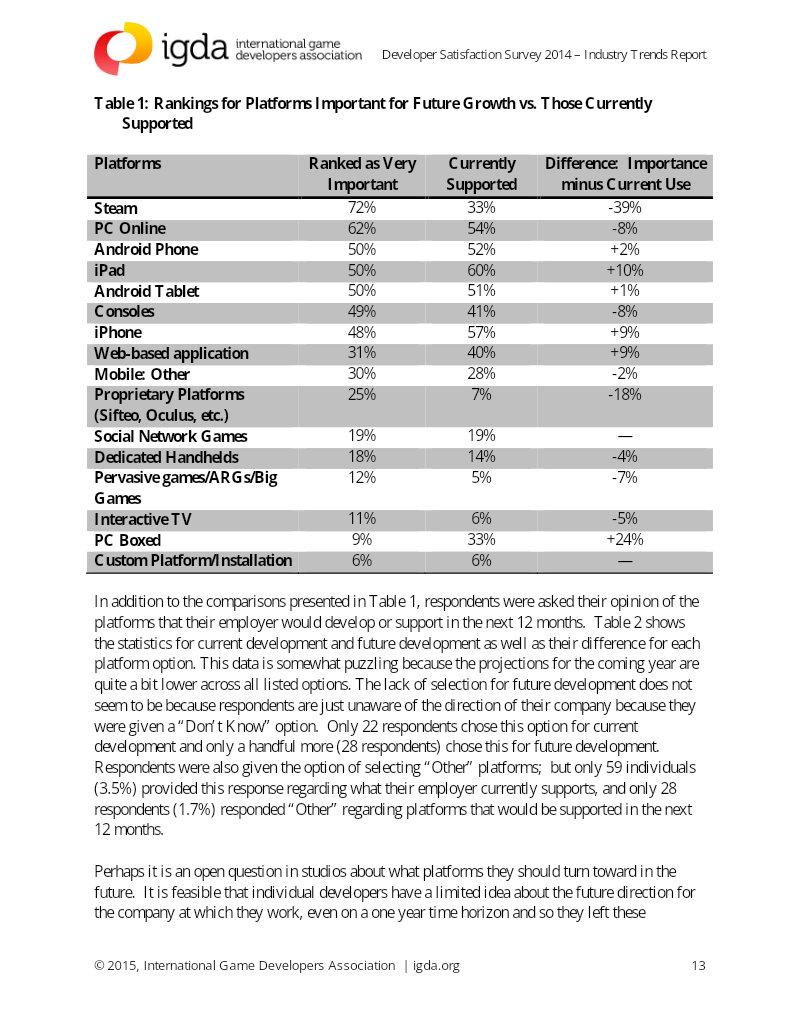
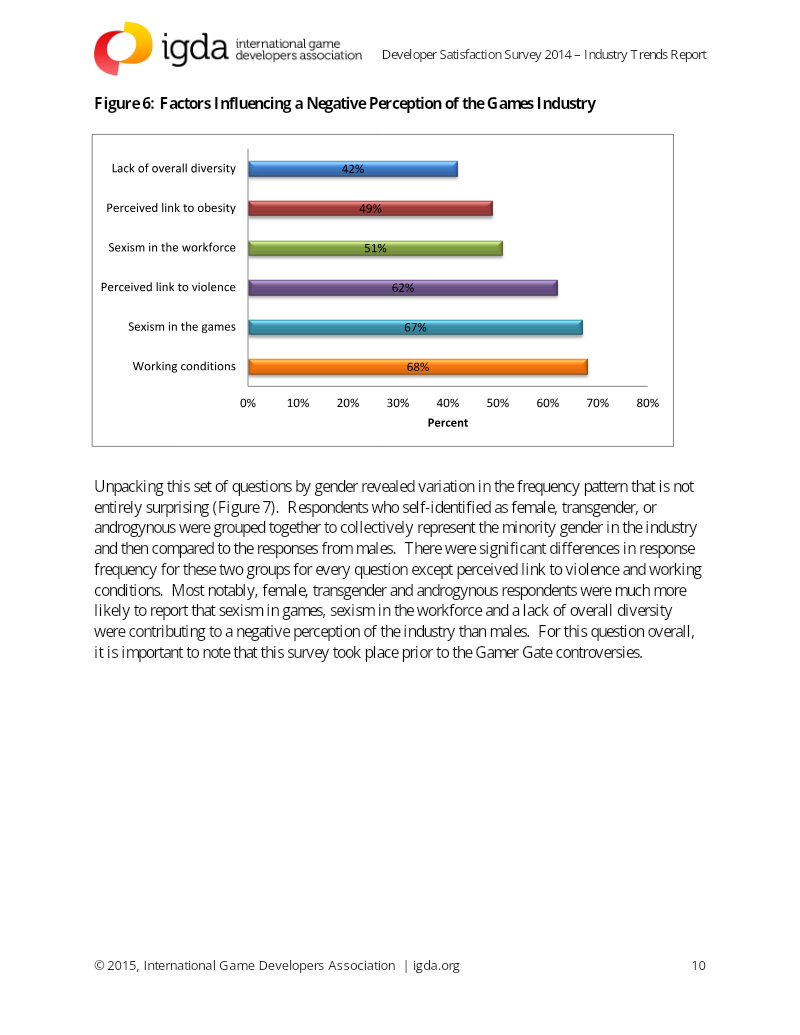
Technological innovation and the evolution of game mechanics remain primary drivers of enthusiasm, yet these advancements are tempered by deep-seated concerns regarding the industry’s social standing. Developers frequently cite poor working conditions, persistent issues with sexism, and the public’s association of gaming with violence as significant detriments to the field’s reputation. Furthermore, there is a notable strategic misalignment between current development priorities and the platforms deemed essential for future success, with Steam and proprietary ecosystems emerging as critical areas of focus that remain under-addressed by many studios.
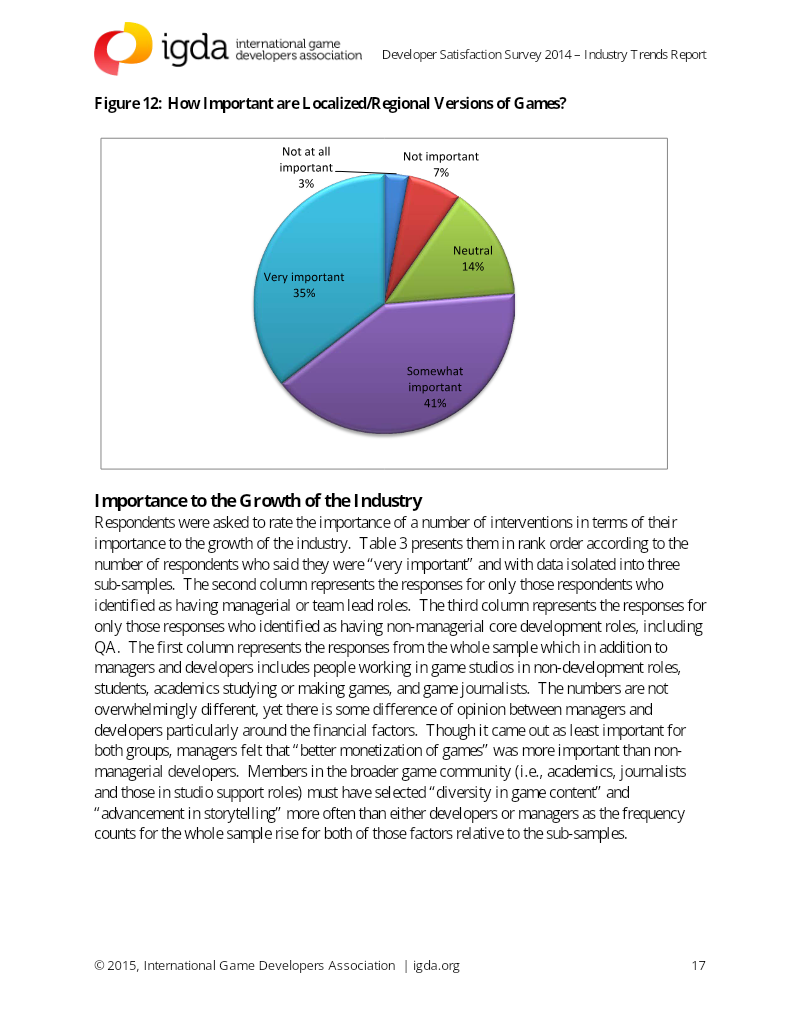
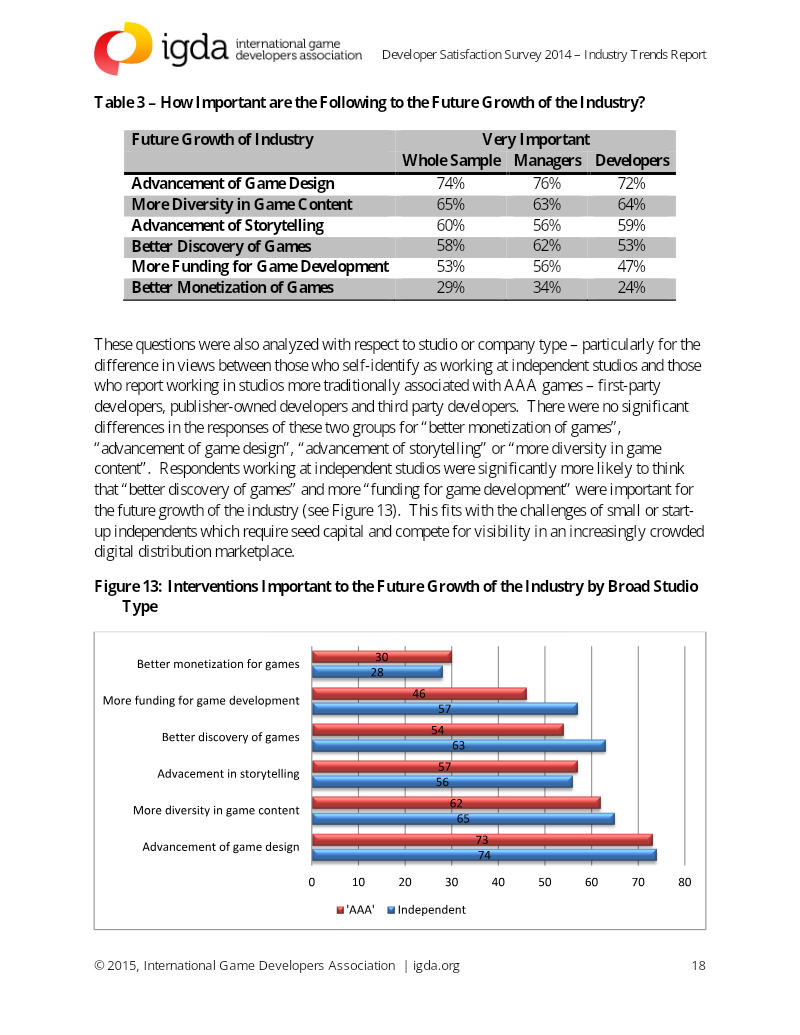
Ultimately, the workforce prioritizes creative progress, specifically in the realms of game design, storytelling, and diversity, over aggressive monetization strategies. While the necessity of crunch culture is largely rejected by the developer community, independent studios face unique structural hurdles, particularly regarding access to funding and the difficulty of achieving game discovery. These findings underscore an industry that is intellectually invested in artistic and social evolution but remains constrained by the economic and cultural challenges inherent in a rapidly shifting digital environment.
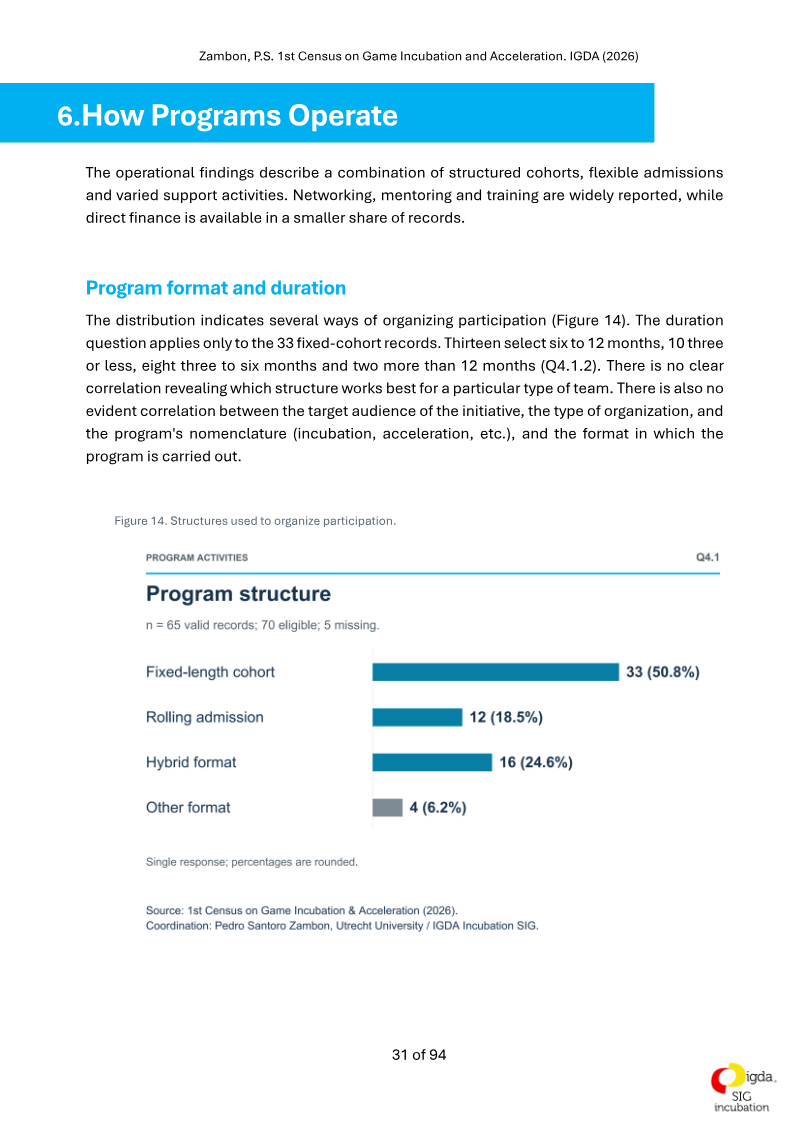
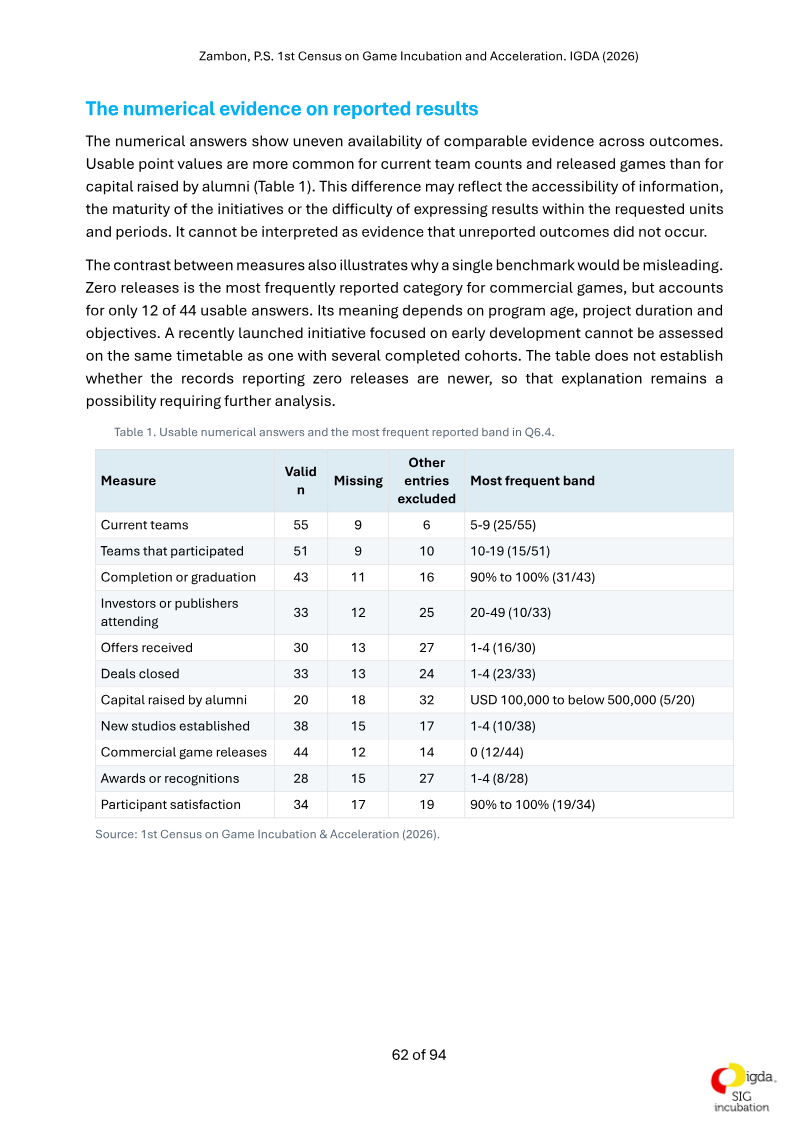
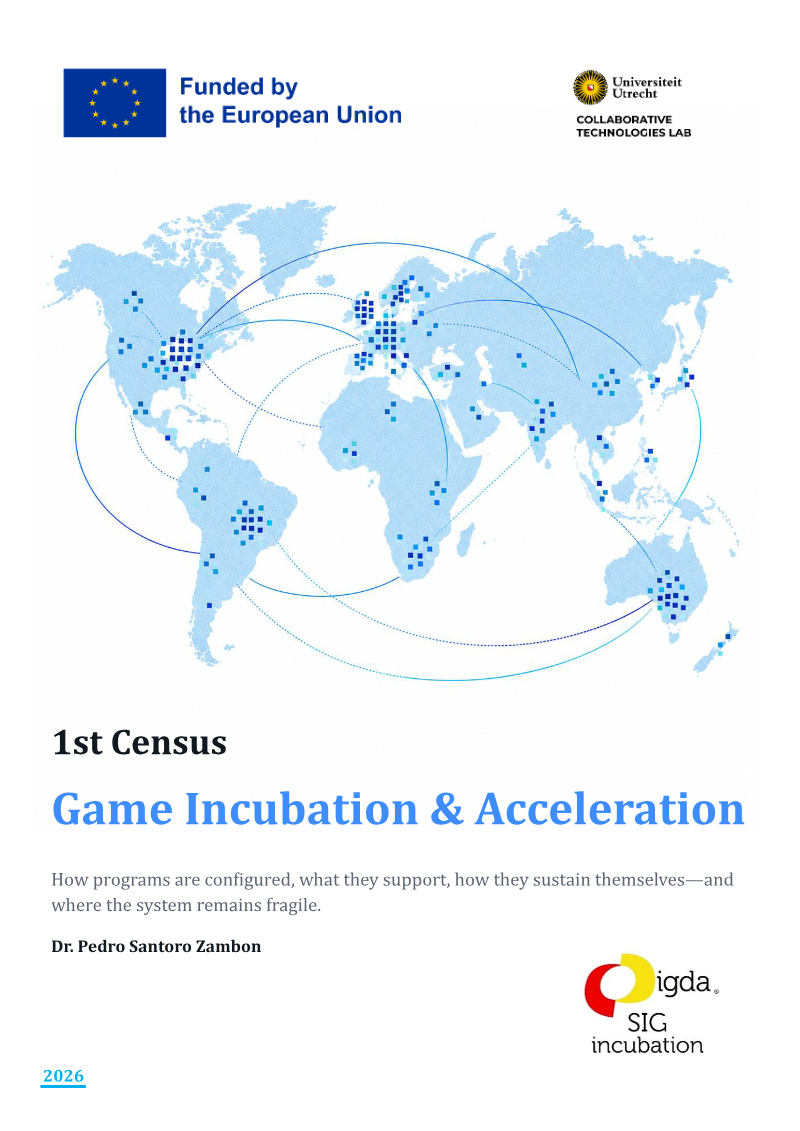
International Game Developers’ Association · 2026


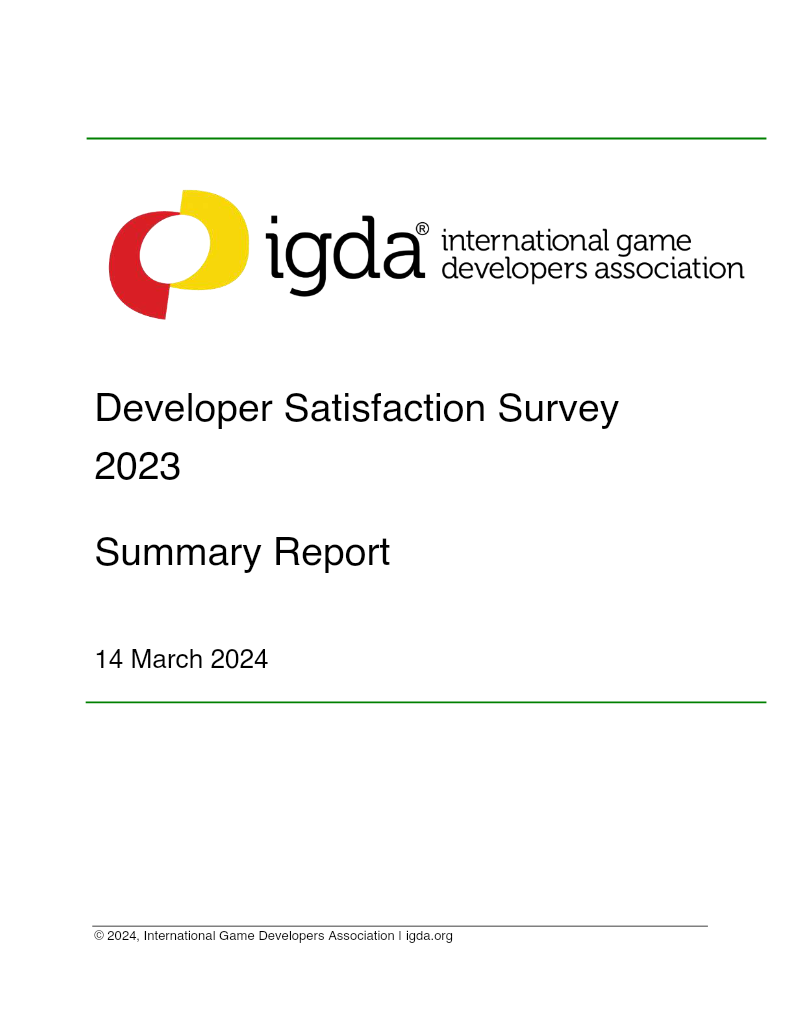
International Game Developers' Association · 2024
International Game Developers’ Association · 2023
International Game Developers’ Association · 2023
International Game Developers’ Association · 2022
International Game Developers’ Association · 2022
International Game Developers’ Association · 2021
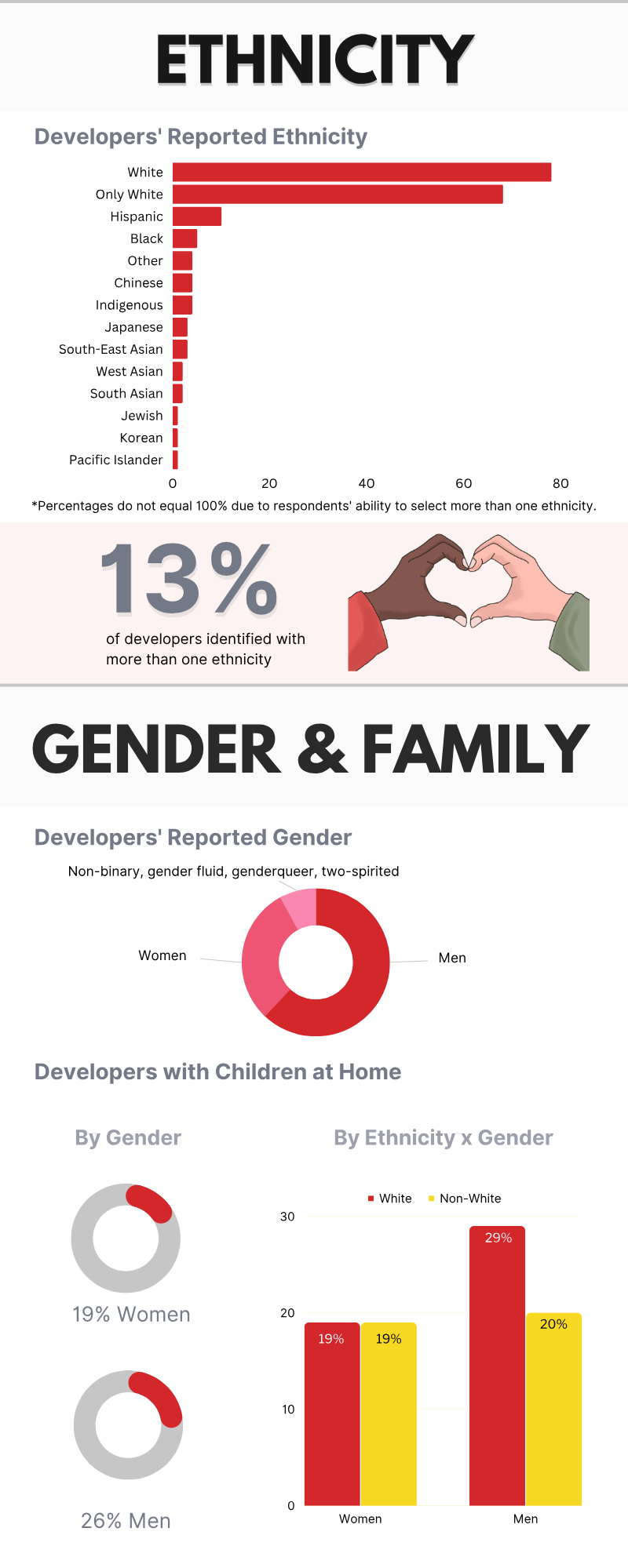
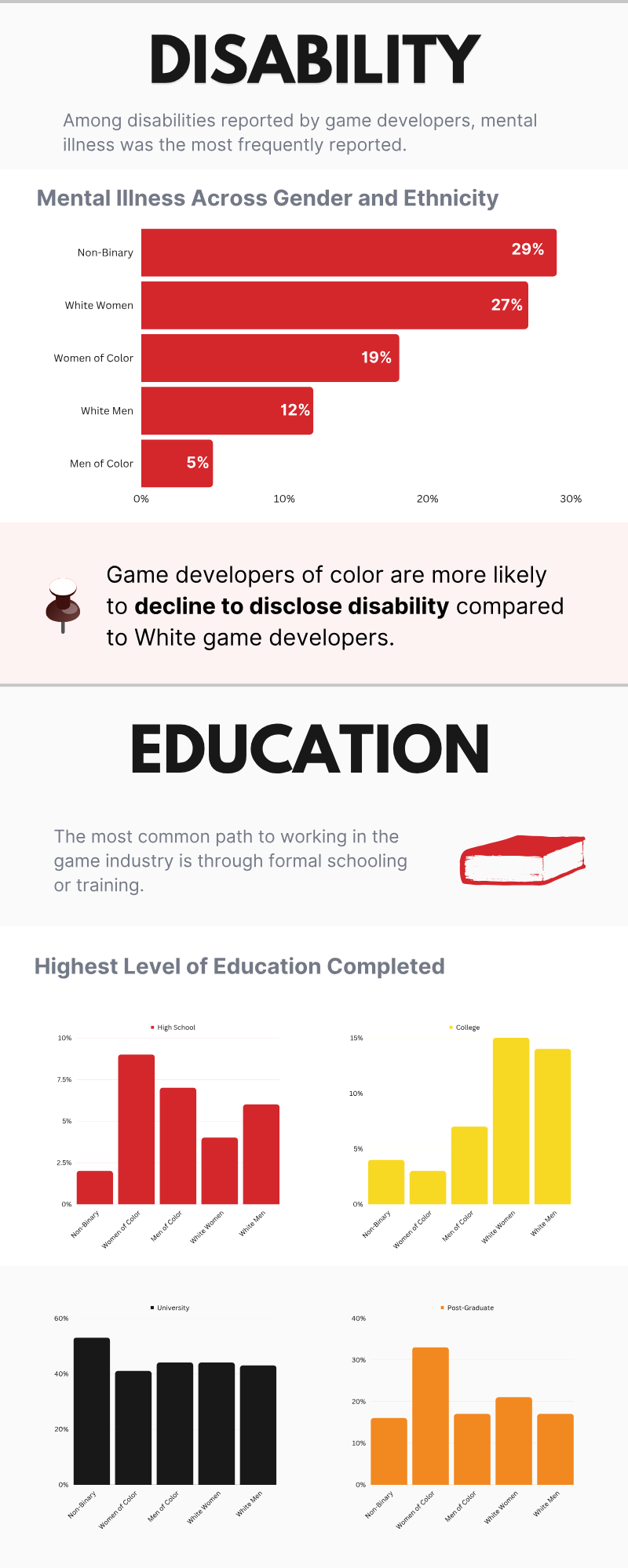
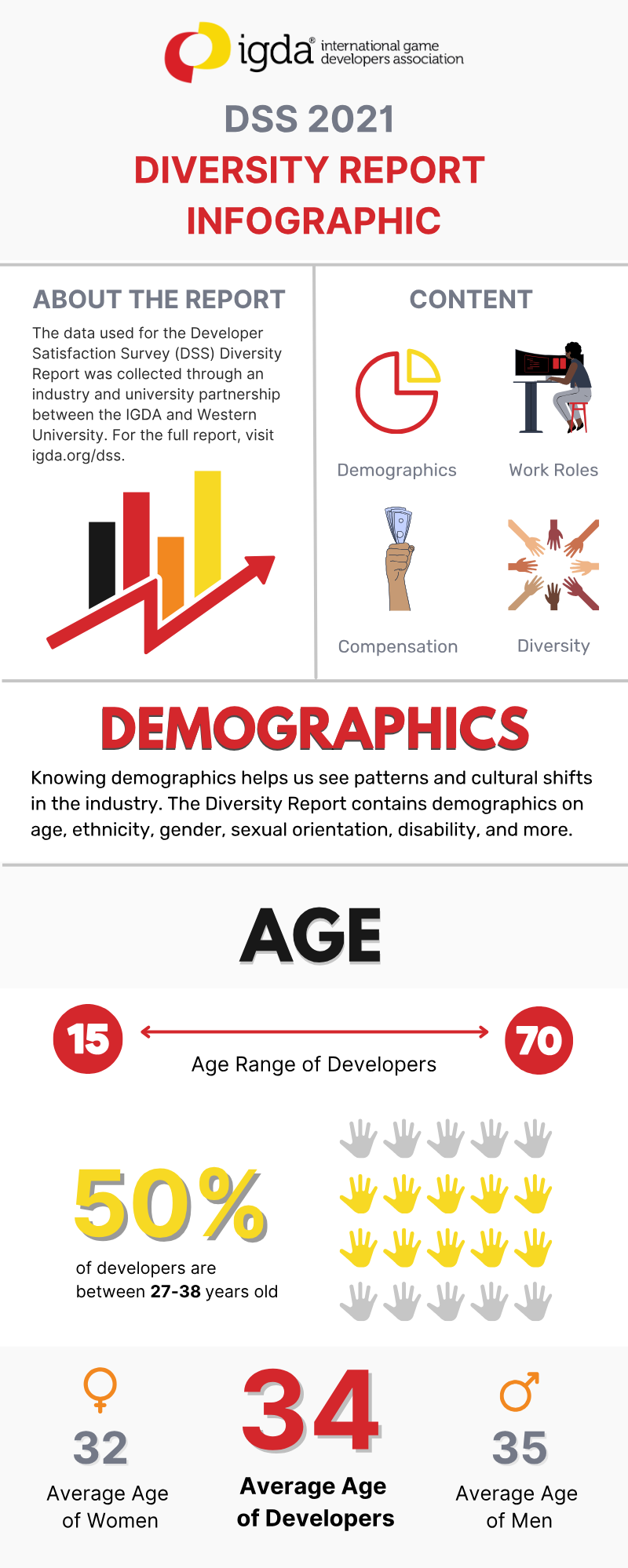
International Game Developers’ Association · 2021
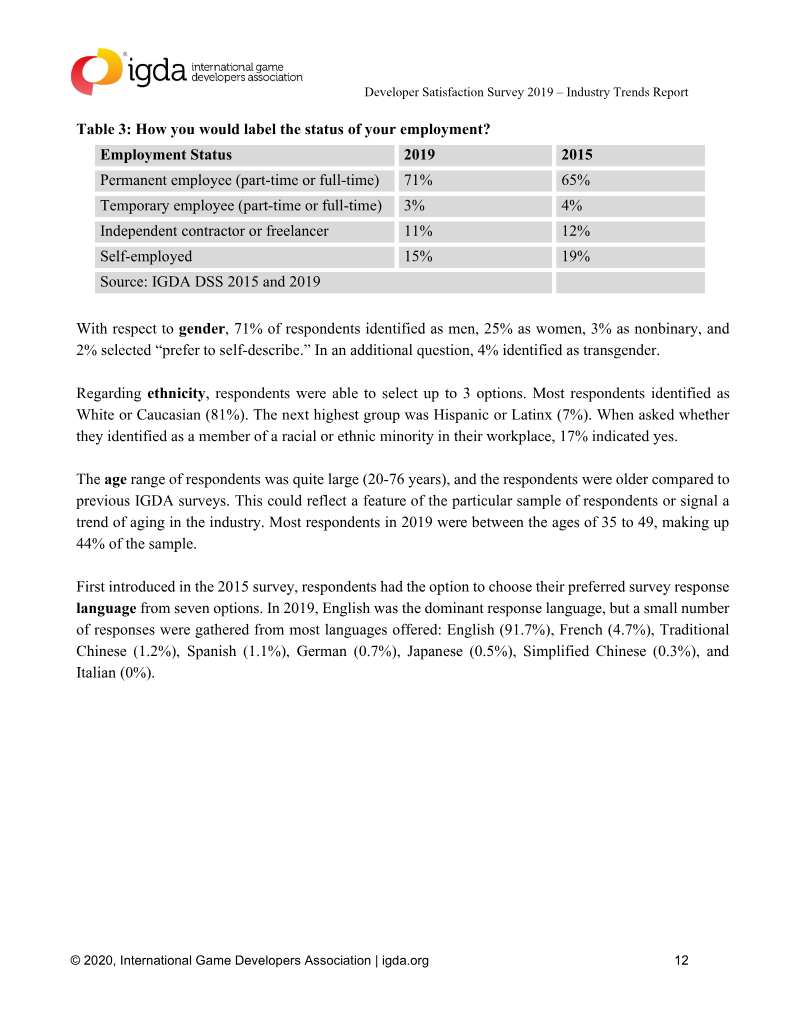
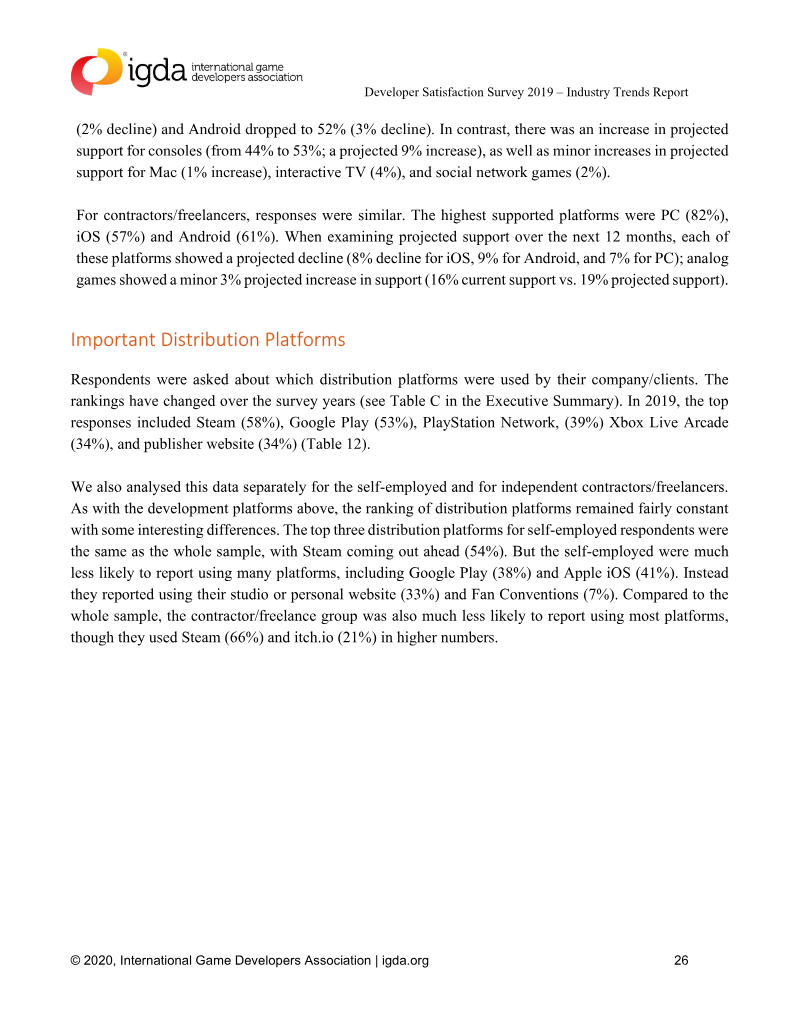
International Game Developers’ Association · 2020
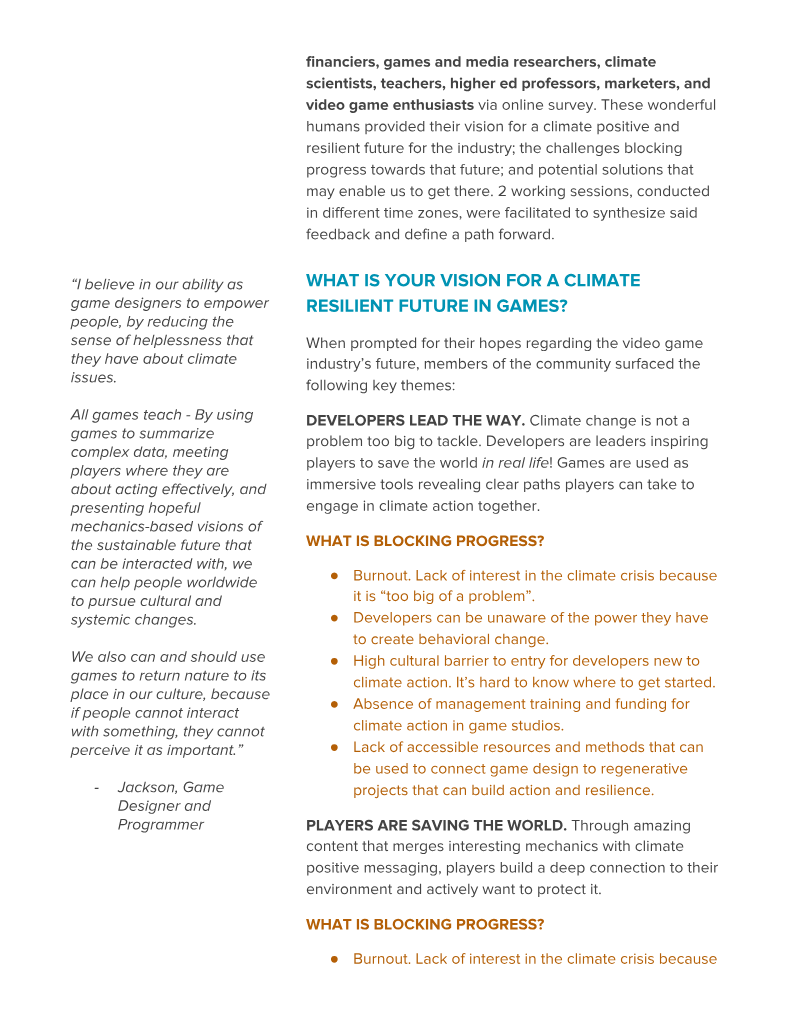
International Game Developers’ Association · 2020
International Game Developers’ Association · 2016
International Game Developers’ Association · 2016
The Game Business · 2026