Game Development reports and market data
Documents
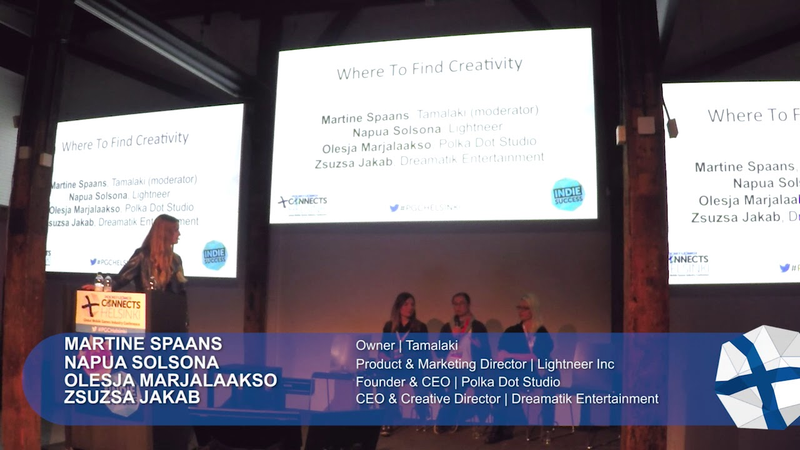
Where to find creativity
Creativity in mobile game development functions as a dynamic practice rather than a static resource, requiring a strategic synthesis of personal passion, market viability, and organizational vision.
- Long-term commercial success in mobile gaming requires a strategic balance between artistic ambition and rigorous, data-driven market validation.
- Over-reliance on benchmarking successful titles leads to derivative design, whereas true innovation stems from integrating unique creative risks with consistent player feedback.
- Effective studio leadership must prioritize mission-driven decision-making to prevent the stagnation caused by overly calculated, safe design practices.
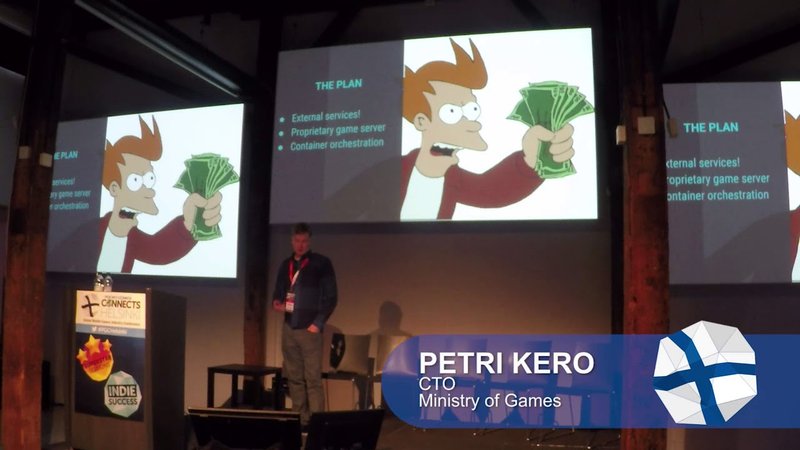
Scalable servers for social city builders on a budget
The development of social mobile games requires robust backend architectures capable of managing high-frequency player interactions, persistent world states, and real-time global economies.
- Use the Elixir programming language and Erlang virtual machine to handle tens of thousands of concurrent users through fault-tolerant, actor-based, in-memory state processing.
- Prioritize a 'build versus buy' strategy by developing only proprietary game mechanics while outsourcing standard operational tasks to managed cloud services.
- Maintain player and guild states in-memory to enable real-time social features like chat and trading, using databases only for persistence and disaster recovery to reduce latency.
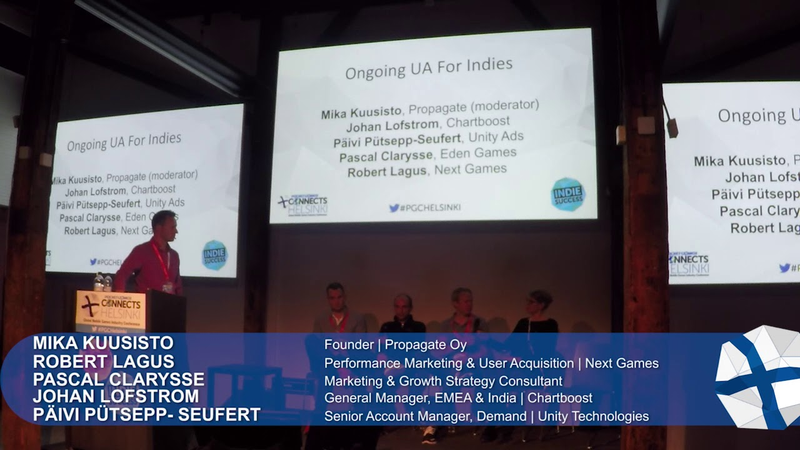
Ongoing user acquisition for indie game developers
Successful user acquisition for independent game developers hinges on a disciplined, data-centric strategy that prioritizes long-term player value over immediate, low-cost volume.
- Prioritize long-term player value and robust core mechanics—specifically onboarding, retention, and monetization—before allocating significant marketing budgets.
- Conduct initial technical testing in lower-cost regions to gather performance data and refine product mechanics before scaling to broader, more expensive markets.
- Implement reliable attribution tools and integrate analytical expertise early to accurately track lifetime value and return on investment.
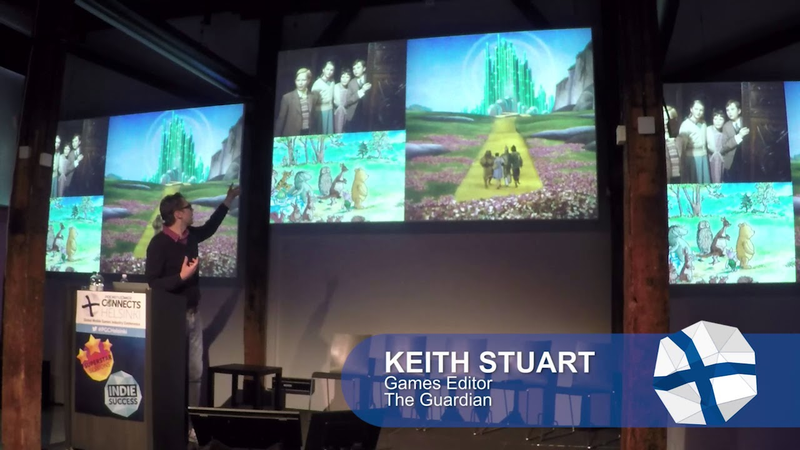
It's not a place, it's a script - Making worlds that mean something
Game industry journalist and author Keith Stuart argues that successful game world-building relies on treating environments as narrative scripts rather than mere backdrops.
- Game environments should be treated as narrative scripts rather than static backdrops, functioning as active characters that reflect the core emotions of the story.
- Developers can deepen player engagement by applying the 'pathetic fallacy,' which involves imbuing landscapes with human emotion to mirror the narrative tone.
- Successful world-building often draws from non-gaming disciplines, such as 18th-century landscape gardening, 1960s urban planning, and the structured exploration paths used in IKEA retail psychology.
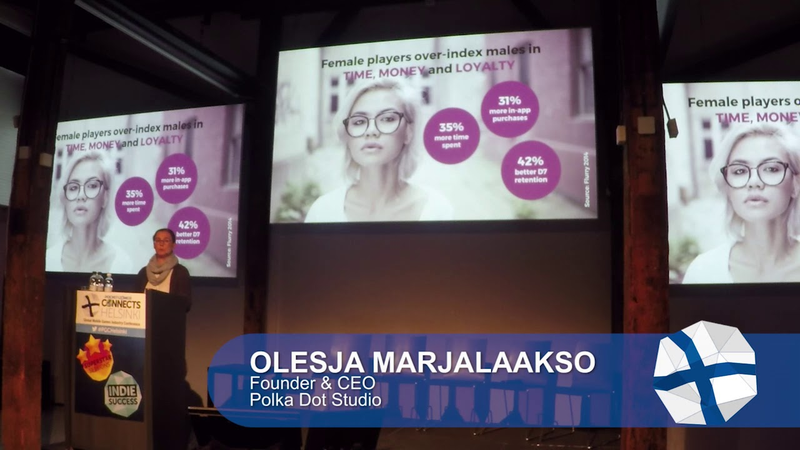
Why aren't there more game developers making games for women?
The mobile gaming industry faces a significant paradox: while women represent a majority of the mobile player base, demonstrate higher engagement and loyalty, and offer lower user acquisition costs, the sector remains heavily focused on male-centric content.
- Women constitute the majority of the mobile gaming player base, yet they remain underserved because less than 10% of core development roles are held by women.
- The industry suffers from a cycle of homogenous development where predominantly male teams design games based on their own personal interests, ignoring the high engagement and loyalty of female players.
- Mobile studios often prioritize 'passion-driven' development and autonomous team structures modeled after companies like Supercell, which inadvertently reinforces hiring biases and excludes female talent.
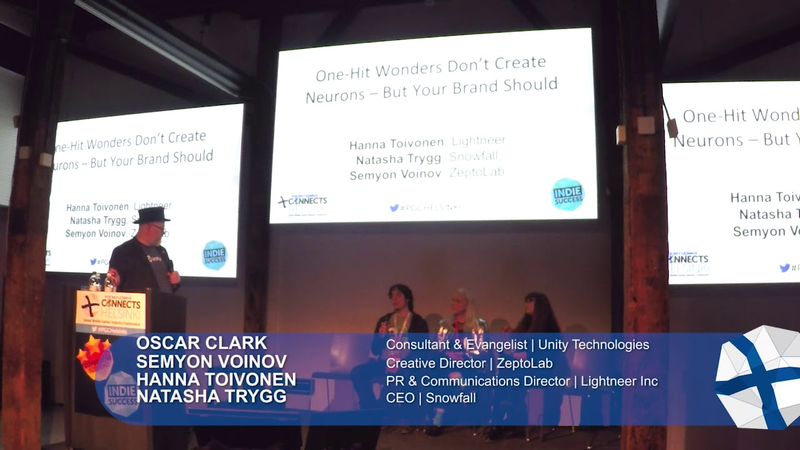
One-hit wonders don’t create neurons – But your brand should
Long-term success in the gaming industry depends on the strategic synthesis of high-quality gameplay and cohesive brand identity.
- Long-term commercial success in gaming requires balancing high-quality core mechanics with a cohesive, emotionally resonant brand identity.
- Brand identity should function as a creative constraint that refines and elevates gameplay rather than serving as a substitute for it.
- Developers must prioritize memorable characters and distinct visual integrity to create cognitive anchors that foster player loyalty beyond the initial launch.
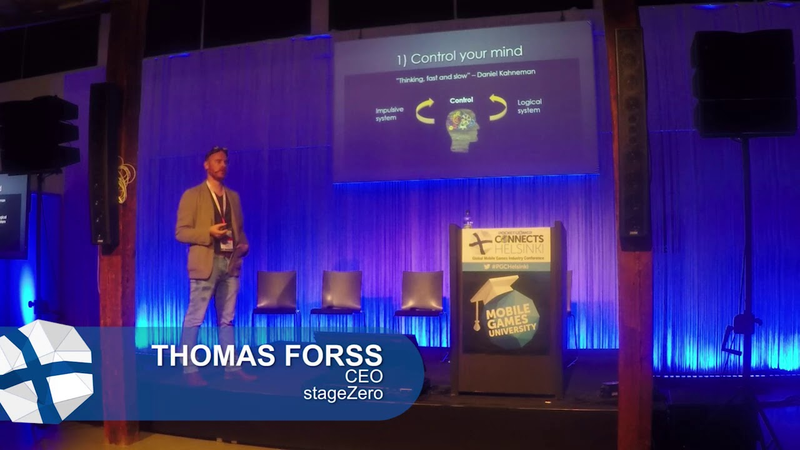
Increasing productivity while preventing burnout
The primary objective is to address the intersection of professional productivity and burnout prevention, arguing that burnout is not a direct result of total hours worked, but rather a failure to manage stress and maintain mental focus.
- Burnout is primarily a failure to manage stress and mental focus rather than a direct consequence of total hours worked.
- High-intensity work schedules of up to 96 hours per week can be sustainable if the individual employs proper mental and physical regulation.
- Stress is a significant health factor, contributing to 75% of doctor visits and 60% of all human illnesses.
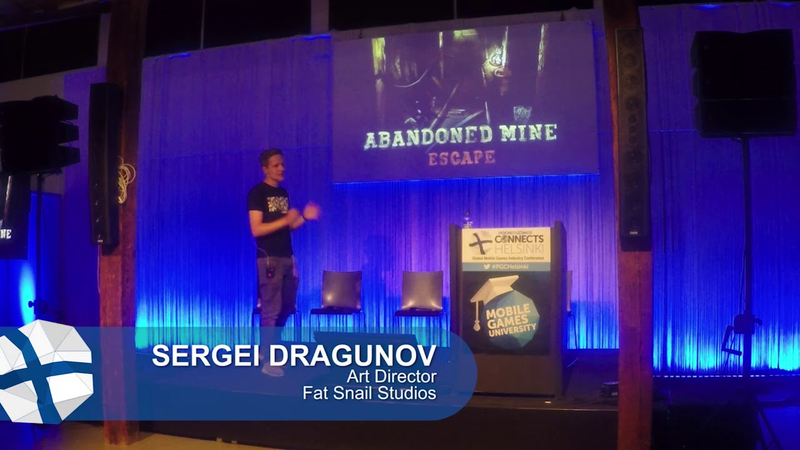
How to take your creativity to the next level
The presentation outlines a professional journey from client-based commercial art to independent game development, emphasizing the importance of creative experimentation and structured production workflows.
- Financial stability for creative projects is best achieved by balancing experimental passion projects with the production of standardized, monetizable puzzle games.
- A successful puzzle title can provide significant studio support, as evidenced by a recent release that achieved 500,000 downloads on the Android market within six months.
- Elevating creative output requires stepping outside traditional industry constraints by engaging in multidisciplinary work such as theater and installation art.
From sentiments to insights
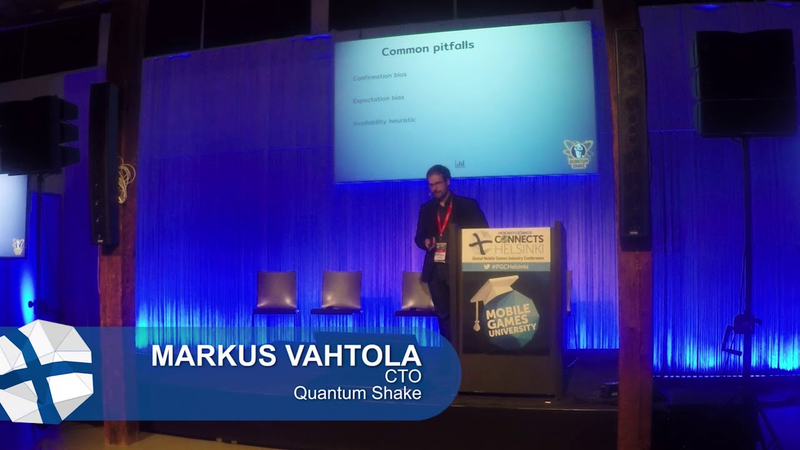
The analysis of over 125,000 user reviews for top-grossing mobile games reveals critical insights into market performance and player sentiment.
- Social engagement is a fundamental driver of commercial success, as the vast majority of the top 200 grossing mobile games are inherently social.
- Top-grossing mobile titles are 76% more likely to receive five-star reviews compared to the broader market, though these reviews are often brief and prompted by in-game mechanics.
- Long-form reviews exceeding 1,000 words provide significantly higher qualitative value than short reviews, despite the latter dominating in total volume.
Critical Force Academy – Turning students into professionals
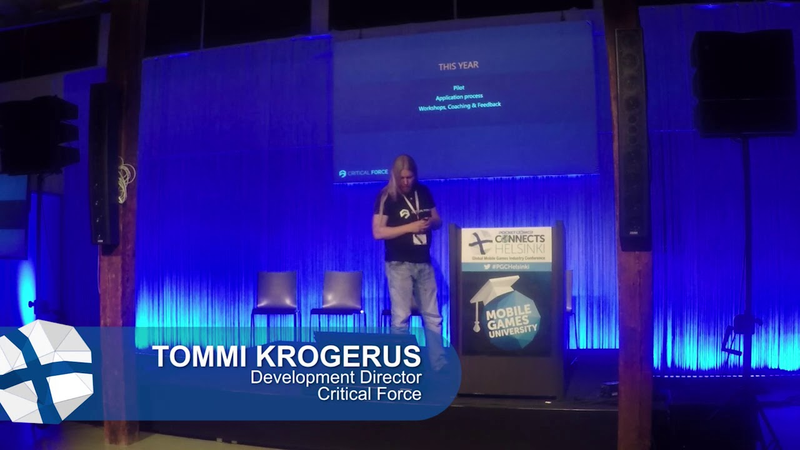
Critical Force Academy serves as a strategic bridge between academic game development education and the professional requirements of the mobile gaming industry.
- Critical Force Academy functions as a long-term recruitment and vetting pipeline, allowing the company to evaluate candidate cultural fit and learning agility over months rather than relying on brief interviews.
- The program bridges the gap between academic education and professional mobile game production by providing students at Kajaani University of Applied Sciences with industry-led coaching and workshops.
- The curriculum prioritizes commercial-grade production standards, specifically focusing on essential mobile development skills and UI/UX refinement to ensure graduates can contribute immediately to the market.

Swedish Game Developer Index: 2017-2018
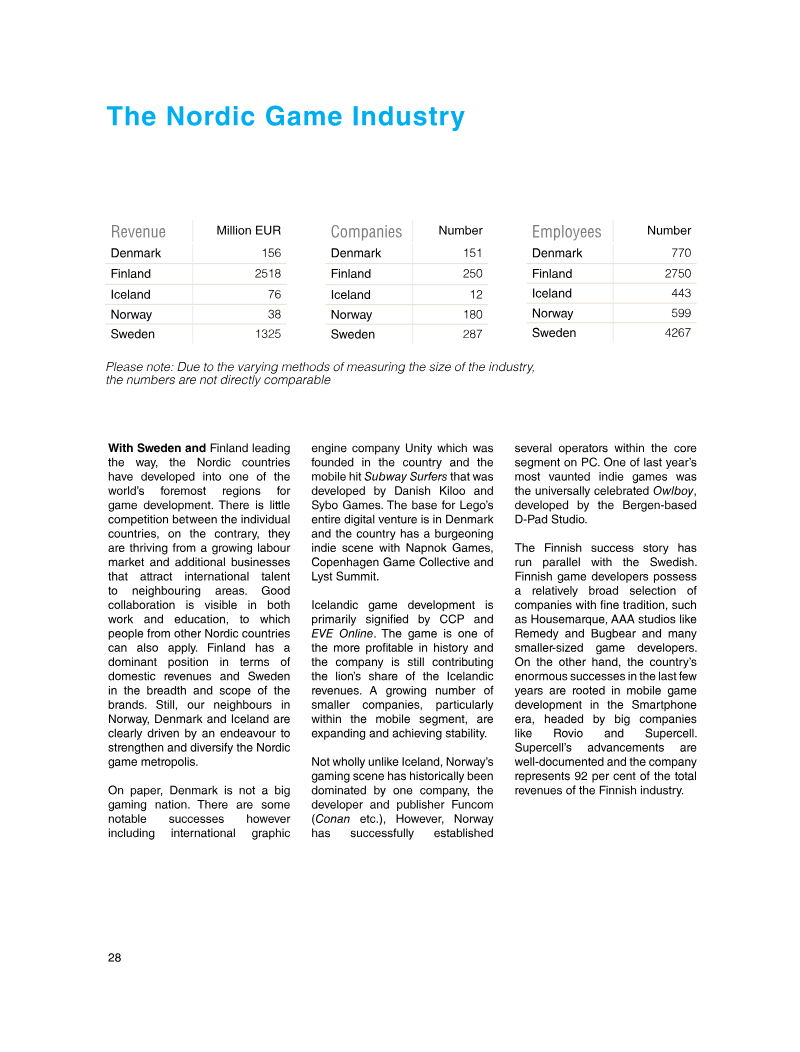
The Swedish Game Developer Index for 2017-2018 provides a comprehensive overview of the Swedish game development industry, highlighting its robust growth, economic significance, and the challenges it faces.
- The Swedish game development industry reached a record annual revenue of EUR 1.33 billion by the end of 2016.
- The sector maintains a 30 percent compound annual growth rate, supported by 282 active companies and 4,291 full-time employees as of 2016.
- Between 2012 and 2016, the industry experienced a 19 percent increase in the number of firms and a 16 percent rise in full-time employment.
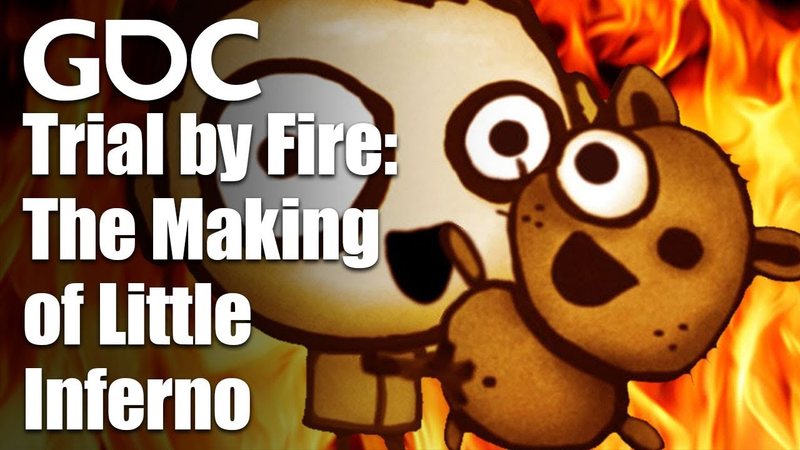
Trial by Fire: The Making of Little Inferno
Little Inferno, developed by Tomorrow Corporation, serves as a case study in indie game development, specifically highlighting the challenges of balancing creative ambition with production constraints.
- Tomorrow Corporation achieved commercial success with Little Inferno, selling over one million copies across six platforms including PC, mobile, and Wii U.
- The project served as a critical transition for the developers, allowing them to move from traditional industry roles into full-time independent game development.
- Development took two and a half years, significantly exceeding the team's original six-month projection due to the complexity of the project.