Game Development reports and market data
Documents
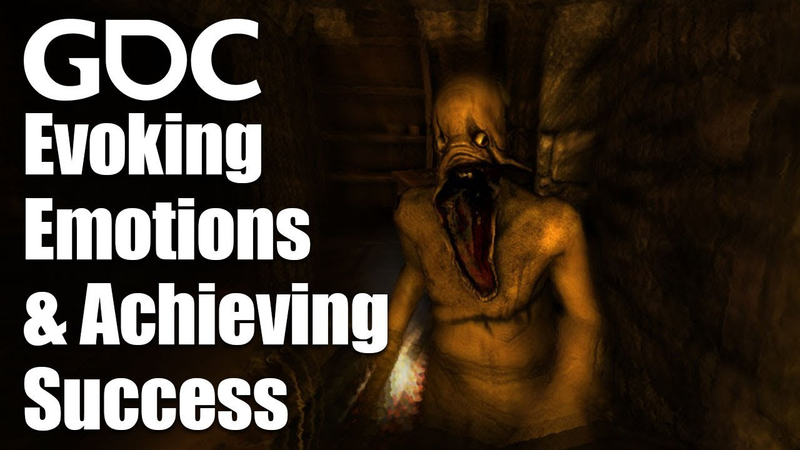
Evoking Emotions and Achieving Success by Breaking All the Rules
The primary objective of modern game design should be the prioritization of emotional resonance over the adherence to traditional mechanical conventions.
- Prioritize emotional resonance over traditional mechanical conventions to foster deeper player immersion and narrative engagement.
- Dismantle standard industry tropes like combat systems, competitive scoring, and punishing death loops to shift the experience from trial-and-error to a cohesive role-playing encounter.
- Replace traditional fail states with dynamic systems that emphasize psychological tension, as demonstrated by the success of 'Amnesia: The Dark Descent'.
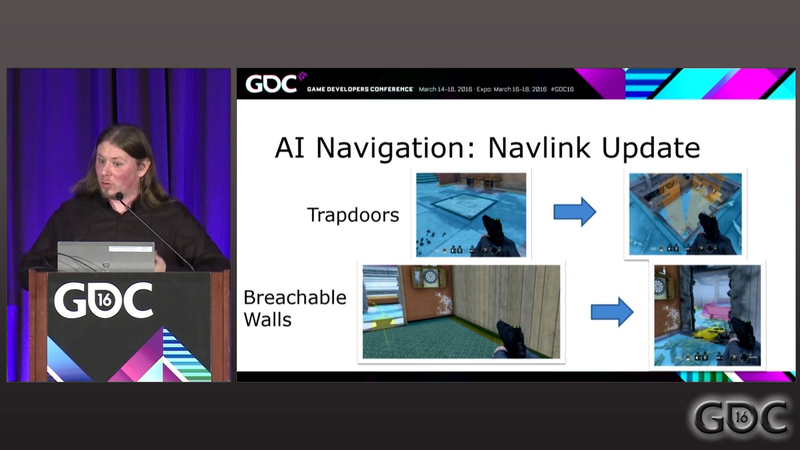
The Art of Destruction in Rainbow Six: Siege
The Realblast engine serves as the foundational architecture for Rainbow Six: Siege, shifting environmental destruction from a scripted visual effect to a core tactical mechanic.
- Destruction in Rainbow Six: Siege is a core gameplay mechanic that functions as a tactical tool, allowing players to create new paths, sightlines, and murder holes while enabling defenders to reinforce walls to funnel attackers.
- The development team utilized a custom-built solution called 'Realblast' to manage environmental destruction, which relies on a graph-based model where connections between objects are broken to create independent, destructible fragments.
- To maintain performance, the team implemented 'surface destruction' for planar objects, using 2D convex hulls to represent holes rather than costly full-geometry simulations.
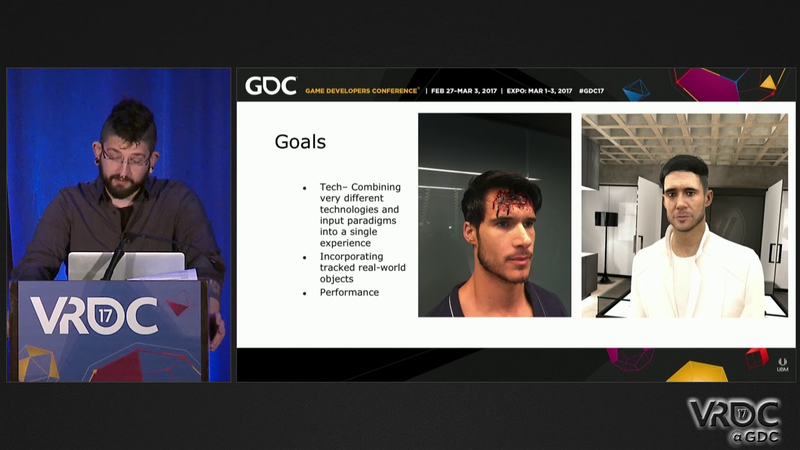
Westworld VR: Combining Linear and Interactive Content to Tell Character-Centric Stories
The Westworld: A Delos Experience project serves as a case study in the integration of linear storytelling with interactive virtual reality.
- Prioritize narrative integrity over technical complexity by aggressively removing interactive features that distract from the core character-centric story.
- Limit user affordances to maintain focus, as field testing confirmed that participants stop attempting to engage with non-functional or secondary interactive elements once they recognize the environment's limitations.
- Bridge film and game production pipelines by blending real-time environments, 360-degree video, and physical set pieces to create a cohesive, immersive experience.
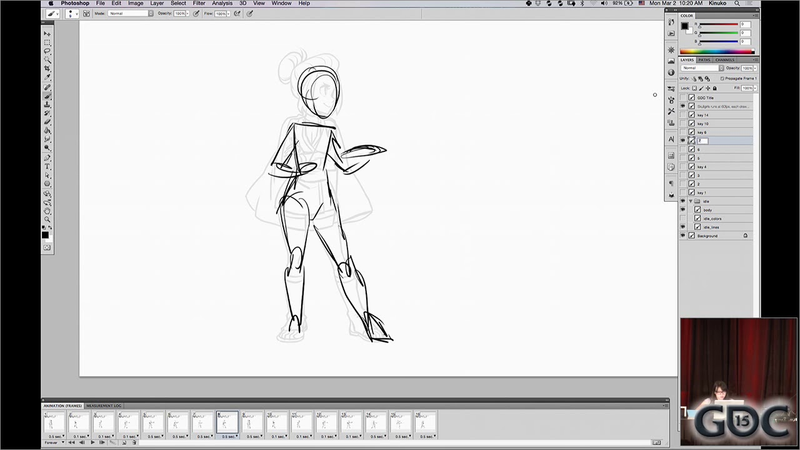
The GDC 2015 Live 2D Animation Demo
The creation of high-fidelity 2D animation for fighting games requires a meticulous balance between traditional artistic principles and the rigid technical constraints of gameplay mechanics.
- High-fidelity 2D fighting game animation requires a 30fps workflow where frame holds are precisely adjusted to align with combat timings for optimal responsiveness.
- Dynamic impact is generated through manual simulation of secondary motion, such as hair and cape movement, to compensate for the lack of procedural physics in 2D engines.
- Visual clarity during high-speed sequences is maintained by utilizing classic animation techniques like torso twisting, limb delay, and smear frames to bridge key poses.

Innovation on Demand: Paradox Interactive's Strategic Initiatives Division
Paradox Interactive established the Strategic Initiatives division to preserve a grassroots, collaborative culture while navigating the complexities of rapid organizational scaling.
- Paradox Interactive created the Strategic Initiatives division to bypass hierarchical bottlenecks and maintain a grassroots, collaborative culture during periods of rapid organizational scaling.
- The division operates on a lean model that hands off successful projects to permanent departments, preventing internal bloat and ensuring creative momentum remains fluid.
- Performance metrics for the division show a 30 percent success rate, 30 percent mixed results, and 40 percent of initiatives remaining unexecuted.
Skill, Matchmaking, and Ranking Systems Design
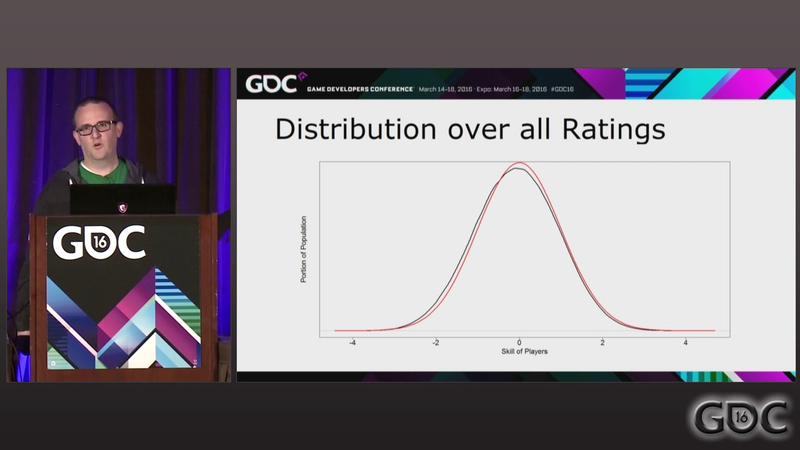
Effective matchmaking and ranking systems require a cohesive design strategy that treats skill assessment, match construction, and progression as distinct yet interconnected components.
- Effective matchmaking relies on a foundational Bayesian ranking system and normal distribution modeling to accurately calculate win probabilities and maintain competitive balance.
- To maximize match quality, developers should prioritize technical constraints like latency and social connectivity while avoiding player base fragmentation caused by excessive game modes.
- Designers should treat party skill as a unified metric and utilize global server pools to ensure the largest possible player population for balanced matchmaking.

The 1996 Psychic Detective Postmortem
Psychic Detective represents a significant evolution in interactive cinema, prioritizing a relentless narrative pace over the traditional, disruptive puzzle-solving mechanics common in mid-1990s gaming.
- Psychic Detective utilized a hub-and-spoke technical architecture to manage complex branching paths, resulting in 14 distinct narrative endings.
- The game prioritized narrative pace by replacing traditional, disruptive puzzle-solving mechanics with decision-making integrated directly into live-action footage.
- Development relied on a proprietary authoring environment that bridged video editing and software coding, allowing for narrative flow without the need for external instruction manuals.
Make Things Worse: Enabling Setbacks for Consequential Play
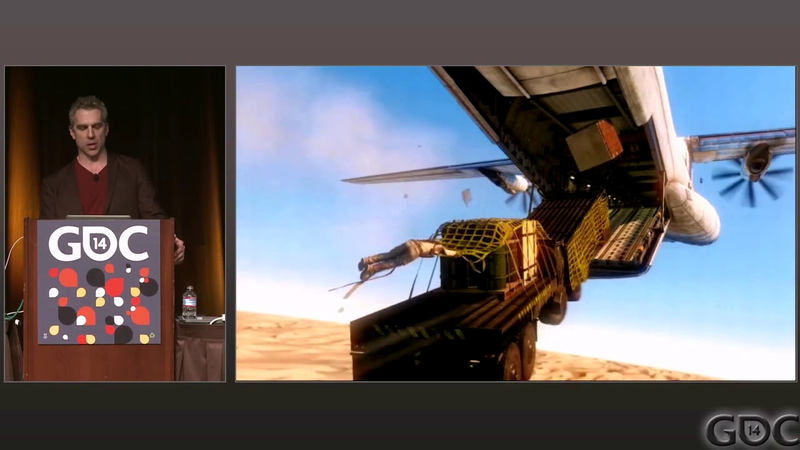
Traditional game design often relies on binary failure states that force players to restart after a loss, a practice that frequently results in wasted time and diminished narrative continuity.
- Replace binary failure states that force restarts with systemic setbacks, which act as survivable disruptions that require players to adapt strategies without halting overall progress.
- Define setbacks as unexpected shifts in immediate objectives that force a re-evaluation of the current game state rather than a complete reset.
- Implement dual-tension economies that combine resource management with time constraints to discourage save-scumming and force tactical recalibration.
Animating the Spy Fantasy in Splinter Cell: Blacklist
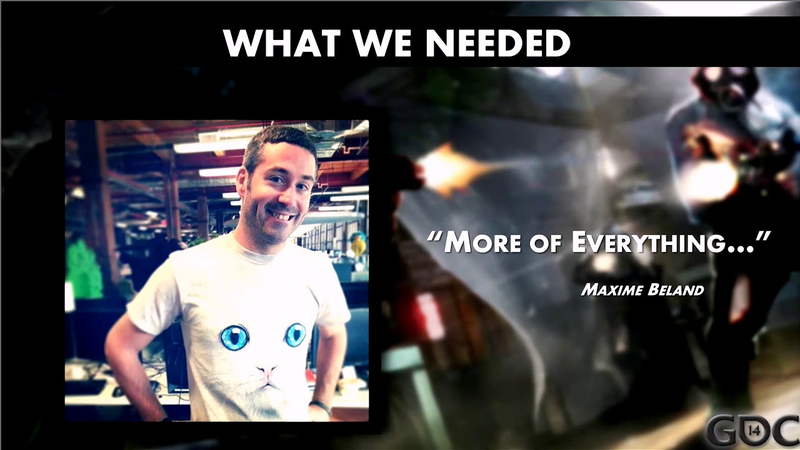
The development of Splinter Cell: Blacklist centered on the dual pillars of Panther-style surgical precision and grounded realism to deliver an immersive spy fantasy.
- The development team successfully reduced animation memory usage from 40MB to 23MB while maintaining high-quality character movement.
- Engineers implemented dynamic animation bundles that loaded assets based on specific map requirements to optimize memory usage.
- The team utilized mirroring techniques for cover animations and animation layering to eliminate redundant animation sets.
The 2017 Experimental Gameplay Workshop
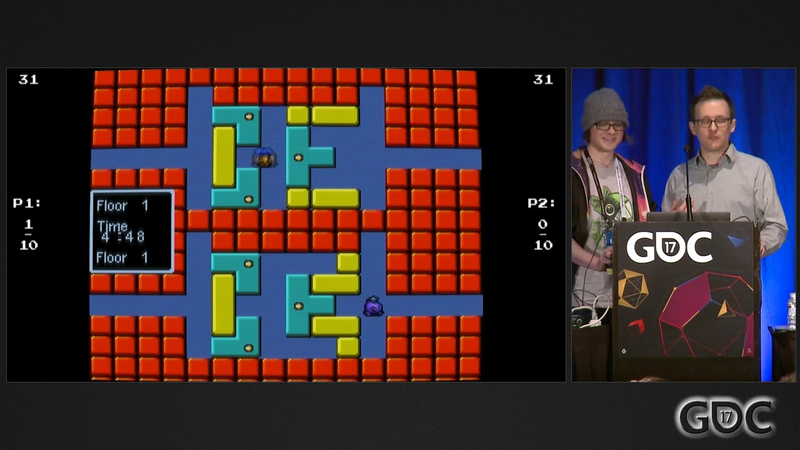
The 2017 Experimental Gameplay Workshop serves as a vital forum for exploring the boundaries of interactive design, emphasizing that innovation often arises from rejecting established genre tropes in favor of unconventional mechanics.
- Innovation in game design is driven by rejecting established genre tropes and standard UI conventions in favor of unconventional mechanics that create unique, untranslatable experiences.
- The 2017 Experimental Gameplay Workshop demonstrates that games can effectively communicate complex emotional themes, such as long-distance relationships in 'A Fold Apart', by using metaphorical mechanics like paper-folding.
- Game design methodologies are expanding to include diverse platforms and physical interactions, ranging from asymmetrical VR titles like 'Panoptic' to edible games that leverage social rituals.

OpenXR News: Converging on a Widely Accepted VR API Standard
The OpenXR initiative, spearheaded by the Khronos Group, seeks to resolve the persistent fragmentation within the virtual and augmented reality sectors by establishing a universal, vendor-agnostic application programming interface.
- The Khronos Group's OpenXR initiative establishes a universal, vendor-agnostic API to eliminate the need for developers to build custom integrations for every individual VR/AR hardware platform.
- Major industry stakeholders, including Valve, Oculus, Google, and Epic Games, are collaborating to ensure content compatibility across diverse runtimes and hardware configurations.
- The 1.0 release utilizes a core feature set supplemented by an extension-based model, allowing for vendor-specific innovations like gesture recognition while maintaining a unified standard.

How Saying 'No' Can Help You Make a Better Game
Achieving high-quality game development requires a disciplined adherence to a core design vision, balancing the inherent constraints of budget, schedule, and scope.
- Protect project integrity by establishing a concise mission statement and actionable design pillars early to serve as objective filters against feature creep.
- Prioritize iterative design and early prototyping over rigid documentation to ensure resources are allocated to essential mechanics rather than distracting concepts.
- Evaluate all new feature proposals against data-driven metrics, such as player engagement, retention, and psychological satisfaction, to determine their necessity.