Game Development reports and market data
Documents
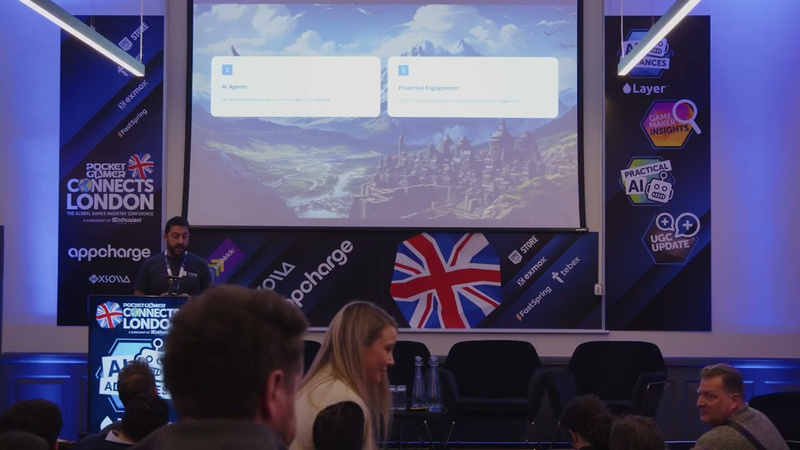
Session: Beat The Uninstall Button: How AI-Native Engagement Rewrites The Player Retention Playbook.
The primary objective of this analysis is to demonstrate how AI-native engagement tools can transform player support from a reactive, transactional cost center into a proactive, retention-focused asset.
- Poor player support is a primary driver of churn, with over 60% of surveyed players stating they would abandon a game due to long wait times or unhelpful responses.
- High-quality support significantly impacts retention and monetization, as 75% of players report they would spend more time or money in a game if they received a high-quality support experience.
- Player survey data indicates that users are not inherently resistant to AI in support, provided the technology delivers effective, personalized resolutions rather than generic, transactional automation.
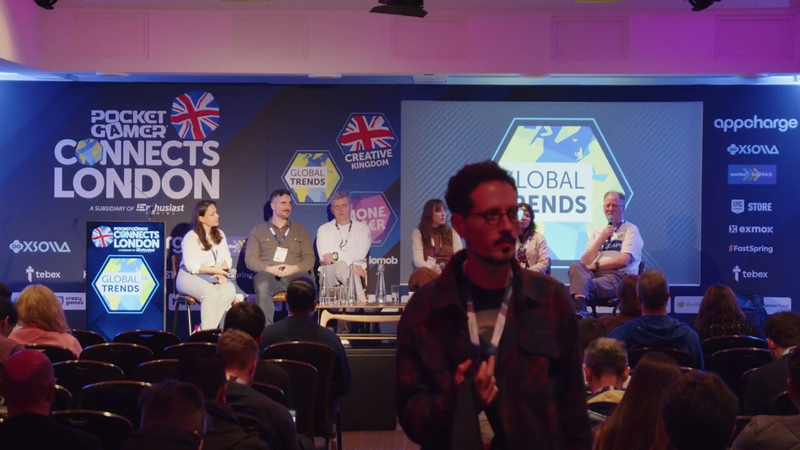
Panel: Getting Real Success, Keeping Afloat & Comebacks.
Long-term viability in the contemporary gaming industry requires a strategic synthesis of high-performing internal culture, operational flexibility, and a globalized business outlook.
- Long-term studio viability depends on a strategic synthesis of high-performing internal culture, operational flexibility, and a globalized business outlook to withstand market volatility.
- Studios must aggressively pursue international expansion and strategic partnerships to ensure financial sustainability, as the domestic Canadian market represents only a narrow segment of total demand.
- Adopting remote and flexible work models allows studios to transcend geographic limitations, access a more diverse global talent pool, and improve responsiveness for live operations.
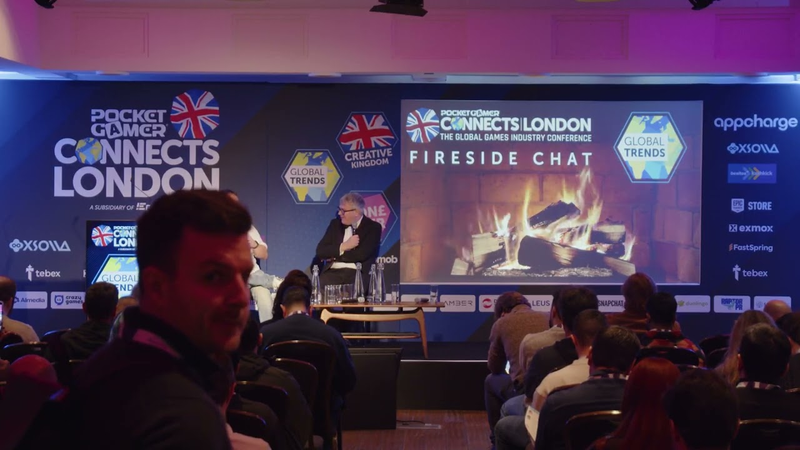
Fireside Chat: A Life in Mobile: From Games to Music to Apps – 15 Years of Wins, Losses and Learns.
This discussion explores the evolution of mobile development through the career of Simon Hade, a veteran entrepreneur who transitioned from founding the mobile studio Space Ape to his current role as Head of New Subjects at Duolingo.
- Duolingo is actively recruiting game developers to transition from traditional gaming to app-based product development, focusing on making core user experiences inherently fun rather than relying solely on gamification or paywall-focused product management.
- The shift in the mobile industry has moved from the early era of 'aping' successful titles like Clash of Clans to a current landscape where success requires deep product differentiation and specialized studio expertise.
- Modern studio fundraising now requires a complete, experienced team and a clear ambition to build a game that can self-fund the studio, as investors are less likely to fund concepts without proven execution capabilities.
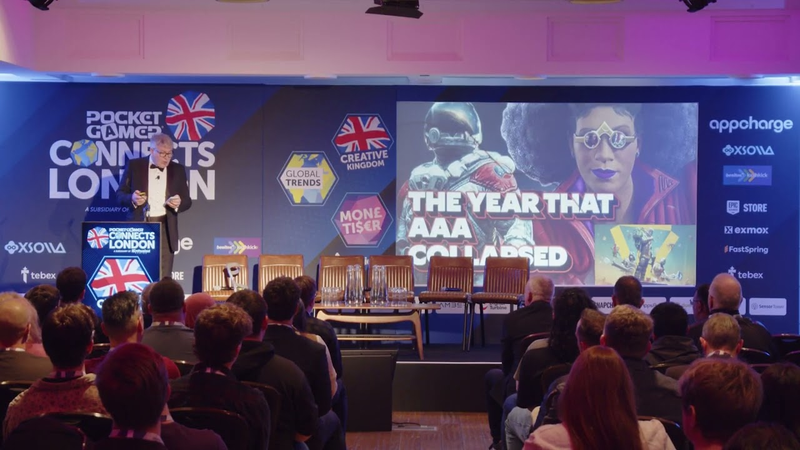
Welcome to PocketGamer Connects London 2026 - Chris James, Steel Media.
PocketGamer Connects London 2026 serves as a milestone event for Steel Media, marking the company’s 20th anniversary.
- The global games industry saw a record year for M&A activity in 2024, with a total deal flow of $161 billion across acquisitions and investments.
- While early-stage investment in new companies declined to $509 million, the overall market remains active with over 150 investors attending the event to seek new opportunities.
- Despite high-profile struggles in the AAA sector, smaller projects and indie titles continue to achieve significant commercial success and industry recognition.

Art Directing in the AI Era with SciPlay's Peter Franco
Modern art direction within the social casino sector has transitioned from an intuitive, creative-led process to a rigorous, data-informed discipline.
- Art direction in the social casino sector has shifted from purely intuitive creative work to a data-informed discipline where design choices are validated by player surveys and key performance indicators.
- AI serves as a catalyst for operational efficiency by enabling rapid prototyping and asset iteration, allowing teams to meet the high-frequency content demands of the mobile gaming market.
- To maintain stylistic cohesion, studios are increasingly training custom AI models and utilizing human artists to refine and oversee the final output of automated tools.
Softlaunch Sonar: Why everyone is cloning Pixel Flow! (and still missing the point)
The mobile gaming industry is currently defined by a pervasive clone-first mentality, where developers prioritize rapid production cycles and cost-efficiency over original design.
- Direct cloning of successful titles like Pixel Flow is an unsustainable strategy because derivative products fail to capture market momentum and struggle to achieve long-term player retention.
- The match-three genre functions as a high-barrier environment where non-major developers rarely secure sustainable lifetime revenue, making it an ineffective target for rapid replication.
- Success in the current mobile market is driven by strategic timing and the development of unique gameplay hybrids rather than high production polish or simple aesthetic variations.


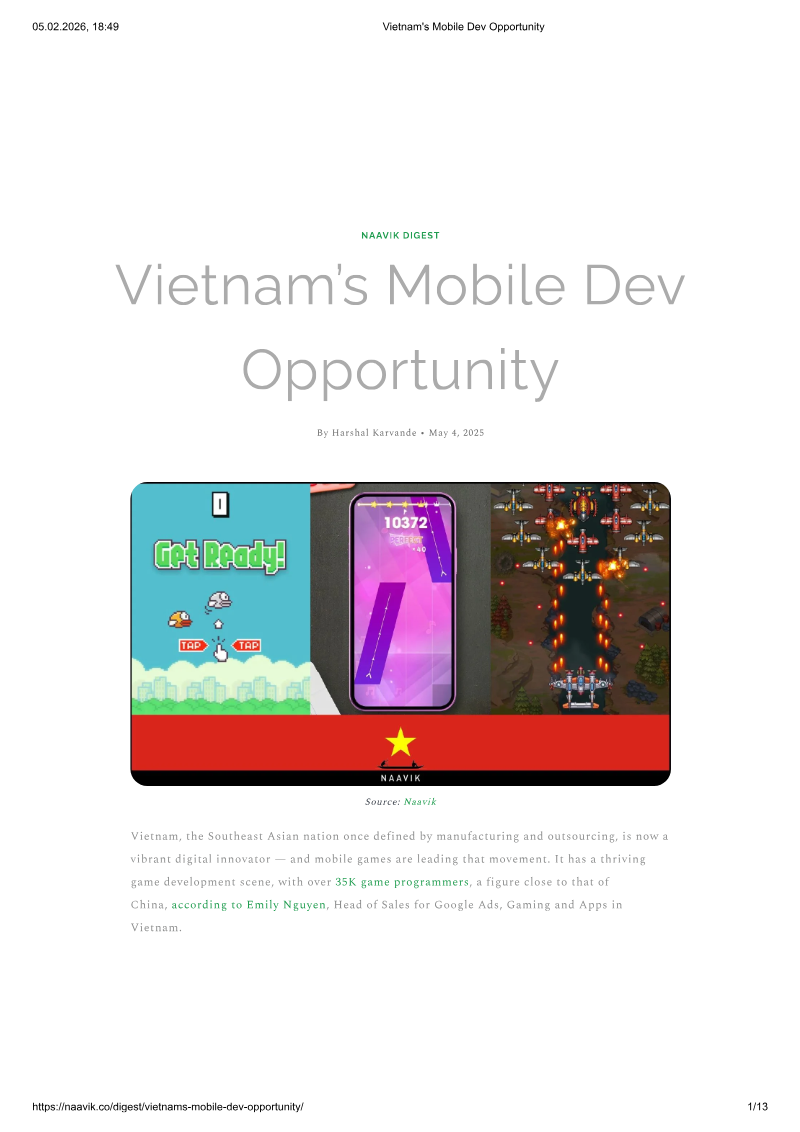
Vietnam's Mobile Dev Opportunity
Vietnam’s mobile game sector has evolved from a consumer-centric market into a burgeoning production hub, driven by a skilled talent pool forged through outsourcing, stringent regulatory frameworks that forced local publishing entities to emerge, and the explosive rise of mobile gaming.
- Vietnam has emerged as a major global mobile development hub with over 35,000 game programmers and more than 300 active local publishers.
- In 2024, five Vietnamese studios ranked among the world’s top 25 publishers, generating 2.4 billion downloads and $133 million in revenue.
- Since 2020, the sector has experienced significant growth, marked by a 67% increase in downloads and an 82% rise in earnings.
The soft launch checklist everybody needs to follow by Matej Lancaric
A successful soft launch in the mobile gaming industry requires a rigorous technical and operational foundation to ensure that subsequent data analysis—such as CPI, retention, and ROAS—is accurate and actionable.
- Prioritize a dedicated 'technical stage' during soft launch to verify that tracking, attribution, and monetization infrastructure are accurate before scaling, as flawed data leads to unreliable performance metrics.
- Implement a Mobile Measurement Partner (MMP) and Firebase to track core events, including installs, sessions, purchases, and ad impressions, while ensuring revenue deduplication across SDKs to prevent double-counting.
- Maintain app stability by keeping crash and 'App Not Responding' (ANR) rates below established thresholds to avoid platform penalties and ensure a reliable user experience.
Unit Economics for Free-To-Play Games
Transitioning from hobbyist game development to a sustainable commercial enterprise requires a rigorous, data-driven approach to unit economics.
- Transitioning from a hobbyist to a professional game developer requires treating game development as a business model where revenue generation, scaling, and profitability are forecasted before or during development rather than hoping for success post-launch.
- Use an LTV (Lifetime Value) calculator to model financial assumptions, such as targeting $1.2 million in revenue, to determine if a game concept is viable before committing significant resources.
- Pricing strategies must align with the required LTV; for example, setting an 'Ad Removal' IAP at $3.99 may fail to meet business goals if the model requires a higher average revenue per paying user to achieve profitability.

Interview: World of Warcraft bosses on ageing players, Midnight and expanding the Warcraft IP
World of Warcraft is undergoing a strategic transformation to accommodate an aging player base while simultaneously expanding its reach to new generations.
- World of Warcraft is transitioning from a traditional MMORPG into a versatile social space to accommodate an aging player base with limited time.
- The development team is introducing low-pressure features, such as player housing, to provide flexible gameplay options for busy professionals and parents.
- Operational workflows have been restructured to utilize parallel production cycles, successfully eliminating historical content droughts.
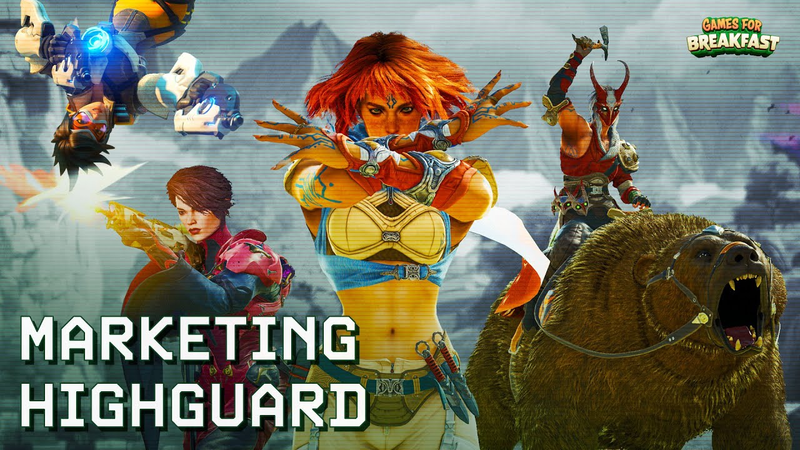
Highguard’s Character Conundrum, Valve’s New Lawsuit, and Dispatch Censorship | Games For Breakfast
The modern gaming landscape is defined by intense market saturation and significant structural instability, as evidenced by the rapid decline of titles like Highguard.
- Valve is facing a lawsuit in the UK alleging that the company used its dominant position in the PC gaming market to engage in price-fixing, a case that has survived an initial motion to dismiss.
- The hero shooter 'Highguard' has struggled to gain traction following its launch, hampered by a lack of clear character identity and intense competition from titles like 'Deadlock,' which saw 98,000 concurrent players despite being unreleased.
- Highguard’s monetization model includes a 'Warbond' style battle pass that allows players to retain and complete content on their own schedule, alongside a commitment to avoid 'pay-to-win' mechanics.

If You're Making Games Alone, This New Tool Is A Game Changer
The integration of AI-driven automation tools into game development workflows offers a significant shift in how solo developers manage repetitive, granular tasks.
- AI-driven automation tools like Bezi Actions allow solo developers to automate repetitive Unity tasks such as prefab organization, UI placement, and scene assembly.
- By offloading mechanical setup to AI, developers can shift their focus toward high-level creative tasks including narrative design, music, art, and core gameplay mechanics.
- Effective AI implementation requires a comprehensive project rules document that provides the agent with context on asset locations, script functionality, and rendering pipelines.