Game Development reports and market data
Documents

2026 Independent Games Festival Awards
The 2026 Independent Games Festival Awards serve as a vital platform for recognizing creative risk-taking and technical innovation within the global independent and student game development sectors.
- The 2026 Independent Games Festival evaluated nearly 800 submissions through a panel of 40 jurors to recognize excellence in independent and student game development.
- Titanium Court was the event's top performer, winning both the Excellence in Design award and the Seumas McNally Grand Prize.
- The festival serves as a strategic counterweight to current industry instability, specifically addressing challenges like widespread layoffs, market oversaturation, and funding shortages.
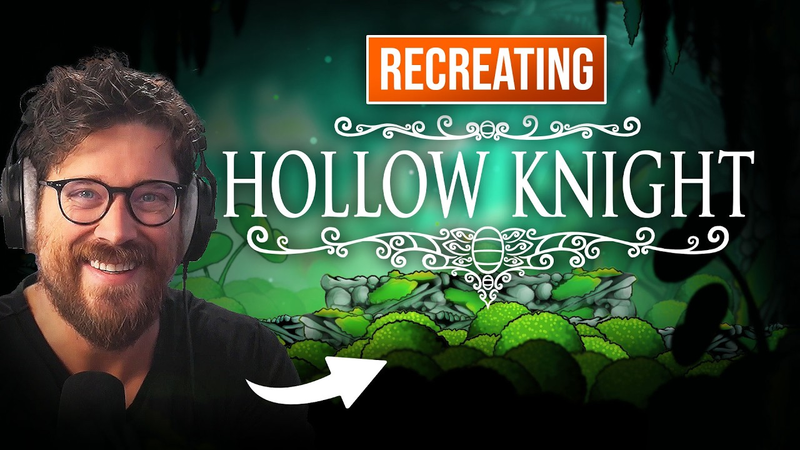
How To Make A Hollow Knight Style Game (Live Workshop Day 2)
Achieving the atmospheric, 2.5D aesthetic characteristic of titles like Hollow Knight requires a disciplined approach to modular level design and Z-axis manipulation.
- Achieving a Hollow Knight-style aesthetic relies on using Unity shaders and color-shifting layers to create depth and parallax effects, rather than relying on blurring background artwork.
- Establishing a reference sprite at the start of development—sized to the grid (one unit high by one unit wide)—is essential for maintaining consistent scale between the player character and environmental assets.
- Parallax depth can be simulated by manually adjusting the color values of background elements, making distant objects darker to blend them into the scene's atmospheric fog.
Solomon Started a GDC Event: From 0 to 400 Attendees!
The Product LiveOps & Growth Symposium has evolved from an intimate dinner into a significant 400-person gathering at the Game Developers Conference, driven by a strategic focus on addressing a critical content gap in product and live-ops leadership.
- The Product LiveOps & Growth Symposium scaled from a small dinner to a 400-person, two-day GDC event by identifying a 10% content gap in existing GDC programming regarding product management and live operations.
- Curated community events are becoming a critical competitive moat in the gaming industry, as AI-generated content increases noise and decreases the value of generic information.
- Sponsorships from major infrastructure providers like AWS were secured by aligning the event with their mandate to move beyond technical infrastructure and engage directly with line-of-business decision-makers.
High Guard's Downfall, Marathon's Release, Xbox's Future | Roundtable News 370
The modern video game industry is currently navigating a period of profound instability, marked by the failure of high-budget live-service titles and a broader crisis in North American development.
- Wildlight’s HighGuard failed due to inconsistent art direction, poor performance, and a lack of public playtesting, resulting in significant layoffs and a drastically reduced team size.
- Modern live-service shooters are struggling due to post-COVID overfunding, leading to a market saturated with failed projects and a disconnect between long development cycles and shifting player interests.
- Bungie’s Marathon playtest demonstrated strong gunplay but highlighted critical issues with UI readability and the need for clearer art direction, underscoring the importance of early public feedback.
Backend Infrastructure Now Decides Mobile Game Winners
The competitive landscape of mobile gaming has shifted, with long-term commercial success now dictated more by backend infrastructure and LiveOps capabilities than by traditional feature roadmaps.
- Infrastructure is a strategic lever rather than a technical burden, as studios that build their own backend technology often waste up to 20% of their total R&D budget on operational debt that does not differentiate their game.
- Growth in the modern mobile market is driven by deep player engagement and lifetime value rather than user acquisition volume, making robust LiveOps infrastructure essential for long-term business viability.
- Studios should prioritize high-velocity content updates and social mechanics—such as leaderboards, cooperative events, and asynchronous competition—to drive re-engagement and monetization without needing to build massive, complex MMO architectures.
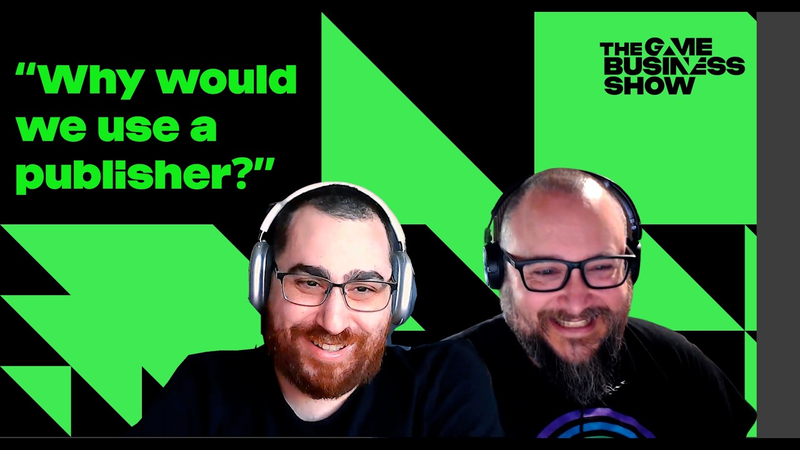
Interview: Edmund McMillen and Tyler Glaiel on the remarkable success of Mewgenics
Mewgenics, a tactical roguelike strategy game, achieved significant commercial success by selling one million copies within its first week of release.
- Mewgenics achieved significant commercial success by selling one million copies within its first week of release.
- Self-publishing allowed the developers to maintain complete creative control and avoid the misaligned incentives often associated with traditional corporate publishing structures.
- The project successfully evolved from a simple cat-breeding simulation into a complex, turn-based strategy title, sustaining high concurrent player counts post-launch.
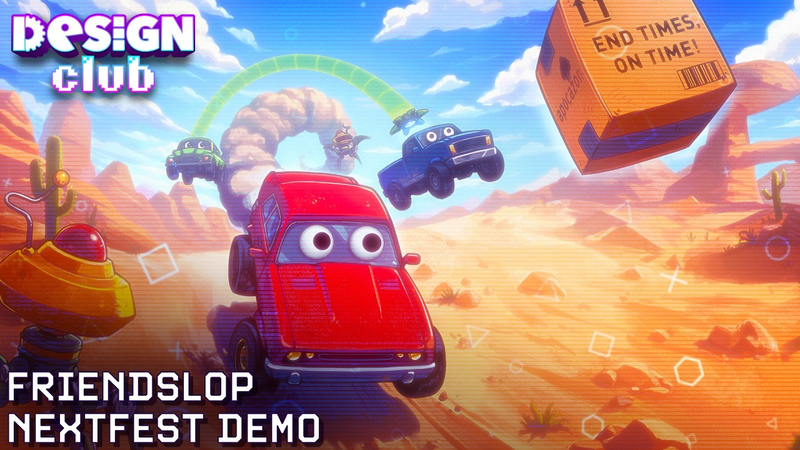
Making Friendslop Work | Design Club
Effective game design relies on a rigorous, iterative process that bridges the gap between developer intent and the unpredictable nature of player behavior.
- Developers should explicitly signal when a player has completed a collection task, as providing a clear 'done' state prevents frustration and allows players to mentally move on to new objectives.
- Streaming playtests provides developers with invaluable, unfiltered feedback, though it requires them to distinguish between intentional design choices and accidental bugs revealed by player behavior.
- Iterative development cycles, such as the one used by Codename Entertainment between January 29th and February 26th, allow for rapid implementation of features like loot drops from destroyed enemies, which significantly improves gameplay loops.
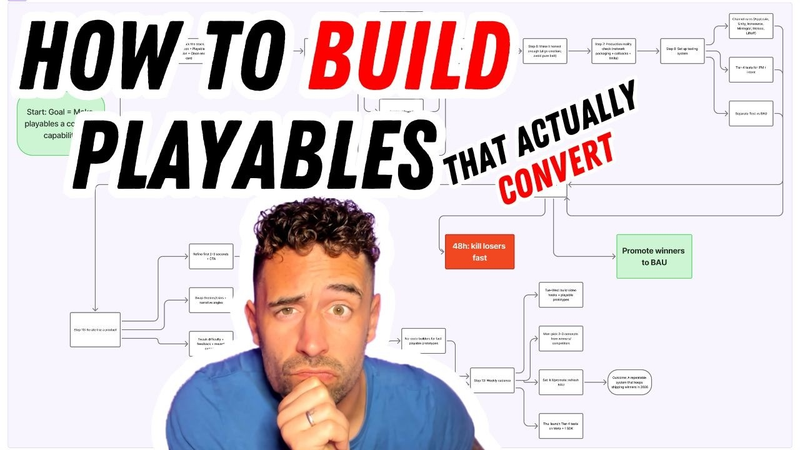
🎮 How to build playables that actually convert by Matej Lancaric
Playable advertisements have transitioned from supplementary marketing assets to a foundational requirement for scaling mobile games across major SDK networks such as AppLovin, Unity, and ironSource.
- Developers must maintain a production cadence of at least five distinct playable iterations per month to sustain competitive performance on networks like AppLovin, Unity, and ironSource.
- Playable ads must prioritize high-engagement mechanics that capture user attention for at least 60 seconds, even if these mechanics differ from the game's core loop.
- Technical constraints require playable assets to remain under 5 megabytes, necessitating the use of specialized compression and automated export tools.
Why AI Won't Save AAA Gaming?
The industry discourse surrounding the potential for artificial intelligence to revolutionize AAA gaming is currently dominated by a debate over whether the technology will drive massive efficiency gains or merely exacerbate existing structural problems.
- The industry's growth will not stem from making existing AAA models cheaper, but from developing AI-native platforms that compete for user time against short-form video and social media.
- Historical software development trends show that efficiency gains lead to increased product complexity and scope creep rather than cost reductions, as developers use new tools to build larger experiences.
- The argument that AI will democratize creation ignores that successful franchises rely on non-replicable assets like established intellectual property, athlete licensing, and deep network effects.
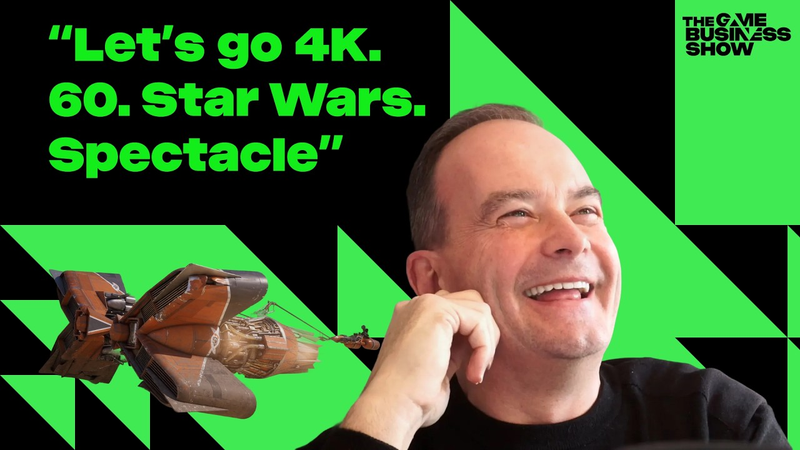
How come Fuse Games gets to make a Star Wars racing game?
Fuse Games, a UK-based independent studio founded three years ago by former leaders from EA’s Criterion Games, is currently developing Star Wars: Galactic Racer.
- Fuse Games, a 75-person independent studio founded by former Criterion Games leaders, is developing 'Star Wars: Galactic Racer' using Unreal Engine.
- The studio employs a distributed development model, partnering with other UK studios to scale capacity and avoid the industry's traditional cycle of project-based hiring and layoffs.
- The game aims to revitalize the racing genre by blending 4K 60fps visuals with 'racing adventure' elements that allow players to inhabit canonical Star Wars characters.
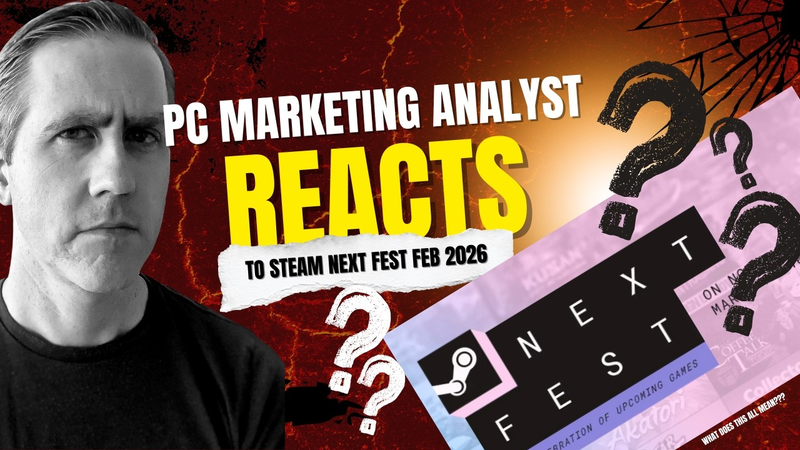
Next Fest First Impressions (February 2026)
Steam Next Fest serves as a critical barometer for the independent gaming landscape, functioning as a high-volume discovery engine that balances initial baseline visibility with algorithmic promotion.
- Steam Next Fest now features over 3,400 participating titles, highlighting a market shift toward smaller, highly focused gaming experiences.
- A reliable heuristic for festival performance is that a game's total wishlist count by the event's conclusion typically quintuples its day-one total.
- Market trends show that social-centric games—including co-op, multiplayer, and casual titles—consistently dominate trending charts.
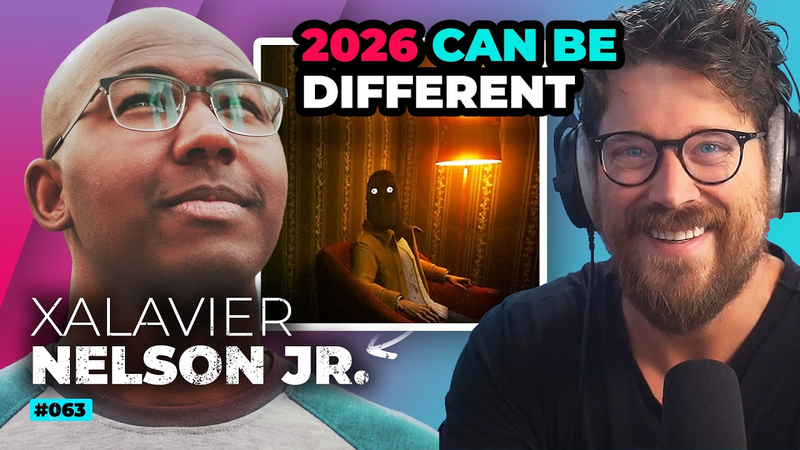
If You Want To Make Games, Listen To THIS First (Xalavier Nelson Jr.) — Full Time Game Dev Podcast
Sustainable success in the modern game industry requires a fundamental shift away from high-risk, singular project gambles toward a disciplined, process-oriented business model.
- Game development is inherently high-risk, functioning more like gambling than traditional construction because developers often lack a predictable process to ensure financial success.
- Experienced developers like Xalavier Nelson Jr. leverage their history—having shipped over 110 games—to identify invisible pitfalls and manage multiple projects simultaneously, a feat that is significantly more difficult for those with less shipping experience.
- Specializing in a specific genre or 'tonal territory'—such as atmospheric horror—is a valid brand strategy, but it requires a sufficient volume of released titles to establish that identity in the audience's mind.