1 free read left. Create a free account for unlimited reading + AI research.
Create free account
How To Get Screwed By A Game Publisher
Key insights
6 takeaways- 01Prioritize gross revenue deals over net revenue models to prevent publishers from eroding profits through vague overhead deductions and recoupment strategies.
- 02Mandate that the only allowable deductions from gross revenue are the standard platform fees charged by storefronts such as Steam, PlayStation, or Xbox.
- 03Retain full ownership of intellectual property and merchandise rights by granting publishers only a license to sell the game rather than selling the IP outright.
- 04Engage a specialized intellectual property lawyer to redline every contract, as legal protection is essential to maintaining creative control and fair compensation.
- 05Vet potential partners by confirming they have played the game and can articulate specific value propositions, avoiding publishers who rely on vague promises or mass-licensing strategies.
- 06View publishing agreements as long-term partnerships rather than simple transactions to ensure the publisher remains invested in the project's success.
Ask AI about this video
Transcript
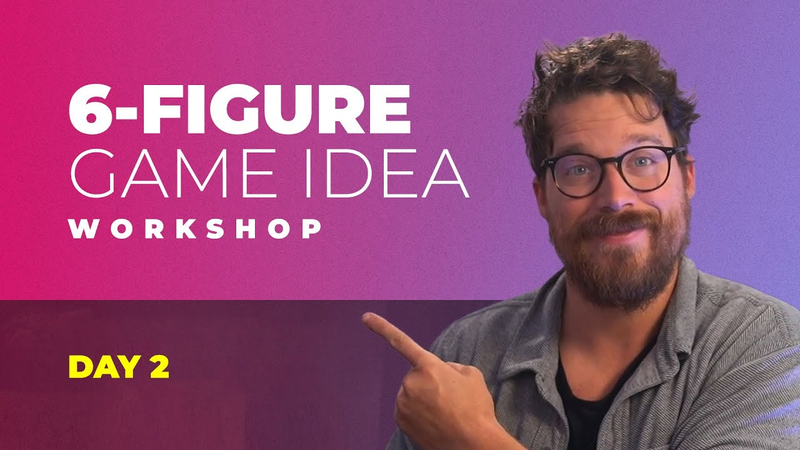
hey my name is Thomas brush I am the creator of a game called coma pinstripe and then I'm also working on another game called once upon a coma right now I just want to talk about my experience with working with publishers I want to tell you a little story starting back from when I was 18 years old and I got screwed over by a publisher now they would probably say I didn't get screwed over because I signed the deal and I'm responsible for my own signature which is true but at the same time I was 18 I signed away almost a hundred percent of an IP to a publisher I mean is that even publishing right I mean that's not even publishing that's just buying something outright and that's what happened so they they bought up a huge chunk of the revenue I think it was like 98 percent you know was I was given 2% but it was net and it wasn't gross which we can talk about that later but all that said I had a lawyer and you know they flashed cash
the the publisher flash cash in front of my face and I took the money I sold the rights and I was so excited because they were gonna release it on the Xbox arcade which you remember that you know that was like one of the first I could be wrong here but one of the first like indie game outlets other than Steam and I was so excited to have my game on xbox like that's like a childhood dream come true well you know I would call every two weeks I'd Skype the one of the directors there and say hang out you know house house coming along and they would say it's going great it's going really really good we've we've hired some illustrators and we're working with some outsource developers and it's coming along well you know I three months later I got a build they sent me a build and by the way the publishing agreement basically said Thomas you're not gonna be involved in this anymore we're just gonna get other developers to do this which is crazy right like I made the game so why would they
and why would I sign away the rights for someone else to make the game when I made the original game so it was stupid so they three months later I get an email and it's a build I play it it's so bad it's the worst thing that I've ever played in my entire life was that bad and I remember trying to like convince myself that oh this is a business you know an alpha build or you know this is you know they don't have a lot of time on their hands right now but it's gonna be good well you know they stoned wall me for month after month after month until I found out that they the company was essentially going under that there was some trouble with investors and blah blah blah they were gone basically so I had to buy back my rights and I bought those rights back for $3,000 and you know what believe it or not my dad helps me buy those back because we both realized how stupid I
was in signing that deal sorry my shoulder hurts so you know that was a really bad experience with publishers and Here I am telling you to work with publishers now hear me out you've got to be really really careful when working with publishers publishers can be a nightmare and if you're not know if you don't know what you're looking out for they can really screw you they can take in what do they say they can rip you a new one they can rip you a new butthole okay so you need to be really really careful with publishers so I want to I want to give you first I want to give you some things that you should look out for when you're signing publisher agreements and then I give you because I looked out for those things I'll give you how the experience turned out because I looked out for those things because I've worked with more publishers since and it's been a good good experience really really watch out for publishers
who want to take more than I mean I would say now I'm saying 30% but like if you're just starting out if they want to take 50% of your game I mean sure good luck making much money when you launch but it's not it's not robbery but it's it is a lot of of rev-share so the question is okay I'm giving 30% to 50% away now what is how is that actually calculated when I actually launch my game so let's make you let's say you're making a game called Billy's balls and Billy's balls as a game about a boy who has balls basketballs G's basketball so Billy's running around with these basketballs and he has to shoot him in two different you know hoops and you get points right you get published by a terrible publisher and because that game is a terrible idea so you get a terrible publisher and they say okay we want we want we want 50% gross 50% net of the revenue from Steam
well how is that calculated the way it's calculated in the term net usually what it's calculated as is you know first they take off steam what what steam get steam gets 30 to 35 percent depending on refunds and stuff steam takes that percentage okay and then what your wonderful publisher is and that sarcasm what your wonderful publisher is gonna do is they're gonna say hey you know what we had some expenses come through overhead costs and you say well what what are those costs and they say well we don't really it's it's hard for us to quantify them what they're really saying is we're not gonna tell you because we don't have to tell you because it wasn't in the contract so they're gonna throw in another 50 thousand dollars into recoupment so they get to recoup that money in addition to the money that gave
you which let's pretend they gave you twenty five thousand dollars in advance so they have to recoup you know whatever that I can't remember the two numbers like seventy five thousand bucks and that was not originally in the contract but they get to recoup $75,000 before you see your 50% of the revenue that's net so basically net means they can they can have overhead costs they can allocate any cost they want to your game so let's say they throw a party for Patricia the secretary in their studio they throw a party they get a really big cake you get some balloons they get a DJ and then they get a stripper that comes out of the cake well they can allocate that cost technically to your game so you'll never your game is gonna be paying for strippers is what I'm trying to say so the next what you really want to do is do gross okay gross revenue and make sure it's clearly defined in the
contract okay and this is a mistake that I signed away net net revenue in my first project so I understand like how dangerous this is but you want to do gross and make sure it's clearly defined the only cost that they should be they should be taking away from your game from your game sales is Steam what's team is taking or ps4 xbox playstation ps4 Xbox or switch they should be taking away the cost trimming off the cost of that 35 percent and then cut it right down the middle if you're doing the 50 percent kill so you see the dollar that was given to you let's say your game was a dollar the dollar that was given to you 35 cents goes to steam then you cut that remaining I should know this sixty-five cents goes to you or you cut that in half and then
you get that 50% of them that's what gross is and make sure that that is clearly defined now that's why you get a lawyer okay and that's what we're gonna talk about next get a freaking lawyer I'm not yelling at you I'm yelling at me get a freakin lawyer because even though you're gonna spend upwards of two to three thousand dollars getting this contract especially for your first contract cuz you don't know what the hell you're doing getting a lawyer to go through and scrub through and redline this contract is really important and it's gonna be expensive to you but it's really really important because you're gonna save so much money in the long run so yes go get a loan if you don't have two to three thousand dollars put it on your credit card I mean think about all the things you're putting on your credit card right now and if you're not congratulations good for you but if you're like me and you like I used to put so much crap on my credit card that stuff should not be in the credit card but legal fees do it
because it's gonna save you money in the long run get a lawyer so I would say go find an entertainment lawyer or an IP lawyer I would recommend an IP lawyer because they're gonna help you know exactly whether you're selling your IP or your licensing your IP really quickly just if you don't know you should not be selling your IP it's your game no one should be able to buy your IP from you unless they pay you handsomely what you're doing is you're licensing your IP licensing your game sales so they can sell the game and they can exploit that they cannot sell your merchandise they cannot sell t-shirts they cannot sell you they can only sell the game okay that's what you should sign but overall just stay away from selling your IP okay so I was really careful obviously with my necks that the
publishers that I've worked with for my next projects and worked with I'm actually working with two publishers right now armor games which they're great in certain Forge and they're great you want to look for publishers who obviously they prefer success everybody wants to be successful but find publishers who are doing well well enough with money and there they've got money coming in from other things and they just want to have fun in a way and and just make great games and believe it or not that actually exists I know that America and a lot of the Western world is capitalist society right and we want to make money but there are companies out there who are doing just fine I've worked with companies for the past three years who cared more about the quality of the game and the artistic value of the game over whether it's gonna be a commercial hit and I'm dead serious like after three years of working with public these publishers it is so true they care about the quality of the game
you need to find publishers like this and and there are red flags that you'll hear and that you'll see with people who are lying to you about whether they actually prefer quality over a commercial success some of the red flag flags include glittering generalities so if a publisher is like yeah we're gonna do this and we're gonna do that we're gonna have we're gonna make this much money and you could be a millionaire one day I've heard publishers say stuff like that to me they'd say you know we just signed this project and the developers a millionaire so you know it might be you it could be you to me that's complete blame you should not you should not be having that conversation you need be having a conversation that's like actually productive and tell me why you like my game and that's the next point if a publisher says we just love your game we think it's so great it fits into our portfolio it's it's exactly what we want if they say that say this why if they can't give you a
reason it's because they didn't play your game I had a conversation with I can't say who it is because I feel bad I had a conversation with one of a very significant publisher of indie games and I said to the CEO this wasn't a conversation after he offered me a deal I said to the CEO I said did you play my game he said no I didn't have time but he wants to buy the game obviously they'd like every single one to be successful but what they're really doing what a lot of publishers are doing especially the really really what's the word sinister that's a good word the sinister publishers they're buying up a ton of gay licensing rights and they're gonna hope that one is successful so if your game launches and it's not successful on launch there is a chance that they will sell you know doesn't doesn't seem to be like it's a good game so we're not gonna really worry about it
anymore so your game drops into the ocean of steam it doesn't float nobody tries to like help it float it just sinks to the bottom that happens with a lot of games who have publishers who who are looking for one game to be successful out of their portfolio of a bunch of crappy games so make sure that they tell you what they love about your game what they really love about your game and I was really lucky in the armor games they Jenner they genuinely look at games and play games and tell you why they love them and why it fits into their portfolio they had a ton of wonderful things to say about pinstripe and the same is true about serenity Forge they gave me a ton of information about how important my games were to their team and gave me very specific reasons why and that obviously I mean that that strokes your ego and that's part of it
and that's totally ok that's what business is but also it's them understanding what your game actually is because you understand what your game is right obviously you made it if a publisher doesn't why would you sign an agreement with them it's very much like a marriage you would not marry somebody who wants your money right you want to marry someone who wants you and what you have to offer creatively and so with a publisher look at them as if they're a spouse and say do you want me and what I have to offer do you want to even here's a good question do you want me long term because I've got a lot of ideas and a lot of projects to offer or do you want this one project and do you want to squat on it and hope it's successful if it's not you're gonna let it sink wait for them to give you specifics so to close out our story here after I sort of avoided all of these pitfalls I I worked with serenity Forge and also Armour gains the relationships have been wonderful and it's because I was willing to to to
take on the cost of hiring a lawyer and I was willing to have long Skype conversations with both publishers you grow in friendship with publishers and I value the friendships that I have with my publishers now if a publisher is often quiet and you're emailing them and they're not emailing you back and they're taking their time and they're dragging their feet it's not because they're missing your emails like I used to believe that it's not because they're missing your emails or you know they cuz they'll tell you that right you'll you'll finally will call them up you say and they'll say I'm so sorry I've been so busy I've been missing your calls no they have it no they're have it at ghosting you because you game launched and they it didn't work for them in the in that first month so they're just gonna fire sale it a 70% off and then be done with it so anyway
I'm a little I'm touchy about this stuff because I hate seeing beautiful wonderful games get completely obliterated by a machine that doesn't respect art and I know that that's kind of pretentious sounding but um I'm lucky in that these past three years have been really great for me and publisher again my name is Thomas brush I've been making games for almost a decade Pinstripe and also a game club once upon a coma take a look at the links in the description if you're interested in supporting my studio or playing my games you guys Rock hit subscribe hit the bell hit subscribe hit the bell hit subscribe hit the bell hit subscribe hit the bell hit subscribe hit the bell hit subscribe hit the bell hit subscribe hit the bell hit subscribe hit the Bell and then leave a comment you know hopefully I'll answer the comments thanks so much for you and for this world bye okay I've got a couple really quick tidbits of information about what you want to look for in a contract you really want to make sure that there is a clearly defined right
Summary
Navigating game publishing agreements requires extreme caution to avoid predatory practices that can strip developers of their intellectual property and revenue. The primary thesis is that developers must treat publishing deals as long-term partnerships rather than simple transactions, prioritizing legal protection and clear contract definitions to ensure fair compensation and creative control. A common pitfall for inexperienced developers is signing away intellectual property rights or agreeing to net revenue splits, which allow publishers to obscure profits through arbitrary overhead costs and recoupment strategies.
Key findings emphasize that net revenue models are inherently risky because they permit publishers to deduct vague expenses—such as internal overhead or non-essential marketing costs—before paying the developer. To mitigate this, developers should insist on gross revenue definitions, where the only deductions are the platform fees charged by storefronts like Steam, PlayStation, or Xbox. Furthermore, developers should never sell their intellectual property outright; instead, they should license the game sales only, retaining ownership of the brand and future merchandise rights.
Methodologically, these insights are derived from personal industry experience, including a formative negative encounter where a publisher acquired full rights and failed to deliver, followed by successful subsequent partnerships with established entities like Armor Games and Serenity Forge. Essential due diligence includes hiring an intellectual property lawyer to redline contracts, regardless of the cost, and vetting potential partners by ensuring they have actually played the game and can articulate specific reasons for their interest. Publishers who rely on vague promises of wealth or fail to demonstrate a genuine understanding of the game’s value are identified as significant red flags, often indicating a strategy of mass-licensing titles in hopes of a single commercial hit while neglecting underperforming projects.











Comments