1 free read left. Create a free account for unlimited reading + AI research.
Create free account
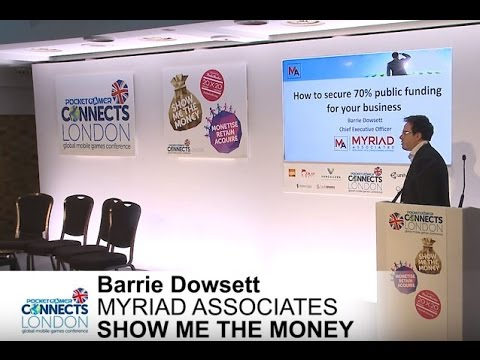
Show me the public money – Tax breaks and grants
Key insights
7 takeaways- 01UK game developers can claim 20% of qualifying development costs back through the Video Games Tax Relief (VGTR), which remains accessible even for unreleased titles.
- 02Engaging accountants with specific VGTR expertise is critical, as general R&D tax credit experience is often insufficient and can cause significant processing delays.
- 03Because VGTR is paid in arrears, developers frequently utilize bridging loans against their claims to maintain operational cash flow.
- 04The Seed Enterprise Investment Scheme (SEIS) and Enterprise Investment Scheme (EIS) provide tax incentives to investors that lower risk and increase the attractiveness of game startups.
- 05Securing advance assurance from HMRC for SEIS and EIS eligibility is recommended to signal professional readiness and streamline the fundraising process.
- 06While the UK Games Fund supports prototype development without requiring match-funding, other grants from organizations like Innovate UK or Creative England typically demand significant matching capital.
- 07Public funding should be treated as a strategic tool to fill specific business gaps rather than a primary business model, requiring a long-term approach to leveraging multiple financial sources.
Ask AI about this video
Transcript
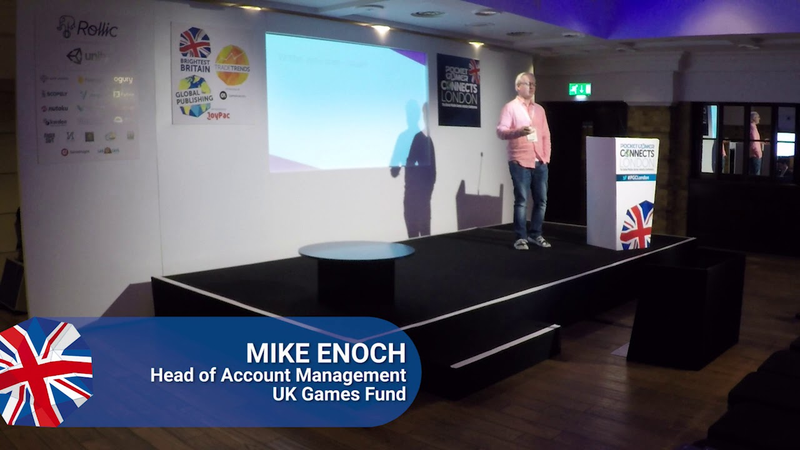
[Music] [Music] I'm gonna talk to you about thrilling topic of tax breaks and grants so I'm gonna cover V GTR vgt loans SC is e is and grants all in 15 minutes so it's gonna be very much a kind of 101 so if anyone wants to talk in more detail later just grab me just a bit of background about me I'm a developer originally a programmer I've been running my own studios for the last ten years but in the last three or four years I've also been consulting a lot with funds and with developers primarily around access to finance and and one of my roles is providing loans against tax relief so I spent quite a lot of time in this area and I've seen quite a lot of
claims say so hopings I mean how many people here have claimed it or are claiming videos here that it anyone who's a developer okay and you guys haven't claimed it yet okay right okay so and just a bit of basics about what it is then the only things they're excluded are games of advertisers information in gambling at least 25% if your costs must be incurred within Europe essentially and very importantly the claim must be made by the company responsible for the design development of testing of the game and obviously it has to be companies that are subject to UK corporation tax so what you get you get 20% of qualifying costs is actually calculated as 25% of 80% but some effects of these keep it simple its 20% it's either paid against losses which is what most developers do or it can be offset against your taxes subcontractor
costs are fine so some companies you know who are using subcontractors that's not a problem but there is a limit of a million pounds you can claim against that's you can claim before the game is released in fact you still get the money if the game isn't released as long as you've actually spent the money on developing it be sure to have the intent of releasing it and and obviously you can carry on claiming after the game is released if as ongoing development so just kind of the way it works you go to the BFI website you complete the cultural test initially when the tax relief came out there was quite a lot of worry about the cultural test I think simply because it's called a cultural test but actually it's pretty difficult to fail that I'm sure there are cases that have but when I asked the BFI they said they didn't know of any that had failed and it would be extremely difficult to do so so you're basically gonna pass if you're a UK company you can then apply for a letter of comfort I've never seen anyone do this but the basis is there to enable you to use that
to make investors more comfortable that you're going to be able to claim once you've actually spent some money and you can then apply for interim certificates makes any a game and make a claim you can make claims as often as you want there's no minimum or maximum amount to claim you could claim it every week if you wanted to but the reality is there's a cost attached with claiming most people tend to claim with their end of year accounts because your accountant can do all as one and then the cost is pretty much lowered I know some companies I've seen who have claiming quarterly simply because it helps with cash flow but you know I think you've got to be claiming enough to make that worthwhile because it's going to cost you a couple of grand for your accountant to actually sort it out so most efficient ways to do once a year making a claim itself is pretty simple and go straight from our see your accountant should do it and the thing I would say is I've seen a lot of these and I can tell you this is I can't stress this enough use an accountant who has done a VG char claim before do not
particularly do not listen if accountants say oh I've done an R&D claim that's the same thing it is not it is very different I've seen a lot of problems come up with this and what tends to happen is that they don't submit the right information it gets held up for months and the developer doesn't get their money for a long time so it's worth finding somebody's specialist your normal accounts to still do your any of your accounts find someone else to do the B duty are you keep doing these claims whilst you make the game there's this idea of a final certificate which is what you're supposed to do when the game is complete but this was taken from the film model and I'm not sure how many games are ever complete these days so I know plenty of projects where they've never actually claimed a final certificate because they're still ongoing development so I haven't ever quite got clarity from the BFI about what the lines are on this but the definitions do say that you can continue using interim TIF occurs as long as you're still developing so it's a bit of a gray area and the problem is if you apply for a final certificate and then want to claim against further
ongoing costs you've got to go back through the whole process go to the BFI get a new cultural stiff Girt bla bla bla say you want to avoid doing that until you really have to you and some people don't do it all not sure how the HMRC feel about of it mhm so tax relief loans so the idea here is because this is money claim back in arrears it doesn't really help with cash flow so this has been happening in the film industry for a long time and it's become more popular in our industry now so basically you can get a loan in advance against the tax relief that you're going to claim it can be given before you spend any money but you do have to have the financing in place because it's essentially a bridging loan so it's fairly no risk and that's generally because I run one of these loan funds that's generally the problem that we come up against developers come to us thinking that we can provide the money before they've got any of the finance and now though as in film this is often the loans are often used as parts of a funding round so either the developer will use the vgr as
collateral for an investor so if an investor is giving you five hundred grands you can say to them well I can guarantee a hundred grand of that back once I make my claim or you get the money you get a loan in principle in advance and then say to develop to the investor well I need five hundred grand but actually I've already got a hundred grand of it I only need four hundred from you and quite a lot of developers now have worked this out and are actually writing that into their normal processes and some of the funds are taro headgear and there's a few others as well that do this now it's not the cheapest money because it's a bridging loan but it can be really good to help the cash flow and so is everyone know what FC is Andy is is anyone not now okay so this is a government incentives so seed Enterprise Investment Scheme and enterprise investment scheme so this is essentially tax free for investors so from a developer point of view you're not going to get anything but what you are going to get is investors who are more likely to give you money and it
really has encouraged significant investments into startups and small companies over the last few years well quite a while now that has been running and it you know particularly for the games industry which is a very high-risk area we've seen a lot more investment into startups because of this scheme so essentially you can claim se is if you're up to two years old you have to be trading for four months and you can take through the scheme you can take a maximum of one hundred and fifty thousand pounds investment you can take more but you can only claim the tax benefits of that and you have to have fewer than 25 employees the important bit is that for an investor they can offset 50 percent of their investment again against income tax and any money they make is exempt from castle get capital gains all of that applies even if you lose their money so they aren't actually risking a lot less than they're giving you which is why it's become a very popular way for people to invest see is is the same but with slightly
less incentives because it's smaller amounts bigger amounts of money so they can invest a huge amount more but rather than 50% they'll get 30% and most companies what they do is they you know use si is for the first bit then use e is for the next bit you can get an advanced assurance from HMRC to confirm that you will be eligible for it if you are looking to raise funding from private investors it may well be worth just getting the advance assurance it's pretty easy to do and it just means that when you're talking to investor you can say yeah we can claim se is yeah we can claim it is and it will help them it'll make their lives easier I would say that if you are going to go down this route it's really good I've done it several times myself but and there are quite a lot of requirements and restrictions you need to be very careful there are certain things in how the investor gives you the money you've got to be very careful with they're all pretty reasonable in my opinion but you know how they get their money back what types of shares of there are restrictions so you need to be careful you need to get your
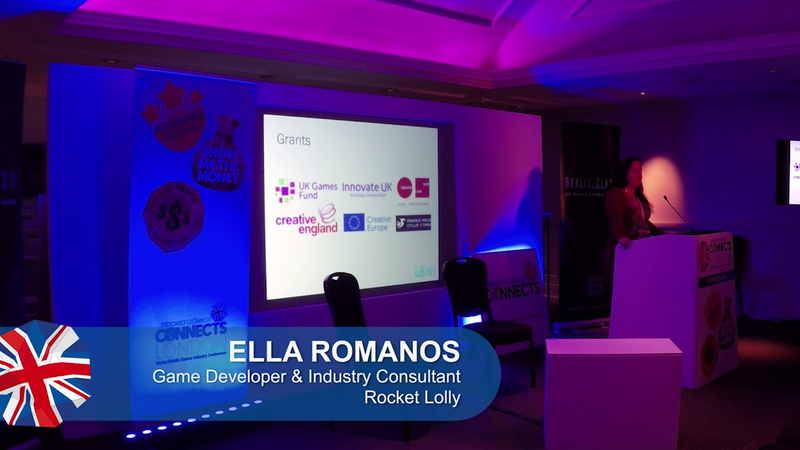
shareholders agreement right otherwise you could go to make the claim and they can't get the money and it you know it's one of those things it's pretty good but you probably want somebody who knows what they're doing to help you with the shareholders agreement to make sure it's in place and you can then submit your shareholders agreement to HMRC in advance do another advance approval and actually get them to approve the shareholders agreement at that point which is probably worth doing just the peace of mind if nothing else so different grants so there's there's quite a lot of public money pot with public pots of money out there the amounts of money they each have available varies in terms of the overall pot and in terms of how much they'll give per project and but there's never enough support and developers always want more which is understandable in particular because there's not actually that many funds that fund content so there's quite a lot of grants of varying sizes that available for well has been
in the past for training for export for Technology Development for innovation but actually the number that's available for content is pretty limited and that's what most developers want you know organizations like Yuki are constantly pushing the government for more in the recent budget there was a small amount more given to the UK Games fund but it's a constant struggle in particular particularly at the moment with the way the government's approaching things there isn't really much money going round in fact the answer seems to be well if we give you money we have to take it from somewhere else you know so what is out there so the UK games fund is probably the most popular the reason for that is that it's small grants but the important thing is for prototypes there's not many funds out there that will fund a project when there isn't something to already see so they will give you it's only 25 grand but they will give you that money from day one for a prototype and importantly and again very unusually it's not match funded so most funds even content ones require you know they'll give you 25
grand you have to find another 25 grand elsewhere and often you have to do that in advance the UK games fund does not require that which why so popular and oversubscribed so it's a great they tend to open the rounds of I think once or twice a year it's really good but the amount of applications they get to the amount of grants they can give is insane they're constantly pushing for more money they have got a bit more as I said but it's very competitive and why I'd like to see is the same sort of thing but bigger amounts of money and more of it and creative England is the other one that people talk about a lot creative England has various different funds at the moment they've got one called green shoots they have various same things they can either be grants or loans depending on the type of funding they have open at the time but I've never seen one that isn't match funded so you know you've got to provide at least 50% of the match when you go for the grant for the grant or the loan which you know can be really tough and they do have a
lot of restrictions on them so I'm not sure if it's still the case now but certainly until a couple of years ago for every seven or eight grand they gave you they expected you to promise one new employee which is pretty tough now how much they vet that I don't know but you know it's pretty tough restrictions whereas the UK games fund doesn't tend to have those kind of things and then you've got other grants for content so you've got creative Europe which is quite an interesting one it specifically provides grants for narrative based games slightly more money generally but it only opens occasionally and they're their requirements for who can apply a pretty stringent but they did fund for example the Chinese room so they have done some good projects and then if we look outside of content you've got technology funding so in particular innovate UK and horizon 2020 so horizon 2020 is a creative Europe stuff so that's you innovate UK is within the UK
essentially these will fund projects that are technical innovations so games companies do get funding through this but you've got a you can't be making a game you've got to be doing something that is innovative within the space so making a new games engine making something that and it's going to be something that can be beneficial to the industry and not just to you so it's something you can use but you've got to have the intent to then provide it to the rest industry so I've seen people get innovate UK funding for unity plugins that do something clever an algorithm or some of that that other people can then use horizon 2020 is kind of if you've gone through innovate UK the potentially applied to that it's much bigger amounts of money in the millions it's pretty tough the application prokhor process is if I say arduous that would be an understatement I've never seen anything like it it's like all the nightmares that people think about grant funding in one application form and it takes about eight months to get your money if you do get it but it is large amounts of money so you know if you're at that stage it's
worth it but you've got to really be pretty advanced you've got to have something that's going to scale a lot and it's got to be technically innovative so again there are a few games companies that have had it be tend to be talking the larger companies and more established ones and then you've got regional funds so I think these are going to play more and more of an important role and you know I think the way the government at the moment is approaching all this stuff is to really try and give things to local areas rather than to kind of you know provide something that caters for the whole industry across the UK so what we're going to see more and more of and this is what you know you he's been doing is tried to find pots of money in each local area that can then be used in ways to help our industry so and Yuki's done other thing up at them at the moment around Warwick if you're in that area there's funding available honey you know it's a bit more complicated because you go to pull bits from here and there but you know hopefully organizations that you he can help us to do that but my feeling is that particularly I mean
Wales Scotland Yorkshire in the Northeast at the moment have got various pots that are good for games industry and the Southwest did for quite a while it's not as good now but it tends to come and go as it does but I would say that you know if you're outside of the Greater London area there's probably some funding available from your local areas unfortunately if you're in Greater London there tends to be less because you don't come under the criteria for the EU funding and and then the final one I'd like to mention is di T which is previously UK TI these are the guys responsible export so these they give very small amounts of money but they will you can get funding for things like going to GDC and if you're a small company or a start-up can make a lot of difference so you know I've got a grant of a thousand pounds this year to go to GDC which covers you know most of my travel and accommodation and you know when those things start to add up it really makes a difference they can also I've never used it but I think they can also fund things like web
development if you're making the web website your website with different languages and things like that so there's quite a lot that they can do that said it's small amounts of money but it can really add up and can really help so I think you know in general you know you're not going to go and get one pot of money whether it's private or public to fund your game all your company you know it's a journey and you're going to be grabbing different bits of money from different places some of them may seem very small but you know if you can get a grant to go to GDC which then helps you get a publisher who can then help you fund something else that's the way this works it's an ongoing thing and if anything I think the way that all this is going that's just going to become more and more the case so it can feel like a minefield and there is you know so many options that you could probably have a full-time job just trying to work it all out but you know hopefully talks like this will help and just networking getting to know what's out there is really important so just some tips how many
have time ok and vgt art is a no-brainer if you're not doing it you should be there's just no other way about it there is no lower limit you can be making a game for 10,000 pounds you could still claim it and you may as well and if you're trying on trying to raise private investment or you're considering it consider getting your advance assurance from HMRC 4se is any is it's one form takes about six weeks I think for them to reply it's pretty straightforward and frankly if an investor turns around to you and says or have you got it as much easy to just feel safe yes and also you look like you know what you're talking about which is gonna help and you could spend your whole life applying for grants literally and so be careful and my advice would be don't try and crowbar a project into a grant only go for a grant if you really know that it's a fit because frankly they're gonna know that you're trying to kind of get in around the back door and it's not going to work so really be careful what you apply for and don't don't start
doing them as safest artists rely on grants grants are there and public funding is there to fill gaps that private funding won't so you know use it where it's appropriate but don't make the mistake of kind of relying on them and go from one part of money to the other for a few years because it's just not a sustainable way to run a business and you've got to understand why these funds exist they exist to grow the UK economy and create jobs right they're not there to fund your game that's might be what they're doing but they're doing it to grow the economy and create jobs so when you get frustrated about why they're asking silly questions or whether custody restrictions try and think about what it is that these people need to achieve of what boxes they've got a tick because that will help you understand it and help you to be successful with the funding and then yeah funding is a journey you need to understand the landscape and it's an ongoing thing you're never going to know everything but you need to work out what's going to work for you at what time and try this - The Hobbit try not to do something get some funding at the
beginning that's gonna stop you getting some other funding later that's very difficult to do but trying to understand understand the landscape will help and so we a few months ago released a financier database so it's a directory of all of the finances that we're aware of the irrelevance UK companies and we're constantly updating it I'm constantly finding new ones and if you go on to that URL there you can search by type of funder so probably public money VC's angels publishers and so on so hopefully that will help you to make a start that's it are there any questions nope cool thank you very much [Applause] [Music]
[Music]
Summary
Accessing public funding and tax incentives is a critical component of financial strategy for UK-based game developers. The primary mechanism for tax relief is the Video Games Tax Relief (VGTR), which allows companies to claim 20% of qualifying development costs. This relief is available even if a game is not yet released, provided the company intends to complete it. Because VGTR is paid in arrears, developers often utilize bridging loans against these claims to manage cash flow. It is essential to engage accountants with specific expertise in VGTR, as general R&D tax credit experience is insufficient and can lead to significant processing delays.
For private investment, the Seed Enterprise Investment Scheme (SEIS) and Enterprise Investment Scheme (EIS) serve as vital incentives. These programs offer substantial tax benefits to investors, effectively lowering their risk and making startups more attractive. Securing advance assurance from HMRC regarding eligibility for these schemes is highly recommended, as it signals professional readiness to potential investors and simplifies the fundraising process.
Grant funding represents a secondary, though highly competitive, layer of the financial landscape. While the UK Games Fund is a popular source for prototype development due to its lack of match-funding requirements, other grants—such as those from Creative England or Innovate UK—often require significant matching capital or focus on specific technical innovations. Developers should avoid "crowbarring" projects into grant criteria; instead, they should view public funding as a tool to fill specific gaps in a broader, sustainable business model. Ultimately, navigating this landscape requires a strategic, long-term approach, as funding is rarely a single event but rather a continuous journey of leveraging various public and private sources to support growth and job creation.