1 free read left. Create a free account for unlimited reading + AI research.
Create free account
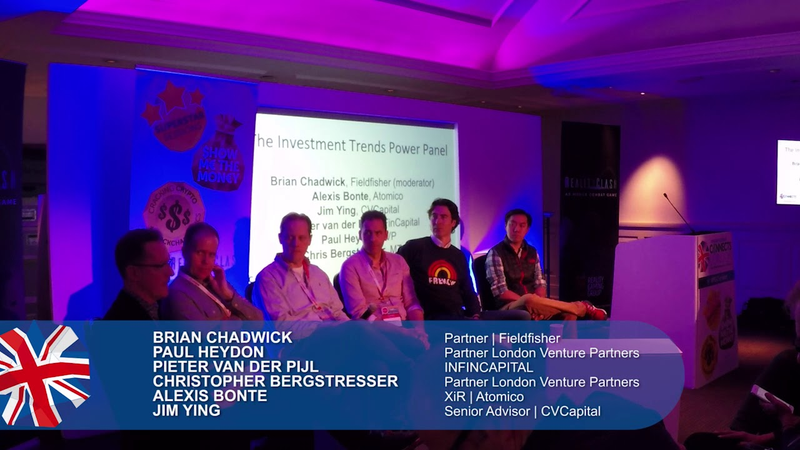
Panel: The investment trends power panel
Key insights
6 takeaways- 01Geopolitical tensions and increased scrutiny from the Committee on Foreign Investment in the United States are forcing a shift away from aggressive, arbitrage-driven M&A toward deliberate, strategic investments by established industry players.
- 02European markets have become primary hubs for talent acquisition and asset consolidation due to attractive valuations and sustained liquidity as Chinese investment activity faces heightened regulatory barriers.
- 03A growing trend involves spinning out game-derived technologies, such as machine learning and AI, to solve industrial and commercial challenges outside of traditional entertainment.
- 04Capital is increasingly flowing toward multi-channel networks and audience-building platforms, as investors recognize that eSports and platform success are driven by organic community adoption rather than top-down corporate mandates.
- 05Investors are prioritizing founders with deep technical expertise in vertical stacks, specifically those capable of developing proprietary engines, distribution systems, and 3D processing capabilities.
- 06While AR and VR offer high-reward potential, their current utility is limited to convenience-based applications, and developers are advised to hedge against the volatility of platform-dependent ecosystems controlled by major tech firms.
Ask AI about this video
Transcript
[Music] [Music] well great everybody thanks for this is a this is fantastic and in fact um it's it's scandalous that this group together only has 40 minutes we should have 3-4 hours together this there's an abyss is a very powerful group and we're gonna we've been asked to explore investment trends and where do you even start with that I mean I came up with eight different trends but I'm sure there are hundreds but before we get into that very quickly we'll just start talk about who everybody is go start with Jim on the end so Jim is a director and a head of of CVC Capital and Jim is heading up the investments in the kind of mobile and gaming practice for that company and
primarily he's connecting companies games mobile tech ecosystems looking for investment M&A with companies in Asia and the Far East China and Korea principally Jim's been doing a loads of his a like all the guys here on the panel Jim's pedigree is fantastic coming from from gree and Microsoft and real networks and Xbox and all kinds of great companies along the way so real real solid I'm sitting next to Paul at the moment and Paul's been a longtime investor in the game sector currently General Partner London venture London Venture Partners which is a terrific sort of VC fund has been supporting indie games in supporting early stage seed investing for a long long time Paul also made some some very early investments in two companies you may not have heard of supercell and unity which did well and and lots of other great companies also that are doing equally well jumping around in the middle Christopher bergstresser so Chris in the red shirt they're industry veteran he's been with wonderful companies like Atari
and Konami and Sega and even even might win a my alma mater his mini clip now Chris is with MTG where he's leading an investment strategy and games and tech and eSports and all kinds of great stuff coming from coming from Sweden we've got Peter just here so Peter is a partner at infant capital again wonderful pedigree lots of history and games it's a london-based principal investment focusing on could debt financing and also companies in the games and tech sector and that's we're gonna we're gonna push Peter bit later on on what tech sector means about where we're bleeding away from games and looking at companies and now I guess industries and a little bit further along the way alexis ponte alexis CEO of eve republic recent a wonderful games company headquartered in dublin lots of studio in romania excellent collaboration recently was still front but also prior to that he was working on all kinds of wonderful stuff on non
exact with zonga co-founder of entrepreneur networks and does a little bit with with the Tomiko as well and i think alexis you have something there might be an update with atomic code today just as you know atomic Ospina a games investor among other things quite strongly we we came in a little later than you guys into into supercell and we're also investors in in row and one of the things that we found is were we've raised the 765 million dollars fund in january and we're going to deploy a significant part of that into into the games industry mainly in europe and if just announced today that i'm gonna be the venture partner responsible for that so fantastic news well done graduations fantastic and with that now as we're as we're as ipping through so i thought when i look at the different trends to focus on with this panel where everyone comes from different place i thought the first trend i'd like to explore is geography i'm gonna pick on jim first with his fund focused really
primarily on connecting different geographies so you know we know sitting in this room you know in the western world that there's been I like to call it convulsions or tremors or something and in our kind of Western geopolitical scene the last few years wondering whether you know comp some commentators reports you read say that things like mobile games and digital technology because somehow float above that because as truly global industries or at least aspirationally global industries so Jim as an investor do you see a change in location of where the targets are located do you see a change in location positively meaning investors working towards an area that seems to have growth or I changed negatively investors leaving an area where they think there's negative things happening it's a brexit or USA elections these things okay see ya it's a testament I think you touch my great point that gaming is one of the sectors where there is global appeal for a lot of the contents on like things like e-commerce a lot of other sectors
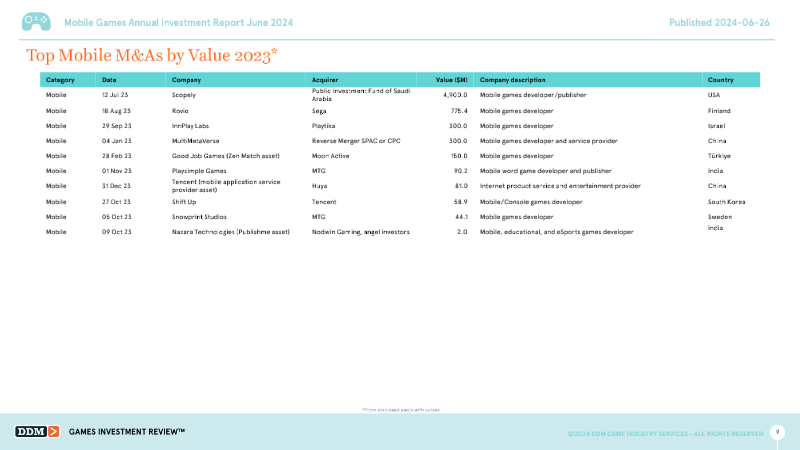
where the differentiation between what's going on in the West and Asia is very clear you're not gonna have companies or if the cross borders that effectively whereas game content at the end the day but it is very fun of it is very appealing there will be a market for it in both the east and the west so I think that's a great thing on the consumer side there's it does cross borders on the investment side and M&A side I think you definitely do see this come in waves so last couple of years you saw with gree and DNA they made a lot of acquisitions overseas and then pushed aggressively outside of Asia that's died down a little bit two years ago starting you saw a lot of Chinese companies get aggressive in terms of their investments and acquisitions there are a lot of reasons for that some of them are still there recently you've seen a lot of Korean companies starting to make deals overseas so I think you know certainly with breaks it and the Trump administration there have been some impacts on these deals so us Cepheus
which is the US government body which needs to approve a lot of the transactions across borders they have been more restrictive in terms of deals overseas particularly with China so we've seen deals either slow down or killed because of perceived difficulties or in our case so sleepy capital actually worked on the app 11 deal that deal had to be transitioned over to minority equity ways and some debt as opposed to an outright sale because of some serious concerns and so there are ways that these deals have been restructured may be going through Hong Kong but definitely there is geopolitical impact to what's going on and maybe Alexis with it with the newt with the new fun from atomic oh do do some of the parameters of that fund direct you to look at one region only or are you free to look is the world open to you yeah so I think I think to registered and also build on what you
said I think this actually it's actually quite a good opportunity for a European companies and the European game companies and in the previous session Sean was explaining how this we've got in our European companies are starting to acquire and all that because you know the Chinese requires they've everybody was talking about the Chinese requires but they have a really really hard time acquiring companies outside of China for the reasons you were describing so you're seeing that you know companies like still from the acquired I call my company Republic labs you know it's kind of like you know we we didn't really have there was a it was a competitive process but there was no Chinese player in the competitive process which is which is interesting so that gives you a certain angle in terms of atomic oh what we are doing is we've said that we're going to focus about 80% of our investments in Europe and because we think that great companies can come from any anywhere will will do 20% also in other countries could be us could be even Latin America and all that but I think the important thing is when we say Europe we don't mean London when we say
Europe we mean in women Europe you know we mean there's great companies in Paris there's great companies in Spain there's great companies in Portugal this great companies nice turn Europe and great talent there so I think there's a really great opportunity right now in the games sector in Europe the valuations are lower there's very high liquidity I think it's a really good trend right now and the last question on geography thanks us is the only panel member who has geography in its title is London Venture Partners appalled you I'm wondering whether blended venture partners itself is is really playing on the word London or are you also looking further to meet companies to invest we're not looking at it terms of focusing our investments it was just the team was based here and that's what we just decided coma we've been investing across Europe and the US we've been and so we've restricted ourselves to just Europe in
the u.s. just because it's it's easier to get there and easier to to do business we understand it I think if you want to be investing in Asia you have to have people on the ground and understand the culture there and in fact three the it's a three you know I backed the last five deals investments that we've made have been in the u.s. so we're driven by opportunity as long as it's sort of within Europe in the US you know the team the idea the strategy etc thank you another trend I'm seeing I'm gonna sort of gonna pick on Peter for a moment is this idea of connected sectors so as a legal adviser I'm seeing that in the fashion industry in the arts and sort of arts and media industries gain terminology that all of us would find a second nature things like user acquisition you player engagement play over the retention all these kinds of
things are now moving as a mindset into new industries I know that your fund does a bit of investing in what I might call connected industries to games is that a trend you're saying are you seeing opportunities in games thinking in other industries I mean yeah one thing that we are seeing and what we expect to do be doing more is if you look at the games industry if you look at game developers in particular and what we have found is that there are some industries or sectors and I'm sort of thinking industrial and commercial I'm where people are currently working on solutions which are working quite well are quite advanced but large corporates are looking at well what is sort of next I'm so we see a lot of activity in like object recognition a lot of it is machine learning based and it's more and more so like processing
imagery and processing different kind of input feats not necessarily like cameras but it could be low orbit satellite or lidar for example I'm and we're sort of expecting that the demands for that kind of capabilities will be moving more from like 2d base to 3d base hmm and that's an area where we've been looking at quite closely and doing select the first investments and because the games industry has been working with 3d for ages they've been working with artificial intelligence for ages and machine learning I am so that they're quite accustomed to that and also the mentality of developing new technology is much more iterative it's much more it's faster I'm we're seeing smaller teams doing quite incredible things and sometimes that just off like is stuck in a games company and so what we like to do and what we're doing at the moment is
spinning some of that technology out and so quite separating that from the games business and apply that on more like commercial and industrial scale and you get some really astonishing results and I expect to see more of that it's it really requires a bit more than by the forward-thinking because if you're going into like 3d imagery machine learning I mean we're thinking they are mixed reality hololens it will be a few years out but the holy grail for a lot of larger corporates is real-time 3d processing of imagery and all kinds of sensor so yes there there's a bit more convergence noggin and for us it means we look more like the technical capabilities at some point yes it's coming out of the games industry but it's it's no longer so about again so yes this that's a trend that we as you
and thanks Peter and returning to Christopher and thinking about the sir MTG and wondering as a transition is is something like eSports or a company with MTG sort of firepower do you see that eSports is a complementary to games industry or is it is it a part of the games industry or if you're if you're backing companies that are that are looking to push that platform how do you guys see that as fitting in it's a little bit funny because we're seeing this trend where a lot of companies are coming to us now with the game investments going on it when you've got the greatest eSports game you'll ever see and the thing is with these sports is that yeah great game could eventually become an eSport but who determines the eSport is the community the audience the people that these small little groups of people you find all over Europe and US and throughout Asia where they have
little land parties they have competitive gaming nights and things like this and then it kind of grows from there and in the end whatever game they love if it grows big enough then eventually you'll have teams and leagues that'll get behind it then it becomes an eSport so for us it's not that we invest in companies who are going to create eSports it's not our focus we're trying to focus in great teams and great product and if it does become an eSport in the end that's great we own ESL but also on the back of that for us it's also about audience so beyond the games investments and the eSports investments that we're making we're also investing in multi-channel networks because you know it's it's the people that view it it's the people that make the sport and so on we acquire zoom in TV we acquire display we have a huge YouTube network
and and between the game companies and eSports we try and sort of filter that ecosystem between all our portfolio companies because as yes we're an investor but we're also a media company as well and we thrive off of IP and and audience so eSports it is intrinsically attached to the games industry because as the games that sort of drive the PISA similar pappy perhaps yeah but I wouldn't say it's investment that we're going oh yeah but it's it it has to be any sport game what a trend that I've been sort of seeing over time I wanted to sort of back to sort of Jim and Alexis again we're about competition about whether you know I remember this is years ago we were doing an investment round and was meeting with a chap from coca-cola and the Chapman coca-cola was saying you know Brian don't kid yourself we at coca-cola and other big sore large consumer products companies are looking across at the games industry and we see
people making enormous amounts of money doing lots of marketing that we think we're very good at so in a few years we're coming we're gonna come we're gonna become investors we're going to come this is this one particular guys prediction don't know where that's held true but it got me to thinking about in Reverse where companies like $0.10 are buying banking companies and buying automotive sort of making asset acquisitions out of BMW just wondering you know Jim do you ever sit across a bidding process and see a kind of a non gain competitor do you see companies looking to try to go after assets that you guys CVC maybe interested as well and having to fight them off so I think you know year and a half two years ago you definitely saw this so with aggressive acquisitions out of China there are two main drivers one was the financial component of it this is what drove a lot of this where because the public markets were so bubbly in China a lot of these companies were valued at 70 80 90 times their profits whereas overseas they could acquire will stay profitable gaming companies at 10-15 times and so essentially they can make
these acquisitions fold the financials into the parent company and their stock price would see a large bump that was one part of what was driving a lot of acquisitions the second part was a strategic component so in many ways our China is the largest gaming market at this point in many ways that market is as competitive not more so than Western markets at large which the large teams lots of companies and so a lot of these companies were looking to get overseas either to distribute their products overseas or source content to China that's the driver that was back was in existence back then is still there now now because both of those drivers were there before that's why you saw so many aggressive deals and also you saw cross industry deal so whether it was a chemicals company or a poultry company or manufacturing company they wanted to get into this financial arbitrage components so they were driving a lot of these deals but the Chinese regulatory parties actually saw these and saw that they weren't
necessarily beneficial to the economy and so they've enacted some regulations which made this harder so you actually I don't think you'll see this moving forward the companies that are making investments and acquisitions now already have a foot in the game in terms of on the gaming side yeah no I think I think to build on Jim's point I think it's a very Chinese thing and it was first very specific period I mean I don't expect an European chicken company to buy a game studio anytime soon in Europe so I think I think was very very Chinese but what we are seeing on the other hand is you know I think I'll also I don't believe in coca-cola you know I was trying to buy this I think that if you look at the value that's been created in the games industry it's really been created the two levels it's being created at the game studio level so games to you that really managed to do a you know massive game so you know thinking supercell Rovio and then it's been created the
engine level where you know the main example is is unity and to invest in any of those levels you really need to have a lot of know-how you need to know what you're doing not to get it not to get it wrong I mean that's one of the reasons you know I'm still CEO of a republic because I want to have up-to-date know-how so I could be a good investor for a Tomiko and vice versa so but what we are saying which is interesting is VCS is games is such a liquid market and we tend to forget that with they're always hard to raise money it's hard to do this is hard to do a successful game is one of the most liquid market in terms of X's in terms of profitability for startups and all that then actually when I'm coming in and see studios to potentially do an investment for that usually I'm actually competing against acquires non-si other VCS although some of our visas are trying to come in but last year and the year before games kind of became unpopular among the VC community now they're they're getting popular again people are looking at it again but the people they mostly see in front of me across the table are somebody wants to acquire them and so for the
entrepreneur it's a difficult decision I think please yeah I think one thing that you do see in Asia now and you have seen somewhat historically in the West is conglomerates are companies that cover a lot of different sectors so if you take a look at the gaming sector in the West largely it's very sector eyes do you have publishers you have platforms you have ad networks you have developers right maybe you have some developer publishers but in Asia up here in China you have a company like $0.10 which is basically all of these write their distribution network they have a messaging app they develop games they publish games and there's multiple companies like this certainly not in the scale of $0.10 but that are very successful whereas historically if you look in the West you have companies like Gees that have operated across a variety of sectors Comcast NBC on media side they're basically trying to own the entire vertical stack in the West on the technology side I think it has typically in very very
sector eyes so Google is search they try a couple of things Facebook is office but now increasingly like let's say you look at Amazon Facebook they are starting to really branch out and try to own more sectors of Technology and I think you'll see more of that maybe it is a matter of kind of FM flow what it goes back and forth but to touch upon your initial question of companies that you know try to cross sectors you are seeing more of that in Asia and I think in the West also thanks Jim moving into me you just said tech technology which is exactly the next point you Segway beautifully thank you the I'm interested also in hearing from you Paul about when if we start looking at all the new kinds of technologies that could impact games and I think I've listed about 10 or so but there are many you know arv our facial recognition voice recognition gesture control new graphics high-def displays wearables cloud gaming multi-screen
at the at the seed level is the investment community having an influence on where Studios are going is there as there are other opportunities when you're speaking with very early-stage companies and they're looking to maximize a new technology or build a game perhaps or a platform on a new technology if if there's a gentle guidance as to one technology over another or is it more just kind of free letting the studio experiment with what they want to do and seeing where that technology might go that one thing about influence whether there's a trend on influence so VC's don't want to control businesses they want to enable and empower founders you know we just normally just small minority investors but we want to back the best founders and and you know supercells a great example I mean it started off as a facebook game developer it became a mobile game developer so however company starts now how it ends up so yes you
want founders you're going to be looking at what are the right trends or the right technologies or platforms to to help them grow with whatever their strategy is and yes you want a question and make sure they understand and looked at all the issues or the wrists and stuff like that but in the days you gotta back the founders I mean it's very rare to see investors go against the founders I mean there was a rare exception with benchmark on uber but that's that's a big exception well maybe it would perhaps happen before that where you you as a fund are looking at different kinds of technologies that you may be personally or or collectively feel have better chances of success more interesting and maybe you're backing those kinds of founders yes example in our portfolio is a company called sharp punch we invested in them that they were gonna do mobile game discovery and then they pivoted the PC game discovery and I could see the tech that they were using and I was looking at fluent to marketing and I said well
why don't you take your check and do influencer marketing in terms of a platform and that's what they ended up doing and now it's going pretty well for them so yeah we have influence but it's it's there to help not to sort of control um that's the same question of you actually when cuz as again looking at early stage matech knowledge ease that you see are trending better than we're more either early-stage or angel investors are becoming interested in versus others or is it is it a bit like what Paul and others have said it's it is about the management is about the founders it is about the kind of vision of the guys or is it a mix and I think it's it's as Paul said it's it's it's principally about the founders bins I'm when you and it also depends a little bit on is it a game or a platform and I if it's a suggestion to as Paul said helping the founders him in okay they're looking at a pivot which way and if you can help then your help if it's more
sort of like hardcore technology and it starts to affect sort of like how do you go to market I'm that's why you probably see founders reaching out because they were recognized that it's going to be slightly different sort of kind of business and they'll they'll need help they may need some additions to the team and and and some input then that's where you're definitely trying to help so it's a bit dependent on unlike the situation at hand is it still fairly close to the business always if getting sort of like further away unit we are like the plate and what about behavior so another trend I was sort of pondering on before today is is player behavior and there's a kind of philosophical discussion often what happens on this kind of adoption threshold that can happen with and in law what happens if it in privacy where
people begin being having an increased threshold on how much of their own information gets kind of used by people maybe ten years ago our threshold may have been lower perhaps by argument and maybe today it's a bit higher what we're willing to deal with and accept some people say that there's kind of also incremental increases in the kind of subconscious minds of players about what the consumers the kind of technology they that they see as normal and the the functionality that they expect in their games really wondering I mean Chris you this kind of lends itself to eSports in some ways no MTG is going are you looking at companies that are pushing new formats or you do do companies tend to like kind of existing formats that are playing on these thresholds or are or mix of both is there a search for disruptive formats or is there a search for people who are maximizing existing thresholds I did I I think you know maybe we like to see innovation you know potentially disruption but disruption
for the sake of disruption can be evil it's a great it's a great word I love the word good stuff but you know what we try and look at is is you know we you know again going to East Boise you know we try and separate that out from the games on the game side we're really focused on the teams and the product they're creating but also what they're utilizing in those games to really connect people because I think ultimately what players want is in a big reason why I'm I'm down on VR is it's it's sensory deprivation it's not a social experience people want a social experience they want to connect with their friends they want to connect with than other players they want to be competitive and there's one company I saw in San Francisco and just sort of looking interesting uses of tech called spirit walk I don't know where they are these days but the way they hit integrated
twitch into their their game it was pretty amazing because what they did is you were able to directly engage influencers who would play on their little island and as these competitive battles started you know one of these influencers may have half a million or a million followers and they're watching this live stream of this game and you know for me as a player that's exciting I'm playing and there I am being live stream with you know maybe half a million people watching and then I tell my friends about that so that kind of social integration into games to where the developer is actually enabling consumers players whatever around the world to find each other to play to talk about the game experiences for us very important that's probably a new threshold I mean Alexis is that a new threshold is so - social integration in a game a new almost we've you know it's we we use the weird expression hygiene
factor where its base level base level factoring in game development yeah I don't I don't percent agree I think there's this different experiences for different types of players I'm more a believer in convenience quite honestly I think we've become very lazy you know nobody wants to you know play a game that you know buy CD or download something the zigzaggy bytes and whatever so that think that's why you've seen a huge emergence of mobile gaming it's just it's just more much more images much more you know and then you can decide if you want to play a single player game or something very casual very simple you can do or you can play with other people so that's why I'm actually still very very bullish on mobile gaming that's why in spite of the major support that Apple is giving AR and that's we like them apples confirm to me multiple times that they're basically you know really gonna push they are very very hard I just don't see yet at this in gaming I see more
applications in apps and less in games I mean the the big in terms of AR is not in the our game is a location-based game it's Pokemon go so so I think I think there's multiple uses I think it's really about about convenience and yes the social engagement is important and yes the community is super important but it depends on what type of game and there's every kind of game out there I mean right now you seeing messenger games that have you know the most basic level of social engage engagement you know you're seeing games to come out and we know within three days they've got 10 million da you and the body's heard of them and they're very basic you know simple games so it's it's it's a very interesting moment and it's really very much in flux right now and it's am the location based gaming thing I mean that's an AR that's something that that we're seeing these small little companies really starting to experiment there and it could be interesting to see how that goes because there's one company they have a it's a first-person
shooter a little bit rudimentary on the AR side but what's interesting is you can make a battle arena in a park you can grab your friends have some fun there and who knows what's that what's gonna happen with that for a competitive gaming but it could be some interesting evolution sorry NP that would probably need an A and there would be almost an AI element to that because I've proved that much processing is probably going to take yeah well I agree with Alexis on the convenience point and so for me AR I see stuff like the most website not not as much as in games but it's convenience to me is being able to solve like do things easier and do things sort of like automated so we would expect a lot of sort of like fairly mundane tasks but it could also eventually be fairly complex tasks like transportation to be completely automated and completely autonomous and and that's where I think AI and we'll have much more application and that's it's still some time out but
and if you're in early you might really well I think we have great last class question about me again waves there's so much more we should have another three hours but these guys are there there scandalous no no will stay will stay well this is food for the soul this is good stuff but the I'm very interested in infrastructure and Jim I'm gonna ask you as a one of our last speakers and an infrastructure because in with cv c cv capital looking at kind of east and west joining them together and if i think about how apple's infrastructure works how you know google's infrastructure works and get as an investor are there opportunities for you to influence that infrastructure in a way like how like where companies can put their games and what platforms what companies whether western preferences versus eastern preferences or or again is it am i thinking too big is it more
actually instance great companies and great games and if they are able to utilize the local infrastructure then great if they're able to push bounds on different kinds of infrastructure things like the platforms the Google Play Store the App Store the way the handsets work one handset versus a different handset is what you did you're asking but I think in terms of that the new platforms definitely anytime there's a new platform going out I think there's a big opportunity whether it's from an investor standpoint whether it's from development standpoint so if if you look at some of the emerging platforms whether it's VR AR messenger as a developer if you're looking for the the big payoff those are some of the platforms that you should be looking at but it is kind of high-risk high-reward and also specific to some of the ones that are tied to something like Facebook or Google or Apple what they're doing it's definitely one of those situations where it's kind of you live by the sword you die by his sword so a couple years back when I was at six waves we were a large dominant publisher on the Facebook
gaming platform and I was very viable platform our growth exploded we were able to sign up a lot of developers raise a lot of money and then the minute that they basically turned down virality and yet it was also paralleled with the growth of mobile gaming so we saw a lot of developers shift over to that platform but with a lot of opportunity initially then when they change their platform you're basically crap out of luck and so I think you do need to take that into account and maybe hedge your bets somewhat fantastic well I think we're done so I'm thank you so much guys and it was absolutely fantastic I think we were only just scratching the surface of all these wonderful trends but hey Melissa thank you very much [Applause] [Music]
[Music]
Summary
The global gaming industry is undergoing a strategic recalibration as geopolitical tensions and heightened regulatory oversight, particularly from bodies like the Committee on Foreign Investment in the United States, reshape cross-border mergers and acquisitions. As Chinese investment activity faces increased scrutiny, European markets have emerged as vital hubs for talent acquisition and asset consolidation, bolstered by attractive valuations and sustained liquidity. This shift marks a transition away from the aggressive, arbitrage-driven acquisition models of the past toward more deliberate, strategic investments by entities already deeply embedded within the gaming ecosystem.
Investors are increasingly prioritizing founders with the technical expertise to navigate complex vertical stacks, including distribution, engine development, and 3D processing. Beyond traditional entertainment, there is a growing trend of spinning out game-derived technologies—such as machine learning and artificial intelligence—to address industrial and commercial challenges. Furthermore, the success of eSports and new platforms is now recognized as a product of organic community adoption rather than top-down corporate mandates. Consequently, capital is flowing toward multi-channel networks and audience-building platforms that foster social integration, which remains the primary driver of player engagement.
While emerging technologies like augmented reality and virtual reality offer high-reward potential, their current utility is most pronounced in convenience-based applications rather than immersive gaming. Investors caution that developers operating within these nascent spaces must carefully hedge against the volatility of platform-dependent ecosystems controlled by major technology firms. Ultimately, the industry is moving toward a model that empowers founders to leverage social dynamics and cross-sector technical utility, favoring sustainable growth and platform-agnostic innovation over the pursuit of specific, unproven technological trends.



















Comments