1 free read left. Create a free account for unlimited reading + AI research.
Create free account
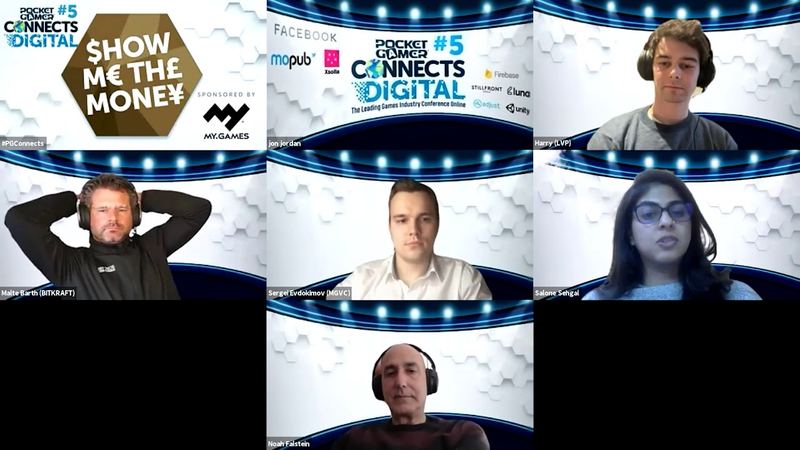
Panel: Will 2021 See Another Boom in Game Investments?
Key insights
6 takeaways- 01The gaming industry has transitioned from a volatile, hit-driven market into a resilient asset class, primarily due to the adoption of games-as-a-service models that provide sustainable, iterative revenue.
- 02Institutional capital is increasingly flowing into the sector as developers use data transparency and community integration to mitigate production risks and stabilize income streams.
- 03Geographic expansion into India, Southeast Asia, and Eastern Europe is a primary growth driver, fueled by high smartphone penetration and the utilization of these regions as lower-cost development hubs.
- 04The industry is diversifying beyond traditional entertainment into specialized sectors, including gamified education and FDA-cleared therapeutic applications.
- 05The democratization of creation tools, supported by 5G connectivity and digital human technology, is shifting value creation toward platforms that prioritize user-generated content.
- 06Strategic mergers and acquisitions remain the primary growth mechanism, with investors specifically targeting early-stage studios that demonstrate the ability to scale revenue rapidly.
Ask AI about this video
Transcript
continue the theme a little bit um as as it's kind of a kind of m a and and kind of boom booming game investments as we've seen in 2020 will how will that continue in 2021 i guess maybe a bit more structural uh how the conversation's going to go but i'm not in charge of it so i'm going to uh i'm going to let harry uh harry harmer from london venture partners brilliant at least i'm not a cat that was brilliant wasn't it yeah yeah we kind of think we should be yeah that should be something we do um okay so uh uh over to you really harry um if people have questions we didn't have any questions in the last in in the last uh panel that's fine if there aren't any but if there are any please put them in the q a box um and i will try and cover them but other than that um over to you harry and your and your panelists cool great they've got everyone here um hi everyone
uh this is a panel on uh uh game investments in general and um i think the overall question is will 2021 see another booming in game investments uh i'm harry haymer from lvp uh we're a c venture capital fund that only invests into into games and the gaming ecosystem and i'll be moderating this discussion um it'll be great if the rest of the panel because i think we've got a lot to go through maybe you could all introduce yourselves briefly what who you are what you do and we'll go from there ladies first i'd say well sure happy to start hi everyone i'm salone seigle from lumekai we're an early stage interactive media fund but focused on the india market been in the sector for 15 years have been on all sides of the table like i like to call it i've been an investment banker i've been on the private equity side been an entrepreneur and now vc investor
uh prior to this i used to be with lvp so hi harry i'm a lvp alumni and yeah very nice to be here and yeah over to you guys what's going x mota yeah sure thank you i'm malta thanks uh for having me excited to to be here i'm one of the founding partners behind big craft um probably heard that name before one of the leading global funds and investment platforms when it comes to games esports interactive and entertainment we now back over 60 companies in the space and obviously have a lot of fun working with amazing founders to build out new products we all gamers to start with that's how we got into this 25 or so years ago and that became a hobby and then it
became more and more of a job and today it's it's it's sort of a full-time job uh and we have a lot of fun working with founders and back then in the way we've been along the way we've been entrepreneurs in this space um i think that's where a few grey hairs come from i can't uh admit it but that's obviously uh something we'd like to help our founders with that you know navigating around a few pitfalls out um helping them to accelerate with talent mostly we have a good rolodex over the years and uh and and and you know have our global gaining relationships really accelerating great uh a great great great gaming and and entertaining products well hi everyone uh maybe i can jump in uh so my name is sergey i'm working as the investment manager at my games venture capital fund uh this is the font of large strategic called my game specifically dedicated to investments in the video game studios development publishers and some ecosystem projects
so far over the last three years we've made more than 35 strategic investments and closed six acquisitions and also i'm the co-founder of invest game platform which tracks all the investment activity and i think that uh some of you already know me from that source i'll jump in then uh hi i'm noah falstein i'm i think the the token non-investor here i'm a game developer since 1980 um was in uh at lucas arts actually lucasfilm games in their very earliest days uh spent four years as a chief game designer at google as well uh but a lot of my you know last 10 20 years have been as a freelancer and working with lots of startups so i'm very familiar with the whole investment phase from the developer side these days i've been working in a couple
interesting you know relatively new areas specifically games for health which i really think is taking off and i'm sure i'll talk more about that uh xr of various sorts i i wore google glass for a year when i was uh at google and i can't wait for to see what uh apple's doing for uh hopefully a slightly more fashionable way to approach that and i do a lot in interactive storytelling and big uh sort of film and and uh crossover ip uh so i'll be talking about uh how investment has been happening from startup point of view um just picking up on that perhaps i'm unfair to uh to call you out on this no so early but um what do you think has changed uh over time given your perspective um as the the token non-vc because previously the there was an idea about games being very creatively laid being hits driven and the reliance on publisher money
um being required to fund titan what do you think has changed over the years and why do you think now games have become such a hot commodity across all stages of funding yeah well i certainly have the perspective of starting in the industry when it was basically a hobbyist market and people thought we were crazy and i had a lot of people warning me that this was probably not a great career choice because it was just a fad that would blow over so it's nice for me to see you know it's a cyclical thing and you know i've been through various crashes i've seen pc gaming being declared dead at least three times and uh basically what it's taught me is that there are always new ways that games have been reinventing themselves and frankly i i don't see uh this time any different i mean we're clearly in a a bit of a boom partly because of the whole pandemic but so many promising areas are growing
really rapidly and people have been complaining not quite since the start but certainly since the the 90s of oh you know you can't start as an independent anymore you need you know ridiculous amounts of cash but ridiculous amounts of cash in 1990 were quite different than you know what you need right now um so i i'm still quite bullish on it i i do think that you know the the cycle we always see is that there's some new twist that people jump into do some really fun creative stuff and it just takes off and then suddenly it you know requires tens of millions to actually even just get started but indie gaming is is healthier in many ways than i think it's ever been and you know there's a lot of creativity and the the and churn at that level so i'm still very optimistic and these other areas you know the games for health stuff that i'm doing has huge upside potential and uh you know i'm seeing you know lots of investment flowing to to some of those things like esports as well that
has plenty of room to run nice i think we have an extra panelist on board of michael i'm not sure whether he's joining us uh for the panel or he's just wanting to watch him um but he comes comes across as pretty invisible to me here um yeah does anybody else have any thoughts on that um i'm happy to jump in i think what noah said is so so true um i think more than games becoming uh i think what's impo what's what we've realized is that now gaming has become mainstream you know now broader tech and media is starting to talk about gaming games investing has become a bonafide asset class in itself and the industry is not too big to ignore you know and we've seen this through previous cycles and i've tracked gaming for a very long time both the global markets and the emerging markets and every time we've seen gaming cycles occur they have
typically expanded the market rather than cannibalize it so and this is very true for gaming and gaming is unique in this because in other markets uh whenever there's been innovation those markets have typically seen creative destruction you know you saw broadcast tv moved forward to netflix you saw music move from cassettes to cds to mp3s to next generation platforms like spotify but in in the case of gaming you've kind of seen the market expand you've seen arcades consoles mobile games next generation category leaders and each new cycle produced new business leaders many of them who have grown inorganically and interestingly incumbents in gaming are ready to pay for and richly pay for new cycle innovators and as a result of which the industry keeps growing it becomes bigger and it becomes more relevant and that is something that is being reflected in current time so we've seen now is a culmination of not just the pandemic but basically what's been happening in the last five to six or eight years of new gaming
cycles which have occurred and you know i i think this is just it just gets bigger if i may jump in on this one i think it's a it's a generational shift right and when you talk about generation i'm not uh thinking like age or whatnot i'm thinking like brain rewiring right when you think of like how the brains are are wired and prior uh uh generations and i'm taking myself to the same like i'm i'm like on the on on the pyramid edge of of millennials to say i'm like likely not as as wired as as many younger people in the generation but when i look at my my kids for example on on how they started to rewire their brain compared to how i rewired my brain back then i mean they start very very early with very different shapes and form of human machine interface and then you sort of look at what that does to the brain and how the neurons are wired they they just completely different uh rewired
and that eventually is a key driver for for a complete new form of of entertainment which is much much more immersive and i always keep saying uh i'm not a neuroscientist but this is a big uh area of interest to me if you if you would put like a gamer on a functional mri scanner uh and put like a like a uh let's say like a i'm not wanna put on netflix but like a like a passive single user experience of entertainment on the same fr mi scanner you would see a very different thing happening up and lightening up the brain and that just does much much more immersive sort of emotional touch connectivity and then the social aspect of it i think when we we started games i mean it's been a lot of fun to do single-player games right and we've did it for a long time because we never could do it connectedly and then all of a sudden i remember us being in the whole
computer lab at the university if we it get the first time connect our computers but that was there was a dimension a galaxy different in in terms of the fund that created right of a sudden now we all play through the use of widely available technology together as a normal demo for of gaming that is just in terms of the connectivity and what sort of brain centers that stimulates it's a very different story and i think this is just the sort of the underlying driver of all of that which we for some degree can already see uh out there in the adoption curve and uh in in the huge growth there yeah i i would say that actually it's also important to mention that the ecosystem has changed itself so i mean like if we're speaking about the uh let's return back 10 years ago yes it was primarily considered by investors as the heat driven business nowadays we see that a lot of monetization models humanization models have been you know discovered and right now when
you're speaking about the games you're speaking about this as a game as a service so it's more like more predictable revenue stream that you have more predictable actually income that you can get from all of that and uh what uh i would say has been you know has actually played a great impact on the whole industry and the investors attitude towards this industry is that it has showed you know several times that this is a pandemic-proof business you have a very you know we have a relatively small check to have a huge kind of pleasure and you know be happy by while playing games compared to other entertainment activities that you might select and this has also have you know increased uh you know kind of understanding that games are actually pandemic proof not heat driven business and moreover nowadays you have you know a lot of tracking solutions and it's much easier to track the sales that you get that you can get from the digital you know stores rather than being it's a physical retail stores where you should you know take some time to collect all the sales
etc so you can immediately respect to the changes in the industry happening and of course uh you know speaking about unity unreal engine all of that also helped a lot developers to mitigate risks and to lower down some production costs at the beginning to test the hypothesis of you know the game to be successful nice i would i would argue the way uh game experience has been built these days are very different it's much more integrated with the community so like you if you do it right and the all the good cases we see i mean hit driven is pretty much driven on like somebody you know builds uh on a product with 10 or 20 million or so and at some point opens the door and say oh by the way here's my great product i ship it and let's see what it does right and yes a few focus groups and whatnot but these days i mean you you put out products way earlier in the hand of a community they're not ready they're like an alpha they're just a trial and whatnot and you start to engage with the community very early on listen to them talk to them make them sort of owner of
the product and integrate them into sort of the production process which you get a much much earlier feedback and not just after 10 or 20 million invested budgets but also maybe after a few hundred k or half a million or a million which really makes you turn differently in in in the process i think the the technology enables community and therefore a very different production process so to say which i would argue that the the the failure rate sort of decreases still make no mistake it is a hit driven business right so it's not like that every every game of sub becomes a success i think that that's not what we see here well i would say that you you you nowadays deserve you know uh less premium models and uh more models you know uh emphasized and focused on there again as you're talking right i mean like uh you're talking with the community meaning that this is more like a service rather than it was you know uh long you know back days ago several years ago so right now it's more like an
interactive process where you're trying you know to not to you know rely on the on the final feedback of the customer but rather you can change uh while you know you get some feedback you can change the game etc so i think we've thinking about the same yeah now i think it's interesting that you're deconstructing hits driven what one side is the execution risk of launching a game and no one buying it and there's the hits driven um mantra associated with it being a product-based revenue form where you have a big boom and then there's the tail revenue but that's less important whereas over time if with games as a service that revenue increases so i think it's it's the combination of what you're both um uh talking about but i think it's really helpful to provide the historical context but then i guess pick up on what malta was um intimating uh moving forward into 2021 what what gaming trends or genres are you most excited about what do you think will drive a lot of
investment yeah happy to take that one um look i i mean i think what we're most excited about at lumekai is emerging markets right um particularly india um yeah i i've tracked the market for a very long time and india is seeing like this tectonic once in a generation shift where you've got dirt cheap data you've got this massive proliferation of smartphones you've got a growing willingness to pay and that's making indian users the largest consumer of global apps globally and with more than 350 million gamers there is a lot of demand and it's becoming increasingly clear that there's very little supply and and that's what we're increasingly excited about is that there's this new generation and this next generation of game developers content studios gaming platforms which are which are coming from emerging markets particularly for markets um in india from markets like india and they're being built for the world by
india and for india and that's that's just an incredible tectonic shift that's happening where we're seeing consumption now coming from markets which were previously uh you know being being termed as markets that wouldn't necessarily be and that's that that is changing great um so okay yeah well i would say that definitely multiplayer games are right now very hot and probably you know will continue to be very hot uh well there are some you know awesome single-player games like i know last of us too uh but still you see that the you know mmo games allow you basically to you know have a smoother you have a basically an interaction within community since you have a lot of you know players always engaging with the uh within the some universe that you have built internally um and if we're speaking about particular genres i think that what would be interesting maybe is to see some you know real-time strategies on mobile platforms uh we'll see
you know mobile rpgs going cross-platform i think so this is some trends that i observed nowadays uh as one is one of the most interesting actually you know i i would point out um i mean a i i totally accuse obviously the the vast major the vast inflow of new users and and we also active in in in asian markets and india i think is a great example southeast asia is interesting and stuff where you have millions and millions of new users monthly coming in which never played a digital game before ever so i think this is this one to to be uh and i think sometimes in with the western world view you go like yeah this is very advanced and we gotta go and do the next sort of super sophisticated sort of turn on something which has been there and this is like well like we got a sheer new population of first time users ever i think that's one um and
then secondly yes i echoing the multiplayer multi-platform aspect of it i think this is something where we see only see the beginnings and that's to some degree also leads into something uh super excited about is sort of a i mean the the buzzword cloud i think it's somewhat misunderstood uh occasionally but when i think cloud i'm thinking like natively designed for cloud in the game design pillars not just hosting or hosting like which is like what many other game companies or if not all of them do right now but like the harvesting sort of a cloud as a platform so to say which from any device you can jump in into a game session so there's a huge accessibility i can cross over from like playing expect and spectating i could be have a massive multiplayer experience without having to download anything that is something which is really exciting for us because that is just something we've
never been uh able to do before and this is just happening right now so like you could track like the advent of any new platform that's one of them which we just see here uh through uh through bandwidth uh accessibility uh and the availability of of of of uh devices uh which we are very excited about looking at yeah you know i see we're we're having the the danger of an informed panel where we all you know tend to see things in a similar light uh but the positive side of that is that you know i think uh our audience here can count on the fact that i think this is really true you know and i'll just reinforce you know add some other bits to the spectrum i think the chinese market is quite interesting it's very difficult to penetrate if you don't have an agent in china or a development group there and uh there are obviously complications but uh like india it's just an enormous market in size the quality and capability of phones in
particular just keeps spreading worldwide uh so you know in that sense i think it's really interesting uh the health stuff i've been working on i've been working actually for 12 years now since it was before was formed with a group that has become the company achille that earlier last year in the middle of last year got the first fda clearance for a game to actually treat a disease in this case pediatric adhd and this isn't in conjunction with some other therapy but you basically have doctors now prescribing a video game that you play and it's built by a team that is a mix of high-level game developers and uh scientists and doctors and i see more and more of this sort of thing happening it's happily as as people said it's not going to cannibalize it's actually the area might cannibalize is uh treatment of neurological diseases in general because besides adhd it it seems that games have the
potential to work with everything from depression to ptsd to um you know just a whole range you know tends to be neurological obviously because games aren't uh you know affecting your your chemical balance directly but uh this this game that got uh approved by the fda has been shown to be uh as effective in in many measures as adderall or ritalin in treating pediatric adhd but the kind of side effects they're seeing are occasional headaches and frustration which is uh you know something i think all gamers can identify with at one time or another but pretty minor but it just shows there's so many different areas that games can continue to expand into and i completely agree with multiplayer i i think games that build on what pokemon go showed as a potential of bringing the gaming uh out of the home into the real world and something people do you know when they're out and about uh back in the future you know where we
actually get out and about again without our masks on nice um yeah and i think potentially this has been partially answered um but as capital seems to have um flowed outwards from the typical western and eastern uh countries for example wildlife fundraise on the back of a billion dollar valuation uh there's a there's a gold rush for turkish developers everyone's saying that their ex peak and integral to uh to tomblast which geographies do you feel like have the most investment potential and i think i know part of saloni's answer to that but maybe maybe also sergey it will be good to get your invest game background and perspective on this and what capital flows are going where yeah so actually you know uh looking back in 2020 year year overview i can say that still uh
i would say the main the majority of values coming from of course the us markets uh so this is number one market still in terms of the capital employed into the gaming industry followed by the uk and finland so this is an interesting trend so right now it's you know moving towards uh the european region but i would say that maybe in the next few years actually what you can see with the acquisitions that is already happening and where the acquisition happens you know their money of vc flows afterwards so you will see i think much more investments going into the emerging markets as already has been mentioned and the india should be a very interesting uh i think market for all of the you know current uh strategic guys uh you know in the gaming industry and i think that also russian says which would be also very interesting to you know a lot of players since you have seen just recently you know next year's going spec and there are actually a lot of i would say uh very talented and
promising studios that has a relatively you know cheaper cost base compared to the san francisco guys or you know us-based typically i would say and this means that you know if you're like vc guy you can invest substantially less amount of money in more studios in more promising you know guys and uh have a much higher return but have a much higher expected return so you diversify your risk so i would say yeah uh you know emerging markets and banding uh on uh india and eastern europe here and and just to add to what sergey said i mean look um india you know india in you have to look at it from a global macro perspective as well right we are currently in a market where um we are seeing years of monetary policy excess resulting in excess liquidity we're seeing peak markets we've seen a decrease in 10-year sovereign interest rates that spread compression and this encourages that excess liquidity and when there's a search for high yields it
it has historically always come to markets like like india for example in india's always been a big beneficiary of fif inflows when when these kind of economic cycles happen and and interestingly gaming is obviously because we're kind of seeing that that shift happen um over the last 28 months nearly 750 million dollars of investments came into india by way of games investments nearly 500 million dollars if it was just last year a 120 million dollars is in has been in the last in the last i'd say you know two months so this is this is very natural i think it's not just games investing it is just general overall macroeconomics which is also resulting in capital flows to emerging markets and games is just a sub sector and it's replicating what's what we're seeing in the global markets right i mean i would i would point out southeast asia in general very interesting markets big big markets
huge potential the tree we like a lot i mean like look at vietnam for example um also the philippines indonesia it's very very interesting very market still which like if you if back to china i think yes i mean i many of you know i i cut my teeth in in china and i have all those war stories with me it's not an easy to navigate ecosystem same like india i would say it has different challenges but it's like it's still uh you bring a few armored jackets and hammers with you you're gonna have a lot of fun with it um but like it is uh southeast asia to me like smelton feels a bit like china 10 15 years back same with india and we knew how that story sort of played out it will be different i think but it is it is sort of a time to to uh to move where we see the the huge
acceleration when it comes to the availability of digital devices you can actually game on right which is a key driver bandwidth is a key one right when you look at the the bandwidth and how this evolved even with bigger like like uh bigger bigger markets with a lot of gamers and you you dig into like philippines is one example where we've been real life or the or or or or even vietnam where there's it's just the connectivity it's just not there yet even though you have so many gamers so like for multi-gamma experiences it's just it's the sheer service layer to enable quality of service it's not there and everybody knows and the probably the game developers listening here that you you have a very very hard time delivering a great game multiplayer game experience if your connectivity sucks right so so you got to have that in place um uh payments and all of that just above sort of layer uh which sort of start to get get there
to enable like like an ecosystem that that delivers a the experience uh at scale and then obviously create value uh with with that that that is attractive to uh uh to uh to entrepreneurs the foremost but then also for for investors and community in in primarily right um yeah and then moving on uh what where do you see games going in the future because um i think there's been a lot of great points on what's happening in the near-term multi-player cross-platform bit of cloud stuff um but we're also seeing games starting to encroach and pervade other forms of media as well as social networks and um you can thank matthew ball for popularizing the the metaverse and uh a lot of generalist vcs um and and even later stage
investors piling in on on games but outside of all the hype where do you see games going in the future well you know building on metaverse there uh you know this is something that's interesting at lucasarts we had something called habitat that only got very limited release but it was the the first graphic based uh massively multiplayer game back in 86 and uh it was interesting to see it's interesting to see for me even before that you go back to like the multi-user dungeons and the text only stuff a lot of the issues have remained the same but people's thirst i think malta you know alluded to this that um you know when you get uh people playing with other people and doing so in in real time and available everywhere it's just you know more of how play how we're evolved to play you know just uh as as you know human beings and um
it i think is an area to look into uh i do believe that wearables of various types we're already starting to see it with the smart watches and the extra body monitors but also the the fact that we're uh able to be constantly wired in and you know with at least in the the um you know sort of wealthier uh countries uh moving to 5g or starlink for you know dealing with these problems of being able to be connected at any time any place i think we're going to see a lot more in that area and one of the things i love is that you know to predict genres is um very dangerous because often what comes out some sometimes out of nowhere is you know the whole reason that people flock to something you know pokemon go i've mentioned before because i think in in that one month in july when it debuted it was out earning the entire every other app on google's play store that that particular month uh just that one game and i'm not talking about just for games but it did better
than all of their you know productivity apps and everything else too combined and i think we'll see more of those sorts of things particularly as the technology uh combines with people's creativity to come up with completely different ways for us to interact and find entertainment in new ways yeah i mean you know just just today i think an hour back epic games just dropped their meta humans tech i don't know if you've checked it out but i mean it's it's mind-blowing it's you know quantum leap forward in designing and creating digital human beings and you know the patient change and innovation that we're seeing now from gaming companies is just it's just amazing right and we're now seeing this re-emergence of virtual worlds whether it's avakin life or whether it's imvu which is now raised money or whether high-rise you know it's real it's it's happening i think personally what i'm excited about is how do you um make these gaming experiences reach out to newer demographics whether it's just newer gamers or even
even let's say female focused gaming experiences you know we've barely touched the touch the surface of what feminine entertainment or female focused entertainment is going to look like and as you have more and more gamers who don't look like that traditional 12 year old boy gaming in his basement you know what do those gaming experiences mean for these newer audiences i think that's you know that that's incredibly exciting what what are these new innovative social experiences um so it's incredible what's what lies ahead yeah i would say that you know we definitely would see a lot of uh it's a gamification around so we have already seen this in education markets here where you apply the same you know kind of philosophy of the game i guess you're trying to entertain with with your user uh or i know your target audience and you know that's all that has been already mentioned it's all about i would say as a mind mindset that we have
internally and that you know we start going back you know into the childhood we start learning by playing we play to be the cube we play with the words and and that is the process how we start learning so probably the education will be the next market to be you know gamified a lot i also think that nowadays we already see this interactive movies interactive stories you know all the new content will be probably you know gamified somehow and we will see more films where you can select what's there what's your main character going to do and what's going to be you know the outcome of the film or or whatever content you actually consume so this i think the two most expected uh trends that we already observed and that's going to just evolve further in the coming years i would like to throw in the whole concept of like creation at mars right i mean we we are in a world where um the top performing games are essentially created by a really by a
handful of professional uh artists game designers engineers and whatnot and it's a very elite type of of group which we obviously love and we partnered with many of them but but i feel like if if you could expand essentially the the basis of creators uh meaning like from maybe a million or so professional developers to like 100 million of a sudden i think we would harvest a huge uh a huge um value increase in in terms of the number of creations and with that also the variations genres you you name all the uh or the creative dimensions of what gaming has to offer right i'm a big fan of that because that is like cr i mean we talk about like meta metaphorically about play but i think for me the bigger thing is creating people like like to create they like to create together they like to self express and giving them a space to do so giving them easy to use tool without having to
code without having to be a master artist without having to be a major game designer and whatnot and just bring this stuff out and pointing to like roblox example like that kids just have very easy tools to create and express themselves through through play with their friends and they could create something and if you it's just count the sheer number of creative uh attempts outputs i think that will be driving a lot of the ecosystem this is i mean we see that in any other form of creation too uh that's been like it's like the frequency of output and then you you can track the number of outliers created by that something i'm super excited about like this has a lot to do with also uh uh democratization of of creation uh with ownership because in the minute i create something it's a very different piece it's it's sort of my own and then put this onto different um platforms in the future and i mean there is blockchain and gaming
and that overlay at some point it's very very early about argue but if if you combine the two it it it's a very very exciting uh exciting combination really interesting um i'm aware that we've only got a couple of minutes left but i'm going to turn my attention to some of the questions that have come in from the audience whilst we've been talking one from stefan saying that uh have we seen the success of hypnosis so the massive purchasing of back catalogs i think this is with regard to music um do you feel like something like this could happen for games so utilization of um legacy games uh having an archive and in some way monetizing that anybody got any thoughts there well having seen some of the games i worked on decades ago uh make comebacks i the the first uh published game that i
worked on was an arcade game called sinistar and i for many years i had kind of given up on it uh ever having any life again because there are only a certain small number of cabinets you know these games made and because of uh you know all of the emulators and uh you know the easy availability with with you know these online archives that certainly already exist um then i i keep getting uh you know contacts from people who weren't even born when the game was made but who are now in one case uh getting a tattoo of it in another case uh it was a woman's master's thesis and you know it's nice for me to see that uh games you know i think much like film you know old classic films people will still see gone with the wind or wizard of oz and uh you know as well as obviously a much more recent but still you know relatively old uh pieces and we're we're seeing that in games and entertainment but i also think you know like those
other examples it's going to be just one of the many pieces of the spectrum you know i i doubt that we're going to see a renaissance where everybody suddenly runs back and is playing 8-bit games again in any large numbers yeah nice and then uh another question because i'm just trying to quickly go through them um i think this is a general question about uh now that large acquisitions have gone through what are some acquirers that are looking for smaller studios is between one and three million ebitda do you think there will be a trend towards greater m a action at earlier stages as the bigger targets are already getting acquired i mean it looks that way right i mean what just happened within the last let's say uh 12 9 to 12 months it's just to have this massive elevation across the board right um which you could argue maybe it's it's
a little ahead of the underlying growth curve so to say and it may fall down again a little bit maybe i don't know a few months out but i think this underlying ground spell is is definitely uh pointing right in the in the right direction there uh and it seems as for for any segment of the m a spectrum there seems to be interesting pockets who uh who start to acquire and accumulate yeah i think also just to add to that right in gaming value creation historically has taken place privately right and we know this because 80 percent of exits and gaming occur via m a and this has been amply demonstrated in the last 10 months or so and this is just completely core to the way the industry expands and innovates and you know there are there are there is this massive um uh there this massive kind of big block of m a that occurs in between the hundred to five hundred million dollar mark and then there's a long tail which occurs uh which is uh which is about
which are companies north of a billion dollars and then sub sub let's say 100 million dollars is another uh end of that spectrum um and and this has been amply demonstrated uh over over the years and i don't believe that this trend is going to change uh going for forward i think this is just the way that the industry operates well i would say that we gonna see probably just that here we're gonna see probably more corporate strategic investments going forward since you you can already right now see that a lot of a lot of huge strategic guys you know trying to catch up the studios from the very early stage of their life helping them with the growth helping them to scale to the next level so probably you know there will be uh more attention to small studios i wouldn't say that they should be specifically ebitda positive because if you are scaling and you're doing this great you will eventually bring the attention to the strategic guys so it's not about you know one to three million ebitda it's more about your revenue growth so
if you have it or if you have an interesting game then of course there will be much more attention uh from the strategic players uh to the studio because as we all see you know one day you have a very small studio and just 30 days after you're already making like 10 million plus uh net revenue per month and growing like i don't know 100 uh month over month so that's why you're trying to catch the opportunity at the very early stage great um i think we're out of time but john might correct me uh if i if i'm wrong um but aside from that uh okay i'm gonna act as if as if we're going forward um thanks so much for everyone um being on this panel really interesting views um and i feel like we've just scraped the surface of some of those topics so um thanks again for everyone's time and of course for everyone who's listening thank you
thanks for having me thanks all thank you it's been a pleasure you're pushing the envelope please you
Summary
The gaming industry has successfully transitioned from a volatile, hit-driven niche into a mainstream, resilient asset class. This evolution is primarily fueled by the widespread adoption of games-as-a-service models, which replace unpredictable revenue cycles with sustainable, iterative income streams. By leveraging data transparency and deep community integration, developers have significantly mitigated production risks, transforming the sector into a high-growth ecosystem that attracts substantial institutional capital. Investors no longer view gaming as a cyclical hobbyist market but as a foundational pillar of modern digital entertainment.
Geographic expansion is a critical driver of this growth, with significant capital flowing into emerging markets across India, Southeast Asia, and Eastern Europe. These regions benefit from high smartphone penetration and large populations of new gamers, offering high-yield opportunities that complement the industry’s shift toward lower-cost development hubs. Beyond traditional entertainment, the sector is diversifying into specialized fields, including gamified education and FDA-cleared therapeutic applications, demonstrating the versatility of interactive technology.
Looking ahead, the democratization of creation tools is expected to redefine the industry, empowering a broader user base to build virtual worlds and interactive experiences. This trend, supported by advancements in 5G connectivity and digital human technology, is shifting the focus of value creation toward platforms that prioritize user-generated content. Strategic mergers and acquisitions remain the primary mechanism for growth, with investors increasingly prioritizing early-stage studios that demonstrate rapid revenue scaling. As the industry continues to integrate into the broader digital economy, the focus remains on pushing technological boundaries to capture an increasingly global and diverse audience.