1 free read left. Create a free account for unlimited reading + AI research.
Create free account
Investing in the Games Industry with Daniel | Game Dev Unchained Episode 264

Key insights
6 takeaways- 01Investors are prioritizing studios with established games-as-a-service models to secure consistent cash flow and mitigate the risks associated with hit-driven development cycles.
- 02Capital is increasingly flowing toward portfolios of mid-tier titles and 'picks and shovels' middleware companies that address systemic production inefficiencies.
- 03The industry is shifting away from labor-intensive manual workflows toward proceduralism and advanced automation to reduce iteration times and combat developer burnout.
- 04The adoption of new development tools often faces resistance from studios with entrenched workflows, requiring validation from major industry players to accelerate integration.
- 05Founders in the AAA space should prioritize tracking controllable growth metrics, such as asset adoption and library expansion, rather than relying solely on volatile revenue figures.
- 06Game engine technology is expanding beyond entertainment into film, advertising, and autonomous vehicle training, establishing itself as foundational infrastructure for the broader digital economy.
Ask AI about this video
Transcript
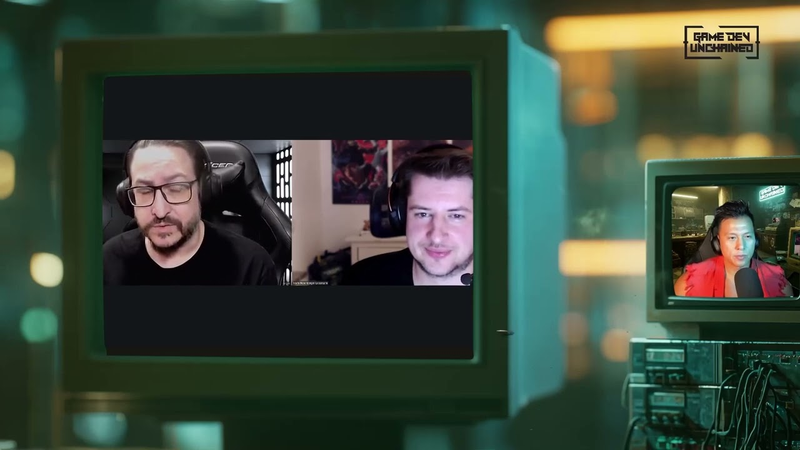
[Music] what's up everybody welcome to another episode of gamedev unchained with the one podcast about game development in the lifestyle thereof i am your host brandon fam and with me a special friend an early investor daniel how are you doing daniel i'm doing fine happy to be on i think uh three of the companies i've been involved with have been on so now it's finally my turn yeah it's finally your turn i i was actually finding that pretty surprising that i haven't had you on we've known each other for so long partying together at gdc yeah you seem to always like uh come out of the shadows once every time i need a guest a great guest so uh before i get started uh this is the part of the podcast where i ask you our guest to talk about yourself where you've been where you're at where you're
heading okay i mean i can do the medium version i am a finance guy i worked in started my career in in banking finance and kind of came into gaming because from an investment angle i it was before gaming was super popular as an investment and me and my friend we were like watching uh games on steam performing really well having really good sales and the companies behind them there were like their stock you know their publicly listed stock swedish gaming companies they were doing nothing and i remember i went to an interview for like a analyst role you know like an investment analyst role and you're always expected to present your best case and i was talking about the star breeze back then because uh payday two which was just coming out was selling so well and i'm like this is this is gonna be so
good for them and it's crazy because you can see the steam stats you can see that it's doing well but the stock is doing nothing and the guy who i was presenting to was like 50 plus and he was like what are you talking about you know this is something i can touch or and that's where i kind of understand okay there's there's an opportunity here because everyone that's above 50 in investment they have no clue what's going on here and especially because you have like especially when the companies are in the early days the companies were quite small so they had maybe one game every three years so you had like two years without revenue and that was like a nightmare for traditional investors so there was a really big opportunity so that's how i got into it with some early investments in game companies and then transitioned into game technology and the transition basically happened by chance i came across
kwixel or teddy through like a random meeting i i didn't know what they were doing and he was presenting what they were doing um i'm happy to talk more about that amazing journey and that amazing company and those amazing founders tediou makar but basically i you know after meeting him for 15 minutes i decided i'm going to take 100 of my money and borrow another 100 and invest everything into this company and that's what i did and that was quick so i think it that was in 20 i can't even remember now but about three years before they were acquired by epic games and i was i worked there through the whole time uh so um basically to from never having been done anything in gaming and two years after that i you know sat in a meeting room with team sweeney which was a pretty pretty
insane journey and since then i only basically i mostly invest in game technology deep game technology some people say you know you're investing in picks and shovels but i i kind of i invest in the guys who make the shovels it's like uh even early you know some of the companies it's like the you know they're really the it's you know be you know before the engine core so like quicksilver and some of the other companies that you have had on like elias software and adnan from polygonflow yeah man you have a very interesting journey i i think of course i would love to kind of spend maybe the first third about your your journey with quicksilver because it seems like it was your big foray into it and a huge success story there obviously and then um through that uh was able to kind of figure out and have a firmer grasp
about this investment world and games too so let's go ahead and get into that and we'll talk about other touch points um even with you beginning and saying that people above 50 didn't have like a good perspective of what games were doing and what games were becoming this past year and a half of anything the pandemic was the craziest year i felt for acquisitions and just epic buying companies it just seems like every month there was like huge amount of news of acquiring companies um what was i guess your overall perspective of that before we dive deeper into your your history like um as an investor what was happening in the past year that made games so interesting to invest all of a sudden uh where it felt like when you started there was no interest yeah just to one when i so i'm mainly talking about europe and where i'm from uh sweden i think
in the us you've had ea and other big gaming companies on the stock market for longer so investors might have a better uh but in sweden it was but this was like five years ago or five six years so now it's you know everyone is in gaming it's like you you cannot not be in it um i mean during the last year i think uh every trend towards um every trend got accelerated uh and gaming was already a strong trend and it got accelerated further we jumped a couple of years ahead home where we would have been um i um one investment i i had uh you know exploded several hundred percent up with the company that makes racing wheels uh the hardware and when when the actual formula one and all of the racing season got halted and all the formula one drivers went home and started
racing on the computer and streaming it and everyone was getting into it it was like the you know the wildest explosion in home simulation equipment and home sim building and that that just blew up and it's still blowing up so everything i think got got accelerated and but if you're you know and the m a boom i think it's that's like a derivative of the increased interest in it i mean what is happening is that our there are listed companies that are valued quite highly and then they are and then there are unlisted companies that have games and the kind of the investors in the listed companies they are more or less you know applying a pretty high valuation to to the revenues it's it's a great time to be a game to have a game which makes revenue because you have many many many
options what to do with it even if it's like seen as a mediocre game because if you're in a studio you're i mean you're never sure about your next success i mean you worked on triple a titles you worked on call of duty but even there you are not 100 sure that the next release even if you think it's it's the best that is it's going to be well received it's going to outsell the last one so maybe if you're in a studio maybe you feel at best maybe you feel 50 50 about your chances for your next but but the investors now they are you know ready to apply a much higher probability of future success maybe ninety percent so if an investor comes to you and says you know i'm ready to offload all the risk we'll you know we really think your next game is going to be successful then uh you're going to take that risk you're gonna you're gonna take that opportunity and i mean some it's it's i mean some of these companies now have so so
so many titles so uh yeah as long as a few few of them become become bigger it's it's a portfolio that you know it can work uh obviously if if some of the bigger acquisitions are not going to pan out it's going to be a problem but yeah yeah so there seems to be two sides of the coin right there right obviously traditional game methodology of like it's a big payday if it works it's a big loss when it doesn't but you don't know until three years later so there's always a huge risk with that uh the game business has gotten better with uh their monetary business their mobile free to play fortnite you know where it's more daily revenue streams rather than that so that that seems to be fixed but of course there's a huge swath still of these development for a long time and then movie release blockbuster day or not right and i don't think that's gonna go away for a while um
you did mention like you know bigger companies with known proven ips have a better chance because they have like uh uh you know their their the time frame of releasing something is a lot shorter so that makes sense right they have a bigger chance of playing the lottery so the other side of that i want to add specifically are the newcomers the ones that don't have that first ip yet that have a lot of prospects and you mentioned a little bit about you know how people plays a big part of who you invest and what you invest how does that play into factor of course we're probably talking with uh lesser money but you know there's still a lot of risk right um how how is that looking for for the smaller developers to be honest i i am i don't invest that much in content actually it's mostly game takes so i'm not the right person to talk too much about how that works but you know how the due diligence on the people is done but
you know traditionally especially in the us when you see acquisitions it's like someone is buying the best of breed you know like activision buying king or ea buying codemasters latest deal so they're buying like the best in that segment but what we've seen a lot from scandinavia is that there is interest in buying kind of the mid-tier players just because they have a game it generates revenue and the the stock market values that revenue uh very high you know and and the guys who are at this mid-tier companies they can um they can both cash out and participate by getting some shares in the choir in the future and they acquire you know if you buy 50 mid-tier games you're gonna have a pretty big portfolio which uh hopefully is gonna not be so dependent on on the hits because you have so many you have like you know 50 mid tier titles and a
few of them can fail and a few of them gonna outperform and the average is going to be good uh one last question before i dig back into your history you know um there's some acquisitions like you said that makes sense right where ea buys codemaster uh microsoft buying zenimax you know these are acquisitions that yeah of course right they're growing the portfolio and then there's some that if you want to comment or not i don't know how close you are but like with like daybreak studios was something that you know uh happened across the radar uh middle of last year and that's a game studio that hasn't had a hit for five plus years and what they were announced were unappealing but somehow they they went through all those troubles and and and were able to make it out with an investor in hand like so in those type of situation like what what is the play there uh where publicly at least it didn't seem like there was much but i mean privately there seems to be i
i don't know too much about specifics but what i've you know what i what i can imagine is because they have a you know games as a service uh games so they have games that even though they haven't had a smash hit in you know past few years they are still have a a few games which generate a steady stream of cash flow and if and if and if the shareholders or the investors in the acquiring company are valuing the company at you know 10 times earnings or even more i i don't know i had to check it out then they can pay you know pretty pretty good just to get that earnings into that company and then i can i have to imagine there are a few talent there which you know maybe can be repurposed in the organization or or so but but i think these types of you you these types of acquisition will mostly happen
with companies with kind of an mmo or games as a service type of business where you have kind of a a loyal fan base a steady stream of cash if if you're a comp if you're a hit based uh developer uh you know you had a hit last year and now you're developing a completely unknown new ip and you currently almost have no sales then you're not going to be very attractive to these types of acquisitions i mean you might be attractive for other reasons [Music] i think this is the right time to kind of go back into the history of it so you said you got into the world investing for uh well payday 2 was kind of like your your intro to that and that started off content but now you're exclusively just game tech that's where you put your money in and then you know the the meeting with uh teddy and kwixel and understanding that and taking 100 of your money and taking and
borrowing 100 more uh what is it exactly that made you kind of switch towards game tech where you felt content was still not interesting enough or too risky for you to kind of get around i think quickstart was it was very specific because when i met them they had been building mega scans library for about five years you know just going around and scanning and funding it through quixote suite and not having a lot of not having put a lot of time even the product megascans wasn't really done by then the pricing wasn't done and so on and i think that's specifically when i heard that they've been doing this for five years no one else has been doing this and it's a real time saver and at that point they had just had that partnership with disney and the mega scans was used in uh in the jungle book which won an oscar
for best uh i think was you know best digital you know some something within b effects like dfx oscar and they had used a lot of mega scans so for me that was like a proof of concept and i said okay we just need to figure out you know how this how to structure this and then we were able to uh the recently hired a guy from simplicon who was you know helping them out with the business model and uh i said you know we would use some extra funding we just have to put the pedal to the middle and i think this is gonna be everyone is going to have to use this because it's such a time saver and but and during the way you being a middleware is always a bit of a struggle because okay we're we're we're doing all this time saving but it's you're not never gonna get paid for 100 you know even 50 of the efficiency you do it's like you know you're using you're using word
but you're not comparing that to a typewriter and you're not then you would have to pay millions forward license so you're only going to cash a fraction of the value you deliver as a middleware and in this business you always have you're like always uh in between the you know let's take a break and hear a word from our sponsor this episode is sponsored by silent media you are creating an exciting world but are the players truly connecting with your story audio is the main line to your player's emotional core good or bad game audio can often be the difference between a player continuing in their journey or giving up at silent media they know game audio they've been through challenges before and they want to help so you can book a free game audio strategy session to tell them more about what you're working on go ahead and go to silentmedia.com forward slash booking spelled s i l e n media
dot com forward slash booking look guys audio is one of those things that can be very difficult you have no idea what to do with it now you don't have to figure it out on your own especially if you're an indie company or you're working with a small group you guys already have your plates full of responsibility so why not seek a professional help on a very important part of your game go to silentmedia.com right now forward slash booking and give it a try just meet the guys over there and just see what you can end up with i think you're going to be pleasantly surprised all right back to our episode that's exactly right i i think the most maybe that's not naive i don't know no it's true i think you you hit the heart to the problem to most game development being too long uh there's no reason why games should take five to eight years uh and when you talk to a team that is stuck in that cycle it's mostly
because of throwaway work or uh the iteration time is so slow uh and uh it burns out people when they have to throw things out and do it over again so the only way to kind of correct that there's only two ways right the managers have to be better at uh at uh nailing their vision uh first try which isn't gonna happen uh or the tools have to be uh fast enough so that it doesn't feel like a sacrifice in time and and content uh every time something else needs to be generated new and i think this direction the industry is moving uh and learning from uh to be better at making games so i think everything that you're doing uh with all the companies have been a great improvement in that i mean you know when i after i spent about one year in the industry and started to i mean realized like initially you almost cannot believe it that so much content is being thrown away oh yeah it's once you realize it's it's
almost mind-boggling i mean it's like uh you know it will be it will be cool to live in an alternative universe when where all the games that got scrapped got made and you could try them out probably a lot of great stuff there that never made it and it i just can't imagine the the pain of working on something you know some project work for five years and it gets cancelled and you can't show anything that you do yeah that's that's even worse i haven't personally went through that but of course we all know friends that did i don't know if any other industry has anything you know similar i mean i mean maybe i i think all parts of entertainment has something like that i mean we've heard movies being scrapped i mean i'm sure there's music movies are probably our closest cousin in terms of just scrapped work um but i've only gone as far as getting my levels cut and that hurt enough and the unfortunate thing is
when we talk about seasoned developers are are people who are kind of used to that and kind of muffle that part of their creativity going forward to move forward uh and it it kind of it's a detachment mechanism basically oh i'll get cut well on to the next thing now i'll try not to hear as much yeah exactly how do you restart your creative and passion once you build something that you love and then it just gets thrown up you just got to be detached i mean at some point you put your heart and soul in something and that's when it hurts the most when things do get cut or it's not recent but also the the reasons the different reasons i've heard of things being cut it's like it's nothing to do with you yeah a lot of it's not even a good reason like it's like uh you know someone rewrote the stories like don't change them it's always uh it's a running joke with elise environment artist because i feel environment artists
throw away the most stuff i i don't know i don't know how how anyone else can compete with us because we literally build the world and throw it away right you might have a character here and there but i can't imagine anyone throwing more stuff than us and so the running joe with us has always been designers and narrative writers right because whenever they have a new thought a whole world gets kind of tossed aside um a lot of months and years even kind of just thrown for the betterment of the game right better management but uh but yeah i think what we're talking about here is is is really relevant it's it's a pattern that i've been seeing for years where everything is moving towards proceduralism just bettering fastering uh less people type of thing i would love to kind of dive into a little history of your quick sedates because it seems like it informed a lot of your decisions going forward and it was a like a learning journey for you of uh really uh confirming yourself as
an investor in in the world of games right at least game tech so from your day one of it sounded like what you saw was impressive but also your instincts too of being ahead of the curve of this is new but no one's paying attention to it there's a huge upside to this i'm gonna get on this um from then on uh how did your role evolved i mean what what kind of things because at that time i i'm assuming that you you were just being introduced right you did your own study but like being in the trenches now you're probably learning a lot more about game games in general right yeah i mean there are so you i mean teddy and bakar were such i mean teddy has been there is a great interview you guys did with with teddy where he goes over the history but uh you know basically
scanning was everything he had been doing since he was like 10. so and vacare was this amazing entrepreneur who was running a big company in in pakistan so they were able to build that so it was just a such a super team of founders uh who who are you know super super dedicated and probably the best in the world at what they were doing but they were just under um overwhelmed understaffed and so we took in a bit of funding and i was mostly working on the funding side i mean i i briefly had the title as cfo but to replace myself with someone better and uh just basically we're just making sure if you know if we needed to raise money we were able to do that at a good valuation and if there was interest from others to require the company to to negotiate around those terms and and see what what would be the best outcome for the
shareholders you know who were you know we had some shareholder you know some just financial shareholders wanted maximum return uh and the founders they had the more they also had you know i think money was almost secondary to them yeah and uh that's why the epic transaction was so you know if i may say epic because i never rare you know because they made it free which was like um i mean how often do you see an m a and then they come and then the acquired company is now free so it was a cultural fit and uh um but going back to your your question yeah i think initially getting people to use photogrammetry was not as easy as it looks now a lot of people had their pipelines a lot of people were working uh you know i don't know what i should call it manually or non photogrammetric pipelines and but once some of the big guys
started using it many people just yeah this fall joined up i mean now it's almost difficult to think about that there was opposition or or doubt about photogrammetry ever being in a pipeline but now it's pretty pretty common or now i guess it's standard yeah it's it's definitely a shifting mindset for a lot of people i myself was in that transitional phase i think it was early 2016 or something and it was just right after battlefield was the big photogrammetry is here everyone should use it and so we were working on cod and we were just uh you know doing our own scans and trying to investigate you know how this fits in our current pipeline and yeah i think there was a big mixture of you know the younger guys and gals being all up for it and
being very interested and the older people who have their set pipelines didn't want to mess with that and saw it as a threat maybe you know um or not as um it's not good enough i can i can probably make this uh in in designer faster or whatever right and not getting the potential of it so yeah there was a weird phase for a few years i i think like he said it's now it's kind of if you're making a realistic game you should be using photogrammetry uh why are you sculpting rocks right it seems almost dumb uh it is dumb uh for you to to to waste your time z brushing that right uh but it it seems to be the factor and we just had louise corell who who worked at side effects for a long time on houdini stuff and um it was one of those factors where we kind of uh came to the conclusion because of the big guys for the industry to really change the big guys have to adopt it first and then
it kind of spreads and and and and and throughout right uh the problem with the big guys is that they are five eight year machines yeah yeah yeah and most of the research and new tool developments are happening at the beginning of their cycle so you're gonna have to wait for like the next playstation for things to basically uh get picked up and so unfortunately we didn't have to wait that long it was around that time where big studios were adopting and it was introduced mostly too it seemed like it mostly got introduced by hobbyists or junior developers right that were toying with all these different ideas but yeah it's a funny thing to kind of take a look back at how technology or our jumps are made and it's usually not from seasoned developers which is odd but it has to be for the industry to kind of kind of adopt everything
um yeah i think uh i think for with with the with 3d artist tools there's a you know it's easier to put them in the pipeline within you know during a project i mean it's not easy but it's it's easier you you can you if you're making a photorealistic game you you can start using mega scans even you know a few years in but for some other tools like elia software which is an audio tool which is like it's a you know it's a runtime software which is you know it has to run in the game to to play all the stuff that that you can only implement at the beginning of a new game developer so you know if we're speaking to people now we have you know we have to wait until they're starting a new game where they can look at the pipeline so getting in so getting in and this was similar to quick it's a bit of a runway even to to be adopted yeah he talked about your time starting
with a few guys and your initial investing in in quicksilver then finally the the big celebration one epic acquired you guys right in three years sounds like a short time frame but i'm sure that it felt longer while you're going through it with a lot of combative maybe not combative but like uncertainty right like the the problem with games is that if investors don't see it every day monthly revenue you know cash flow being a big part of it they start questioning it right and it's start it's hard to prove it even more if they don't understand the lingo or what you guys are doing or entrenched in the game industry to understand how big this will be um what are those kind of like daily challenges being like the main guy connecting funders to get funded uh what kind of conversations that you think would be helpful for for people who are looking to get invest to kind of
get on the same page here i think something that is that is tough in this segment which uh it's it's partially beneficial to me it's that the so-called total addressable market or kind of how big you can become it's vcs big vcs you know they want businesses they can be like multi-billion dollar businesses and if i'm going to be honest if you're a tool you're you know your own like how many 3d artists that are ready to pay for a tool or there globally you know maybe five maybe there will be ten but it's not spotify and most vcs they want that you know unlimited upside and and here yeah you can make 10 10x return but maybe not 100x and then it's invest and these so these companies are small often small to start off with so a big venture capital investor who's like minimum investment is 10 million dollars
it's it's going to be too small for them to start with and it's and that upside is going to be 2 cap because at the end you can only sell to every game studio in the world and it's still that's something still that you can kind of count or at least every aaa studio so um that is always tough to kind of uh explain to to them that because they i mean we had some stuff about to you know quick so you know becoming a marketplace and uh but um but for your product you're kind of restricted to to the industry and you have to find those investors that are fine with uh with with that most and that's mostly angel investors or very small uh pcs and then in business to business technology it's always it's also you have to spend a lot of time to understand it maybe it's just going to be a small investment so people don't want to spend the time i mean just understanding something like a game audio system
and no code like elias or or even quick so it takes a lot of time to understand the value um yeah but but lucky for quickville we did have like increasing revenue all the time so we we we had fortune never to be super stressed about getting new funding or even even being sold because we were we were steadily growing i would love to kind of talk a bit about that because um you know talking to teddy knowing what the goal is now has always been about making scans and creating that library but along the way was it always a plan to have endu do you do all that software updates and stuff to kind of continue the cash flow to fund the big project or was it just one of those things during developments like hey we need to uh appease uh shareholders to come out with
something uh to meanwhile fund the bigger thing i i think this question overall is helpful for uh startups to kind of consider because yeah it might take a while to get the bigger thing at the same time you're more attractive if you have these little grand goals to show improve technology uh as you're going yeah the thing is i try to find founders which i invest in where where i don't have to make those decisions so i i kind of i mean i think you know i if i remember correctly i don't want to kind of misquote him but i think teddy said and that's my remember that you know mega scans was always the plan and the other was just to to fund it from an investor point of view i think what we what attracted everyone was you know the idea that of course not everyone should make a stone each time they make a game we should have the biggest library in the world so i think kind of the the metrics we used
for you know is the company doing well or not was a number of uh assets in the library and how often they got down but it's definitely a huge proponent to that i think that has helped uh all all products to kind of uh be better i think the quality in games especially from indian aaa developers are i have yeah i think it's so just back to your question again i think it's if um it's important to find metrics that you can focus on that are not necessarily tied to your revenue because also we were you know we were thinking about this as a as a platform you know as a as a strategic asset in the industry and then you know our revenue last month shouldn't matter that much and that's why we focus a lot on on assets and asset and that was also a metric we could control you know we we could
hire more people to build scanners more people to go out scanning have more scan trips so ideally you want a metric that you have an influence over because the sales it's like it's almost like it's secondary yeah [Music] well speaking of building metrics right i know game content is not your forte but i'm sure you have friends that are investing in game content um still right absolutely and on that side it's always even to me a guy who produces content and trying to get out of my shoes to put myself on the other side it's still a risky business um because in the end you're trying to you're variable and i mean you can believe in your product as much as you want but you don't know until it's out there uh i don't know how i mean i think i think mobile gaming it's become more almost like a quantitative business so i almost don't see that as a content
business anymore yeah but but on the content side i mean it's how can i mean how like you seen this game valham from swedish studio i mean it was one guy for i think the first two or three years and then he hired like so i mean i think i think the team at release was like three or four it's pretty it's pretty fun if you start the game and go into the credits the team that made the game it's like four people and they have like the publisher and the other teams they are like five times as many people and so okay how could anyone predicted get game selling i think it's past five million for a million cells obviously now i mean it's sold more than many triple a game and then on the other end you have uh what's cliff bazinski what's the game he made lawbreakers yeah lawbreakers was like on paper i mean i mean if i would have been an investor and asked to invest in his studio and it's like it's him it's law breakers it's like
i i 100 i would have invested back then and then i don't know i think it came out the same as pubg and and it had like you know 100 players ccu and it got cancelled in it so having those one hit content sits it's super difficult i mean i i don't i don't even know how you would start to to uh to judge that that's why i'm trying to keeping away from that yeah it's uh obviously you haven't figured out how to do otherwise uh i'm just trying to understand because there seems to be some formula going on uh i think the mobile business like you said is the exact opposite of this issue right they figured it out they know exactly day one revenue where it should be to day 316 after release right um and it's no mystery i mean i worked at a mobile company just to kind of feel and see what's going
on and they they are a whole different thinking beast um you have like graduates from stanford and harvard sitting he's like wait this is a game company why is that all these smart people and all they do is look at statistics and analyzing behavior and i'm tweaking a few things and looking at results uh quantitatively you know and it was a very different approach uh to game design and then the game content team is a lot smaller than than the the people doing the numbers so i was like oh maybe this is the future this is the way and so you're starting to see that bleed into games like fortnite pubg who are starting to think like that i don't think there's a there may be a few companies are completely uh mobile centric right where maybe ea company i don't know but when you talk about a large swath of aaa companies they don't think like mobile not yet right starting to but not yet um so there's
two sides of this coin where i feel like there's one side that completely nailed game content being a very uh investing uh quality thing uh where they can guess what's next but then there's the other side where it's still like a a gamble and a lottery which i don't get where how come someone hasn't sit down with both sides and figure this out because it seems like we figured it out it's just no one's talking to each other um i don't know i don't know if it's ever gonna i mean you've worked there so for for a certain part of the triple a industry yeah i think it's it's still art so i i don't know if it's ever possible to like valham or um uh if it's ever possible to get that down to a formula obviously if you're maybe kind of uh i guess release i mean you can work with with what you call like you know you
have test groups in qa and all that but some some games like you know control recently which i like it's like uh it's an amazing art statement i think also and uh i i hope that's always going to be like that for a certain section of the games i always see i i see the big game i mean i when i look at cyberpunk or i look at red dead redemption too i i think this is probably one of the largest art projects in human history i mean i don't know how maybe more people worked on the pyramids but like what other art project brings together this many people uh so whenever people complain i'm like hey come on guys i know it's it's such an amazing amazing thing and still that those things are real yeah it's very uh it's a very our hard struggle i think uh as a content creator to um to have something like bread dead where it's literally blood sweat and tears
and i feel like it's only can be built that way uh and imagine if you take the mobile approach of daily revenue and stuff i think it will ruin that development uh very when i stand on a hill in cyberpunk and i look across the city and i think about you know i can actually go there and there is stuff going on there and i mean when if i would have imagined that when i was like 10 that that's going to be possible i could not have believed it and then when i think about all the really really cutting edge edge technology that goes into there you know everything from you know the gpu you know real you know what what they call a dlss you know this ai res you know guessing what's the resolution or we're guessing what how the picture looks at higher resolution to to make it run smoother it's like it's insane you know we're using all this cutting edge
technology to deliver this really really amazing art so so yeah i like to make kind of even you know better artistic tools yeah i it definitely is a safe safest bet if you work on the games uh and it seems like you're you're very well versed on that side of the section so it only makes sense that you continue to do so um word of advice would you have for for people who are starting has a startup it doesn't have that portfolio of ips to kind of make a safe safe pitch but there's obviously a lot of companies that are like them that are getting through the front door and getting in across right and there seems to be the right people on the other side of the door ready to put their money in and help them out right and invest and see there's a uptake uh a pic um what do you say in general uh
that they should position themselves at like how should they go about it if they are ready to take those next steps i think i mean i i think there are still quite a few uh game technology companies that are uh maybe i could say underfunded they could go grow quicker and get to their goal quicker if they raised funding but they haven't and i think it's been it has been very difficult it's probably going to be helped a bit with now kind of unity being one of the first really like i mean that's yeah i mean they have a lot of advertising revenue but it's still a game tool at some level it's kind of made people understand that the tools also can be be very very very very valuable but i guess i'm trying to think of your question there um i mean if you're a tools company first
you should you should contact me on twitter but yeah just this i think this narrative that with playstation 5 everyone is going to have to have you know create more stuff in less time with higher quality quality and if you're helping out with that you can be really valuable in the ecosystem maybe you haven't figured out your business model yet but uh you know this is going to be you know just get the users in and then you know the whole movie industry and everything is if that's moving to unreal engine i think every tool is just going to be five times more valuable [Music] well that's actually an interesting side topic here so we talk mostly gains but as you and i know like uh entertainment businesses outside of games are are using are starting to use all the tools understanding like unreal unity and of course anything that comes to support those two
um and they are very specific needs on that side too they want everything even faster area feedback um happening within the editor or game time being able to move things in the game right kind of like a uh playing sac boy and you're just live editing things which is very unique to movies games don't have to have that type of iterative feedback unless the art director really wants to hover during a meeting and like move that right now i need it now right so that's a very specific movie ask um with that part of the business coming how do you see this evolving uh were there angles that you didn't uh see from before that you're like wow there's a whole new player they have a lot of money a lot of these studios want things and are recognizing game tools being important um would love to kind of hear your perspective on that um yeah i think something that i uh
one thing that i've you know come to realize is that it's uh i think the network effects when you know in the past if you had a if you have had a career in you know maybe bfx you know within advertising or within hollywood movies you couldn't easily move into into games or from or the other way around maybe if you were a lighting artist i've heard many hollywood lighting you know physical lighting arts starting to work work um you know in game studios but now if if everyone is going to work in the same engine or everyone is moving to to let's say unreal i think it's going to be amazing if it has to be an amazing boost for the whole segment that you can work in advertising then go to movies then go to games you know seamlessly so that should help should help everyone and yeah the fact that that movies is is moving that direction should just yeah i i don't think we even
i mean obviously was used in the jungle book but uh it's probably going to a scans but it's probably no you're gonna see it to start seeing it more and more everywhere that's only great news for you man seeing things ahead of the curve um speaking of which and you know obviously you're you're you're you're you're helping with polygon flow you're helping with the last software what other exploration in the game tool sector that you feel like this is going to become the next big thing aside from those two like what what part of the pipeline where you see and hearing from there's just this can be better um in the horizon it's something i something i i haven't heard of anywhere and maybe i mean i'm really not technically that smart but something i've been thinking of someone applying ai to
npcs uh in a better way i feel that could be really interesting and potentially revolutionary for gameplay there are a couple of apps on the phone which uses like an ai kind of connected to the internet which you can almost freely chat with but you know it's not always the most the most answer but but it's not a pre-scripted dialogue you're having like you have on a game where you only have three three or four options so i think you know maybe where you can somehow build characters npcs where you're you know you you can say you can say whatever and they have an ai which you know and which connects to kind of a set of experiences that character has and it's responding to you and so every in a single player rpg you could have
like a super super unique experience and you know build i mean like wouldn't call it real but you know unique relationship with the characters i think i i think that that's gonna come but i haven't seen anything out there it would be cool if someone was doing something well there you go if you wanna play a game with siri and alexa uh that sounds that sounds actually pretty cool i think that is the main level hey take the theory i mean they're pretty bad but even just i would like to see someone just just giving that a try using kind of siri type technology and having that on on the npcs and just just see what happens no it's true i think i think with multiplayer we use mics mainly to communicate with live players uh i think the same needs to be investigated for for ai players within a game ai is
another sector that's been funny right we see we see a lot of people like the movie industry and other industries starting to use tools but i see a lot of former programmers at these aaa companies starting to work at ai companies for like elon musk and stuff so there is a correlation there for for the tick for the advances that we've had for mpc i think it's been under uh appreciated uh until recently where the like a lot of that relevant um ai tech within games is starting to kind of cross over to actual applications to ai in the real world um which is funny i i don't think it's talked about enough how how a lot of what our program has been doing for years are starting to find some weight in the advancements of every time i read of it's mostly shooter games to say now we have a really really good
enemy ai but it's it's it never never really fools you that it's it could be could be human yeah one cool application i saw was in um in a bicycle racing game where they uh for the ai which you are playing against the ai was kind of self-trained through a neural network so um to my understanding when you race they could actually kind of make mistakes because if you're playing a racing game today uh i don't i think most racing games the ai the the ai difficulty is just like how fast they are it's not like they're they missed the breaking point and run off the track you know but if you're training it neutrally you can have more like human behavior like that uh so that's pretty cool yeah making it less perfect uh yeah totally get you man like there's a lot of that crossover i'm seeing you know robo taxi being a thing of the
future i see a lot of my friends at these uh ai car companies basically building worlds to kind of train and simulate the the ai within the cars for the scenario just just ai driven training uh with game tech which is uh a crazy lateral approach to a lot of the tools that we've been using today like i've never would have thought like five years ago that we have friends now in in these like world-changing companies uh doing the same thing yesterday i came in from the opposite way i i i i thought uh uh the video i thought all the industries used the same tools like uh movies and games and everything i kind of was shocked that if you work 10 years in movies you can't just move to a game studio yeah yeah well it seems to be happening
now uh so finally caught up with your uh initial uh noob perspective uh this is actually the part of the time we are at the hour mark where uh i kind of shut up hand the mic over to you to shout out if you want people to connect with you somehow or not or give attention to any cause or things that's happening in the world that you want this time is yours oh thank you yeah i mean if if you are within the space of game technology and looking to start or have started something you can i have a home page which has www.thegaminginvestor.com so easy to remember i have all my investments listed there and you can contact me if you have any questions or uh or want to pitch anything i think yeah that's that's it
all right man well thanks a lot man for stopping by my apartment uh it was uh great to finally have you as i popped back in here uh it was great to kind of finally uh you know have you joined the podcast which is funny i thought i've had you on before but i guess i didn't but uh nice to see you man and uh thanks have a good time in the pandemic hopefully things will be all right thanks all right [Music] [Music] you
Summary
The gaming industry is currently undergoing a structural shift characterized by a narrowing valuation gap between high-performing titles and the developers behind them. Investors are increasingly prioritizing studios with established games-as-a-service models, as these provide the consistent cash flow necessary to mitigate the inherent risks of hit-driven development. This trend has fueled a surge in mergers and acquisitions, with capital flowing toward portfolios of mid-tier titles that offer stability in an otherwise volatile market.
A primary focus for modern investment is the "picks and shovels" sector, specifically middleware and development tools designed to address systemic inefficiencies. By prioritizing technologies that reduce iteration time and eliminate redundant labor, investors aim to combat developer burnout and shorten notoriously long production cycles. While adoption of these tools often faces initial resistance from studios with entrenched workflows, validation by major industry players typically accelerates integration. The industry is moving decisively toward proceduralism and advanced automation, signaling a departure from traditional, labor-intensive sculpting and manual workflows.
Long-term success in this space requires a nuanced understanding of the divide between data-centric mobile gaming and the artistic, high-budget nature of AAA development. Because AAA content remains resistant to purely quantitative formulas, founders are encouraged to track controllable growth metrics, such as asset adoption and library expansion, rather than relying solely on volatile revenue figures. Looking forward, the utility of game technology is expanding beyond entertainment. The integration of game engines into film, advertising, and autonomous vehicle training creates a broader, cross-industry ecosystem. As artificial intelligence enables more dynamic, non-scripted interactions, these tools are becoming essential infrastructure for both creative and industrial applications, positioning game technology as a foundational element of the broader digital economy.









Comments