Funding reports and market data
Documents
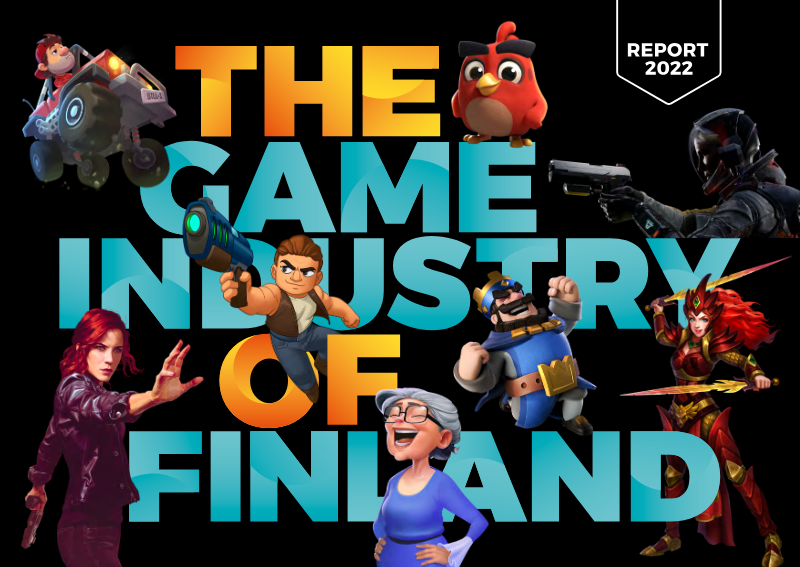
Finnish Game Industry Report: 2022
The Finnish game industry maintains a position of significant global influence, characterized by sustained financial resilience and a strategic pivot toward long-term operational stability.
- The Finnish game industry generated over €3 billion in annual turnover during the 2022 fiscal year.
- The sector is supported by a workforce of approximately 4,100 professionals distributed across 232 active studios.
- Finnish developers are shifting from a mobile-first focus toward diversifying into PC, console, VR, AR, and cross-platform social gaming.
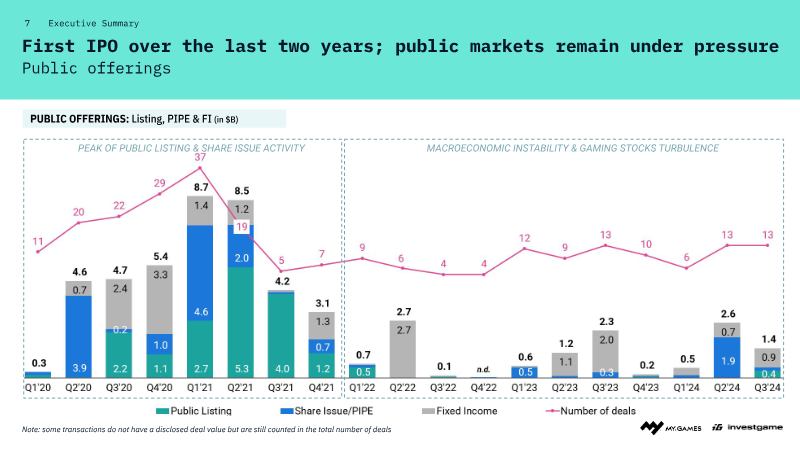
From Volatility to Stability: Q3 2024 Gaming Deals Report
The third quarter of 2024 marks a period of stabilization for the global gaming industry, signaling a transition from post-pandemic volatility toward a new, normalized market environment.
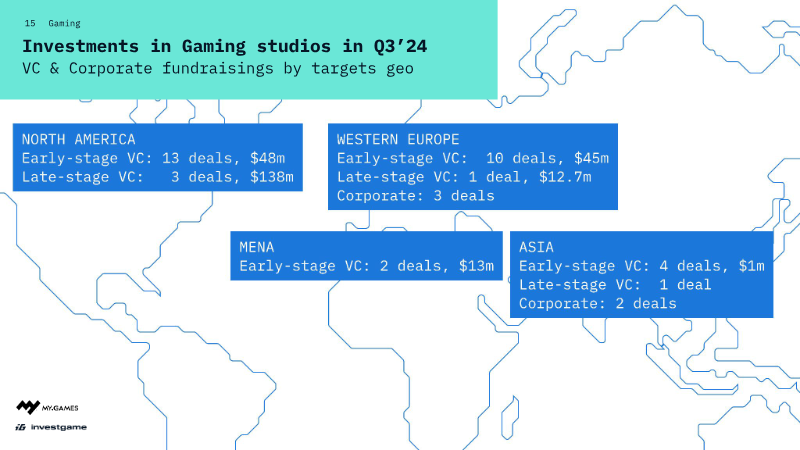
- The gaming industry has transitioned to a normalized market environment, with Q3 2024 private investment totaling approximately $1 billion across 120 rounds.
- AA and indie publishers are outperforming the broader market, driving a 35% year-over-year growth in gross revenue while AAA titles remain stagnant.
- Investor capital is shifting away from traditional content toward infrastructure, payment systems, and development tools.
Gaming Industry Report: Q4 2023
The global gaming industry reached a market valuation of $184 billion in 2023, representing a modest year-over-year growth of 0.6%.
- The global gaming industry reached a $184 billion valuation in 2023, reflecting a modest year-over-year growth of 0.6%.
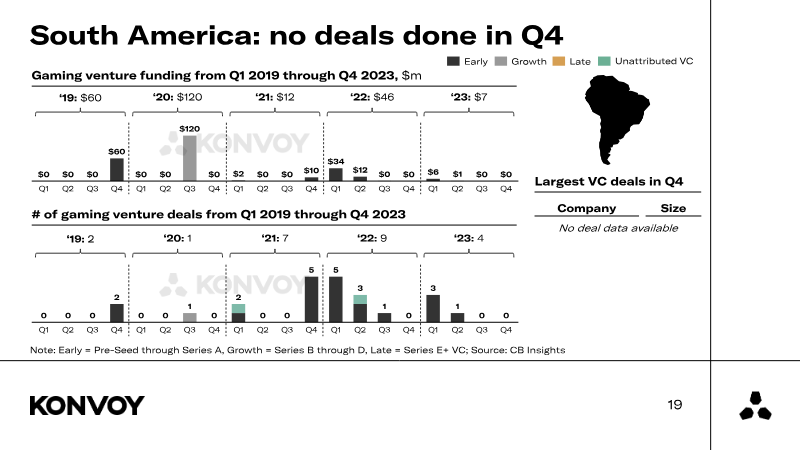
- Venture funding for the gaming sector dropped 33% quarter-over-quarter in Q4 2023 to $308 million, signaling a return to pre-pandemic capital levels.
- Approximately 10,500 industry layoffs occurred in 2023 as companies prioritized operational efficiency, asset consolidation, and high-retention projects.



The Alumni Effect: A Deep Dive into Studios Founded by Ex-Rioters
The emergence of startups founded by former Riot Games employees represents a significant sub-sector of the venture capital landscape in gaming.
- Startups founded by former Riot Games employees have raised nearly $500 million across 27 companies since 2020.
- Ex-Riot founders command a 53% premium in average round size, securing $11 million per round compared to the $7 million industry average.
- Venture capital firms Andreessen Horowitz and Bitkraft Ventures are the primary backers, participating in deals worth $339.3 million and $236.3 million respectively.
FY2024 Report: Australian Game Development Survey
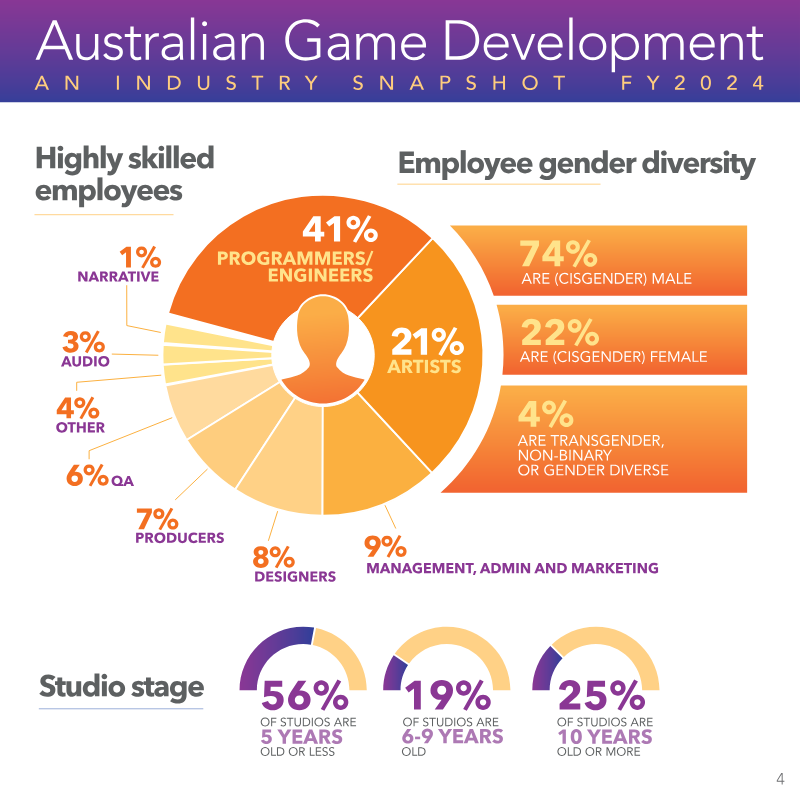
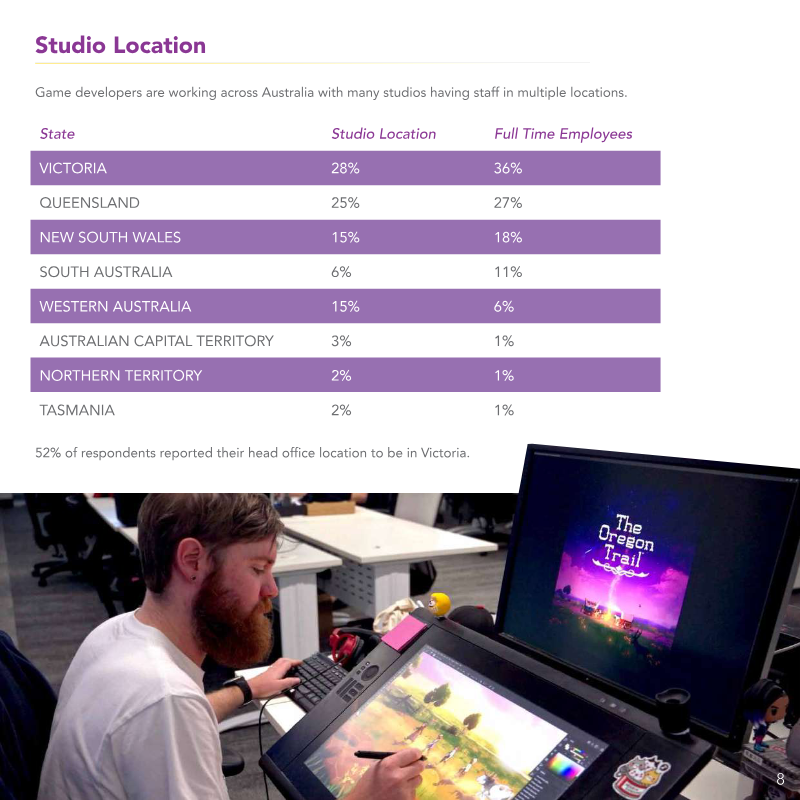
The Australian game development industry demonstrated resilience and stability during the 2024 financial year despite significant global economic headwinds.
- The Australian game development industry generated $339.1 million in revenue during FY2024, reflecting a minor 1.9% year-over-year decline despite global economic headwinds.
- The sector is highly export-focused, with 93% of total revenue derived from international markets and 85% of studios prioritizing the development of original intellectual property.
- Employment remains stable at 2,465 full-time equivalent workers, with 61% of studios planning to increase their headcount in the coming year.
Bootstrap or Finding a Publisher for Indie Game?
Navigating the decision between bootstrapping and seeking a publisher is a critical juncture for independent game developers, particularly those working on their first title.
- Developers should prioritize defining the game's core vision through prototyping before initiating publisher conversations, as early-stage projects often require significant scoping and thematic adjustments to find their 'soul'.
- Bootstrapping allows developers to retain 100% of income and maintain creative control, but it requires a disciplined, lean team structure and a commitment to handling the business and marketing aspects of development alongside production.
- When seeking funding, developers should prepare a realistic budget for their first title and then double it to account for the unpredictable nature of game development and the risk of over-scoping.
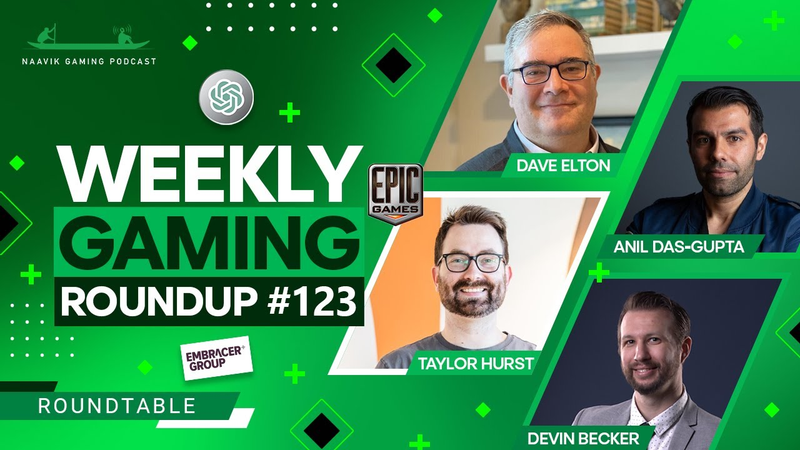
VC Funding Down / Fortnite Kid Safety / OpenAI Drama / Embracer Restructure
The global gaming industry is currently undergoing a period of intense structural correction, characterized by a sharp 68% year-over-year decline in venture capital funding during the third quarter.
- Venture capital funding for the global gaming industry plummeted by 68% year-over-year in Q3, signaling a shift away from pandemic-era growth patterns toward more scalable infrastructure and technology investments.
- Embracer Group is undergoing significant restructuring, including widespread layoffs and asset divestment, following an over-leveraged acquisition strategy.
- Major publishers are retreating from high-risk, high-cost live-service models on console and PC due to the difficulty of sustaining constant content updates and specialized architectural requirements.
BITKRAFT Summit 2023: Market Outlook -Zig when others Zag - Full Video
The BITKRAFT Summit 2023 market outlook provides a comprehensive analysis of the gaming industry’s venture capital landscape amidst broader macroeconomic uncertainty.
- Global gaming venture capital deal value has declined approximately 85% from 4Q21 to 3Q23, mirroring a broader 66% drop in aggregate global venture funding over the same period.
- Gaming venture funding has undergone a mean reversion, with current investment levels returning to pre-pandemic 2020 baselines, signaling that high-conviction investors remain active while lower-conviction players have exited.
- Asia has emerged as a dominant force in the gaming venture landscape, accounting for approximately 50% of global venture deal value and 49% of global deal volume.
State of Web3 With Game7
The Web3 gaming sector is currently undergoing a necessary maturation phase, transitioning from the speculative investment boom of 2021–2022 toward a more disciplined, quality-focused development cycle.
- Web3 gaming funding has stabilized at approximately $1.5 billion across 135 deals through Q3 2023, with average deal sizes contracting from $25 million to $11 million.
- Only 1% of Web3 titles meet the production and funding criteria for AAA status, as the industry shifts focus from speculative crypto-native concepts to sustainable indie-tier development.
- The ecosystem is currently fragmented by an unsustainable proliferation of over 80 blockchain networks, which is expected to undergo significant consolidation as developers prioritize functional utility.
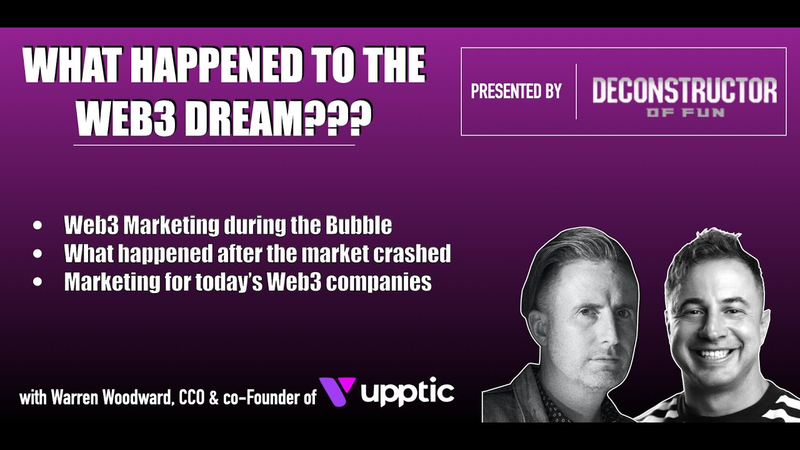
WHAT HAPPENED TO THE WEB3 GAMING DREAM???
The Web3 gaming sector has undergone a profound transformation following the collapse of the speculative bubble that defined the 2021–2022 period.
- The Web3 gaming sector has shifted away from the speculative bubble of 2021–2022, which was driven by unsustainable play-to-earn models and venture capital demands for rapid exit liquidity.
- Developers are pivoting toward player-centric design, treating blockchain technology as an optional, secondary layer rather than a mandatory core requirement for gameplay.
- The industry is currently undergoing a maturation phase similar to the post-dot-com era, prioritizing product viability and standalone fun over hype-driven growth.
Indie Starter Kit: The Basics of Founding a Successful Games Company
Establishing a successful games company requires a foundational commitment to a clear, compelling vision that transcends short-term industry trends or purely financial motivations.
- A compelling, large-scale vision is essential for attracting top-tier talent, investors, and partners, as it serves as a long-term motivator that transcends short-term industry trends like AI, NFTs, or VR.
- Maximize the internal value of your company before seeking external investment to retain greater control and leverage during negotiations.
- In the early stages, hire only self-motivated individuals who are more skilled than yourself, as the quality of your team defines the limits of what your studio can create.
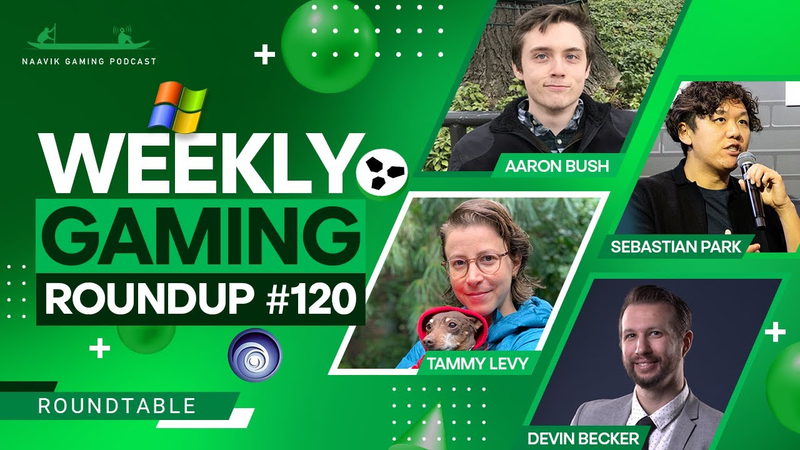
Why Is Gaming Spend Not Up More? / M&A and Funding Trends / Earnings Season Begins
The gaming industry is currently navigating a period of stagnation characterized by a complex interplay of macroeconomic pressures and structural shifts.
- Gaming content spending in the U.S. is down 6% to 7% from 2021 levels when adjusted for inflation, despite a nominal year-to-date increase of 2%.
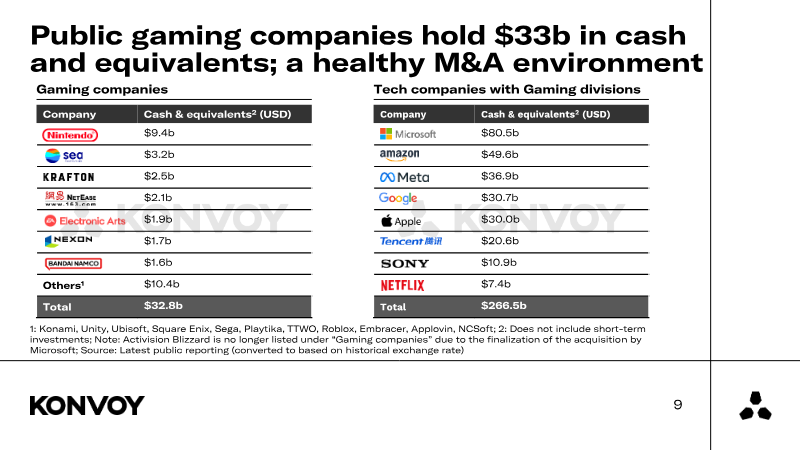
- M&A deal volume has plummeted by 60% year-over-year, reflecting a broader retreat of investment activity to pre-pandemic levels.
- Funding is heavily skewed toward early-stage ventures, with 85% of current deals concentrated in pre-seed and seed rounds, leaving late-stage studios facing down-rounds or closure.