Transcript
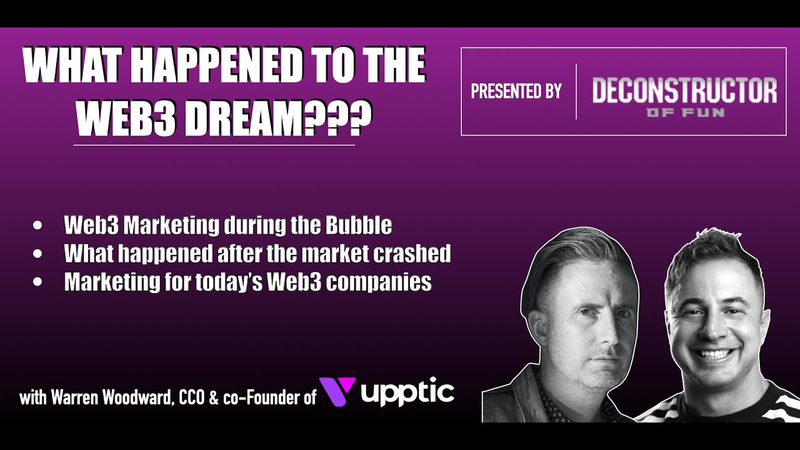
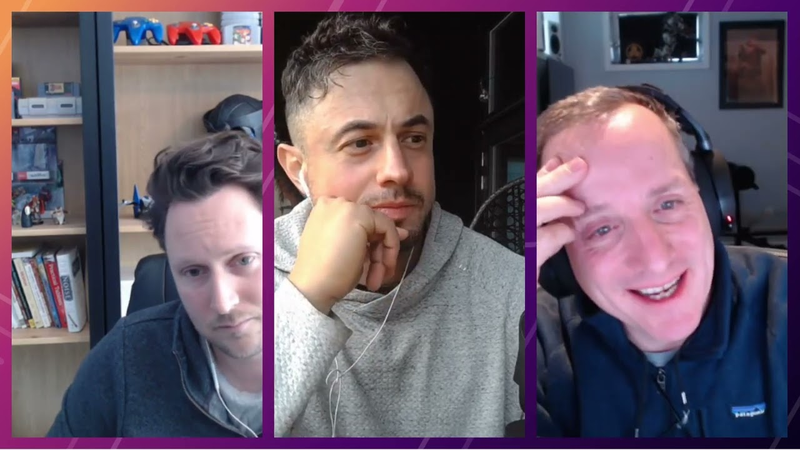
welcome welcome welcome everybody to the deconstructor of fun podcast I'm your host Mish katkov and today my guest is Warren Woodward it's a very presidential name Chief growth officer of uptic Warren welcome to the podcast hey Mishka it's so good to be here I have been listening for years uh love all things doof and I noticed you guys you know been talking a lot less about web 3 games the last uh last year or so so I had to force my way in the door to have some sort of discussion about them fill the fill the Gap yeah and it's uh just to for the context so we're going to talk a little bit about more but it's nearly impossible to come on this podcast and talk about web 3 anymore um our web 3 resident host uh Ethan Ley has um has become allergic to web 3 to my knowledge and all I see the emails he just rejects everybody and doesn't really do that much podcast anymore as he's deep into his uh startup
and uh I've um I've lost my interest but then you came in and you had a very clear um story that you wanted to discuss rather than U shill about a company so it became much more interesting and so this is more of an update of what's going in in the web 3 world uh but before we jump into that uh can you a little bit talk about yourself and uptick like who are you and what is uptick yeah so my story in a nutshell there's been a lot of twist and turns so I'll try to do the very quick and dirty version um started as like a film school kid worked in independent film uh production uh editing and I was a touring musician still do a lot of music stuff but I I actually started learning growth marketing stuff just because I had very unemployable skills between music and film making so it would actually be like in in the van on tour I would do like uh affiliate marketing different kind of like mercenary growth marketing stuff Facebook ads Myspace ads
date myself um and uh I've always been a lifelong nerd and gamer um my my goal was like get my skill level up enough to do this for games specifically before that I was doing like dating apps and just sort of like whatever opportunities I could get my hands on so um around uh 2013 I went full-time into the game publishing World um and I've been doing exclusively growth marketing for games um started with a division of of wargaming moving up to Seattle for that uh then uh heading up user acquisition for a company called Blast Works more in the casual and Social Casino space and then most recently before starting my company uh for Nexon I led their uh mobile user acquisition team called Nexon M based out of Emoryville California so most of my professional life leading the user acquisition divisions for large mobile free-to-play game developers and had enough of the big corporate life um and then also really hated that as a marketer uh we we never got any engineering resources and
always had to kind of grind things out in spreadsheets so uh with a friend of mine Tom Fang we co-founded this company uptic um in nutshell what uptick does there's kind of two halves to it we have like our growth Services team it's basically a bunch of my favorite growth marketing people in UA creative data that I worked with that I got on the pirate ship with me so we come in do all the work we're basically like the external growth marketing team for a number of large game Publishers and then we have our own engineering team um which to me was kind of the fantasy of starting this company was like Hey I really want Engineers to build the tools we need to do our job better as growth marketers and then as the company has matured a bit we also now license our uh software which is different kinds of uh UA prediction iOS scan modeling um and forecasting tools it's basically like a data and insights layer on top of your MMP data to replace needing to do like looker Tableau build custom dashboards and custom data models in house so that's uptick in a nutshell um should I touch on how I came into web 3 and hot mess I mean you're you're just running this autonomously that would have been
my my uh natural next question is like with all of that background how are you now uh the web 3 of ficado like you're you're based in California right you look like you're in Oregon well I'm adjusting so most of my life has been California but I just moved to the east coast I married a a Jersey girl so she dragged me over here and I'm now in South Jersey where it's a little bit colder so you you don't strike me like you would be in South Jersey in any way I would have say like Portland would have been what I would chosen but but uh yeah for for anybody not watching the video uh yeah would if you'd see this you'd be like oh Portland he's in Portland right Seattle maybe yeah so I guess the question is yeah I I did time in Seattle that's in my DNA as well too so I guess the question is how did I stumble into the you know the hot mess that is is web 3 um it it actually goes uh my first foray into it um some people know this bit of like
uh Crypt trivia but the first giant uh Bitcoin exchange was called Mount goau mtgox uh and that actually stood for Magic the Gathering online exchange um which was how it first got on my radar I actually first discovered Bitcoin and stuff through the tangential relationship of Magic the Gathering I've been a lifelong competitive Magic the Gathering player and there's this weird overlap where like this magic site turned into this Bitcoin trading thing and then turned into this like huge exchange that was hacked and anyway so that was my first kind of learning about it and I was like what I don't want anything to do with this like everything related to this is all feels very scammy I don't see anything here other than like speculating on number go up um and I really checked out like I saw the Ico boom of what was it like 2016 2017 come and go and again it just all felt very cash grabby and scammy and that passed by me as well and then uh when I next the next kind of encounter I had with it
was when we all got excited about it in this this last bull period but it was through gaming it was seeing axi and uh instantly that clicking with me of you know with my favorite games being collectible games and games that have like ownable objects in real life uh magic gathering in other similar games I was like yeah this makes sense it's a digital version of it and this is like new Lego pieces that you can use for game design and it was very fascinating to me so went down the rabbit hole playing a ton of those games um lost a lot of money joining new projects that had nothing but ill intent U but also had a lot of fun learned a lot tried building some games with friends for fun um and I really fell in love with it and I still am in love with it but kind of ashamedly so um because there's a ton of Bad actors web 3 has earned its bad reputation very well in this first era uh but around that time to as I was personally going deep in these games and spending most of my time playing them I pitched my company my co-founder saying like hey I think this is going to be
quite meaningful I'd like us to get like ahead of the curve here and work with some of these games before the Market's really saturated and they become uh kind of a default model for gaming so uh we made not necessarily pivot but an expansion of our business and started creating a lot of educational content around web3 gaming um signed some very large clients uh working with working with axi Infinity uh polygon blockchain a mutable blockchain uhu blockchain uh some of our our clients there and the the games on those platforms um and it's been fun it's been humbling uh it's been embarrassing at times uh being tied to the space and some of the actions that take it but we're still here at the end of the day and I think you know what I hope we can dig into today is just kind of cards on the table what failed and why is the web through gaming gaming dream dead or is there a path forward well uh let me touch upon a couple things or actually one thing and that's Marketing in web 3 games so I remember when these projects were becoming were
getting into a phase where they were actually needed to launch and get some traction and some audience and not just the white papers and the road maps they were unable to get users and I heard you know for many companies they said you think mobile getting users for mobile is tough try web 3 it's impossible like the hopes and Loops you have to do and the platforms you are on it it's the user acquisition is impossible is that um like how did you solve that at uptick well you know how in Mobile freetop playay everyone basically copies each other no I've never seen that I've never seen that what are you talking about like it happens in Game design happens in marketing everything else um with icons everything else um I mean the same thing happened in in web 3 but the problem is there was uh in in Mobile there's at least been success cases that
everyone's following mhm in web 3 uh there's basically been zero sustainable success cases you know disclosure like we we we work with axi Team uh and have a long-standing relationship with them but even outside of that I always give them slack because the first is always going to be the first to fail but what happened was uh everyone saw axis's valuation rise yes and copied so many things usually in a even worse way I mean almost universally but these things are still not battle tested uh like these things have to be scaled up and see what breaks so my point is in in Mobile freeto play people usually copy a proven success in web 3 gaming there was such fervor and such speed to go to market everyone was copying each other without valid Paths of long-term success we we still have literally zero cases of a sustainable in-game token for a web 3 game where it's held anything near its value it's where it's not lost 90% Plus and you know one of my thesis is like
that the in-game token as a default is just a function of a predatory VC model tied tied to this and I think the end state of web 3 gaming will not have this in-game token as a default but it's one of the big failures of of of the 1.0 anyway I'm getting a little no actually actually actually that is uh so when you talk about in-game token meaning like well we don't have to talk XC Infinity well let's say just uh crypto thieves is the game that I have and and the the token of the game so the currency of the game would be Thief token uh and how so you said it's a VC predatory model to have the token what do you mean by that by the G having the game yeah so I know what you mean but but I think a lot of a lot of the listeners are kind of like not getting it but uh but go ahead please sure so just to back up a little bit um you know I've I've talked to you know we we work at any given time with a handful of web three game teams but I talked to tons of them um usually I just tell them like
you're not ready to Market this game put it back in the oven for a few months and then let's talk um but one thing that was extremely clear and I think is still uh the case unfortunately is these games literally won't get funded from web3 Capital if they don't have an in-game token so I worked with a lot of teams and know a lot of teams that had no plans uh from like the first principles of their game design there was no reason they wanted a a sellable crypto token in the game but the VCS that were entertaining funding basically said hey it's a non-starter if you don't put a liquid crypto token in your game economy and the reason for this is very explicit um it's exit capital for the web tree VCS quick quick exit liquidity for these projects and in almost every case the bulk of this is dumped before the game ever goes live in a sustainable way and it's why we see the charts for every three web 3 gaming token uh look nearly identical I mean even compensating for
uh the overall downturn in in in crypto it's why it's it's so magnified so a lot of these games were doomed from the beginning from an economic standpoint because you had to shoehorn this crypto token into the game to get funding um and then your token prices collapsed to the ground which causes a lot of negative sentiment uh often makes future fundraising harder and a lot of your own Capital plans that were based on that token also fall apart so a lot of these businesses have collapsed um at the very uh feet of the fun in mechanism That was supposed to you know bring their game to Market yeah and um and it also makes the you know the games collapse because the token so what the people have earned in that game becomes worthless and the way the VC's uh or and other token holders Founders including collapse it is they sell it out sell it off uh at the moment uh when when they just can when when you know when the selling window opens up right and they just liquidate all or
most and after that it's just like if that would be a share and your big in shareholders would liquidate so there would be these shares coming into the market that would significantly drop the price of the share because there's not enough buyers for that share and hence the price keeps dropping and and um and that not only collapses the value of the token but also collapses basically the value of the whole project yeah that's that's exactly right and uh you know if we think about the parallel for a traditional game company or any traditional company these opportunities wouldn't usually exist until there's an IPO of the business which usually doesn't happen until a product is quite mature or a business is quite mature but in these cases the opportunities for selling large amounts of these tokens happen before the full version of the game is even launched in many cases thereby you know kneecapping the the future of that business yeah so this is not Universal to every case but it's a common theme I saw in in almost every uh
failed project or to put another way in almost every project because the bulk of them to date have have failed and this is me speaking as The Optimist of web 3 but just speaking candidly to you know what failed about 1.0 so I am still optimistic on the future and I know we'll get to that a little bit later so what happened to the the big web 3 gaming dream like we were in in um so I got into understanding web 3 and then really educating myself and that's where you know tokenomics uh the podcast segment started and so forth that was in 2021 and the reason for me was probably the same reason as with all the people who were listening and who were getting into reading about web 3 and that was it was impossible to well it was impossible to hear anything else except that but if you're a startup as I was a Founder at that time um it was impossible to raise almost impossible possible to raise unless you had some kind of a web 3 um
play in your product or in your service or whatever you were doing so we had to just like the web 3 developers had to shoehorn tokens we had to uh have a conversation about web 3 and of course at that point investors were pushing that you should pivot to web 3 hindsight horrible idea and also hindsight good that we did not listen to that um but nevertheless um that was the situation and that's where I kind of got into it and then 2022 it all stopped and it it didn't stop with one a massive torpedo into the Hall uh you name it the uh the the assets yeah it was a mass yeah it was just a it was a blood bath it wasn't just like this uh service or this exchange collapsed all the exchanges collapsed uh all the games collapsed like axi was the the poster child of of all of that collapsed just nothing they had the big hack at the same they had
the hacks the users left the everything and um and then they pivot like they went to mobile and this and that so there was no success cases and that was kind of like when I just stopped accepting anybody still by the way if you have web3 in your title or anywhere or if you approach me with web 3 email not replying I'm I'm clicking on block right away it's like a it's a it's not a conversation starter and so what happened since then because I haven't really followed it further uh I was very skeptical I was curious but skeptical I kept an open mind uh and then um then you know then the what I was seeing as well as the proof was in the pudding I don't need to invest any of my time into learning this nonsense that that's how I talk to myself and so you can leave you can spare your a few brain cells on something else and uh that was that was that was it yeah uh that was a good um summary I think of that time period in the trans the big beats and transition I mean to
back up a little bit you know you talked about for your studio and the pressure to add web three elements to the games and uh there was we saw that across the board I mean I there was I feel like I could count on one hand the major developers that did not um spin up a web you know ahead of web 3 and web startup is different startup is even even like what with big developers at least they have their franchises their work I mean it's only you know UB was was one doing that you know Tom Clancy stuff whatever uh but with with small startups they got bullied into web3 like the VC's the the forever that the VC's had for web 3 was insane like it was I mean they they felt that this was the Gold Rush like we got to go in and and so anybody who didn't listen was yeah it was it definitely was and so anybody who who wasn't doing that because they were in that world day in and day out was an absolute Muppet and I remember we
were in in slush uh well slush slush was slush was here let's put it this way I'm in Helsinki so it's a big big like startup conference everybody who's anybody in the VC scheme playes here and the founders and um I would say I talked a bunch of vs it's 85 80 to 90% of all of our deals are at the moment web3 that was 2021 like that was it and uh yeah serious like bullying from many many uh startups many Founders that I know pivoted to web 3 uh only to either pivot out or die and um I'm I'm I'm hard to be bullied so we did and compare that to now I mean the feedback I get from all of my friends that run game studios is uh we've had if if they were doing anything with web 3 they need to actively remove it from any presentations any investor decks it to have a hope for funding so it's been a complete
in the VC world and so what happened like like where where did we go like you know this better I dipped out I don't hear this anymore what happened to the dream yeah I mean I think to suon in one word greed greed at the micro level greed at the macro level so you know we already talked about the greed at the funding level and that shortsightedness desire for fast exit liquidity while valuations were high we saw readed at the developer level um one reason another reason that web3 games have such a bad reputation that we have to dig out of this hole is uh you know I I think you and I were were probably both there for the dawn of the App Store and uh you know to make the comparison against mobile if you think about the top charts early in the the mobile app store days was like half fart apps is like my my recollection it's like not our best and brightest and it was a similar kind of Rush of lowquality products to uh get
both the first investment and first uh users so this also brings bad reputation to the space so that's the greed on the developer developer level and then finally there was a greed on the player level where uh play was primarily driven by speculation um developers dangled uh the carrot of play to earn as the primary incentive play this game and and make money quit your job play this game and uh that was true for a period of time but it was not sustainable um time clearly shows that model was unsustainable I think that the concept of play to earn uh and you'll hear me probably defend axi multiple times in this because again like they they try things before anyone else they have they have the resources to but uh you know they they they tested that thesis that thesis didn't stand up in the the 1.0 way um I think there's variants of of of earning that aren't based on financial but earning Collectibles that I think
we'll dig more into in the future but yeah the greed on the player level um of the wanting the game to deliver them a Roi for their time comparable to other you know to a job or something um so I think that's that's my high level of of what broke down at each step um and yeah there's also just straight uh scammers rug pullers yeah fake projects how much how much do you think is a attributable to uh the economy of 2021 uh or 2020 2021 and early 2022 because yeah I mean look at the stock prices it was nuts everything was going up there was nothing was going down um the metaverse dream was real the metaverse dream was well that was tied to again a free money and the belief that what you're doing right now where you are right now is what's going to be
forever so we've entered this work from home world and now everybody's just going to be there's no more offices and everybody's going to be in the cyers space um anyways that was that was then now is now but do you think that that that element was there as well because I remember in I think it was 2020 there was like a you know the first year covid year and I remember uh some people were you're sharing this on deconstructor fun slack channel that that this nft thing is is a thing and like there's there's rich Asian Bankers because you know they're like ahead of the curve and all these people like you know they're investing in in digital art and it's like a nonf fungible token uh this and and this is this is the future and I was like this is just people having too much money and just creating Collectibles because the collectible is the uh is the only thing that essentially you know holds value and increases in value uh and and is a good Park when when uh when there's a surplus of of uh of money so
how in short like how much do you think is this it was uh was influenced by this uh crazy money printing environment yeah yeah I mean it was part of the perfect storm right um both from the ability to create uh businesses in the sector and get funding from them um and the layer of of covid on top of that us all being stuck at home I will say like I I felt like the metaverse was very real in that time because I was you know to me like that that's a side tangent but I was making a lot of new friends in like Discord communities and things like that and spending more time in like uh you know digital conversations and digital hangout rooms of of different types and uh there's elements of that that have carried over to now but it definitely felt like uh I think as you said like it felt like a new era was starting but it I think we lost sight of well we we we just overstepped our balance like in in in in multiple ways like the metaverse as a concept was not
there for prime time it was more like a Band-Aid to get us through being stuck at home yeah um but yeah I don't think those the the fervor couldn't have uh couldn't have been as gnarly as it was without the the funding conditions and the money printer of that time yeah you should uh and I encourage everybody to if you want like comedy is just to read or listen to the the old metaverse talks from like top CEOs it's such a level of dataism that is just like it's mindboggling like it's it's bunch of bunch of words strong together and it just doesn't make any sense like some people were able to even pull it up in a in know in a whole book book forms but uh but it's a it's I'm so happy that that we're over that period and though I don't know if this period is any better like we're I feel like we're like getting to the the great uh like we're getting in the burn the sage period clear out the bad the bad juju you know
it's like uh a lot of the ill actors have been discovered and forced out the ecosystem uh the traditional gaming companies that were quickly pivoted up and spun up those divisions if they didn't have sincere interest in like what what three Tech can contribute to game design they're they're out those divisions are all cancelled um zingle released their game the web 3 game they did it was so when they released people like what like what are you doing like this is this is yester year stuff like we don't even talk about this anymore and you actually released a game I don't know if they released did they release it I kind of vaguely remember that they or they released a video or something I don't think it's full I think they it was the announcement oh my God like that's even worse then just put the game out and just stop so I mean do we want to get into like you know what we got right yes so actually what's talk about um let's talk about two things let's talk about the uh how was the marketing back then during the bubble times when it didn't work
even though it felt like it worked but it didn't didn't really scale up and let's talk about what has changed uh since then yeah I mean the marketing was also directly related to this fever pitch um it was as simple as like create a Twitter account that is a teaser that it's going to be some sort of web3 gaming project you would literally sometimes with within hours have thousands to tens of thousands of followers simply from like someone finding out it exists posting it in a few groups that going viral in other Discord and telegram communities and a project could have you know 10, tens of thousands of followers within the first 24 hours and that would lead to mints where there's fervor over these 10,000 piece collections sometimes you know selling for exorbitant prices but again there's greed uh underpinning all of this so yeah we're doing marketing of different different types um kind of
learning as we go I I will say that's one of the really fun things about this is like man I mean you know how it is like launching mobile games I I love it but it's so paint by numbers so many aspects of it um from a user acquisition standpoint you know and I I love doing that but it it can get a little boring because you know how you're going to execute a soft launch you know what channels to prioritize you know how to optimize the campaigns so it it's really cool to kind of go into a wild west from a marketer standpoint and it would change like every couple of months um so like during this boom period uh you could do a lot of um essentially co-promotion with other web3 gaming communities you just give people uh what they call a allow list or Whit list spots to Mint the collection and say that you have a web three game you have 10,000 piece collection you would give you know 20 of those spots to you know several hundred other uh like-minded communities all of them would kind of clamor and enter Raffles to get those
spots join your Discord follow Twitter and these other projects would essentially co-market your project because it also was a nugget it was something they could give their own Community they could say hey we've got 10 free spots for this upcoming mint so that worked really well in the bull market uh as things have dried up that tactic has gotten a lot less effective because now these communities it's it's almost uh you probably remember like in the mobile freet to-play era there was this time period where no one wanted to show competitor ads in their game like block any any games of the same genre it's we're kind of hitting that phase with web three um where like now people have realized oh I don't really want to expose my uh Community to potential competitor communities because it's so small right now the audience is so small that's still there so that tactic is really dried up um and yeah we're using very different tactics today for this early stage but uh yeah micro influencers are big thing um a lot of these people that you
see like posting on on Twitter about web3 uh games that they're excited about or you know receiving compensation just like a traditional like twitch influencer would um that's something that still is I'd say it's actually more effective than traditional game influencer marketing from the the data that I've seen um because it's more Niche targeted to like a very specific audience um yeah and then we saw a lot of like failed efforts the kind of classic brand stuff like the Time Square billboard uh thing that like never works for any game but like everyone really gets really excited when it happens but yeah like ultimately like what was most effective is engaging like within the niche like within these other like-minded web three gaming communities finding out ways to do collaborative events like Twitter spaces with the communities that you want to join your community giving them offerings of some kind uh they don't need to be direct Financial incentives but it's just kind of spots on a list uh that's that works well when things are in demand it doesn't work as well no yeah and
influencers as well I remember all the uh you know the Jake the Paul Brothers uh rug poles those were uh Infamous definitely with uh with coffeezilla kind of you know being exposing them on the regular yeah yeah he was really on those guys uh plenty of those uh but uh but yeah and and uh what has changed since like uh group yeah I guess I should also say like you know what I what I didn't say you know I I built my trade and my company off of doing traditional user acquisition in Performance Marketing and I didn't say that because it it if you try to do traditional Performance Marketing for anything web 3 uh first most of the adet works weren't allowing it but if you could get it through one it's just a horrible thing to do because it's it's a niche within a niche um and you couldn't Market these games to regular Gamers first and foremost because the games didn't exist yet
they're more like ideas for games by the speculative thing that might have value when the game maybe eventually exists so a lot of times teams would hire hire us because they're like okay cool you guys do UA and paid marketing and we're like yes and we're not going to do any for you because you're GNA be wasting all of your money um so that's that's something that was very true of that time and kind of on the other side I know as we look towards the future like now we are starting to do a lot more user acquisition because the games are more mature they're actually on mobile storefronts you can actually your like your aunt can play them they don't need to you know bridge over to polygon and and create a wallet Etc to have all these experiences so yeah paid UA was also off the table Yeah and a lot of startups definitely hire like traditional UA people to run the marketing for them where I was hearing that you know Mark right basically not working and the only thing that worked is just you know get uh get your crypto Enthusiast from from whatever place you can find have them run Discord give them
some you know nfts and and tokens and they were just pumping up that Community with uh with endless false advertising uh and uh that fever pitch you know I've seen the other the quotes like we're all gonna be rich let's keep going and so forth quag me bro yeah yeah it was it's so funny just to uh just to like I remember doing the the tokenomics podcast would always talk about the latest game that was like every two weeks and then Ethan had always bought the latest nft from the latest project that he was about to start playing and there were like 500 bucks to to buy a character for a chachki game that is not even launched or just has like one level and I was like and and it's not only that it's just like how difficult it was with like the wallets and this and that and and like there were situations where you're buying and you spent thaty money but you don't get the item because it's a mint and whatnot I
like I was like this is this can't be true like this is insanity but but there's so I agree with all of that but there's like a nugget of something like actually really special there and like that's kind of the thing that keeps me holding on that I keeps me like advocating for for the space in the long run yeah I just meant like to to play a price of a PlayStation 5 to a a bit character in a game with one level is abs it is absurd uh I have paid very embarrassing price for multiple Magic the Gathering cards over the course of my life that game exist the difference is like that's a game you can actually play that's like arguably the greatest or one of the greatest games ever made with a a massive ecosystem around it and you can sell that car too because the uh the the user base kind of stays right so we we we went to that end State without building kind of the infrastructure for to facilitate those kind of economies yeah yeah yeah and um and like where are we right now like what has has really
changed what makes you feel bullish about this like other than that there are projects that launched that are that have removed crypto from their yeah I don't know what they want to call themselves 2.5S and whatnot but they have um a standalone version without the crypto so you can enjoy the game uh but then you also have the other crypto component and it's not like the Investments have dried out I think just this week um sharpell the sort of a web 3 AAA shooter game raised 20 million uh for series a very nice looking game yeah so so with uh they they have a lot of um I mean a lot of the investors were clearly crypto investors in in addition to Griffin that is also you know heavily invested into crypto but not traditionally seen as a as a crypto investor yeah so I mean what's what's changed um a lot of the Bad actors have been burned out of the space I mean as we're
recording this podcast uh Sam bankman freed is finishing up his trial you know we saw uh you know the the collapse of three capital FTX and everything else that that F faded around that time and that that tended to have uh a bit of a a positive domino effect of a lot of the other ill actors were were tied to each other so there's there's a small fraction of of game that kept development through that and they tended to be the ones with the most uh belief and most like actual game development uh resources devoted to them so I mean I'm not bullish that we're going to see a mainstream breakthrough of a web3 game to the tens of millions like you know our our biggest uh uh mobile game that we we do all use acquisition for is a game called bitlife right now which um awesome team been working with them for like four years and it's about like 25 five to 35 million players a year brought into the game like there's not going to be um a web three game that
that crests that scale um even if the SE does everything right in the the coming months um but I do think that the game might be in development today you know a a lot of our games like by the the the teams we support it's about 5050 web3 and traditional games but by user count probably 98% of the installs in the users are are to these traditional games everything web 3 is still very early stage helping them go through soft launch get the data figure out like what they need to iterate on the product but the difference is there's games now there's games you can play them they're fun you can download them on the app in Play Store you don't have to like create some weird crypto wallet and you know set up an account on Exchange bridge that to another exchange get rugged in the process um and I think that now that the noise and hype is gone it's just we can see like hey these are games these uh the way I always describe at least my idealized uh take on web 3
is you're a game designer uh you're you're an artist with uh paint colors on on a palette and web 3 gives you new new paint colors to paint with it doesn't mean that you use every paint color in every game it's just like you got these very interesting new colors or or Lego pieces that let you do really cool things with game design that weren't facilitated or weren't facilitated as easily before and it's a much more humble thesis but I think that kind of comes back to like what pulled me initially into the sector is like it really gave me ideas as someone who loves games of what you could do with game design in different ways and um that's not nearly as as as sexy as some of the speculative aspects of it but I think that's kind of the reality of where I expect it to settle a lot of games where they're free to play anyone can start playing them and then there's this opt-in element for ownable Collectibles that can be used in the to build more interesting economies build more interesting social layers and so that's what I'm starting to see by the games that have made it through this
noise that have adapted and uh that we are able to actually acquire traditional users for while they're in their soft launches makes yeah so back to you know Basics if you will yeah it's almost like the spaghetti was thrown against the wall and um we figured out like what were the viable parts of this thesis um but there's so much noise and Bad actors I think the sentiment is going to remain pretty negative for a while still um but yeah this is part of why I stay dedicated like I think if you remove the Bad actors and the noise which is asking a lot and can just boil down to the fundamentals so like imagine a parallel universe where like the default was games had been built with web3 tech for a while and that game economies you could you know trade the game pieces outside of the game you know and that was kind of the default in game design yeah if there was a new movement that said hey we've got a great idea for game design uh you no longer get to do anything with these pieces they now are
stuck in the game and you can't do anything with them uh and we're going to remove all of those layers I think if we like looked at it from that lens players would be like hell no um it's kind of a weird thought experiment but if you kind of boil down the basics of like having ownable objects in a game it's a net positive as a game design lever like I gave the the analogy of of Magic the Gathering before like now I mainly play the digital version magic called Magic Arena you can't trade anything with other players it when you open up a card you can't use you're just kind of stuck with it forever you can't do anything with it and it really sucks that you can't trade or have it exist outside of that game that game client so yeah I think that's that's what I uh if if no one would like the inverse of removing these elements if we were used to them if that makes sense I don't know if you agree I I understand that my my my uh my kind of counter to that would be that we don't know what the um what
the size of the games and the revenue they would be making with that technology compared to what they are without it and so maybe they wouldn't be that successful maybe they wouldn't be that big maybe they would be more on the niche side so that wouldn't actually you know attract that many Investments because the upside is much lower and so forth so there's that that I think that's true yeah yeah I think we have a lot more physical game examples of those kind of economies than than digital game examples and uh the money is going to I think remain very shy until we get that first breakthrough so I I'm treating the web three games we work with as more like uh it sounds bad but almost like the the farm league where people are trying ideas more experimental but as far as like a percentage of revenue for our business at uptick it's a very tiny percentage most of it comes from like these Large mobile free to-play games that we've scaled profitably but it's it's really fun especially when you work with teams that are like building for the right reasons it's just their
needles in the Hy stack like from from the bull period you you mentioned you know Bad actors multiple times uh and of course there the um there are the the blatant Bad actors but what's the um how like you mentioned that you know the it's there's multiple reasons why everything failed there were the one of the reasons were the greed of the players but one of the reasons was investors and how much are they a bad actor with these you know crypto funds and almost everybody had a some kind of a crypto play or a specific crypto fund that put money into this frenzy and when you and you mentioned you know um FTX I mean the the due diligence done on FTX if you read the uh the reports was zero and they just kept pouring money in while the guy was playing League of Legends at the same time just not giving a damn not even having a board and you'd
have these so-called top funds putting in hundreds of millions uh without seemingly any due diligence that's I would say that's a bad actor too uh you get no disagreement from me I mean like I said we have a massive hole to climb out of as a space um nobody really wants to hear about the really good viable kind of magical things about these web 3 Lego pieces one at the tippy top of the stack with the the spfs and some of these uh funds that were more blatant ill actors and just to be clear like I'm not saying every VC fund is El actor I'm saying like the perverse incentive model was created um that that then kind of forced forced failure but then at the bottom you know with individual people uh on Twitter you know flaunting the value of their nfts uh you know talking about the play play to earn as the main driving factor it's like it it kind of like it's
off putting at the top it's off putting at the bottom um and so it's understandable why so many people drove out of the segment and I'm having a really hard time like uh trying to position the optimism I actually have for the space here because it feels like a therapy session so so much which is good I think we got to burn the stage you know yeah yeah well uh how about and it's not like like I I I do and I've always had the sentiment like I I think that the U the ccps Eve online with uh with blockchain technology makes sense you're mining stuff in the virtual space that you're trading you're uh you're training in the universe yeah yeah I think I think this is a technology that can solve a lot of the challenge that you have in your in your current design yeah there's also I think a a really powerful aspirational piece um of of ownable objects in the game and it's
uh there's a lot of value in having a nonzero tangible for your gameplay time like e even now part of a lot of my gaming time is spent in Competitive Gaming with like some Esports like hierarchy at at the end of it and it's not because I mean I I I I run a company it's not that that's going to become my primary revenue stream it's just having that carrot of something that exists outside of me sitting on my couch playing a game and the aspirational layer of it and I think you know that's another thing that web Tre opens up with with ownable and collectable objects in in the game to some extent to some yeah to some extent I've I've uh you know advised also on some other projects and um some of these projects had a web 3 component and they would reward you for certain actions with the with a token that they had um and they were and still are you know with an attempt of creating an Economy based on that action that the
users take so not a game um and I just don't find it credible because when the token prize collapsed by 99% that's not valid like if you're getting a fractional of a scent um I don't care where you live it's not worth it and especially if you live in in a in in more expensive how how do we don't call it third world countries and First World countries what do we call it these days do we call like a Nations no we there's a new one there's a global South which is okay you know South Africa is in South is that a global anyways and then there's like what is the opposite of global South you got me on this one I actually don't know they keep changing let's see it first tier one countries let's just let's just get back to marketing terms tier one countries like if you're in tier one countries like these fractional cents don't make any any fractional of a
scent is not an incentive it's almost like this incentive because you actually understand the value of your actions and you're like I got this from that this is ludicrous like this is worse than virtual currency to me that's how I perceive it and then same thing if you're in Philippines like it's still if it's a fraction of a scent it's still ludicrous I fully agree with you because you're you're again bringing up the speculative aspect the the purely Financial specul aspect and the token the token is is the token in web3 gaming may be the original sin you know what I think is far more compelling and sustainable is rare game pieces that you you quote unquote earn but by by doing something significant you know and this is again I'm taking my precedent from physical games you know in the same way that if you qualify for the magic gathering Pro Tour you get these rare cards that you only get for that and uh you're excited about them a because they're rare but they're also prized by collectors because they they have a gameplay function and they have uh a
Prestige function because of the circumstances and what they were they were earned um and you get so many more levers to do cool things like that when you can make innumerable pieces of your games as these ownable objects so I think that's where we'll find the more viable economies and when we're creating like prized objects of some kind rather than a token whose primary function is buying you a sandwich if you get enough of it to sell yeah yeah I I understand uh so you said just one thing before we move forward do you believe that um that apps and games shouldn't have their own token like it's it's the default is a fail state for it um it's very possible someone could come up with an economy where it's sustainable we have zero examples of that so far and I would recommend uh you know know I I'm a bit of a hobbyist game designer but I'm not a professional game designer but I would recommend that the default State when
someone's designing a game is not where do I put the token it's just like what's going to make the game the most fun the best design can ownable objects be any part to making this better and if you come to the conclusion that a token helps great but it shouldn't be the default State understood makes sense makes sense um so let's talk about the uh the current stage so you said that there are you know there are these like NFL Rivals is that one of them I think that's one uh yeah I don't think it they actually have anything web3 in the game right now but it is a web 3 developer um I'm not really close to to that project so I can't speak with too much expertise but a good example uh one of our uh Partners immutable I mean the two games we're working on launching with them one is bringing a legacy game called gods and chains uh to um to more mass Market it to Epic store and mobile um and bring more free-to-play audience into into that game that game is um very
it's kind of like the OG uh web 3 Magic the Gathering so that that one's very near and dear to me and then they're launching another game um called Guild of Guardians which is a mobile first like uh RPG Auto battler it's it's it follows a lot of like mobile freet to-play best practices but then just again has and my goal is not to you know show these games it's more just to give examples of how yeah the developers that have survived in the products that are coming to Market um but both of these are following kind of proven gameplay models have on-ramps that require no web three knowledge and then have opt-in economies and are available on mainstream platforms so there's nothing barring the gate saying You must be a web 3D gen to even start participating and they're fun if you enjoy those genres of games how do you do that like when when you have the game but then there's also the the webchain web 3 component like how do how does that work like if if we're talking about a collectible game like let's say Gods on chain Gods on chain is like a uh if I
remember correctly there it looks like a little bit like a TF like team fight tactics but it's not it's it's much more like a Hearthstone or magic of the Gathering Arena it's a card you collectible card uh battling game okay got it so yeah so I mean goad to take their their model uh and again there's a ton of novelty here different teams are going to play with this different ways so in some games it's that the only way that you get a nft is by you know earning it through gameplay not through buying it for gods and chain they have a rather novel mechanism where you can earn basically any card through gameplay through free toop play um but you need to collect certain components in order to Mint the card on chain and make it a collectible tradeable object outside of outside of the game so you get a basic gameplay functionality um without needing to ever there's there's can be complete complete parody gameplay functionality without ever needing to enter the web 3 space but then if you want to like mint it as a rare
collectible and sell it on on the open market uh you can opt in to choose to participate in the economy that way and the other side of that is like when I jumped back into the game recently I wanted to get a competitive deck um and I went to a Marketplace I selected all the cards I wanted in the deck I did like a one-click transaction bought the lowest cost from everyone selling those and I had a competitive deck for like $7 um and from like buying from other players in a third party Marketplace that had ad minted their cards so just is their specific example but yeah my thinking just goes that the developer hos then if that's all it took you to build your deck compared to if you have taken a break in hearstone you come back you want a competitive deck you better put some dollars to uh to open up a lot of card packs well I guess it just is that tension of like how much of a holistic experience do you want to give your players in any game economy before they're forced to spend uh large amount
of money and and I think the best games always have a pay what you pay what suits you kind of model you know like in in even in just magic the Gathering there's always budget Decks that can be competitive but me as a de gen for Magic the Gathering I will go into playing these weird decks where I need more rare expensive cards just because I want to like kind of Taste the rainbow of different experiences and it's same thing with gods and chains like I just searched for what is a competitive deck that I can get that's really cheap right now that's mostly common cards okay I'll start with this one then I get back in the ecosystem I get beat by another deck that's more interesting or more my play style then I research okay what do I need to do to add this card to my my deck okay this one's RAR but the developer is not making any money when you buy it from other players right uh they would be making money from the a few different ways so the entry of tournaments in in their game the buying of fresh packs uh and then also because for mutable they're unique in that they also own
their own blockchain and Marketplace there's a revenue that they make from trades on the blockchain yeah so it's similar to like a eBay seller fee yeah quite small if the fees are in that amount like $7 for a pack for for a full let sure but let's make the analogy like what is the alternative the alternative is um you know physical cards magic the Gathering if I sell a card to you there's no revenue generated uh and there's obviously a robust economy of players trading and selling to other players and whole businesses built on that yeah but I can't get a single Magic the Gathering card if I don't buy a magic card pack I mean I could steal it but that's legal no no no there's there's whole businesses of of of of uh third party magic uh vendors in player-to-player marketplaces for magically cards yeah but I need to buy it like that's what I mean like the the like you know in order to access in order to get a magic the Gathering card somebody actually bought
that magic the Gathering card it wasn't uh free to play so does it does minting cost you something then or um it does yeah and they're this is getting a little in the weeds but like for their economy that's one of the usages of their token is to like mint the card on chain so you can either earn that gradually through gameplay or uh purchase it got it and again everyone's kind of experimenting right now sorry I just got they're doing yard work behind me is that bleeding in pretty bad right now a little bit but not too bad I mean we're we're we're the uh we're the towards the end but but um yeah so so a lot of these cases a lot of um a lot of uh companies that have actually shipped games and they are you know somewhat successful again we don't we don't see the numbers so it's hard to um hard to put um you know finger on it but why are you still like what keeps you positive what keeps you you know motivated to to stay with this and kind
of believe that there's going to be a another wave and that that that second wave is going to you know be much better yeah it's it's it's really that taste like that that in that boom era there was enough like really captivating ideas and hooks in game design and gameplay that it was fun man it was it was fun being part of some of those early games outside of like the financial numbers of it it felt like this is something new this is something novel for game both as a gamer and for for game design um and being part of uh a small game design team like a small Indie team that it's building in web tree for fun it's really fun to build with too it it lets you think of things in game design that you that increase novelty give more economic hooks more benefits for players um and that's honestly what's keeping me in it so it's There's No Illusion like no one is making Bank off of their web three game right now as far as like a sustainable
long-term scaling business um I am placing a bet that I may look like a fool a few years from now but I do believe that there's enough good uh in this mud that we're calling out of right now that I don't think it's going to replace traditional gaming but I I do think five years from now will look back and it will just be the default that when creating a game you consider these colors of paint back to my earlier analogy without a second thought the same way that we would you know consider something like you know cloud cloud gameplay or you know different uh different kind of econom I'm not not economics layer but different things that are the norm like kind of models for for economies and games that we consider today yeah I I I thinkon be this the stigma or this hype around it it'll be more boring like from a design standpoint exactly I I would agree like uh I think this is a niche technology Niche product or Niche technology that that uh that creates Niche products some of these Niche products can be successful like let's say the uh the Eve
online with the blockchain technology that's that's for sure but it kind of doesn't warrant the hype that it had nor should I think you nor do I believe you should be waiting for the second coming of the hype I think that was like the market during that time the market was absolutely insane with everything the collectible cards physical collectible cards were were selling at insane prices the stock valuation of unity was over 200 bucks uh a share um everything was was crazy and and I think kind of like considering that that those crazy times were somewhat normal is well crazy and now we're in the normal where you should have a much more logical and balanced approach to blockchain not you know like me just hating on it no I'm not hating on it but just like not being interested and and kind of blocking everything but
more balanced like this is a technology it's a technology for some of the niche some of the niche might be successful but it's not going to be like anything you heard in 21 and 2020 was just a product of that very very unique period of time yeah I mean I would say similar to the.com boom yeah there was tons of empty promises tons of Bad actors but at the bottom of that sorting through the mud we saw the birth of so many great companies um but by the Numbers it's the minority of the minority right and I think we saw just another version of that that era that was magnified by the economic conditions by covid by some of the things that we talked about so I do think that there's like a diamond of of Hope and something really legitimately awesome that was devoured by all this noise and Bad actors and greed and I look forward to getting on the other side burning that Sage cleaning the room of of of SPF and his like and and uh seeing with this next chapter of web 3 games holds all right well sounds good
um Orin thank you so much for for kind of updating me on on well not me everybody all the listeners these the the web 3 is still a topic that that people tune into because it was such a Monumental shift in the industry just a year ago and it was such abruptly cut uh that I think people are interested in getting an update where we are right now and and is it all dead uh what's going to come in you know afterwards Etc so yeah I think we uh we agree on on on many senses we're not you know super bullish about it and um but there will be use cases and there are some use cases there will be some exciting things once we get past all the noise all the hype and have this 2.0 era which I'm very much looking forward to all right well thank you Warren thank you everybody for listening Warren how people can get in cont contact with you to uh to share their painful web 3 memories or to ask you about questions
on how they can grow their uh web 3 products or normal free-to-play products for that for that sense as well yeah if you're a game developer or anyone in the industry looking for more professional help or resources to scale your game solve some of these gnarly iOS problems um best way through the website it's up.com up pic.com and if you just want to say hi to me personally probably Twitter is or X is the best way I'm bleed kale on on Twitter kale is in the vegetable the joke is I'm vegan so if you cut me I bleed kale and that's me you can also find me on LinkedIn Warren Woodward boom that's it thank you Warren so much for for joining the podcast and let's talk again in a in a year let's see where we are right there that's gonna be really fun thanks Misha really appreciate the opportunity all right byebye everybody and thanks for listening
Auto-generated captions from YouTube — names and numbers may be misheard.



















Comments