VideoNaavik
Why Is Gaming Spend Not Up More? / M&A and Funding Trends / Earnings Season Begins
3 Nov 202374 min video
[Music] welcome to the navic gaming podcast where it is our mission to explore the business and future of video games we bring together the industry's brightest Builders investors and thinkers to keep a pulse on current events dissect emerging Trends and games share Lessons Learned and have a great time this podcast is also part of novic growing ecosystem which ranges from free and premium research to Consulting and advice services for more information visit [Music] www.nic.edu their free-to-play monetization strategy have a daunting task when considering Security payment methods user experience and Global expansion I'm here today with Neil Davidson executive chairman at Coda payments Neil how has Cod of payments helped games teams Drive greater success
we like to say we help mobile game developers think outside the app when it comes to monetization that's because outside the app they can collect payments from their players at half the cost or less of doing so through the app stores coder shop is our Global Marketplace for game currency and in-game items trusted by tens of millions of Gamers around the world and developers that want to accept payments outside the app on their own websites can use Coda pay which allows them to support hundreds of local payment methods globally with a single integration whether our partner leverages Koda pay Koda shop or any of our other Solutions we offer local market insights provide live local language customer support ensure tax compliance and manage fraud risks if your listeners are interested in retaining more of the revenue they generate I hope they'll get in touch with us at Kota awesome thanks for sharing Neil and if you are listener are interested in learning more about how coda payments Solutions can take your
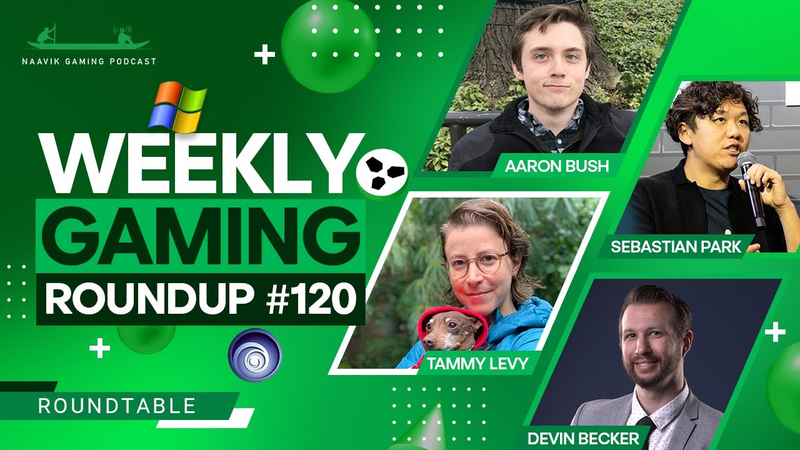
game to the next level head to codap payments.com or check out the details in the show notes and with that let's dive into the weekly Round Table hello everyone I'm your host Devin Becker here with another novic round table and with me great panelists as always we've got Aaron Bush Tammy Levy and Sebastian Park how you guys doing I guess Sebastian's been kind of uh zipping around a little yeah I've done something like eight time zones in nine weeks and learned that Arizona is not a real time zone they don't do daylight savings time so they're the smart one yeah I was just going to ask what have the highlights been of your travels other than Arizona making the right time zone decisions to not have a time zone change yeah I I I had a had a great time you know spent a lot of time actually in Asia and Europe so and unfortunately back and forth so um some of the highlights I would say is saw the um the founder of dopu Sabina um get married in Mexico City she's awesome their wedding was super cool and and and hit all the
trappings You' imagine of an Esports gaming wedding but then also saw Korea blockchain Korea Fashion Week Paris fashion week and twitchcon as well as Esports business what I will say is that events are hard to run and I have a healthy appreciation for all the folks in marketing who run these events the best because um they're dearly missed at a lot of these events favorite event favorite event so I hadn't been to Paris uh this decade like I haven't been to Paris in five 10 years and I always forget how little French I know but I would say my favorite event by far was the bigcraft lp Summit in Lisbon they had a lot of awesome people I was on a panel with Tim Morton from frost Giant and I love Starcraft so it's always a pleasure talking to him and Brandon Mulligan and the stuff that they're doing out the middle so it was it was a lot of fun I got to say that was certainly the highlight and great thing in Lisbon highly recommend lisbin to
anyone who's never been nice awesome well hopefully uh things will calm down for you here and uh we be able to get get on the regular at least uh we'll use this as your touch point you know every every four weeks at least so we've got some uh great topics today I think this is actually one of like the less slow weeks maybe we've had uh in the last few weeks with a lot of earnings information and stuff like that coming out which is great uh so we have some stuff on a lot of sales numbers uh reorganizations due to some Ai and and some changes in gaming in general as well as earning season as I just mentioned and of course Aaron loves dipping into that getting into the details there and we've also got a industry report that I think is pretty good that we're going to dig into quite a bit so why don't we just uh jump into the updated sales numbers for October I think probably some expected winners yeah so there's a couple angles I want to to take with this but the first comes from uh you know last week we just saw UK box sales so you know specific Market kind of specific bent
but um it showed that Super Mario Bros Wonder Spider-Man 2 and EA Sports FC 24 are you know just dominating the top three spots um and I'm only highlighting that because you know a few weeks ago we predicted that would be the case for a while going into you know the holiday season so um you know a pretty easy prediction but that one is is looking good um also just as an aside looking at sales numbers um one thing I've noticed is what's not there anymore anywhere which is Starfield that one has fallen out pretty fast um so you know take that for what you will obviously it's also on Game Pass and such too so hard to we're entering that weird hybrid world of how do you track these things well um but just calling that out second um if you look beyond the unit sales Roblox is quietly crushing it on on Playstation
right now um as of I think it was like a week or so ago when the data was was pulled Roblox was the number two most played game on the platform um in terms of daily active users and according to cirana Roblox represented about 12% of all time spent playing in in that that time period so um I think that's second to like only fortnite I believe um but and I'm not sure if it'll stick there or grow shrink I'm honestly not not sure um but it's a pretty amazing debut um for for this for this platform on on PlayStation and their crossplatform Ambitions are really clicking in into into higher gear and so I'm curious to see what that'll turn into like business results wise um going forward but a really strong early indicator and then the the last stat I wanted to share um
and I'm curious to hear your thoughts on this too is that us video game content spend is approximately $ 34.1 billion year to date that's up 2% from the same year-to-date time period a year ago but it's still down six to 7% from the same period in 2021 um and obviously if you factor in inflation on an inflation adjusted basis the real sales are actually down um from last year and what I'm struggling to fully wrap my head around is why like why are inflation adjusted video game sales in the US down over the past year given that this has been like a much bigger year in terms of like hit releases uh and and such and you know if you look at even just like US GDP like it had a really strong Q3 it was up like 4 point something perc and you know maybe that's not a
perfect indicator and it won't it's not going to stay there um but you know however you look at it like the economy is actually stronger than many people think at least in terms of how it's being measured and there's just been like we've talked this past year on about like how this this year because of Co delays and such how just like the Slate of game releases this year is the best we've seen in a really long time yet spending is down inflation adjusted so um why is that and I kind of wanted to open that up to the group just to see if there's any broader thoughts or Reflections on you know where we are in time right now with just video game sales big picture it's a fun topic because the we should first start by saying we have no idea I hope hope people hope people miss that comment over and over again but yeah we're not sure the macroeconomy is such a weird thing to say on a like the US savings rate is massively down to the GDP is really boed by a lot of non saving spend
that's happening in the US but one thing I noticed a ton as I was traveling Asia and Europe which I don't think I would get as much if I had just stay in the states it's just the pure impact of the US dollar relative to the market of everything one thing that we're probably going to see a lot of as we see left and right be left being I was gonna say left and right East and West between Europe and Asia is that the yen is 150 to1 right now that exchange rate basically means that a lot of the sales numbers that we get converted back into US dollar are going to look very strange and different than anything else the euro is at like 106 104 to one like some of some of the like weakest we've seen every other currency mostly has a function if people are interested in the fact that us treasury notes are so high yielding that we're seeing a lot of movement from folks in different currency nodes into the United States and thus like that exchange ratio
is changing so unless you're the creator of OIC and you're Denmark everyone else's currency is effectively getting beat up by the US dollar right that seems to tell one of the stories as to why we're seeing this these growth numbers change the second one I think you touched upon a bit earlier eron with regards to Starfield right we're entering this like weird spot mostly in the US we don't see subscription rates as strong outside of the states right now but in the US we are seeing the shift from overthe toop or even just box sales to more of a subscription based model and it may just be that revenues are lagging as a result we've seen this in the Xbox Microsoft earning reports and we just don't know as to whether or not that's a full movement in that direction or if it's just being banked in different ways and'll reveal itself in different ways the the last thing that I will say is that 21's a really interesting measure I I love 21 in part because it may just
represent Peak spend like it's not it may not be the step ladder that we thought it was where we go to like 36 billion then we go to 40 it might just be that that's just about the carrying capacity of the United States in terms of video game spend and it may not matter how many new age titles there are in fact if you're a game developer it might be worse for you in part because if there's only $ 36 billion or $40 billion do to be spent on gaming it's just split 30 different ways as opposed to if you're the one big hit of 21 or 22 you get to capture all of it so those are three hypotheses out there for people to think about and I I'll expand on on one of the pieces that you kind of touched on um which again it's kind of just like a hypothesis but I think that there's also the piece around um the penetration of like different consoles and different gaming systems based on geography so I think that there's also you know we're seeing a ton of game releases but you know it's they're in
different platforms you know there's a lot of movement on the Nintendo side on the PlayStation side uh not as much on the uh Xbox side yet also Xbox moving towards like the subscription model and pushing really to the Game Pass uh subscription model as you mentioned I think like there's there's some Dynamics there about like you know we would need to look at you know the the hit and releases and sales based on platform and uh Market penetration per platform in different um geographies to I think to get a better understanding of what are also some of the consumer side Dynamics there that are not quite captured just by like big sales numbers yeah we did see a Microsoft specifically saying that the that Starfield actually grew their their game pass numbers yeah yeah yeah it definitely
definitely did it was Game pass's largest Catalyst ever um so I would hope so um but yeah for what it's worth the number that I I threw out the what was it 34.1 billion that was just us um content spend so that wasn't Global content spend so probably all the the global elements like uh currency exchange rates and stuff probably don't apply to that number as much but yeah I was just curious like how much of it really is just like macro influences um and is there anything we can gauge from that to like almost like take as a lens to look forward to the next couple years too because if it is um consumer spend related for example like Sebastian you noted how savings rates are down um I also looked at like credit card balances which are way up um and so uh it's interesting to say like okay so credit card spend in and just like consumer debt is higher than it has been in in a
really long time obviously interest rates are higher than they've been um as a result of inflation being higher than it's been and so it's not hard to see how there's just been like a consumer spending squeeze of some type where consumers have had to resort to more debt and maybe like through the cracks you know gaming has fallen a little bit uh in terms of the priority list to what people spending and it could also too be that um just freeto playay you know taking taking market share and therefore giving consumers more flexibility and picking how much they want to spend when they're playing the same amount of time anyways um and I think again we don't really know what the right mix of all of these factors are that's leading to this specific number for this specific time period but it's interesting to think that because I don't know if again we don't even know looking forward to but it's not hard to see how the GDP numbers
that we see right now probably aren't sustainable how the consumer spending if they're taking on more debt and saving less how that could result in even more of a squeeze going forward especially if interest rates remain inflated um inflation stays High to some degree and it just leads to even more of a squeeze over the next few months or year however long that you know it it could just be like a flat market for a while which has you know ramifications for other things we'll talk about in this episode too like new companies coming and trying to steal market share how big companies are reacting and trying to you know maybe think less about growing their revenue as much as growing their profits and and things like that but really like when we talk about how companies are changing their cost profiles and all that like this is the top of the funnel to to all of those decisions um and so yeah it's just interesting to kind of spend some time talking about this and I guess you know it's an always changing narrative
and kind of hard to foresee but um I wish it were stronger than it was but it's not it's not as strong as it looks is is kind of my my final view Erin what's really funny and this is probably the funniest um funniest hypothesis of the group which is the other way to look at it is that gaming is historically counter cyclical we have seen a lot of trend lines over the last 24 months that gaming is becoming more and more ccal and if gaming seem poor while the economy seem better maybe we're back to being counter cyclical baby like just it's one of those things where this could this could be that this could be that I don't really buy either I do think that spend is just changing and and I am worried overall based on just what we're seeing in the startup markets that people don't understand how to operate businesses in a nonzero interest rate environment and that learning is going to take a while to change because as humans we build heuristics over
experience and time and it takes a very very disciplined approach to change your priors quickly if you are an executive who came up in the industry in the last decade like I mean like there's no way in hell you know any world that looks different than a zero interest rate environment we haven't had a nonzero rate interest rate environment since the Xbox 360 so like and that was only for a year right like before that you'd have to go back to free Dreamcast free SNES to see really real interest rates and how their effects on the world were so I mean a couple questions that like things I'm curious about uh that you guys might have some opinions on this with one of it which is like whether or not you think some of these sort of like half-baked releases that have come out that are like have been just kind of falling on their face like redfall uh payday 3 like in some ways Diablo 4 but not really because that that managed to get the sales it was I think going for uh have any effect on this and I think a lot of them actually except for before ironically enough were ones that that
debut on Game Pass um like redfall Starfield payday 3 where we have a situation where people Maybe not pre-ordering maybe waiting to see and try it out situations like that where it's maybe a little riskier or getting refunds now like steam refunds are obviously a way you know that I don't know if the the sales numbers end up getting adjusted for that or not like if people refund after are those sales number still being counted uh so that's one question is like whether or not that has any impact you think or will have impact going forward especially pre-orders being such a large part of like a lot of the console Market uh and these AAA games that are like going for like a premium and the second thing is like whether or not if if people are loading up on debt uh and getting situations where like you know they don't have the disposable income to just plunk down 60 70 whatever the retail price ends up being do we just see that as more of an opportunity for freeo play and shifting towards that model where people just get kind of lured in slowly they start out with you know let's say diablo 5 was coming out as free fre to play like Immortal did and they're like
oh you know it's fine I could just try it out and then they end up addicted and spend maybe probably what they shouldn't because obviously people are willing to spend into to debt when they're in a casino uh and there is more than enough Behavior similar to that in freeo play uh so I wonder if that could end up just like taking even more market share away from uh the the premium purchases partially because also the premium purchases can't really go up to a price that really justifies the production cost anyways as we've touched on many times before so like yeah those two things I guess are kind of the the stuff I'm wondering a little bit about if you guys have opinions on I do think that there's there's kind of like an element of like free to play getting deeper and deeper into just the overall industry and like it there's like this this combination of like free to play and subscription like doing this push pool like against box sales right like there's you know the the mentality is Shifting like that is also shifting on the consumer side um so I think that part of it is like for teams and and uh
releases are not adjusting also that mentality to you know this is like real pressure coming from the consumer side and from the market I think that it's just going to land on like you know disappointing sales numbers in general uh and that's just going to kind of change and and get magnified over releases more and more and more the other thing that um as you were uh talking about just like you know some releases falling flat on on uh sales and what not and just like quality one of the things that you know came to mind as well that has been kind of brewing in my mind is we are also at this point where we're on like fourth fifth plus iteration of some franchise instead of you know Fresh franchises coming up like there's a few coming here and there but we don't have like we haven't really had like this influx of franchises and like interest new interesting content um that
you know can drive this like all of a sudden like boom in sales for um an interest from the consumer side so I think that there's also a little bit of just like tiredness right like you know how much are you going to play the fourth fifth sixth iteration of a game uh you might be a super fan but you're getting down to like a NE more and more and more and more Niche um part of your Market in general so I think like there's also a piece to that that I was thinking about that you know I don't know if you guys agree with that but I I do think that part of it is just like you can only recycle the same franchise so many times before it starts just you know being diminishing returns unless you're Call of Duty apparently Tammy I think that's that's a really interesting point I've heard come up a few times over the last few weeks and it for me it's come up in the question of hey what are what is a new esport like we haven't seen a game
explode in the community sense to the point where a new esport has been built since really fortnite right like you can say Among Us and fall guys might be the other two candidates but even if you count those two it's been years right and so it might be da Cycles it might just be it's taking a lot longer it it may be that there is no expansion but I think your point is really well taken where a game like fortnite did grow to PT I I think unequivocally it brought more people to become Gamers and more things to apply as game content acquisition that we've seen before similar to how freeo play grew the P what is the next thing that grows the pie as opposed to the next coin Master clone which will certainly capture a lot of money but won't grow the pie the same I think they're both super important I think that freeto play obviously is a Tailwind that's going to last a very long time and is going to you know scale engagement probably at a
faster rate than spending especially in harder Economic Times but still sets the industry up for good long-term success but also like I think the franchise point I don't know if I fully disagree with what you're were saying Tammy but when I when I look at a bunch of these companies it is the franchises that are driving growth and are showing to have the most pricing power like if you look at Activision Call of Duty and the ecosystem that they've contined to be able to grow around it has been what's been propelling that business the most with EA you know they uh I guess it's EA Sports FC now um that's the franchise that you know year after year has been scaling its user base and scaling its spending per per user and I think you can kind of go go down the list even we mentioned just like the top selling games of you know of recently Spider-Man 2 is crushing it and is going to have really high attach rates for the PS5 Mario Super Mario Bros Wonder kind of the same thing and you still need those
franchises to do really well on top of freeo playay and other things to to grow the pie but so yeah I don't know I I really do think it is more of just like a macro thing um with just where we are with consumer spending and um as long as the industry is focused on growing the pie engagement wise I think that the spending will eventually come but it might not be a straight line and so we just kind of have to remember that as we're all building companies and planning costs and all of that kind of thing well it does seem like freeto play could be something that that as Sebastian was saying helps grow the pie uh depending on like finding new genres and new audiences right so there's it does seem like there's may be an opportunity where maybe maybe it is a new franchise maybe it's not maybe it's just a something that expands out to uh an audience that is like a broader audience like we see Diablo for example really trying to push that right trying to avoid the narrowing of the audience because like with Diablo 1 and two they
narrowed the audience very hardcore and then they tried to expand that out with three and four and Immortal and like I'm sure Immortal did expand the audience a little bit right into Mobile uh to to an audience that maybe hadn't played the Diablo games and so there's definitely a push to do that and maybe that is how we sort of get around this issue is to just try and find ways to grow the pie with the freeto play because people could afford to try something that's free in theory right and and that becomes an opportunity obviously that's big on mobile and I feel like maybe the hard part about this is console really not having a great free-to-play sort of like audience outside of like fortnite or uh like war zone stuff like that I mean there's obviously some big players but it feels like you know it's still kind of a a premium title sort of ecosystem compared to mobile which is obviously the exact opposite of that or even steam which is is still pretty premium driven there's not like a lot of great freeo play going on on Steam because it's just that sort of like core gamer audience that we like to talk about and like maybe is that sort of of erods uh from new like people coming up in age and
things like that that we we sort to expand that and get around this I mean I don't know obviously lots of potential for how we deal with this whether it is counter cyclical or not because obviously I don't think people are suddenly going to get out of this debt uh especially with inflation hasn't really been like completely defeated obviously we're speaking pretty us-centric right but like a lot of this does affect some of those global numbers um and also like I think these earnings uh correct if I'm wrong Aon we're we're mostly accounting for like the up front sales and not really like any kind of live service sales or or free-to-play stuff or any that right for the big stat I threw out the 34 billion you mean yeah I think that's all spend um so it's not just like upfront box sales I think um so I think it's pretty pretty complete yeah I think it might be interesting to even like segue this topic to Tammy's topic which has lots of interesting data and stuff too that we can maybe kind of take to talk more about where all of this goes for different parts of the the market uh yeah yeah we can jump right
into that um so yeah there's uh a couple reports that came out in the last week or so um Q uh focus on Q3 uh one was from Drake star the other one was from Convoy uh they're mostly focused on m&a and funding activity across gaming and I will say also gaming adjacent Tech um so yeah thought it would be interesting to do a quick recap of the reports and dive into some you know possibly speculative like this whole conversation is very speculative right um based on their takeaways uh and what we're seeing in the market and kind of like all these dynamics that were're already discussing one of the things that I found that was um interesting is that some news outlets like uh gam speed kind of picked up on the big numbers and you know that's it makes sense and it's like picked up a big number of like gaming m&a deal count uh is down 60%
year onye but really just doesn't tell the whole story of their reports uh whatsoever so um if you read the the reports there's actually more optimism optimising injected into their takeaways they both came up with um you know Drake SAR was uh calling out uh expecting m&a activity to start increasing and steadily increase throughout 2024 based on kind of the dynamics that they're seeing uh in Convoy which I thought was overly optimistic but they were calling out that you know gaming funding has normalized to preo coid levels I think that there's a lot more that happens in the in the market to be able to just say hey it's it's normalized to before uh coid so not quite there but I do I do think it's like seems to be stabilizing uh so let me just go through like some quick numbers and then we can keep going on the conversation uh so uh quick beats here were m&a activity
restarted uh by some of the biggest strategics after an extended quiet period so that came from tensent uh and plka and all in there were uh north of 30 deals announced um you know in the multiple billions of dollars one side note is that uh Drake star's report includes as I said kind of like gaming adjacent Tech so you know one of the biggest deals that they uh included in the report was an offer to take a hoot uh private uh and it was like a close to2 billion deal and it's more like a learning games platform so it's not quite you know the just the games industry um Zoom inversion on the VC front um you know there's been about a billion in disclosed deals uh north of 180 deals
that's where the uh you know comparing that from Q3 2023 uh to Q3 2022 that's where the 60% yearyear decline comes uh from but looking at last year uh I was looking at like okay what happened Q3 of last year there were some big metaverse web3 races so I also don't feel like it's like a quite like an Apples to Apples comparison right like we got um limit break and loot MoGo with two million uh 200 million each and then Anoka 100 million so there's like those are huge races huge numbers um that are not quite you know I wouldn't say like you can quite compare 2023 to 2022 when you have that in like a single quarter um but all things considered this year
things look very different VCS are focused on early stage uh that is like pretty clear like 85% of the deals are in the kind of preed to seed stage so that's you know a big shift we were seeing in 2022 a lot more kind of late stage backing which is um you know middle like growth and late stage backing and right now it's super focused on preed to seed so early early early uh funding smaller that also means smaller races in general so you know kind of that those Dynamics pull the numbers down uh and you know yes considered like the biggest uh races for the quarter were uh a total of six were over 50 million with not only one of them uh hitting like the hundred million dollar uh which was from the match Masters guys um second biggest one was
from uh second dinner Marvel snap um so you already see also like different Dynamics there it's like two free-to-play companies mobile but they have live games proven games growth audience like they have kind of all of like these you know check check check um and really three of the other uh big races were uh AI gaming adjacent technology so you kind of see that that new trend in and dynamic in the market um and there's not a lot to talk about in like the other piece which would be that they usually cover would be IPOs because that has been pretty much stalled for uh quite a bit but that's like across Tech um so that's that's the the the quick hits there um you know there's a lot that we can speculate on how 2024 uh will look different I've seen
you know across the industry two it's very polarizing I feel like right now you see the very Bleak uh point of view of saying buckle up you still need to as a startup uh and even like bigger companies right like you need to be really optimizing for your or structure profit um you know Etc Etc buckle up you need to survive 2024 and then there's the other side of the spectrum where I'm hearing like optimism and it's like oh we're going to see an uptick and uh you just need to have the right angle right so um yeah the first you know I just wanted to open it up to you know hearing your guys's take on like especially like these these two big takes on like where the market might be going and you know what do you think we can expect uh going into 2024 the the funniest
thing about Venture is that Venture is different from private equity and other types of investments in that they have different time scales and oftentimes when I talk to investors I talk to operators the biggest Edge I see in people's thinking comes from the ability to properly ascertain what their time scale is I think it's not a coincidence by the way that we have a combination of people who feel bearish about the world and also more investments in preed and Seed stage companies because seed stage and preed companies by definition one would hope unless people are really messing up that definition are are bets for not 2024 but for 2026 2028 2030 2032 right given that it makes I think that aligns really well that hey we are seeing more interest and more growth in those sectors the idea though that we should therefore be optimistic about 24 doesn't seem grounded in anything
that makes sense to me and and I I'll I'll jump into this uh more deeply projection as a rule of thumb predicting Beyond 24 months is is freaking impossible like this is a a known thing in decision science that making projections Beyond two years with our information is speculation and as long as we couch the speculation with the risk adjusted mentality that we have it's a fine thing to do but it's it's sort of useless from a being correct perspective you're always right 6 months after the fact right like we're we're very much correct about what happened 2022 in 2023 given those Dynamics as a company as a startup as a Founder there are really things that you should consider the first one is irrespective of how you think the market is going to turn you should make sure you're alive in 2024 right and so oftentimes the advice I hear is less binary in that hey it's
going to be good or it's going to be bad at least for me it's a lot of hey if you're the type of person who's really overly optimistic I will spend more of my time talking to you about profitability getting Revenue targets vertical slices making sure you survive 24 if you're someone who's so bearish that you don't want to do anything then the conversation inevitably turns to hey things are never as bad as they see it things will get better it's un likely for interest rates to go that much higher that much faster than they already have but the idea that but there are like these hilarious Downstream effects that people don't recognize when they give advice that's misunderstood uh I'll give you one example and I'll turn it over to Aon and Devin but people are projecting that interest rates will drop precipitously in 2024 like go to like back to like zero interest rate environment I've heard this prediction and when I hear people talking about this I let them know that I hope to God that does not happen if interest rates If the Fed reduces
interest rates to 0% that means something's massively screwed up like we're in like a 08 or n or 01 type of recession because the only way the FED reduces interest rate staff precipitously would be if the world economy is screwed right and so it's fun to hear people have these projections that seem optimistic but know that Downstream we should just assume hey the best assumption is that we be in stable state make sure you survive stable state or worse if you're a startup and then adjust accordingly and if you're inv Venture you get to think and dream about the 10 year outcomes and you get to be optimistic because yes there will still be games to 10 years and the piie hopefully will have doubled or 10x but either way we're GNA see companies with different time scales yeah I think that's well said um and I think the bull case too for there being some type of Rebound in the numbers that these reports are showing like m&a IPOs um it's not that farfetched in the sense that like well
if you basically have no IPOs like you can really only go up from that so it's not like a crazy hard prediction to to make that case so yeah sometime sometime upcoming in the next year two around then you'll see more IPOs because duh like there's there have been none um m&a obviously is a bit trickier because there's so many tears and meanings to what that could be um and yeah maybe you see other large companies those that like have a ton of cash and have like the balance sheets to be able to make large Deals they continue to build out their ecosystems in the same way that we saw Xbox and Activision like I don't think that's crazy and the public market with those companies is generally pretty you know pretty wise in terms of like getting those prices right um dayto day um but I think when it comes to not the companies that are already public but more like the venture compan companies going public or getting acquired it's
probably important to just recognize where we are especially in like late State late stage Venture in the cycle and I'm not super involved in that day-to-day myself maybe sebas will have some some extra thoughts here on top of what I'll say but U clearly like Venture funds in gaming they're not on average not raising as much money right now as they used to um valuations still compared to a couple years ago are down a lot which doesn't make as big of a deal for seed stage because you're starting from Ground Zero um but when you're a larger company trying to raise more money um it means you know more down rounds or just restructured rounds of some type which are less compelling and maybe it forces those companies to think more about their profitability limit their burn rates and just ride out a like a harder economic time without making some big drastic transaction type of type of change and I I call this out
because it's important in the sense that the health of the late stage Venture Market is the step before you get to the m&a that drives um these metrics or and the IPOs too right and so you really need a healthy late stage Market to to then kind of be the precursor I think to a healthy IPO market and m&a market and saying that in 2024 at least early 2024 that you know m&a is going to turn around IPOs are going to turn around that seems wrong to me or at least because it's very early um I don't know what's going to happen a year from now in late 24 or 25 maybe then you can start talking more realistically about it but uh yeah I I kind of have a feeling it'll be more the same for a while and we'll always see Exceptions there will be wacky deals that come out of nowhere who knows what you know like I said savy games will do or what a Sony could do or something like that but um yeah I I would slow
down the optimism a little bit but I'm curious on that that late stage Venture part Sebastian do you agree with that or do you have any added can I jump in before before the the more knowledgeable person on the on the late stage uh I do think like that that's a huge Point uh that you just made Erin I think that um the downstream effects of the the late stage funding they're not getting taken into account into a lot of this these reports um and I think that part of it it also starts on like a lot of the companies that would be looking for kind of late stage funding uh did you know big rounds big races at huge valuations like very generous couple of years ago right like it was the boom of 20 like late 2021 and like early 20 22 or some somewhere around that time but you know
a couple years ago in the you know hundreds of of millions of dollars so they have Deep Pockets but that money can go very quickly if not like if they're not good operators right like if you're not a good operator or you have like a different thesis and um you do not adjust your operations to like the new world like that's going to you know get depleted very quickly um and I think that those Downstream effects of you know what happens to those companies that raise like these huge rounds at huge valuation like that's going to have a much much bigger impact in um 2024 2025 26 even uh than like a lot of like the you know as as Sebastian was saying like the early races like that's that's different time scale I think that the really the impact on like the next couple of years is going to be kind of those that late
stage um I do think like you you made a super good point there I Erin I think your your point about the fact that if if it's in November because we're recording November 1 so we're in November of 2023 I think it's fair to say that we only have up to go from here for 2024 right so I I do love projections like that it's one of the things I see a lot on at conferences where people make statements that are just factually true and people just nod without thinking about the implications of it I will say that there is a bearish take on m&a occurring which is a lot of people actually do enjoy going in on their own they like building their products they still have solid revenue streams but it may not make sense for the people to continue to run it and in a bare environment where you can't receive more funding to continue to grow your business you become a stable State business you start to see a lot more m&a just purely as a function of you have now a mom and pop business right a lifestyle business as they say a very
lucrative lifestyle business and I think gaming is going to see a lot of really interesting things happening over the next few years on that point we haven't seen a venture style class of businesses prior in gameing they were typically not Venture they're more publishing they're more relationship relational do these things make sense to keep operating are the founder quality that we've seen who want to be World voters want to continue to operate businesses that do a few million of AR I don't know the honest answer and I don't think anyone knows but I do see a world and I think there's a very strong possibility that instead of raising money you might just want to call it quits now quits in a bad way you'll still the team will all make money but if you have an option between raising 10 million at a down round off of your massive valuation or selling it that still clears your preference stack such that everyone gets some money and you have a few years of working with a larger publisher or Studio before you
move on I think we're going see a lot more of the ladder I think we're gonna see a lot of people taking that step and and that is a type of m&a we'll start seeing uh Tammy's point with regards to these crazy valuations I have no insight into their burn rates so I really don't know like when they're going to come to market right there is a version of this where I have seen Studios raise a ton of money and immediately try to burn it in 18 months and this was one of the big mistakes I saw among my colleagues in gaming Venture the past few years is that they didn't set expectation as to what the team ought to do a triaa game dep cycle even if you're in Korea or China where they work $200 hours a week somehow is still you know four years like four years is fast like four years is super fast right the typical SAS development cycle is 18 months right and so if you had made a bunch of investments into people who are thinking that they're building businesses in the same mental model as a SAS business
where you raise after a year and a half you're going to be a lot of hurt right now because probably after your initial large tens of millions of dollars raise you only have a vertical slice at this point right you only have a vertical slice and you're really riant on people having Sun cost poliy you're really reliant on people doing a variety of different things fund so I would I would push on the idea that those companies are late in my mental model late stage is not a function of valuation late stage is more of a function of your company style and type and those companies I think are the ones that are making Revenue Building Product doing interesting things we're going to see a lot of death and probably Acquisitions on the companies that are really high valuation early stage companies and then in terms of late stage Market itself we'll see the fluctuations as a function of whether people want to continue to operate as just you know lifestyle and interesting businesses that are worth tens of millions of dollars do millions of AR these are not bad businesses they're actually we be considered amazing businesses 10 years ago but they're not
Venture right they're not Venture scale businesses and I think that is the question as to do those companies go the m&a route do they go the additional funding route or do they go the hey let's lay people off and go do this again which for those of you who are new to gaming is what game companies have always done they've always hired the ton to build large things and then lay people off when the when the psycle goes south yeah the last thing I'll say I know we got to move on to other topics I just want to call out the Paradox between um there being still however you slice and dice what you've foresee with late stage Venture and all that there still is a ton of entrepreneurial activity like in the past you know two three years you know it's like Peak gaming entrepreneurship um at least that we've seen so far but I also just want to you know pair that with the data that we were talking about earlier in the episode about like how the Market's flat and a lot of ways and so I think at some point like those two those two things
don't go hand inand to the same extremes that we're seeing right now so it'll just be interesting to see can this entrepreneurship grow this market and in more new ways that we haven't seen or it's just going to be more of a red ocean where these companies kind of have to compete with everyone else including all of the other companies out there and that's going to have Ripple effects for looking Beyond just 2024 but like how Venture markets and m&a and IPOs and all that stuff play out even further into the future so I would just be paying attention to kind of the two sides of of that coin there yeah and I'll I'll add my my my final note on this too which is um I do I do think that there's there's a couple pieces one the know a lot of startups what what um Sebastian was saying is like hey you know some companies might decide to just go under or you know get you know acquired I do
think that there's you know this um you know headline that you also see or people saying like oh a lot of companies a lot of startups will die that happens right like that's that's going to happen that's that's the definition of a startup so I think it's also like trying to like you know highlight something it's just like it's part of the cycle and when you when you're running a h up do startup finding a startup you're inherently taking that risk that you know more likely than not it will die so that's just part of the cycle in terms of how you know the the VC funding works and how startups work and operate um and the other piece is I do I do feel optimistic at least from from my point of view on you know with all of the funding activity and all like the the you know entrepreneurial activity right now in games and focusing games is you know we have a very crowded Market um
we're trying to solve for you know distribution finding efficiencies and I think that you know the fact that we are seeing uh activity and you know more start of uh pop up and try to figure out these these challenges that we're seeing as an industry as a as a you know just overall um prison like observing the the the gaming industry and where can we go that gives me hope because it means that you know we're working towards like finding that that growing that pie finding more players finding efficiencies uh coming up with a new creative products so kind of like that's the other flip side um of this conversation I'm just like I'm hopeful right that that we are putting that Creative Energy towards like solving these challenges not only that like being like ah it's so hard in terms of finding efficiencies uh
we do have at least some interesting reorganizations happening like besides just the m&a obviously like companies that did acquire having to reorganize now internally and some some interesting stuff there Sebastian this may not be the most human Centric statement but most companies and most Business Leaders I've met often use opportunities of strife to reorg to fit the vision of their compan meaning it's just a good moment in time as you know that there's a lot of movement in the market to take a step back and be like hey what does the company look like in the next two five 10 years try to have a sense of what your guiding principles are and then reorganize RIS even though we see a lot of hype around Ai and maybe not as many results quite yet in terms of what AI as applicably done behind the scenes especially when it comes to QA operations game development product development AI is really taking over a lot of the nuts and bolts of La our
businesses as a result we're seeing a lot of reorgs happen we start to see this I think internally uh from companies that I'm involved with both personally and and through Infinite Canvas and bcrafty to see it at publicly traded companies as well and so I think that's been really a ton of fun to see and change which is that Microsoft is doing a reor around their gaming um division there a Great Piece from dver that covers a bit of it can also just read it in their in their reports but a lot of this reorg is really to make sure that the executive pool is ready to take on a lot more of the challenges and the Deltas of AI there will probably be fewer people doing things than there were previously and AI also presents an interesting challenge in terms of how the job work looks like in general here's a fun example infinite canvus is hiring an art director art lead person right now but it is the weirdest art director JD I've been trying to write for in my my career in
part because they're not going to be responsible for any artists like it's like the weirdest role in that like hey actually we need an art director to make sure that the direction in which the prompts are generating art assets are consistent with a of artistic Vision that they have that is such a strange thing to me I was strange to other people but like how do you write JD was like hey we need you to be art director art lead without having a team of artists report to you what does that mean like you are now effectively a manager but also an IC like how does that change and so we are starting to see those reorgs as people start thinking about the different applications of AI inside of their ecosystems yeah I'll just add I mean with Xbox too this is probably the first of like 20 reorgs that we're we're going to see see there it's not even just Strife in the market or just uh you know innovative change in Technologies people use that's good that's definitely a big part of it and you'll see that everywhere but with these big companies
too especially with Xbox changing new business models making tons of Acquisitions trying to figure out how to even like run all of these pieces together um especially when there's executive turnover um and and parts um that also presents an opportunity um for for lots of change as well and as we see with a lot of other big companies it's just you see an executive game of musical chairs um you know happen pretty pretty frequently and that becomes the norm at some point but I guess when you see it more broadly even Beyond these big companies that that kind of points to something more interesting yeah they also have to deal with the what 13,000 people of Activision Blizzard who are coming on board and and that inter action I will say uh people sometimes think that executive hiring and executive uh you know musical chairs is a weird thing but it actually is based on a Asian updating principle that I think people doesn't to it which is that if someone has won
$10,000 playing $1 $2 poker there's a chance that they're very lucky but there's probably like very little chance that they're awful at the game of poker and the flip side being that if they've lost $10,000 playing $12 poker there's a chance they got very unlucky but there's like no chance they're good and I think one of the things that we see a lot in executive reshuffling is hey like we know what people's strengths and weaknesses are we've seen what they've done in this like twoy year four year time period there's a chance that they if they' return infinite then obviously we can just continue to assume they're good but if they've returned less than what we expected then we should have some turnover if only because there are other people to put into the spots who may have a chance of being infinitely do you think it's also reflective of like shifting priorities as well because like for example uh Microsoft obviously is not nor like technically a game company right they they were more kind of an Enterprise software company and obviously they they built up the whole Xbox gaming Empire but then they're like acquiring more and more game companies like that are becoming part of their organism and like one of the things I
noticed for example in that the article was them trying to work a little more closely with bethesa with zenax stuff like that like obviously like they they pinned a lot of uh potential on Starfield right where it was like this was this was the big hype moment this was the big push for Game Pass and those kind of situations where they're like hey we spent a lot of money acquiring this company so we could have this sort of exclusivity we we we want to make sure that this is to work out for us long term obviously it did to some extent like does this like these sort of reorganizations also indicate these sorts of things around shifting priorities do they go okay we want to put more money into this but we also want to put like the right person that we've seen in charge of this and you have other people too like leaving as part of that like Bobby KK that then needs to be replaced uh but now he's being replaced as part of a bigger organism rather than replaced as head of the whole thing so like that especially in a company like Microsoft like does this indicate any kind of Shifting priorities or is it more just like let's fill in the gaps and the holes that we've sort of like realized exist as we
go for sure it does um having a business model trans transition as big as what Xbox is trying to do that's an organization wide effort where you have to realign you know it's like turning a massive ship like you have to realign everyone um kind of slowly to be pointed in a New Direction but you know like the captains you have on board to to kind of lead that transition it's really important to have that figured out um and yeah I mean absorbing a 60 70 billion dollar company like that that's just hard you know there's a lot of details in that um and so especially doing that on top of kind of a business model transition making those things gel together that's going to be hard so of course there comes with you know leadership changes um and and such um but yeah it'll be interesting to see see where that goes kind of my one of my themes for
earning season what I've seen so far is just that things are not always as they seem um meaning that what we see with Xbox and Microsoft right now is that you know this is the last view in the numbers of the kind of the pre- Activision Blizzard um merger here and so you know you see hardw re sales are down content Services GR 133% um game sales as a whole grew 9% like you know pretty good Hardware Hardware is still very much lagging Xbox is in a difficult spot none of that's new and much of that content and service sales is because of the Starfield impact this past quarter individual game Sales Plus The Game Pass transition and we know that um Game Pass is big big driver for for the the business right now um and so you know starting next quarter we'll probably see It'll be like 40 something percent grow so the numbers are just not what they seem and even
like beneath that some of like you kind of tear down some of the business Direction I have a feeling a lot of it could change like we've talked a lot about like you know is Game Pass really a sustainable strategy and where is that ultimately going to go we don't really know but I think it's safe to say that where we are right now especially kind of compared to some of the discussion from last week where um you know historically they missed sales estimates and things like that that they're just going to be trying things out um and like how they window games and how they have changed pricing tiers all of these things so I think it's going to be a work in progress for a while to figure out their footing on top of all the technological changes too like AI whatever that means for Studios Etc so things are not what they seem there and that has a big impact on the people side of it too um the second company where things are not as they seem potentially is Ubisoft and um you know that has other leadership discussions that we
could save for another day that we've hit on previously but I guess to kind of start on this there are always people on Twitter or X who as soon as earnings releases uh happen they just kind of regurgitate the press releases online and you know they get like hundreds of likes and retweets and it's sort of like the narrative that gets thrown out from just pulling like the top of these press releases is the narrative that people kind of run with and think about and I think in this case what was put out is is wrong and so the what was regurgitated is that you know Ubisoft is back you know bookings are up 177% Assassin's Creed Mirage performed pretty well the back catalog bookings were up 37% you know Rainbow Six Siege did well other Assassin's Creed games sold well their non-ifrs operating income which is like the international equivalent of non-gaap just to get technical uh you know they're showing you know 5% margin on that basis um and it's not totally wrong
like the growth is good and it's good to see operating income slowly shrink down they have better margins but when you regurgitate the press release or just look at what Ubisoft wants to highlight for you you're going to miss out on some crucial details there are actually some like really important things that that I noted that just no one was talking about um one they big Star Wars Outlaws game got delayed and so that's just going to have an impact on numbers for the rest of the year two the non-ifrs operating income view that is just like blasted front and center on everything is so stupid right now like it makes no sense not to get too technical but it basically just means management can decide what to measure and profitability and in this case um you know they're kind of highlighting oh turning around profitability it's working but if you actually look like beneath what they're saying earnings per share is negative they're still burning a ton of cash so like what's going on to make these views
different and one what what you see is that they have $450 million in in-house software related production that's capitalized but only half of it is you know put on their income statement as an actual cost and so you know just imagine like any company you put all this like development work in but you're only counting half of it towards what everyone is viewing as your profitability so that's just one thing that was a little weird second they ended up you know their cash shrunk they grew their debt you know whatever it's kind of manageable but all that interest expense is you know it adds to the burden too but they're not always counting it in every view but lastly their share count is up 20% year-over-year and I have not heard one utterance of this their bookings growth was up 177% and everyone's you know hailing The Comeback of Ubisoft but if you look at their sales bookings per share it's actually down um which is
kind of crazy when you think about it um and so again not everything is as it seems and part of that is just a call to like please just pay attention like journalists people on X just everywhere like before just regurgitating what you hear like just do a little bit of work but the second thing to this is just that in times of change and in s where like economic situations are harder and it has impacts on company situations being harder often there are a bunch of these companies that sort of change the way they measure or change kind of the way that they broadcast to you and what they want to highlight to make it not seem as bad as it is and so this is like that's the case with Ubisoft right now and it might be the case with others you know going forward this quarter into the next few quarters too so anyway just a call to do do your homework a little bit it's not all As It Seems Aaron that's the most ridiculous
thing I've ever heard you say asking someone to do their homework like do do do actually read the releases uh it it is Ju Just segling off with this a bit because I think it's super important that is an edge that I think eron you have that like a lot of people don't right which is that they make analysis not based on reading like reading is really hard sometimes just got to read and read and read and consume content and it is so funny to hear that Delta the flip side though by the way from the company perspective is it it sort of sucks when you have these like long time scales but you're like reliant on quarterly reports that sucks for them too and so I totally understand why people are switching their uh announcement things it's one of the reasons why a lot of the like publicly traded token blockchain companies make no sense in a lot of ways it's because like they have the same earning cycle issues as publicly traded companies and no one likes that like publicly traded companies don't like that reading
between the lines is really hard and I think it's partly why talking to someone like you is so valuable it's because you can be like hey here's the stuff that happened the last seven quarters here is the stuff that you see that's been changing and it really helps shift The Narrative away from what very smart people are trying to get you to take away from their press release yeah and it's never about any one quarter that's not even what I'm trying to say like I don't like I care about the long term the companies care about the long term we should be looking at all these as like stepping stones to just gauge what's going on and you know whatever the specific number is in one quarter doesn't matter but man um yeah I mean hopefully that's a value novic can add a little bit beyond just the normal journalism reporting out there but I have a feeling this will be a recurring theme as we you know over the next few months at least yeah I would short the idea that anyone that's going to start reading just like there are a lot of people that care though like there are a lot of people that that can and I even think
that a lot of like a lot of it is it's not even that people can't do homework as much as it is just like the state of Journalism or the state of just like how you get engagement on Twitter and all of these platforms through clickbait and just how like those ad driven models like that has sort of like put like a weird lens on on how people even look at these things doesn't really make sense but it's the way it is the other funny thing too is like uh I when you read these like consecutively like each quarter you start to notice like the patterns in the way that they spin stuff or the way that they're like operating the business and kind of reading between the lines and it's it still cracks me up to this day like and I I mentioned this many times as we've discussed Ubisoft earnings is that they're still calling out Rainbow Six Siege every quarter yet they're not like really capitalizing on live service games as a company yet their their like eight-year-old game is still help carrying them and they're still like
well we we made another Assassin's Creed sequel It's like yeah great but like how long as a company can you survive off that your other franchises did not do well watch dogs eventually unfortunately died you know Far Cry has kind of been just like not doing the greatest it's doing okay but like I wouldn't bet the company's future on that franchise right and it's like then there like attempts at try to push out the other live service games like X defiant ended up like indefinitely postponed now Skull and Bones is like postponed I think till probably the end of time I guess at this point like I don't know if they're actually going to release it or if it's just kind of like a running joke at the company uh and then like you know the other ones that tried to attempt it like uh Rainbow Six extermination that was kind of like a well let's just kick this out the door and try and get it going sort of thing didn't obviously do well but then their other sort of franchises that actually were doing kind of well like the division they're they're still trying to figure out how to to capitalize on where they're trying to like build these other games like homelands or like the mobile game to capitalize on that but they haven't like
quite figured it out yet like I see it when you know I got to play these betas and stuff where it's like they've got like some cool ideas but they haven't really figured out how to build a live service game great yet and like they kind of re like relied I think on massive to to make the original division games work it's just like they're in a weird spot as a company where they're just still kind of running off this AAA cycle and and trying to do as you guys said the quarterly sort of updates is kind of hard when you're just like well guys don't worry we got another Assassin's Creed coming out so don't worry about this quarter uh but Rainbow Six did fine you know it's there's in such a weird place as a company that I find it like I feel like they kind of just needed to get it together a little bit and and figure that out because they're they're constantly postponing stuff not getting stuff released not really kind of nailing the things they need to nail and then you've got games like for Honor that are like on year seven or eight also and never get mentioned in there because they're not really doing much for the company uh I
mean I think it's great that the game's still running but it's clearly like they're just they're just not figuring it out and obviously Rainbow Six was like a great game and that makes it kind of hard to replicate that but I feel like the division also did quite well and there's there's something there they could continue but it's like they haven't done anything with that game uh like the division 2 since the Warlords of New York expansion which was like what two years ago maybe at this point uh and so it's like obviously they're you know they're developing stuff they have division three kind of stuff and other things but it's just I don't know like I hate to see it because like they they could be doing I think a lot better and like as you said Aaron they're kind of like hiding it behind these things are doing well their Assassin's Creed came out like kind of look over here while we're like still trying to figure out what we're doing as a company and and hoping other companies like 10 cent kind of help us stay alive yeah last thing I'll say is that I I did call a market B them on movie stoft like a quarter ago and I'll still I'll still stand by it I think that you know even though there are things to work through it's just been they were
just obliterated and you know uh any good news can you know take the company up a level but to me like it's actually pretty simple they're just they just need to make more good games around their best franchises be a little bit better at live Ops and then just run a lot more efficiently and that efficiency piece is really like the biggest part where it just takes some courage from management to make hard decisions um and it's tough but it's not it's kind of slowly happening instead of quickly happening and maybe that's okay in the long run but that's kind of the Ubisoft story in a nutshell and it's not going to be just them um but they're I was gonna say you're your three points I think it's just like it's a it's a beautiful recap of like what pretty much everyone needs to focus on right now yeah I think so and some are in
better positions than others as a starting point um but but yeah Ubisoft and Xbox are always kind of at the beginning of earning season and so we'll see what patterns persist or not um going forward and really probably just get a pulse for 2024 also just from what all of these these companies are saying to kind of help inform our view for future conversations yeah definitely I think at 2024 like as you guys have said obviously you know looking even two years out is is hard as Sebastian mentioned but I think we have a pretty interesting 2024 ahead of us given the sort of state of everything at the moment we've kind of gone over the last year the ups and the Downs like that you know some of those UPS could continue forward some of those Downs could definitely get worse so I think uh I I look forward to the earning season and and some more of your insights uh Erin as well and in sort of the as Sebastian said your ability to read but also between the lines not just the lines they give you so I think we'll have to dig into a lot more of that as you said as those start to come out but uh it's
just Q3 uh so obviously we got Q4 as well and then 2024 lots of good stuff ahead uh hopefully good stuff ahead not bad stuff but I think uh as you know there's obviously still a future for games here for quite some time I don't think we're going to see the whole industry implode anytime soon unless something massive happens so uh lots of exciting stuff to talk about going forward but uh definitely I think a great conversation today around a lot of the the business details that I think we're kind of looking back on 2023 as things sort of like gel around a lot of the shifts since especially coid so I think those sort of narratives are going to build into uh Q4 should be pretty interesting but I want to thank everyone of course for listening to I think a very insightful conversation today and uh and of course our panelists for bringing that so definitely appreciate it uh make sure to of course if you're not already subscribe to the newsletter because lots of great stuff continuing to come out of there to the point where good luck staying on top of that reading uh as sebas mentioned maybe that's time to use
some AI to help you with that or something but uh lots lots of good stuff coming out so make sure to check that out of course uh as well as all the other content we have on the the podcast all the interviews like we've been also putting out a ton of interviews uh lots of great stuff so make sure you're checking all that out but in the meantime as far as the round's concerned thanks for tuning in and of course enjoy your weekend and we'll catch you guys next week if you enjoyed today's episode whether on YouTube or your favorite podcast app make sure to like subscribe comment or give a five-star review and if you want to reach out or provide feedback shoot us a note at podcast nov. or find us on Twitter and Linkedin plus if you want to learn more about what navic has to offer make sure to check out our website www.nic.edu learn about our wide ranging Consulting and advisory Services again that is www.nic.edu [Music]
Auto-generated captions from YouTube — names and numbers may be misheard.
The gaming industry is currently navigating a period of stagnation characterized by a complex interplay of macroeconomic pressures and structural shifts. While nominal content spending in the United States has risen by 2% year-to-date, it remains 6% to 7% lower than 2021 levels, a decline that becomes more pronounced when adjusted for inflation. This lack of real growth is attributed to a combination of rising household debt, high interest rates, and a fundamental transition in consumer behavior. As the market reaches a potential carrying capacity, traditional premium box sales are increasingly being supplanted by subscription-based models and free-to-play ecosystems, making performance metrics more difficult to track and compare against historical benchmarks.
Investment activity reflects this cautious environment, with M&A deal volume experiencing a 60% year-over-year decline. Funding has largely retreated to pre-pandemic levels, with 85% of current deals concentrated in pre-seed and seed rounds. Late-stage funding remains severely constrained, forcing many venture-backed studios to choose between down-rounds, acquisition, or closure. In response, companies are prioritizing operational efficiency, often leveraging artificial intelligence to streamline production and reduce headcount. Major industry players are simultaneously undergoing significant structural reorganizations to integrate large-scale acquisitions and manage the transition toward recurring revenue models.
A critical assessment of corporate performance reveals that headline figures often obscure underlying financial instability. For instance, some major publishers are masking negative earnings per share and significant cash burn through selective reporting, relying on aging franchises to sustain bookings while failing to launch successful new live-service titles. Investors are cautioned to look beyond promotional narratives and focus on long-term operational sustainability. As the industry moves through 2024, the path to recovery depends less on speculative market improvements and more on the ability of studios to reconcile high historical valuations with the realities of a more disciplined, efficiency-focused economic climate.

Naavik · 2026

Naavik · 2026

Naavik · 2026

Naavik · 2026

Naavik · 2026

Naavik · 2026

Naavik · 2026

Naavik · 2026

Naavik · 2026

Naavik · 2026

Naavik · 2026

Naavik · 2026

Two & a Half Gamers · 2026

The Game Business · 2026

Deconstructor of Fun · 2026

Deconstructor of Fun · 2026
Deconstructor of Fun · 2026
Deconstructor of Fun · 2025

Deconstructor of Fun · 2025
The Game Business · 2025

Naavik · 2025
Drake Star · 2025
Deconstructor of Fun · 2024
Konvoy · 2024
Comments