Fighting reports and market data
Documents
Next-Gen Audio in Killer Instinct
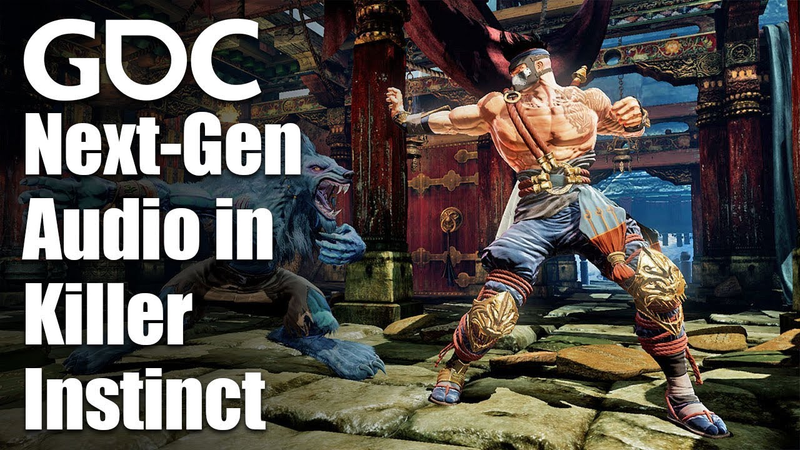
The 2013 reboot of Killer Instinct serves as a case study in balancing nostalgic brand identity with modern technical innovation.
- The Killer Instinct soundtrack utilizes a dynamic music system that adjusts in real-time based on gameplay, transitioning between verse and chorus states depending on whether a player successfully lands a combo of 15 hits or higher within an eight-bar window.
- To maintain audio-visual cohesion, the development team created 400 unique sound assets—50 per level—that function as a rising scale, allowing the game to trigger specific musical hits that correspond to the player's combo progress.
- The audio team implemented a spatialized sound system where stereo sound effects are split into two mono channels that pan dynamically based on character position, using variable silence durations to create real-time slapback echo delays.
The GDC 2015 Live 2D Animation Demo
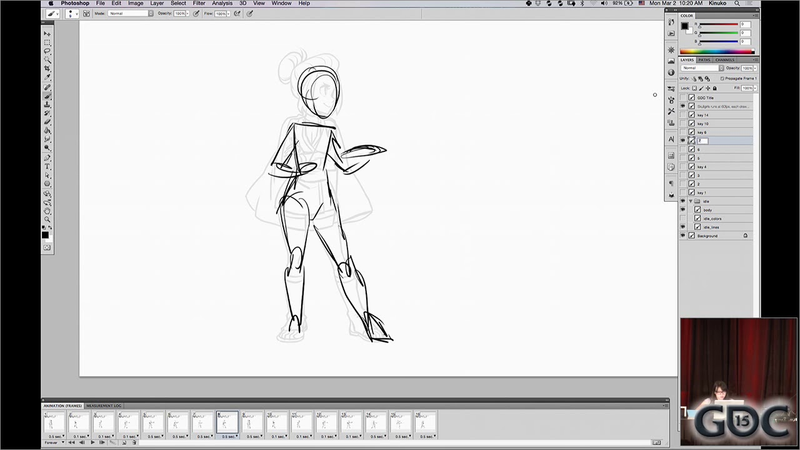
The creation of high-fidelity 2D animation for fighting games requires a meticulous balance between traditional artistic principles and the rigid technical constraints of gameplay mechanics.
- High-fidelity 2D fighting game animation requires a 30fps workflow where frame holds are precisely adjusted to align with combat timings for optimal responsiveness.
- Dynamic impact is generated through manual simulation of secondary motion, such as hair and cape movement, to compensate for the lack of procedural physics in 2D engines.
- Visual clarity during high-speed sequences is maintained by utilizing classic animation techniques like torso twisting, limb delay, and smear frames to bridge key poses.
Embracing Animation Complexity in EA UFC 2 Through Procedural Techniques
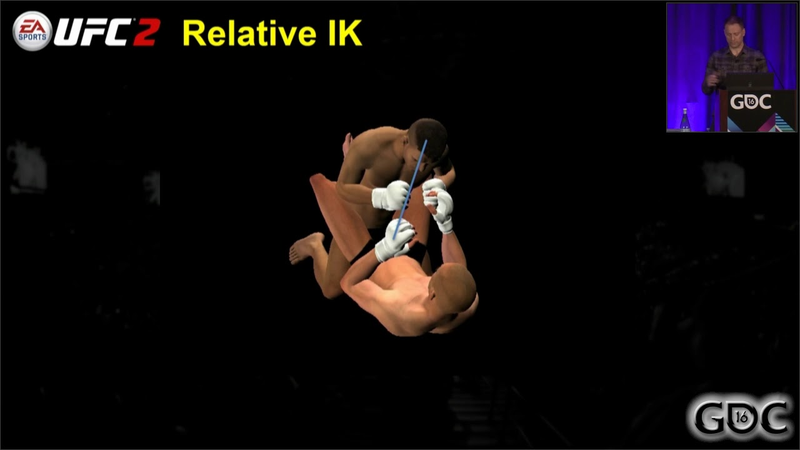
The development of EA UFC 2 centered on overcoming the responsiveness limitations of its predecessor by implementing a dynamic grappling system that allows for independent player agency during ground exchanges.
- EA Canada increased the number of two-player ground animations in the UFC series from 602 in the first title to over 1,957 in EA UFC 2 by implementing procedural animation techniques.
- The development team utilized a relative Inverse Kinematics (IK) system to ensure contact points remained accurate across fighters of varying body scales, preventing animation clipping and misalignment.
- Procedural layering allowed the team to generate complex grappling transitions and strikes by building upon a central state machine, significantly reducing the need for manual, frame-by-frame animation cleanup.
Designing AI for Killer Instinct
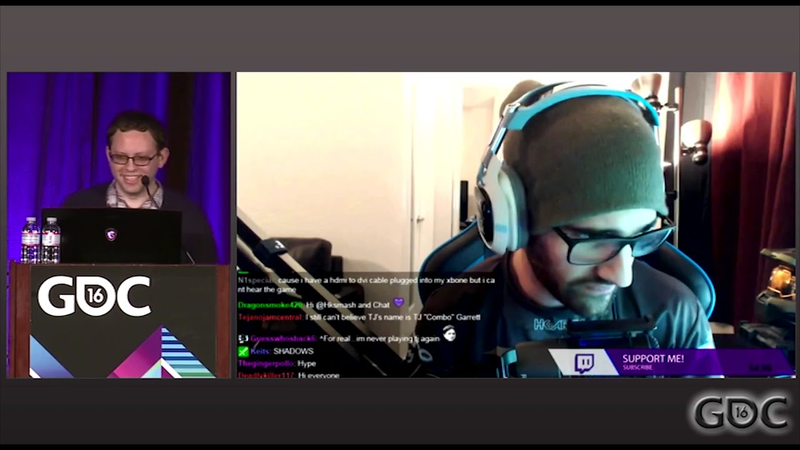
Traditional fighting game artificial intelligence often fails to prepare players for competitive environments because it relies on static logic and perfect information, which rarely mirrors the unpredictable nature of human opponents.
- The 'Shadow' system in Killer Instinct uses machine learning to create AI personalities that mimic individual player behaviors, strategies, and even specific playstyles rather than relying on traditional, hard-coded behavior trees.
- Human reaction time is a critical design constraint; data shows the vast majority of players react between 200 and 300 milliseconds, which is slower than many high-level fighting game actions, making 'perfect' AI feel unnatural or unfair.
- The Shadow system proved highly popular with the player base, with more users engaging with the Shadow mode than with traditional online multiplayer modes.

Injustice 2: Trauma Survival - Harley Quinn's Greatest Fear - Extra Credits
Injustice 2 provides a nuanced, realistic depiction of trauma and the long-term psychological effects of abusive relationships through the character of Harley Quinn.
- Injustice 2 depicts trauma as a permanent, ongoing experience rather than a temporary obstacle that can be overcome through sheer willpower.
- The game uses Scarecrow’s fear gas as a narrative metaphor to illustrate how psychological abuse continues to manifest as intrusive thoughts even after an abuser is deceased.
- Harley Quinn’s character arc demonstrates how abusers systematically erode a victim's identity and autonomy, making the rejection of ingrained behavioral patterns a difficult, non-linear process.
Smash Sisters: Fostering Camaraderie from the Ground Up
Smash Sisters functions as a grassroots initiative within the Super Smash Bros. community, specifically designed to increase female participation and retention through team-based crew battles.
- Smash Sisters increases female participation and retention in the Super Smash Bros. community by replacing high-stakes individual brackets with team-based crew battles.
- The initiative utilizes a decentralized, feedback-driven model that empowers local leaders to manage events while maintaining consistent branding and safety standards.
- By prioritizing social integration over competitive prize pools, the program lowers barriers to entry and serves as a welcoming supplement to the broader co-ed tournament scene.
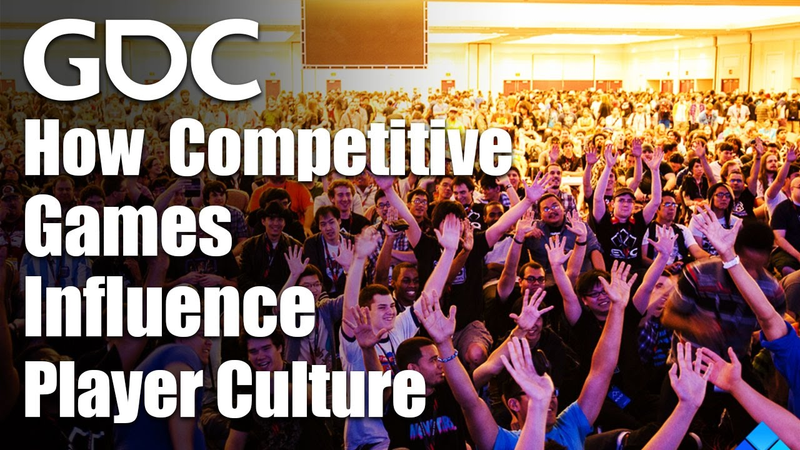
Arcade to eSports: How Your Competitive Game Influences Player Culture and Values
The evolution of competitive gaming from the arcade era to modern eSports reveals that the structural design of a game directly dictates the values and social dynamics of its player base.
- Game structural design directly dictates the values and social dynamics of a player base, meaning competitive ecosystems must be built to reflect the game's inherent culture.
- The fighting game community maintains a grassroots, open-bracket culture by prioritizing direct participation and personal mastery over the passive consumption models common in modern eSports.
- To sustain competitive ecosystems, organizers should avoid standardized, spectator-focused industry models and instead foster accessible entry points through youth and collegiate formats.

Why Marvel: Contest of Champions needs to rethink rewards for its Versus PVP mode
Marvel: Contest of Champions, a successful free-to-play mobile title, faces a disconnect between developer intent and player behavior regarding its Versus player-versus-player (PvP) mode.
- The Versus PvP mode in Marvel: Contest of Champions is the most popular activity for players seeking quick sessions, yet it lacks the meaningful progression rewards—such as premium crystals or catalysts—found in other game modes.
- There is a fundamental misalignment between the developer's energy-gated retention loops and the actual player behavior of prioritizing the most accessible and efficient gameplay modes.
- The current reward structure creates a friction point that discourages long-term retention, as players feel unrewarded for the time invested in the game's most engaging mode.
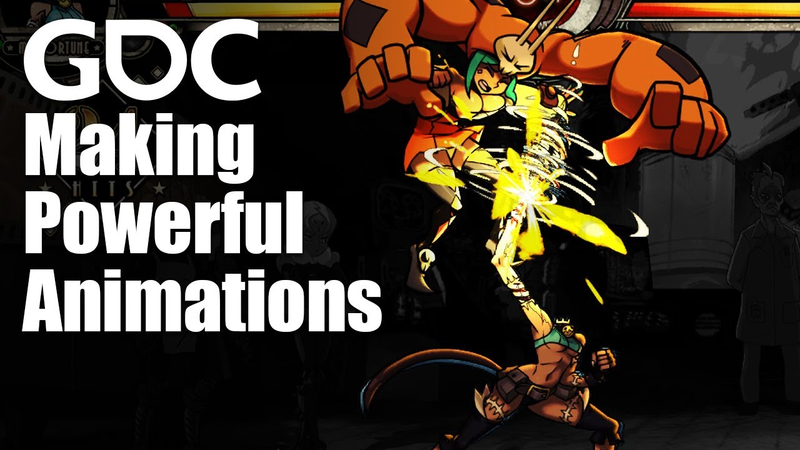
Making Fluid and Powerful Animations For 'Skullgirls'
Effective 2D animation in fighting games requires balancing artistic fluidity with the rigid constraints of responsive gameplay.
- To maintain responsiveness in fighting games, break down every attack into four distinct parts: anticipation, smear, the main attack key, and the return to idle.
- Effective animation in constrained frame counts (as low as 5–6 frames) relies on prioritizing key poses and using smears or follow-through (such as hair or clothing movement) to bridge gaps between frames.
- Prioritize clear silhouettes and snappy timing over excessive frame counts; holding key poses longer and shortening smears can significantly improve the readability of an action.
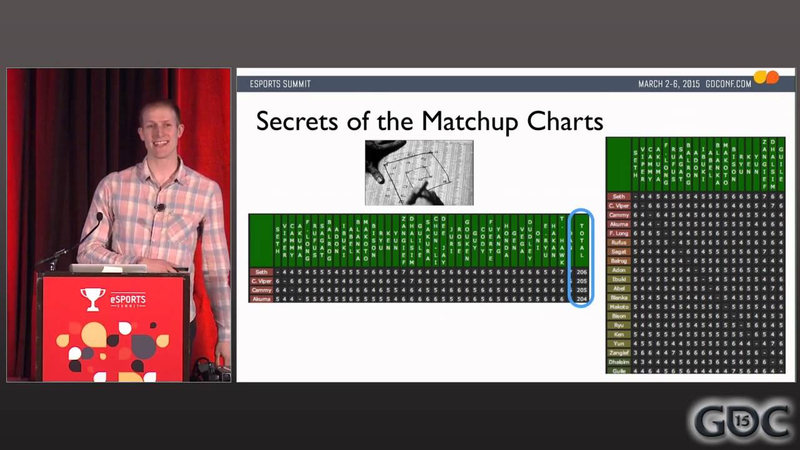
Metagame Balance For eSports & Fighting Games
Game balance in competitive titles, particularly fighting games, often suffers from a disconnect between developer data and player perception.
- Developers should shift from relying on simple win-rate averages to using game theory and linear programming to analyze character matchups as a matrix of win probabilities.
- By treating the meta-game as a formal 'selection game,' developers can calculate the theoretical bounds of character frequency to predict meta-game shifts before they occur in live environments.
- This methodology identifies three distinct categories of imbalance: characters that are always excluded, those that are sometimes dominant, and those that are always dominant.

GuiltyGearXrd's Art Style : The X Factor Between 2D and 3D
The transition of the Guilty Gear franchise from traditional 2D sprites to a 3D framework represents a significant technical and aesthetic milestone in fighting game development.
- The Guilty Gear Xrd development team achieved a 2D aesthetic in 3D by rejecting standard rendering conventions like normal maps and global lighting, which they identified as causes of a generic digital appearance.
- The workflow prioritizes manual artist intervention over automated rendering, utilizing Unreal Engine 3 and Softimage to treat each frame as a hand-posed keyframe.
- Visual consistency is maintained by manipulating vertex-based data—specifically vertex colors, surface normals, and lighting vectors—rather than relying on resolution-dependent textures.
The Fighting Game Problem - How to Teach Complicated Mechanics - Extra Credits
Fighting games are often defined by their high-level strategic depth, functioning more like complex war games or chess matches than simple tests of reflex.
- Fighting games currently suffer from a high barrier to entry because they require players to memorize hundreds of button combinations and mechanics before they can engage in meaningful strategic play.
- Traditional tutorial systems relying on static text and practice rooms are ineffective at bridging the gap between novice button-mashing and the decision-making required for competitive play.
- Developers should utilize single-player campaigns as structured training grounds by adopting RPG-style progression, where players start with a limited move set and unlock abilities over time to ensure mastery of fundamentals.