Esports statistics and market reports
Documents
Video Game Streaming Trends Report: 2022 First Quarter
The primary aim of the analysis is to map the state of global video-game streaming in the first quarter of 2022, linking audience behavior to platform performance, game releases, and advertising potential.
- Twitch maintains a dominant market position, accounting for approximately 75% of all streamed hours and 80% of esports viewership.
- Total hours watched in Q1 2022 declined 6% from the previous quarter, yet remains 66% higher than Q1 2020 and 140% above Q1 2019 levels.
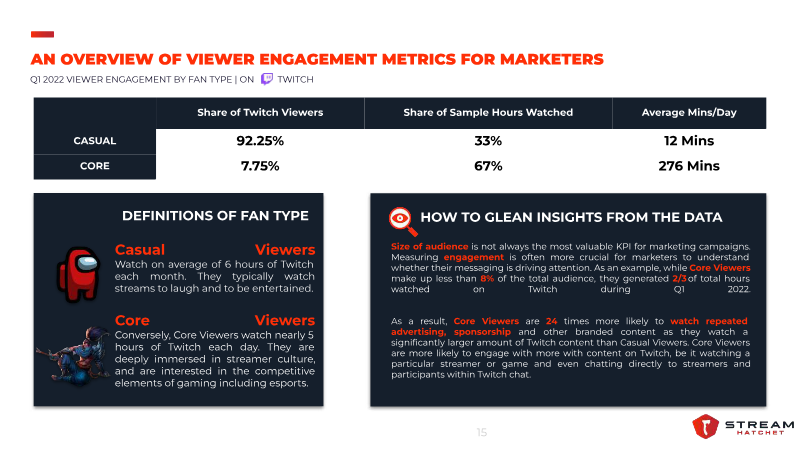
- A small segment of core viewers, representing only 7.8% of the total audience, generates two-thirds of all watch time and is 24 times more receptive to repeated advertising than casual viewers.

Observatoire économique de l'esport: France 2022
The French esports sector has undergone a period of rapid professionalization and expansion, establishing itself as a significant component of the national digital economy.
- The French esports industry reached a total turnover of €141.4 million in 2022, reflecting a 31.4% compound annual growth rate between 2019 and 2022.
- Market concentration is high, with the ten largest organizations generating 70% of the sector's total revenue.
- The sector supported 1,017 full-time equivalent positions in 2022, though the majority of industry entities remain micro-enterprises.
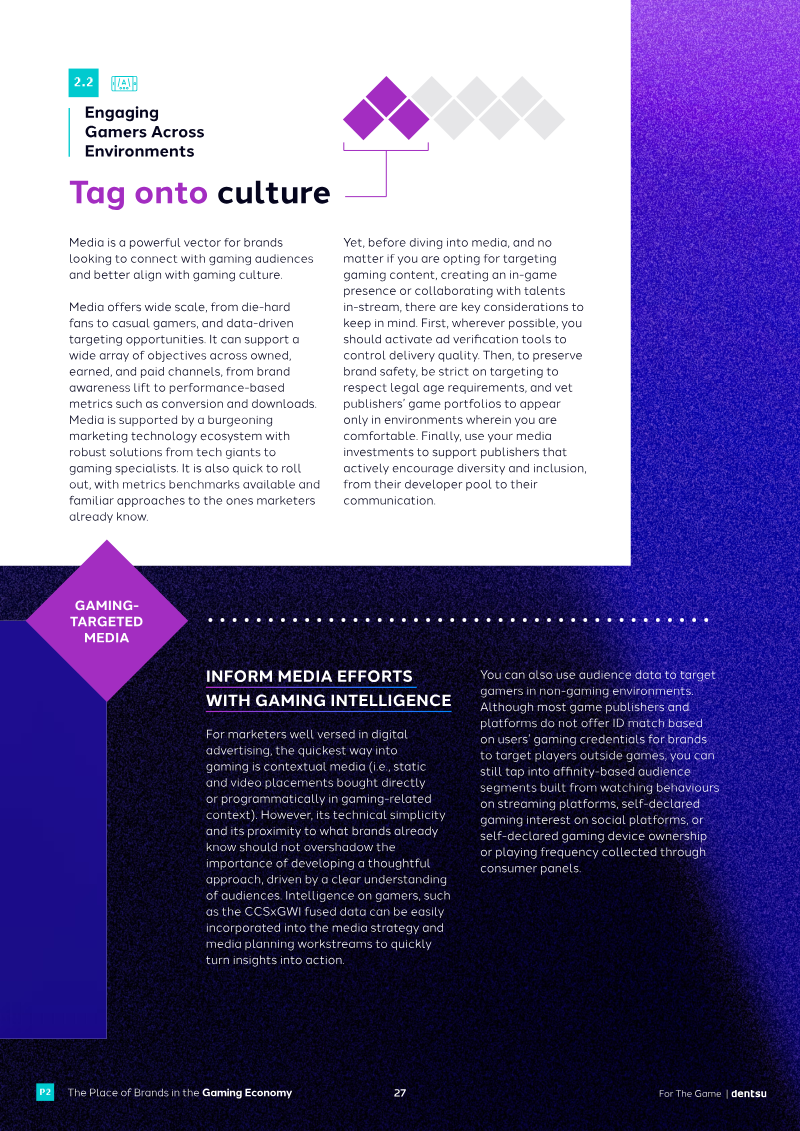

For the Game
The global gaming industry has matured into a primary cultural and entertainment hub, projected to reach 3.5 billion players and $225 billion in revenue by 2025.
- The global gaming industry is projected to reach 3.5 billion players and $225 billion in revenue by 2025.
- 40% of U.S. consumers participate in gaming primarily to foster a sense of belonging, shifting the industry from simple leisure to a community-driven ecosystem.
- Brands must abandon traditional, interruptive advertising in favor of motivation-based segmentation models that utilize data-fusion methodologies across 21 global markets.

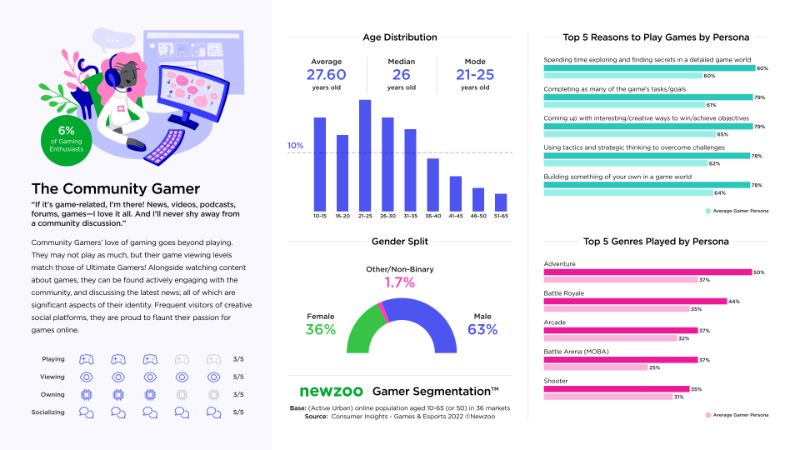

Gamer Segmentation: 2022 Overview
The 2022 Gamer Segmentation overview provides a comprehensive framework for understanding the modern gaming audience, moving beyond traditional labels like casual or core to reflect a more nuanced, culture-driven landscape.
- 77% of gamers engage with the medium beyond just playing, emphasizing the critical role of viewing and social interaction in modern gaming identity.
- The gaming audience is now defined by nine distinct personas based on motivations and behaviors rather than traditional 'casual' or 'core' labels.
- The 2022 segmentation analysis is derived from a dataset of 75,930 respondents across 36 global markets collected between February and April 2022.
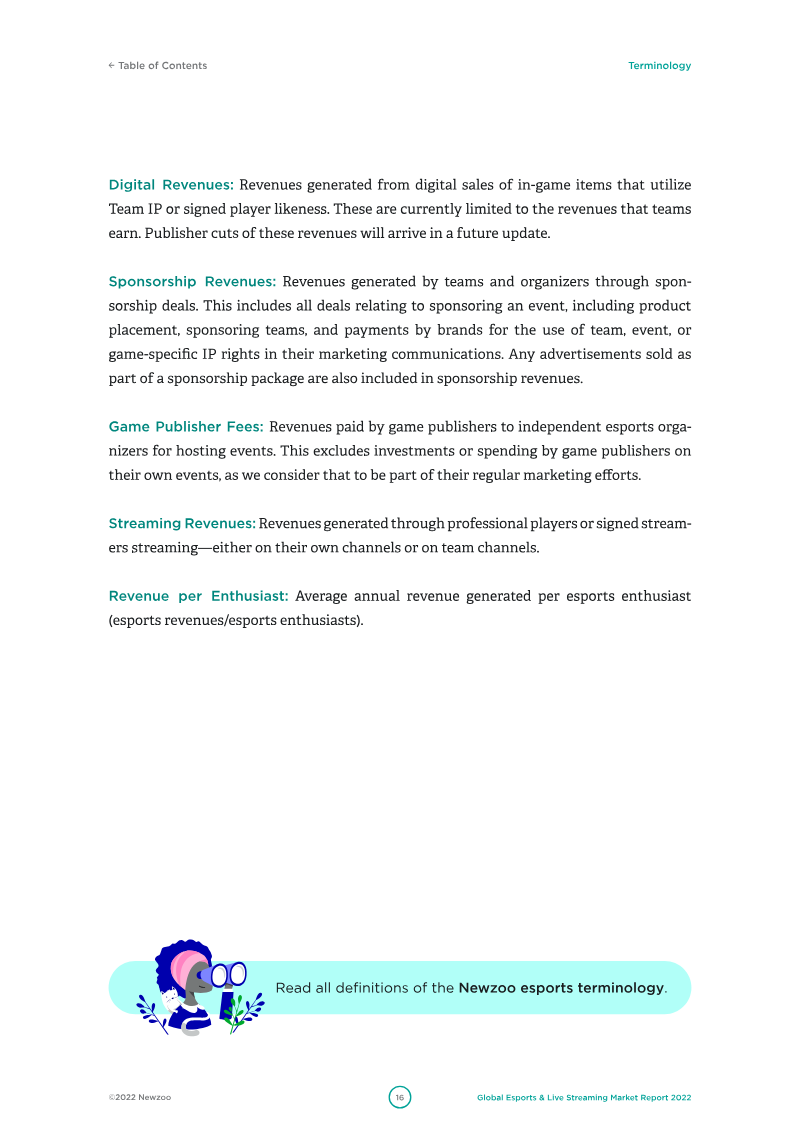
Global Esports & Live Streaming Market Report 2022
The global esports and live streaming industry is undergoing a period of robust expansion, with total esports revenue projected to reach $1.38 billion in 2022 and an audience base of 532 million people.
- Global esports revenue is projected to reach $1.38 billion in 2022, with a total audience of 532 million, and is expected to grow to $1.86 billion by 2025.
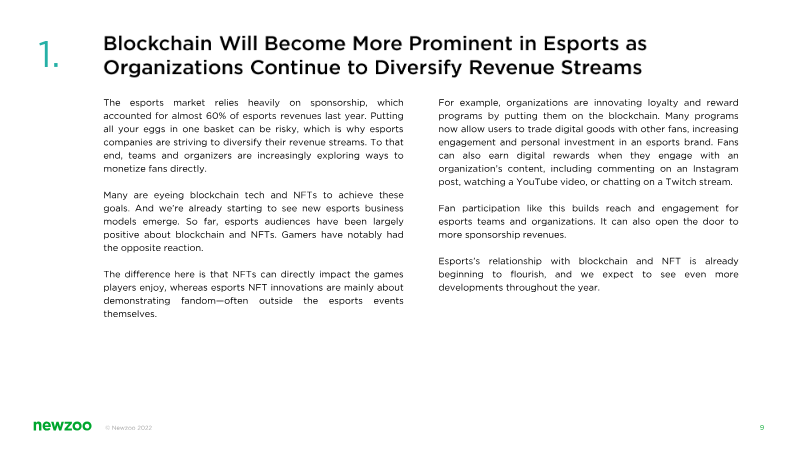
- Sponsorship currently accounts for nearly 60% of total esports revenue, though organizations are shifting toward direct-to-fan models like digital merchandise and loyalty programs to improve financial sustainability.
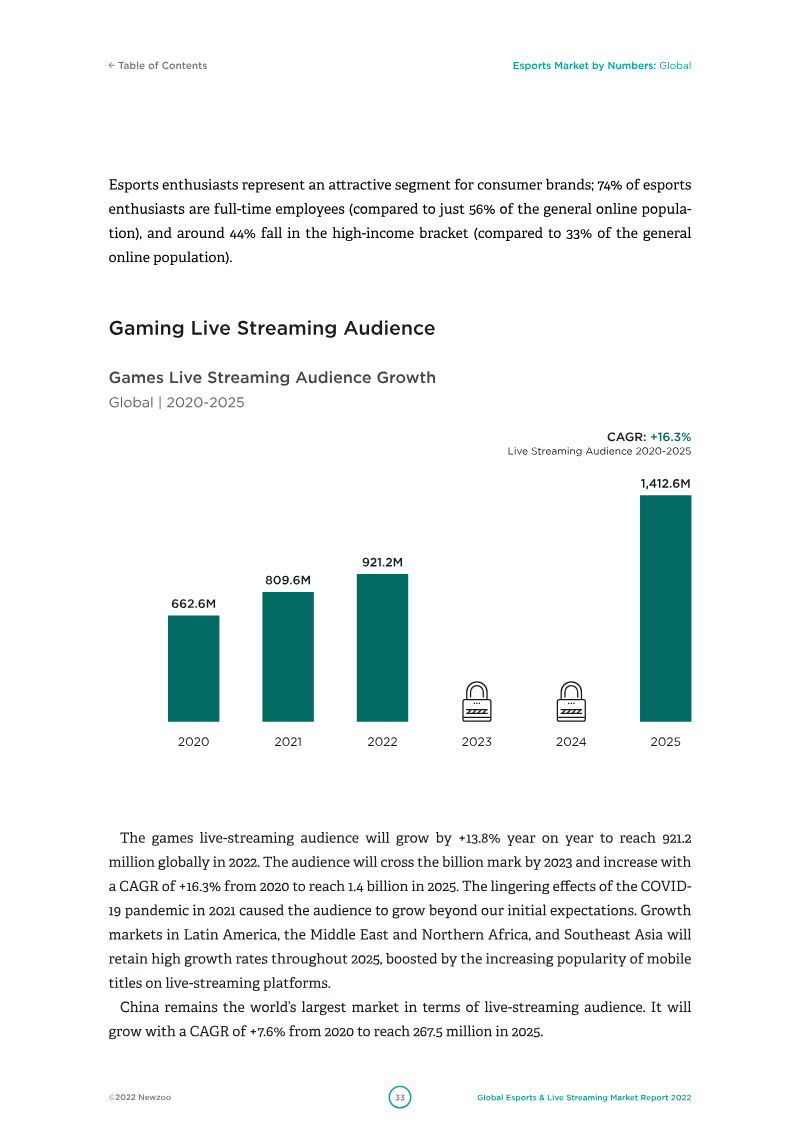
- The live streaming audience is forecast to reach 1.41 billion by 2025, driven by the integration of non-gaming content and interactive features to boost user retention.
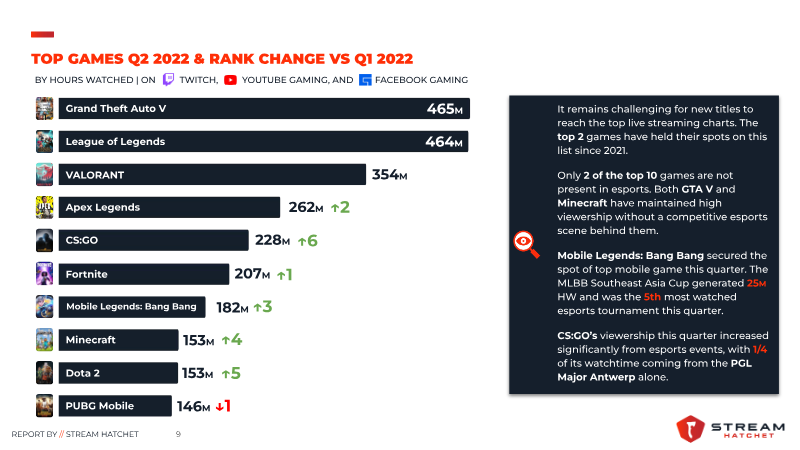
Video Game Streaming Trends: 2022 Second Quarter Report
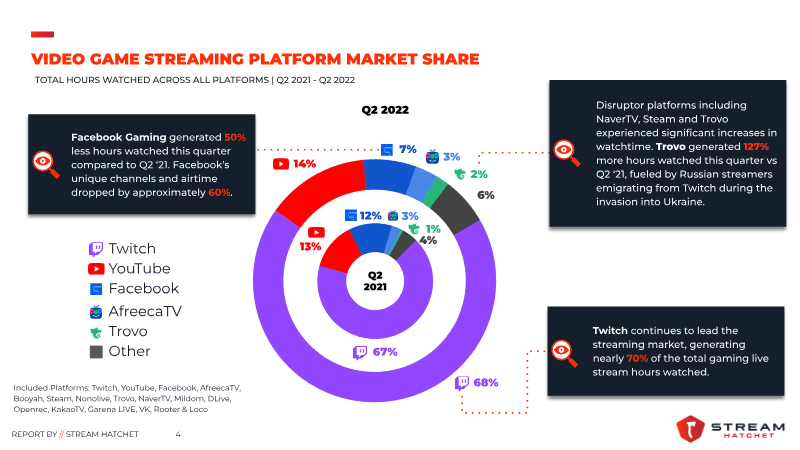
The second quarter of 2022 marked a period of stabilization for the live streaming industry as the rapid growth spurred by pandemic lockdowns began to cool.
- Total hours watched across live streaming platforms fell 15% year-over-year to 8.1 billion in Q2 2022, signaling a post-pandemic market stabilization.
- Twitch maintains a dominant 68% market share of total hours watched, while YouTube holds 14% and Facebook Gaming experienced a 50% decline in viewership.
- The esports segment grew by 8% during the quarter, bolstered by major events like the League of Legends Mid-Season Invitational and the PGL Major Antwerp.
Newzoo Trends to Watch 2022: Games, Esports, Live Streaming, Cloud and the Metaverse
The analysis projects that 2022 will be defined by a cautious expansion of emerging monetisation models and a deepening investment in immersive technologies.
- The global games industry generated $175.9 billion in 2021, with the Asia-Pacific region contributing $88.2 billion and maintaining an 8.7 percent compound annual growth rate.
- Publishers are shifting away from explicit NFT branding due to player backlash and regulatory scrutiny, opting instead to experiment with 'NFT-like' features under alternative labels.
- Legal pressure on Apple and Google is expected to force a relaxation of app-store steering rules, potentially creating new payment pathways that will alter distribution economics.
Global Esports & Live Streaming Market Report
The global esports market is projected to reach $1.38 billion in revenue and an audience of 532 million by the end of 2022, signaling a period of robust expansion and structural evolution.
- The global esports market is projected to reach $1.38 billion in revenue with 532 million viewers by the end of 2022, with China accounting for nearly one-third of total global revenue.
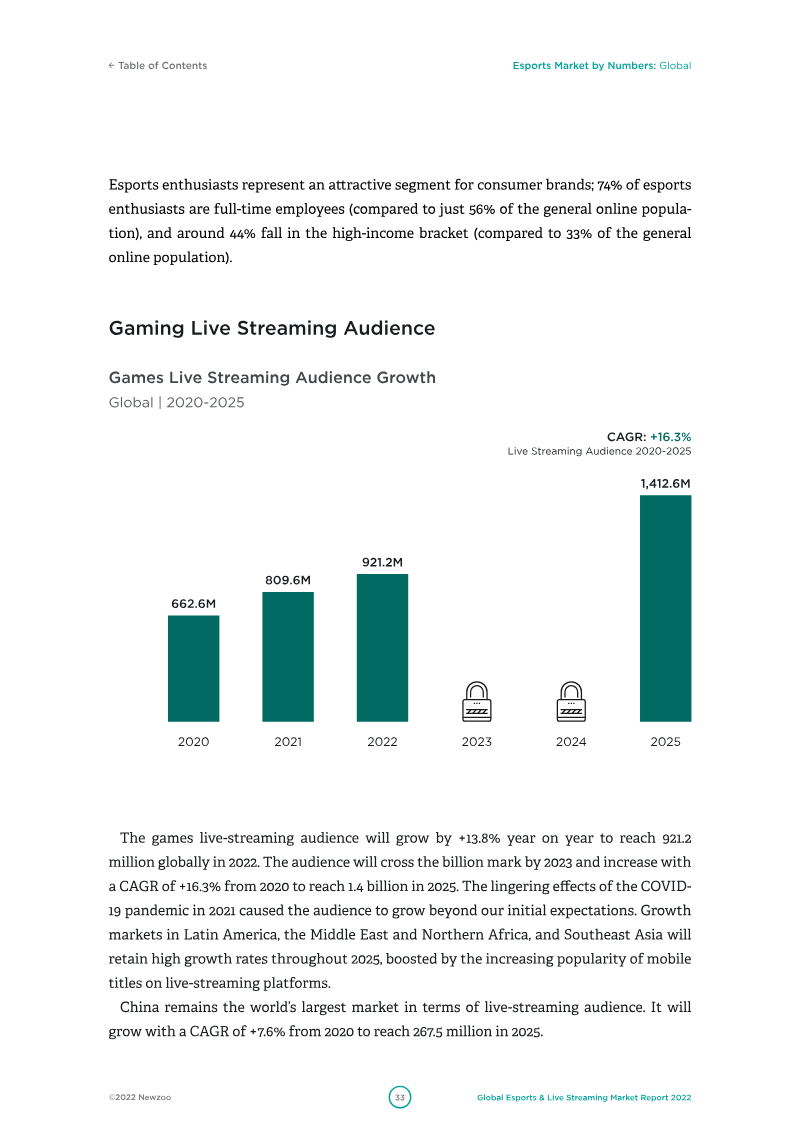
- The live-streaming audience is forecast to grow at a 16.3% compound annual growth rate, reaching 1.41 billion users by 2025.
- Sponsorships remain the primary financial driver at 60% of total income, though organizations are diversifying into lifestyle apparel, blockchain loyalty programs, and educational platforms.
Key Insights Into UK Gamers
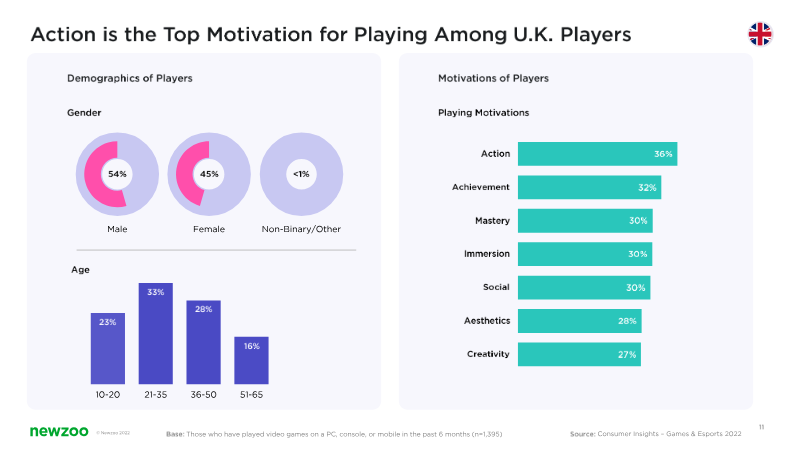
The United Kingdom represents a major global gaming hub, ranking as the sixth-largest market by revenue and tenth by player population as of late 2022.
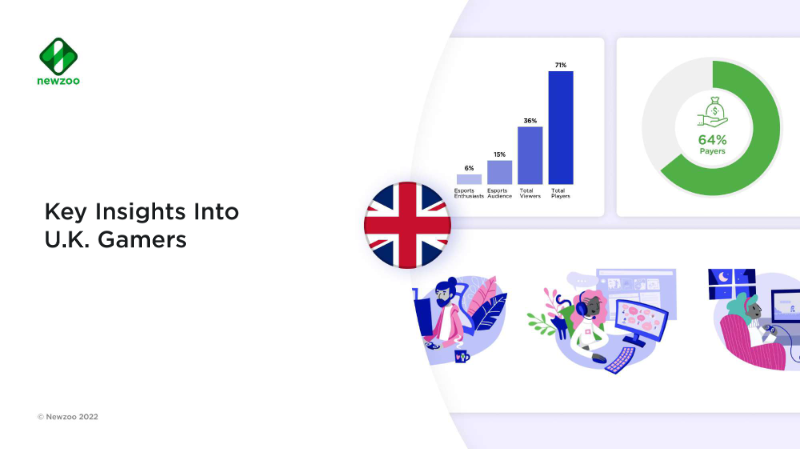
- The UK is a major global gaming hub, ranking sixth in revenue and tenth in player population, with 71% of the population aged 10-65 identifying as game enthusiasts.
- Engagement is evenly split between active players (36%) and those who both play and view gaming video content (35%).
- Mobile gaming has the highest reach at 46%, followed by console (41%) and PC (29%), though PC and console users dedicate more time to gaming weekly.

Consumer Insights: Games & Esports 2022
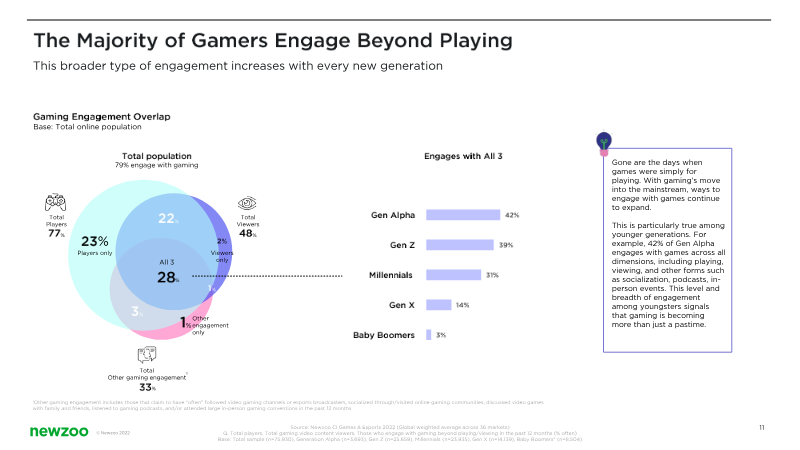
Gaming has evolved into a multi-dimensional entertainment ecosystem where traditional play is no longer the sole driver of engagement.
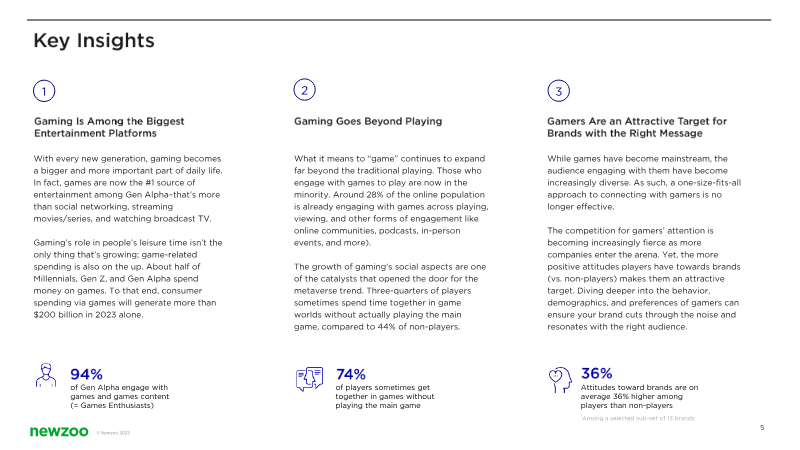
- Gaming has become a primary entertainment ecosystem for 79% of the global online population, with Gen Alpha prioritizing gaming over social media and streaming video.
- Consumer spending in the gaming sector is projected to exceed $200 billion in 2023, driven by a payer base that includes approximately 50% of Gen Alpha, Gen Z, and Millennial gamers.
- Game worlds are increasingly used for social interaction rather than gameplay, with 75% of players and 44% of non-players utilizing these environments for non-gaming social engagement.
Video Games – A Force for Good: Europe's Video Game Industry
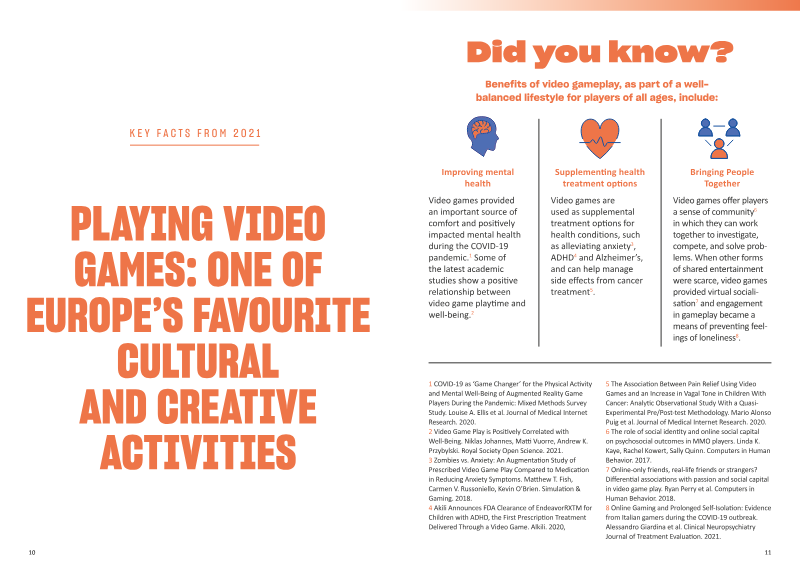
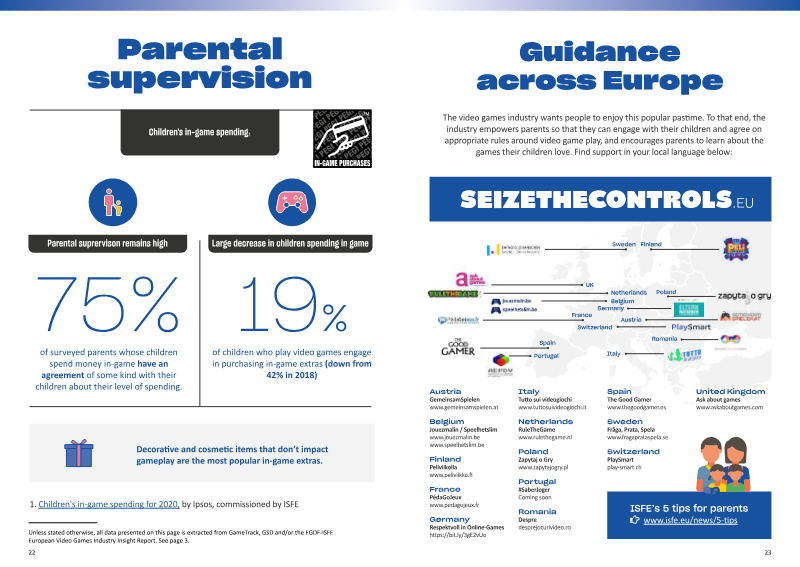
This analysis provides a comprehensive overview of the European video games industry as of 2021, detailing its economic impact, demographic reach, and social contributions.
- The European video game market maintained a stable value of €23.3 billion in 2021, following the initial pandemic-driven surge.
- The industry employs over 98,000 people across Europe, with 74,000 of those roles based within the EU.
- Digital revenue dominates the sector, accounting for 81% of total market value through app-based gaming and in-game purchases.

Stop Living on 1HP: Health and Wellness in Esports
Esports functions as a high-stakes static endurance activity, necessitating a shift from reactive injury treatment to proactive, performance-based conditioning.
- Esports is classified as a static endurance activity that challenges executive function, involving prolonged seated positions with repetitive micro-movements of the hands, wrists, and shoulders that increase injury risk.
- Health and wellness initiatives should be integrated into gaming communities by linking in-game character growth with out-of-game physical development to foster player retention and community engagement.
- Developers can implement non-disruptive health interventions through 'toast' text pop-ups or time-gated codex entries that provide specific stretching and strengthening exercises based on playtime milestones.