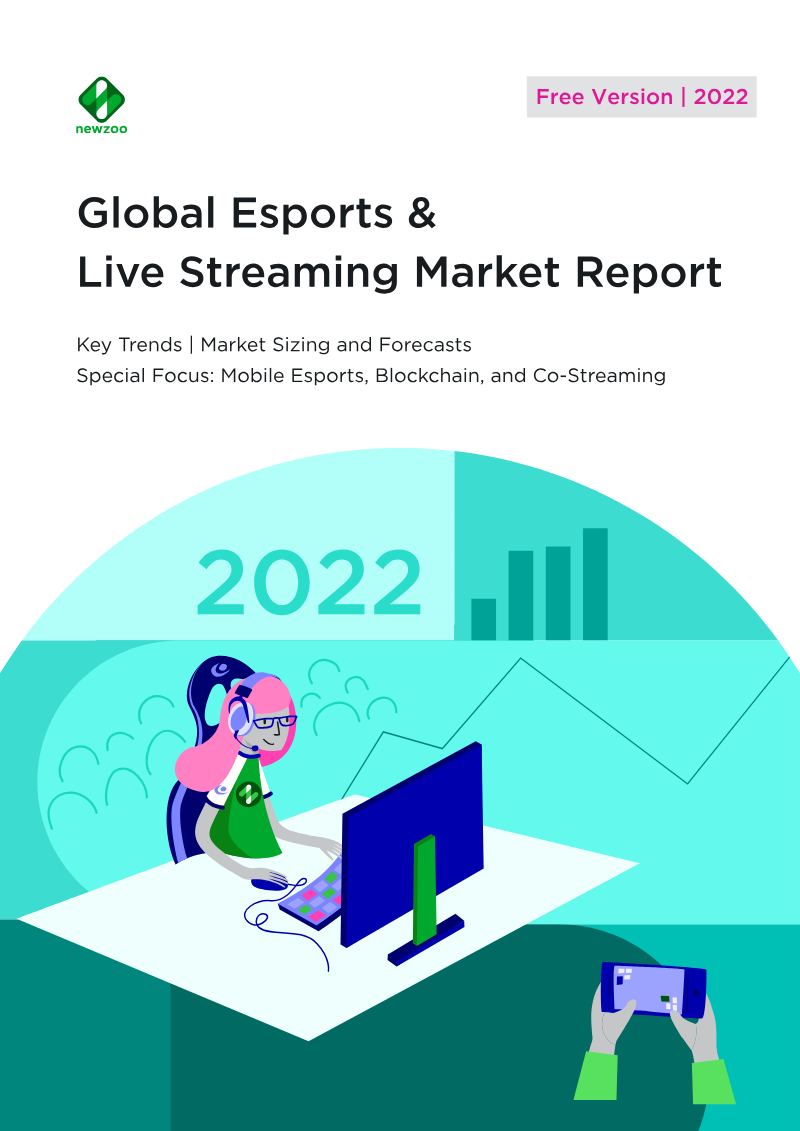
The global esports market is projected to reach $1.38 billion in revenue and an audience of 532 million by the end of 2022, signaling a period of robust expansion and structural evolution. China remains the dominant regional player, contributing nearly one-third of total global revenue. While sponsorships continue to serve as the industry’s financial backbone, accounting for approximately 60% of income, organizations are increasingly diversifying into direct-to-fan models. These new revenue streams include lifestyle apparel, blockchain-integrated loyalty programs, and educational platforms, reflecting a strategic shift toward positioning esports as a broader lifestyle brand.
The live-streaming ecosystem is experiencing even more rapid growth, with the audience expected to reach 1.41 billion by 2025 at a compound annual growth rate of 16.3%. This surge is fueled by the rise of non-gaming content and the explosive popularity of mobile esports in emerging markets such as Southeast Asia, Latin America, and the Middle East. Demographically, the esports audience represents a high-value target for advertisers, as nearly three-quarters of enthusiasts are employed full-time and 44% belong to high-income brackets.
Platform dynamics reveal a clear geographic and technological divide. Twitch maintains its dominance in Western markets for PC and console gaming, while YouTube Gaming and Facebook Gaming have successfully captured the mobile-centric audiences of emerging regions. To challenge established leaders, platforms are leveraging massive video-on-demand audiences and exclusivity deals to convert passive viewers into live participants. Despite this growth, the industry faces potential volatility from the fluctuating cryptocurrency sector and the possible migration of audiences toward emerging metaverse events.

Google · 2026
Newzoo · 2026

Newzoo · 2026
Newzoo · 2026

Deconstructor of Fun · 2026
Newzoo · 2026

Newzoo · 2026
Newzoo · 2026
Newzoo · 2026

Newzoo · 2026

Newzoo · 2026
Newzoo · 2025
Newzoo · 2022

Newzoo · 2022

InvestGame · 2025

Stream Hatchet · 2025
Stream Hatchet · 2024
Stream Hatchet · 2024
Stream Hatchet · 2023
Stream Hatchet · 2022
Stream Hatchet · 2022

Newzoo · 2022

Newzoo · 2022
Stream Hatchet · 2022