
Gaming has evolved into a multi-dimensional entertainment ecosystem where traditional play is no longer the sole driver of engagement. Findings indicate that 79% of the global online population are game enthusiasts, participating through playing, viewing content, or socializing in virtual worlds. This shift is most pronounced among younger generations; for Gen Alpha, gaming has surpassed social media and streaming video as the primary source of entertainment.
The research highlights a significant trend toward the "metaverse," with 75% of players and 44% of non-players engaging in game worlds for social interaction without playing the core game. This high level of engagement translates into substantial economic impact, with consumer spending in the sector projected to exceed $200 billion in 2023. Approximately half of Gen Alpha, Gen Z, and Millennial gamers are already classified as payers, a figure expected to rise as younger cohorts gain independent purchasing power.
Data suggests that gamers are a highly receptive audience for brands, exhibiting 36% more positive attitudes toward brand messaging compared to non-players. However, the diversity of the audience necessitates a nuanced approach. Using proprietary segmentation, the analysis shows that while older generations often act as "Time Fillers," younger audiences are more likely to be "Ultimate Gamers" or "All-Round Enthusiasts." Even within the same genre, such as Battle Royale, player demographics and motivations vary significantly between titles like Fortnite and Apex Legends, affecting their preferences for products like energy drinks or alcohol.
The findings are based on a 2022 study utilizing Computer Assisted Web Interviewing (CAWI) with a representative sample of 75,930 respondents. The scope covers 36 global markets across North America, Europe, Latin America, and Asia-Pacific, targeting the online population aged 10 to 65. Additional sentiment studies on the metaverse and blockchain gaming supplement the core consumer data.

Google · 2026
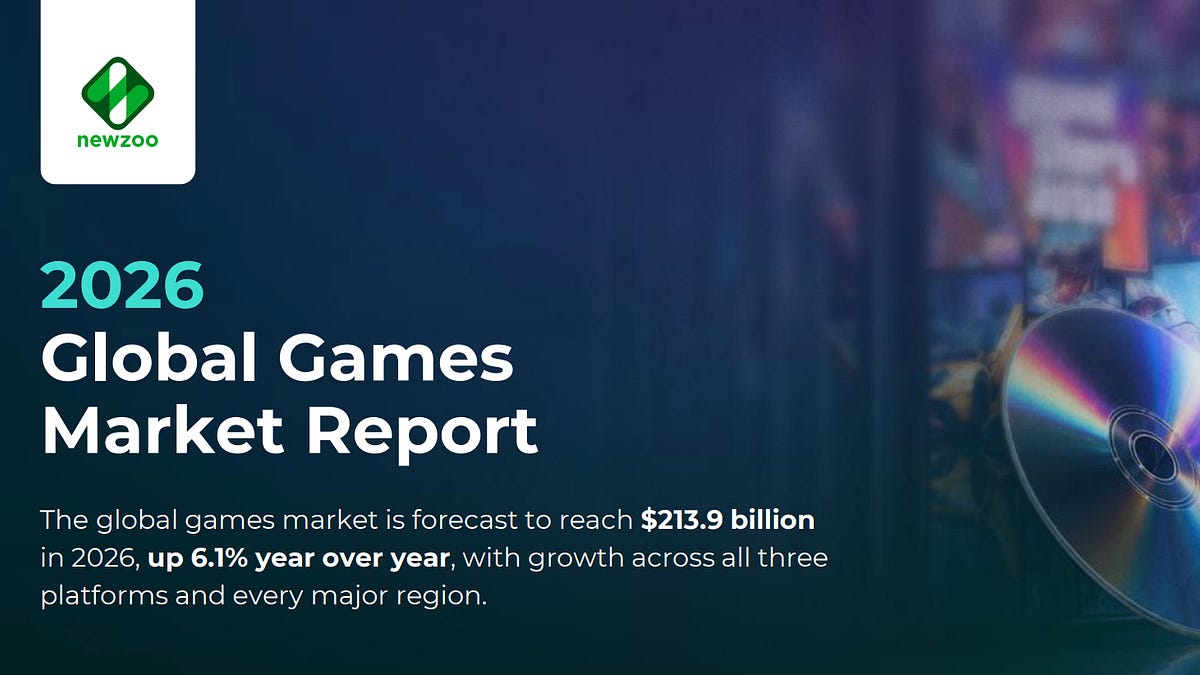
Newzoo · 2026

Newzoo · 2026
Newzoo · 2026
Deconstructor of Fun · 2026
Newzoo · 2026
Newzoo · 2026
Newzoo · 2026
Newzoo · 2026

Newzoo · 2026
Newzoo · 2026
Newzoo · 2025
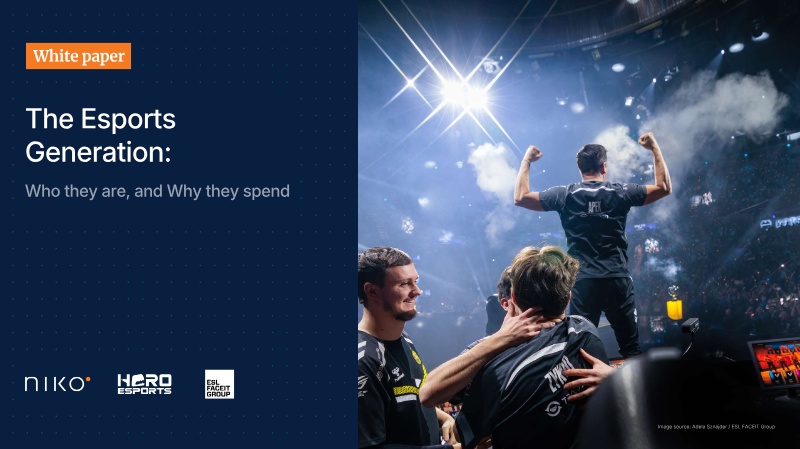
Niko Partners · 2026

AEVI · 2021

Newzoo · 2020
Anzu · 2026

SpielFabrique · 2026
Deloitte · 2026

InvestGame · 2025
Stream Hatchet · 2025
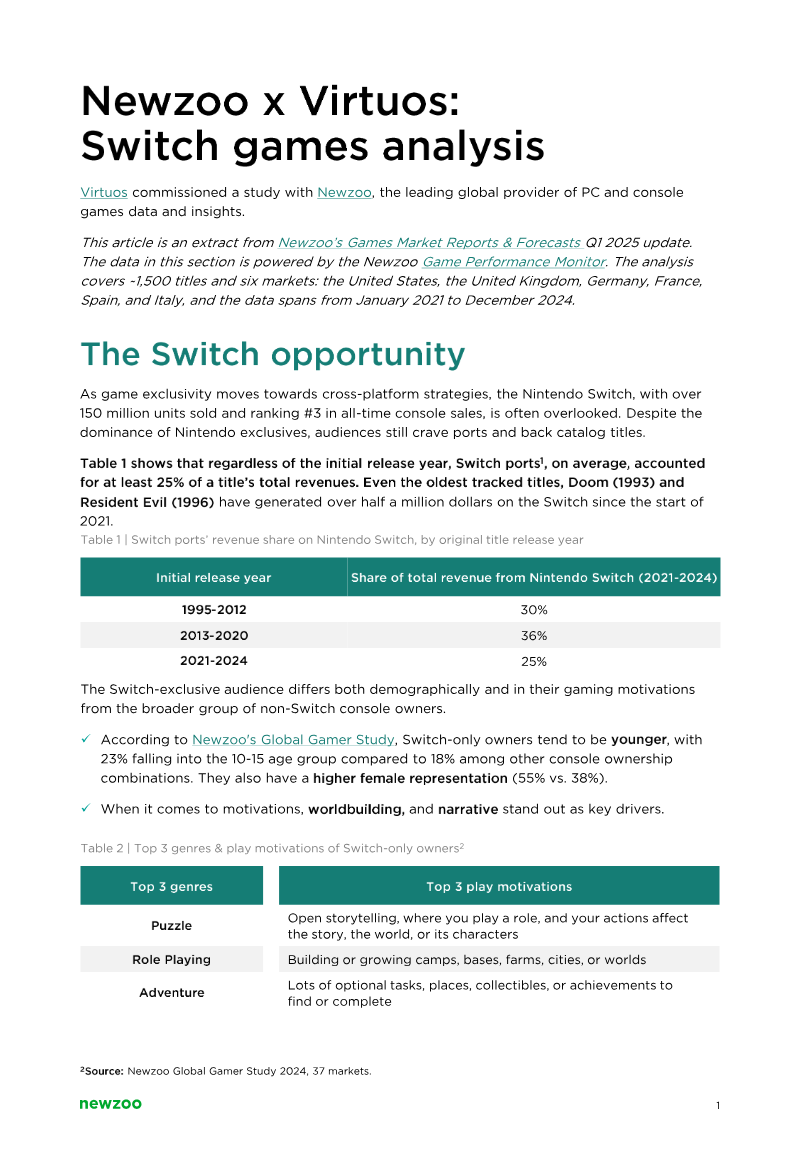
Newzoo · 2025
AppFigures · 2025
Stream Hatchet · 2025
Newzoo · 2025