1 free read left. Create a free account for unlimited reading + AI research.
Create free account
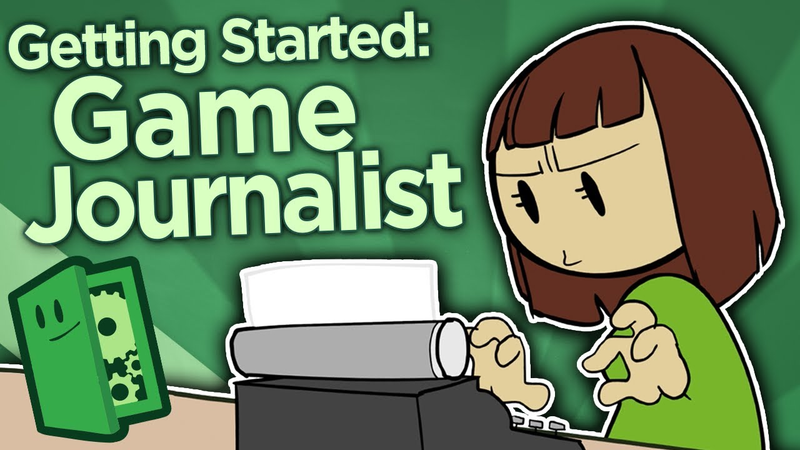
Getting Started as a Game Journalist - Practice, Prepare, and Pitch - Extra Credits
Key insights
6 takeaways- 01Freelancing is the recommended entry point for game journalism, allowing writers to build a portfolio while maintaining financial stability through per-article commissions.
- 02Aspiring journalists should treat early work as a beta-testing phase by using personal blogs or student publications to practice writing and solicit feedback.
- 03Writers should avoid exploitative outlets that offer only 'exposure' instead of fair financial compensation for their work.
- 04New writers should focus on pitching features such as developer profiles or analytical pieces on indie games, as these are the most effective entry points for securing commissions.
- 05Effective pitches to editors must be concise, ideally under 200 words, and feature a unique hook that distinguishes the story from generic industry coverage.
- 06Professionalism is critical, including the practice of pitching to only one outlet at a time and maintaining courtesy during rejections to preserve industry reputation.
Ask AI about this video
Transcript
So, you want to be a game journalist, but you aren't sure you're cut out for it. Why not start freelancing and find out? Though many people think of a publication staff when they hear the word game journalist, the majority of game journalists are freelancers. Unlike staff, who are employees with a salary and benefits, freelance writers are paid by the article. To get work, they email editors a summary of the piece they want to write and then write it if the pitch gets commissioned. Freelancers work for themselves, piecing together a living between one-off assignments, regular appearances as columnists, and non-game related work. It's grueling, it's stressful, even depressing at times when the work dries up, but it's also flexible. And, crucially for our purposes, you can start freelancing alongside other work, maintaining the financial stability of your regular gig while dipping a toe into the world of games journalism. So, today, let's talk about how to get your first couple of credits as a freelancer, because once
you've achieved that, you'll have a much better idea about whether you want to try doing this as a career. Step one, put points into your writing skill. Game journalism is first and foremost a writing job. You could be the world's leading expert on Street Fighter or have industry contacts that span the globe, but if you can't communicate an idea to readers, you will not last. So, how do you learn to write? One option is to go to college and take classes that force you to write. Between classes, see if the student paper will let you write for them, too. It doesn't matter if this writing is games related. Just put yourself in a position where you've got to produce. Whether you go to college or not, start practicing. Set up a blog at Gamasutra or Medium or WordPress and start writing about games. Invite feedback and don't get defensive when people make suggestions. Consider this beta testing. The purpose isn't to turn out perfect work, it's to discover your strengths and weaknesses and address any problem areas. Meanwhile, take some articles that you've liked and start picking them apart. Try to puzzle out
why you enjoyed them and then transfer those lessons into your own writing. After blogging regularly for a few months, you should have a few pieces good enough to serve as writing samples. Step two, look for opportunities. Start reading game sites like it is your job. Get obsessive and make lists. What kind of articles do each outlet publish? Do they like mainstream stories or oddball ones? Figure out their unique voice and write a few paragraphs in that style. Then find the email address where you can start sending them pitches. At this point, your training phase is done and you now have one goal, to get one article published, preferably in a paying outlet. I say a paying outlet because unfortunately, there are some sites out there that prey on eager young writers. I won't tell you to never work for free, but let's get something straight. If you do work for an enthusiast site, it should be like an internship. They need to compensate you with experience and training. Never work
for exposure. If they're too small to pay you, then they're too small to give you an audience. And also, beware if an editor is making money, but you're not. That's another red flag. Learn what you can and then move on cuz I mean, there are mentors at paying outlets, too. So now you've produced a few writing samples and maybe you've gotten some work under your belt at a college paper or an enthusiast publication. So what now? Step three, start pitching articles. Let's go over the basics. Your pitch should be succinct. Try for fewer than 200 words. It should summarize the proposed article and list the people you need to interview or resources that you'll draw from. Include a short bio at the end listing where you've been published before and linking to some writing samples that are similar to what you're pitching. Also, include an estimate of how many words the finished product will be and maybe stick to the 1,000 to 1,500 word range for now. To start, focus on pitching features, articles that illuminate some notable aspect of a game or its development.
They can be profiles, analyses, human interest, even historical pieces. To get a handle on this category, just head to the site that you want to pitch to, click on its features tab, and start reading. It's easier to start with features because sites generally trust their in-house team for things like news and reviews and opinion pieces. You might land yourself a review gig for something small like a mobile game, or even get an opinion piece if the editor thinks you can approach the subject with nuance, but ultimately your first article is about proving that you can deliver, and features are your best bet to do that. So, what to pitch? Well, start small. Publications are usually flooded with pitches about AAA releases, so unless you've got a stellar angle, maybe find a less well-known game to write about. Alternatively, find a small games-related event near you and write a pitch about what makes it unique and different. Best of all, if you can score an interview with a developer, which is a lot easier to do with indie devs, that's a pretty big incentive for somebody to green-light your story. But
the most important thing with a feature pitch is the hook, an interesting angle that sells the concept. Ask yourself, why will someone read this article? What's the question being posed? What makes it unique? Even better, what perspective can you add? Do you have life experience or special knowledge about the subject? Did you react to the game in a way that surprised you and that nobody's written about yet? Just as an example, if you pitch Star Wars Battlefront is good because it looks and sounds like the movies, no editor is going to pay for that. But if you pitch Star Wars Battlefront captures how for everyone but the heroes life is cheap in the Star Wars universe, that's an idea that'll sell, and I know that because Rob here sold it to Vice not long ago. If the publication commissions the article, congratulations. Go write it. If they don't, well, go back to your pitch and see if you can improve it. Then send it to another publication. Always approach editors one at a time. It's considered rude to pitch to multiple outlets simultaneously. And one
more thing, remember to be polite and professional, especially if your pitch gets rejected. Your pitch is essentially a job interview. In addition to evaluating your idea, the editor is also going to try to gauge if they can work with you. So, don't burn bridges. Editors do talk to each other. And hey, it's possible that same editor might buy your next pitch. It will take a while to get comfortable with pitching, but there are books and even training events that can help you improve. We've linked a few of them down in the comments. Once you've gotten that first publication, celebrate, get yourself paid, and then do it again. Up your output, try to sell an article every month. Then try to sell one every 2 weeks. Start applying for news positions or pitching for column work. After a few months of steady work, you will know whether freelancing is for you. Maybe you'll want to go full-time, or maybe it'll just be something you do for extra cash. Whichever you decide is okay, because you're a freelancer after all. You are the boss. Good luck out there. See you next week.
Summary
Entering the field of game journalism is best approached through freelancing, which allows aspiring writers to build a portfolio while maintaining financial stability. The primary role of a freelance game journalist involves pitching specific story ideas to editors, who then commission the work on a per-article basis. This career path is characterized by high flexibility but requires significant self-discipline, as income can be inconsistent and the work environment is often demanding.
Success in this field begins with honing fundamental writing skills. Aspiring journalists should treat their early work as a beta-testing phase, utilizing personal blogs or student publications to practice, solicit feedback, and analyze the styles of established writers. Once a portfolio of samples is established, the focus shifts to researching target publications to understand their specific editorial voices and content preferences. When pitching, writers must be succinct—ideally under 200 words—and provide a clear, unique hook that distinguishes their story from generic coverage. Features, such as developer profiles or analytical pieces on indie games, are recommended as the most effective entry points for new writers.
Professionalism is essential throughout the process. Pitching should be conducted one outlet at a time, and writers must remain courteous even when facing rejection, as editors frequently communicate within the industry. It is also critical to avoid exploitative outlets that demand work for "exposure" rather than fair compensation. By consistently refining pitches and increasing output, freelancers can determine if the industry is a viable long-term career or a suitable supplemental pursuit.















Comments