Employment reports and market data
Documents
Interviewing For Game Design
Game design interviews frequently suffer from a reliance on subjective discussions regarding creative ideas or general experience, which fail to accurately predict a candidate’s professional efficacy.
- Effective game design hiring must prioritize a candidate's ability to function as a systems-oriented problem solver rather than an abstract idea generator.
- Interview processes should shift away from subjective discussions of personal design philosophy and toward the practical application of mechanics and player loops.
- Hiring managers should utilize structured, hypothetical scenarios to evaluate a candidate’s analytical process and their ability to work within defined constraints.
Rockstar Pays QA Fulltime | Games ReCAP Episode 034
Rockstar Games has initiated a transition for its Lincoln-based quality assurance contractors to full-time employment, a strategic shift intended to address long-standing criticism regarding the studio’s intense crunch culture and high attrition rates.
- Rockstar Games is transitioning its Lincoln-based quality assurance contractors to full-time employment to address long-standing criticism regarding crunch culture and high attrition rates.
- Industry observers express skepticism that the shift to full-time status may be a PR strategy to circumvent overtime pay requirements rather than a genuine resolution to labor exploitation.
- In the absence of formal labor unions, public and social media scrutiny has become the primary mechanism for holding gaming companies accountable for unethical labor practices.

Start A Game Studio In 12 Months (Seriously!)
Establishing an independent game studio is a viable goal within a 12-month timeframe, provided the developer maintains strict discipline and focuses on creating a high-quality, polished prototype rather than a full-scale commercial release.
- The primary objective of a 12-month studio launch is to build a high-quality, polished prototype to secure external funding, rather than attempting a full-scale commercial release.
- The roadmap allocates the first four months to foundational skill acquisition in Unity, C#, and design software, followed by a single-level prototype in month five.
- Developers should reserve months six and seven for internal focus testing and iterative refinement to ensure the core gameplay loop is engaging.
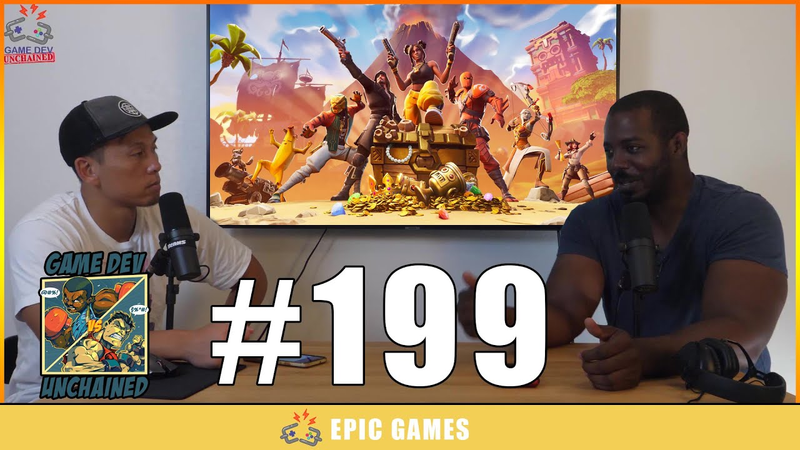
Glassdoor Confessions on Epic Games | Game Dev Unchained Episode 0199
Epic Games serves as a primary case study for the tension between unprecedented commercial success and the sustainability of internal labor practices.
- Epic Games institutionalized a culture of extreme crunch following the success of Fortnite, with employees frequently reporting work weeks ranging from 70 to 100 hours.
- The company utilizes a high-turnover staffing model that treats both employees and contractors as disposable assets to maintain an aggressive, high-frequency update cadence.
- Internal benefits such as unlimited vacation policies are reported as ineffective due to relentless deadline pressure, while bonus structures are criticized as opaque retention tools designed to tether staff to the studio.
Frank Pearce Leaves Blizzard | Games ReCAP Episode 025
The departure of co-founder Frank Pearce marks the final exit of Blizzard Entertainment’s original leadership, signaling a definitive end to the company’s foundational era.
- The departure of co-founder Frank Pearce marks the final exit of Blizzard Entertainment’s original leadership, signaling the end of the company's foundational era.
- Blizzard’s post-merger integration with Activision has shifted the company toward aggressive monetization strategies, including microtransactions and a pivot to mobile-centric titles.
- Large-scale layoffs in marketing and community departments have damaged Blizzard’s reputation as a stable employer, raising concerns about the long-term impact on the Southern California game development ecosystem.
Freelancing: How to Live the Dream and Avoid the Nightmare
Sustaining a career as a freelancer in the game industry requires a strategic balance between aggressive professional self-promotion and the rigorous maintenance of personal well-being.
- Long-term freelance viability depends on treating mental and physical health as a professional imperative rather than a luxury, as creative output is directly tied to the creator's state of mind.
- Freelancers must proactively manage their business by treating consistent networking and clear communication as essential, non-negotiable components of their daily workflow.
- To secure contracts, freelancers should curate diverse portfolios and obtain testimonials that specifically highlight their collaborative skills and reliability.

How I Quit My Job To Start An Indie Game Studio
The transition from traditional employment to full-time independent game development is driven by a combination of persistent creative passion, strategic preparation, and the psychological necessity of overcoming self-doubt.
- Transitioning to full-time indie development requires a disciplined schedule of two to three hours of daily development work while still employed to build a portfolio and validate concepts.
- Professional independence is a gradual process that necessitates shifting one's mindset from a passive employee to a proactive entrepreneur rather than an overnight career change.
- Crowdfunding platforms like Kickstarter serve as essential tools for validating game concepts and securing the financial independence required to leave traditional employment.
How To Find & Manage a GAME DEV TEAM Online
Building and managing a remote game development team requires a strategic approach to recruitment, communication, and team culture.
- Successful remote team management relies on fostering intrinsic motivation by offering team members creative agency and opportunities for professional growth, which can substitute for financial compensation.
- Recruitment success depends on transparent communication regarding project scope, time commitments, and realistic skill requirements rather than speculative financial promises.
- Project leads should attract talent by presenting a professional portfolio and concrete evidence of past work to establish credibility.
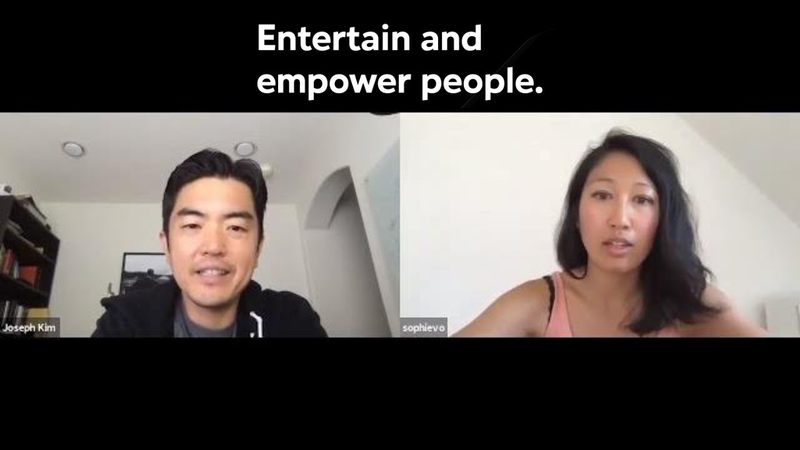
Building a Team Culture and Values | Sophie Vo Game Lead Voodoo
Establishing a robust team culture in the fast-paced mobile game industry requires moving beyond implicit assumptions to create explicit, living operational frameworks.
- Establish a team 'DNA' by documenting explicit operational frameworks to replace implicit assumptions, which provides the structure necessary for team autonomy and reduces process-related inefficiency.
- Balance creative innovation with disciplined delivery by integrating quantitative market data with qualitative user insights, ensuring metrics inform rather than stifle the development process.
- Replace formal, infrequent reviews with a culture of accountable ideation that utilizes rapid, low-fidelity prototyping and rigorous peer-to-peer feedback.

Glenn Scholfield's New Game Studio | Games ReCAP Episode 013
The establishment of Striking Distance, a new studio led by industry veteran Glen Schofield under the PUBG Corporation banner, marks a significant shift in the San Francisco game development landscape.
- Glen Schofield has established a new studio, Striking Distance, under the PUBG Corporation banner to develop horror-influenced experiences within the PUBG universe.
- The studio aims to expand the PUBG franchise by introducing a robust narrative identity and a dedicated single-player component.
- Striking Distance is utilizing Unreal Engine instead of proprietary technology to streamline development and support a sustainable games-as-a-service model.

Call of Duty Kills Game Dev Work/Life Balance | Games ReCAP Episode 011
The annual release cycle of the Call of Duty franchise creates a systemic culture of burnout, characterized by prolonged periods of mandatory overtime and poor project management.
- The annual release cycle of the Call of Duty franchise forces development teams at studios like Treyarch into 18-month stretches of seven-day work weeks.
- Systemic reliance on mandatory overtime and poor project management has led to significant failures, such as the late-stage cancellation of the Black Ops 4 single-player campaign.
- High employee turnover caused by burnout results in a critical loss of institutional knowledge within major development studios.

Redefining Success with Jodie Azhar | GduX.me
Professional success within the global game development industry requires a fundamental shift away from traditional metrics like high-budget title releases and rapid career advancement.
- Redefining professional success requires shifting focus from traditional high-budget metrics and rapid title advancement toward personal fulfillment, long-term sustainability, and ethical work practices.
- Developers should decouple their professional identity from specific job titles to better navigate industry volatility and mitigate the risks of burnout and crunch culture.
- Career management in the gaming industry requires regular re-evaluation of goals based on shifting personal circumstances and an emphasis on adaptability over mere industry visibility.