1 free read left. Create a free account for unlimited reading + AI research.
Create free account
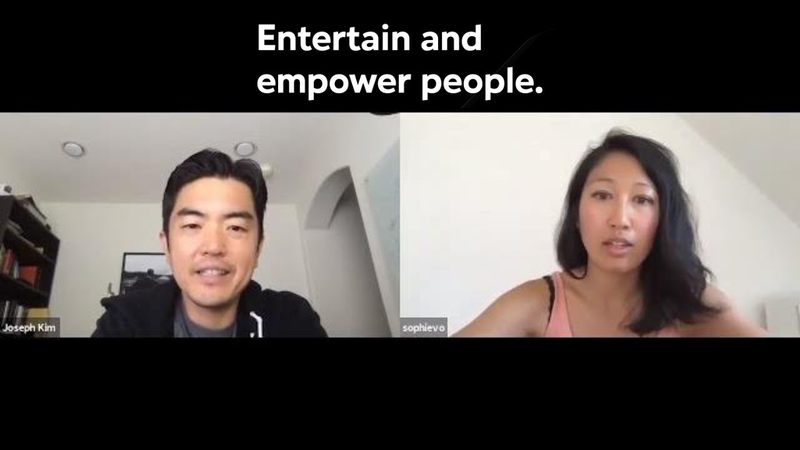
Building a Team Culture and Values | Sophie Vo Game Lead Voodoo
Key insights
6 takeaways- 01Gamify the onboarding process and align individual responsibility with accountability to transform abstract company values into actionable daily behaviors.
- 02Establish a team 'DNA' by documenting explicit operational frameworks to replace implicit assumptions, which provides the structure necessary for team autonomy and reduces process-related inefficiency.
- 03Balance creative innovation with disciplined delivery by integrating quantitative market data with qualitative user insights, ensuring metrics inform rather than stifle the development process.
- 04Replace formal, infrequent reviews with a culture of accountable ideation that utilizes rapid, low-fidelity prototyping and rigorous peer-to-peer feedback.
- 05Foster psychological safety to enable healthy, direct conflict that challenges ideas without damaging interpersonal trust among team members.
- 06Maintain operational excellence by enforcing strict meeting discipline, such as time-boxing discussions, and assigning clear ownership to every task to prevent burnout.
Ask AI about this video
Transcript
you're gonna be building and leading a team and kind of ahead of that you want to kind of set up a framework in terms of you know culture values approach processes that kind of thing to help establish that for for your team yes yes exactly and I do have them also the background clock behind like what are these principles on what we try to achieve you know in that context it's a free-to-play mobile game so very competitive market where we experiment for five years and see what happens so we need to experiment to type fast what does that mean men in terms of way of working well so what are we experimenting on what are we trying how do we make it more rigorous we are not just experimenting randomly things so I also framework basil so on the goals we are trying to achieve you know we know a year you know and then and beyond yeah I think that's a good point the point being that we are in such a highly competitive industry that unique aim
that you're a part of has to be extremely operationally efficient and effective and so being able to have a structure or a process of framework so that you know you're driving these these efficiencies sounds like a you know very important very important goal and objective for a team leader such as yourself [Music] how important is culture to the success of a game team and what are specific principles and values that will enable game teams to dramatically increase the likelihood of successful project outcomes I spoken about some of these issues in previous videos and I will also include a link to my own presentation on business values that I believe in in the YouTube show notes but today we will be speaking to Sophie though who will talk about her own set of principles and values that she will use in building a new game team when she joins her new company voodoo in the next few weeks I personally believe that culture is critically important to
success and so I'm really excited and happy to be talking to Sophie about her own thoughts on these issues in more detail and so sophie is going to talk about first who is she what is her background secondly why does she think documenting and establishing culture is so important and finally we're going to go ahead and jump into her presentation and her thoughts on specific values and culture that she believes in and so with that let's take it to Sophie right now my background I've been on my career in games but as more specifically in mobile games so I've been 10 years in the industry and I started actually working back in the days at Gameloft in not even whether we call today free to play but premium Java it was really fun my experience my background has been more producer and then slowly moving towards more product management as
free-to-play became too dominating business model for mobile so then I joined Google in Berlin and leading the hit games of Wooga diamond - Jerry specs as well working more specifically on casual games and that's what I enjoy doing and then at work your wealth also is the foundation now of my work where I build from the beginning a team and also a game that is the Korean in soft launch from reviewing prepare spot - and I used a lot of artwork for the next team I will build for voodoo so yeah talking more about that part I'm tasked for the next venture to be on the team in Berlin but not for a hyper casual game it will be to be defined okay it will be casual but now these days you know the range of
casual is very broad so yes a room in corn will be casual like super casual so something between hyper casual and casual how will it look like this is to be defined with the team and in Basel zone what the value is the best acts but I will see when I start with them and that's also why I would like us as a team to focus more on the game we will do and less on the processes and figuring out how we should work together because based on my experience I know what is the best way to get there and I want to leave also a lot of ownership for the team but bad means as well implies that they need to have the right tools to be able to make the right decision if I want asked your work as a autonomous team yes so for the situation I have a next building achievement burden mmm Weaver do basically I'm starting from the ground like there's a nothing established so based on my experiences
we'll go in the past building teams I inherited a lot of teams and when you in every team and people have certain expectation of how things are running based on the previous teams or based on the previous organization and most of the time I find out about this misalignment through clashes so it happens you know by the situation and what I wanted to do then with a rule that handbook and this set of principles was to discuss and use it as a tool of communication with the team the new team that I will form what do we stand behind in terms of design decisions or area responsibilities or how do we give feedback to each other how do we reflect on what we have done how would we learn from mistakes and as I said by experience I know but we these are
implied ones and by not talking about it we find out by accidents and opportunities sometimes but we were not so aligned so here I'll make it more efficient effective this time by creating as a from the ground that set of principles and it's more starting point for discussion with the team and the people who join me rubber band okay this is it and we won't change it so I expect it to be living as well as we work together as a team okay I'm back so stay tuned folks Sophie's about to jump into her presentation you definitely want to hang on to see if there's anything that you can apply to your own specific team but there are a few issues that Sophie mentioned I think we should talk about the first is the potential for misalignment and so if individuals on the team are not aligned then there's definitely this potential for conflict and in fact there's a great quote by Ray Dalio in his book principles and I
wanted to mention that today and he states there are all kinds of different people in the world many of whom value different things a lack of common values will lead to a lot of pain and other harmful consequences and may ultimately drive you apart it might be better to head all that off as soon as you see it coming and so for those of you who haven't read principles by Ray Dalio definitely recommend it but again talking about this potential for conflict if there is that misalignment in terms of values with people in terms of the organization and an individual or different individuals on the same team so if you've been talks about three important points that I think are important to highlight the first is that there is a document right and so you know in terms of whether it's the values the operating procedures the rules of the team that it's written down somewhere and that there's there's a document there as a basis for discussion secondly that this document is just actually a starting point for further discussion every team is different and
so finding out what those values operating procedures rules are for your team it's going to be specific to every single team and so having that document is great and then having this discussion around what's right for a specific team and finally that it is a living document that these operating procedures values rules are continuously refined and improved upon is very important to make sure that the team is continuously getting better and so with that let's jump into Sophie's presentation right now let's start here so that is the handbook I've been working on awesome but yeah I I spent some time also like how to frame and name about a guy because well I could call it the principal's it can sound a bit intimidating and we are still working in games and well it's very common in tech companies like Netflix are the principal organisation Google Amazon I wanted to make it more
friendly so I came up with DNA so it so what makes as a team or DNA but I translated into do not assume handbook because basically I won't make implicit rules of working more explicit and but what is coming out of a handbook and I walk you through it processes are very often foggy and they are assumed rather than being explicitly communicated in a team and by my experience I've seen but as well this term isn't standing frustration and ineffectiveness so I don't want to leave it to chance or guess and I want to use my handbook as a tool communication with the team because all go as a team forming we want to deliver the best game experience for players right and then maybe I can interrupt you a little bit because I I think that that's a very good point that you raise here about processes often being foggy and assumed and why do you think in so many companies and a lot of
teams that the processes are so vague or not clearly defined and not well communicated because we see this over and over and so many game teams but what do you think is the cause of that so I see several factors the first one is that processes are moving so fast with the type of games markets moving so they are moving all the time and the ones that used to be valid or relevant are not anymore so they are changing faster than we actually are aware about them right but one reason the second is more the one like to talk about processes so we have become very formal so no one's I have witnessed it a responsibility to be in charge of that and talking like okay look guys we have a certain set of rules and principles that would make our work more effective this is not fun to do but this this will
make our work better so having was so clear people responsible of making it happen is something I've seen as well as a course and I would say whenever is that there's a confusion by saying these days we have lean teams chinfa have ownership autonomy and it's confused with let's give them all the freedom they want and let's whatever we want and then we I've seen companies as well like using bad models who live in very autonomous a lot of freedom Bouguereau get some extent in experimenting new games but with no guidance it leaves children but don't lead to anywhere and after a year of checking nothing has happened it's not working so another reason yes freedom ownership is great but you need also to give the tools and the responsibiiity for teams to be acting without freedom yeah I
think from my own experience it seems like a couple of a couple of things one is that processes are often not well documented and then if they are it's like scattered across multiple like you know somebody creates a PowerPoint somebody creates like a word doc somebody and then it's like not in all one place so then the processes are just scattered across multiple random files all over and then the people who come up with the processes are oftentimes not the best in terms of implementing the process so there's like this difference between designing the process and implementing the process and a lot of people are might be great at designing a process but then they're like okay I came up with the processes like well why is nobody following the process cuz they're they're terrible at then actually communicating it out getting everyone together explaining it and then following up and so that like the execution of the process I often think it's like 10 times harder than design from the process but anyways not to go out when it
yeah that's a very good point actually as well like working documenting the process but if it's not lived through or iterated like a product basically it's just stays on you know on the document so tying it with how to incorporate it with voiceover workflows and the way of working of the team that's gonna challenge not to mention also each team have their own way so this is where it becomes even more complicated yeah and it comes actually to my other points it's a reality these days the teams are very diapers diverse in cultural background very international from where they have worked what they are seen so everybody comes with a certain mindset of how things should be done and by not talking about it this is where I see the clash so we assume but we kind of work the same way because we work in the same industry but most of the time we don't and I've found out the hard way when I see the result on a design or a future
and like tracking back what has happened it's like okay now I see but we have never been relying on how we should get you the result of designing or choosing an idea a hundred percent a good semester so yeah I won't admit to make it like again like it's a known thing we know that we are coming from different places and I don't expect anyone should be figuring it out from the beginning so I won't talk about it and make it like Delhi brains rather than accidental yeah so yeah I have I then I broke down a bit but handbook in different topics so first one being about the design because there are so many things to talk around bat and if what's going is not more how to design a good game with more how do we make decision on what we design what we choose to explore and what not to do because that is the main challenge of when you have the pad blank page and as a team you are saying okay you can make
a new game where to start you know so I want to give a bit more guidance box as a team of what we should do and what we should not do also it's aligned with the goals of of Voodoo of thinking big like envisioning something big so that is also the main date as a team we won't go for a small niche game for example we want to make something new but can reach out a lot of people and also that bring the new experience so that is women they from the beginning so that also gives a certain box for the team and designers to think of now what does that mean here so I go more in details audience millions of players and also we as a team we believe that we are the best qualified to deliver that experience whatever we have in vision so I'm not gonna go to more room for example for an equal game whereas not a lot of experience it may be not a lot of interest so I wouldn't claim myself to
be the best competent to do that so thinking more what we like to do and what we think we could be the best deliver and our thinking also of scales and automation so it's a point of some wine the tech so when we design things how can we make it live long and not just for a year but how can we maintain and automate most part of it at scale yeah I notice in particular with voodoo on that on that on the marketing side I've seen quite a bit of machine learning and automation so yeah I can definitely see that there's there's a lot of technology investment in the company you're going to be going to that yeah and that is to be built I would say for the new series of games we'll be making but I keep in mind that what has been a framework on the things they have done in the past you apply it for the next series of games right and the other is a topic that also suffers from is the risk and innovation to go because it's a
very tempting thing to do when we have to innovate but we innovate on everything and I learned matter so the hard way when I was working on my previous game but we went too far as a team on innovating on a lot of parts and we could have spent three to five years to figure it out there are some Queens the management expects you to deliver so it also something aligned with what are the expectation of management if we are expect to deliver in 1/2 year in the market I stay here one year we need to choose our bottom and I want to make it clear not work for the team where do we choose to innovate and where do we choose to adopt reuse some parts of what is proven so I want to give here a framework as a well for the team but to really identify what we wanted up and why because we see it's working well and we see this is not a big win to try to reinvent the wheel there but what are the other areas where we really innovate and create some value and I want to leave a certain part where I call more in the experimentation where we have no
idea if it will work but we think it's cool and we leave some space for that to discover as well something that could be bacon but that's not the main thing so living apart for more deliberate like innovation creation and our more crazy and that's also something I didn't give enough space in my previous game and I would like to give it more space but I will explain the swallowing or workflow how could that translate so Sophie just trying to understand the difference between innovate and explore could you talk a little bit more about you know what what would be like an example of like well I think we understand innovate in terms of like that would be like a you know that's where you're trying to come up with the plus one for a game design or the the new features the new thing and then they explore part maybe you could help me understand a little bit better what you mean by that yes so it's exactly on the direction you have mentioned so in a wait you mean we talk about innovations be stable what is
it really there's nothing new but it's created out of nowhere so innovation I will take it from being go but we see a wall maybe in a game in a genre in the market and then we want to improve we believe we can create some value in something or you know it's expending something on the market so that's more the direction so it's there's more thinking behind exploring I see back tomorrow so in the context of a game jam for example a training time where I think of themes for example say if we wanted to take innovate on themes I would look at the market and when I would make an assumption of what could work and then test right or we would sit down with the team what we think is really cool when we are really passionate about but we don't know if it would work and we will test it without thinking too much about it right so it's not open got it and I think you made a really great point in terms of you know
trying to understand the practical reality of what a team can accomplish in a given time frame right and so like if you're trying to do something really innovative really crazy and you only have a year I mean that's kind of unrealistic but then do you also think that this model would depend on kind of your situational context as well in terms of the company that you're working for and the timeframe that you have so like if you're a supercell I would assume that you know I mean they're not going to be 100% innovation but that innovative Explorer part might be a little bit bigger or if you're like Blizzard you know and you've got six years to make a Carson owns you know you can't I see that as a tool and I hope you can inspire other teams depending on what is the goal to use that wrench you know depending on the goals so exactly the companies you have mentioned if I my Monday would be to create really a very new innovative game and I have that kind of a more bigger window of time now I
would increase the innovate part because there it will require a lot of experimentation in that case for me it's like more of a your window and it's also as a new team oh I I believe that we need it first to start launching something you know but reasonable that is realistic for us and then you get more confidence but we have achieve that maybe even the second product could be a more innovation because we have learned how to do this yeah like you don't you don't want to invest in a highly innovative team that's working on a concept for six years unless you're really sure about okay so I want us to ship first something that is really good yeah but then we've I would say ambition to make it not even top 50 or top 10 grossing that's a lot to take as a start there was like first with building the team and little bring you know a good game that's I would say the first Monday
it's great for me it's important as a team but we think about it we don't want to spend too much time deliberating too long on you know if we should do this or if we should not do it for example if there are some mechanics or in games like how do we give lives in the puzzle game I don't want to spend time today you know to deliberate them should we innovate combat and should we try to change it it's not worth it sorry focusing and investing on time on the right things and the other part also part of design I made it also deliberate and provocatively that time from instead of data-driven we talked a lot on the market these days of data-driven decision that a driven companies that that ribbon design and the harm of that I would say semantics of data-driven I've seen also in organization but it's stretched so far in design but we don't
anymore know how to create the widget look at what is out where and when we rely on numbers of the past to define what is the future and because as a team we are mandated to create something new I don't want the team to be so boxed into but that are driven mindset so we use data to understand the past but we have to still to build the future and the only future to me is making assumption what it could be and verifying with data iterating in back it up that's how I want to use data in the design but not you find what we should design so yeah I go more in still here but we will will still do the same as our teams and of organization looking at what competitors you two are making benchmark using market insights crossing qualitative and quantitative data however I don't expect us to have all the answers by just the data so it's
making forming enough an educated assumption based on the data we have right I think this is a really great points of view because I think the problem is is that in the real world there's just so many variables and too many ways in which experiments can can actually lead to the wrong conclusion so anyway let's make that quick point yeah it's a moral reaction of what I see but especially as designers it's very tempting to turn more into too much p.m. thinking I'm not saying it's bad but designers we still need to create you know then cannot just come from a p.m. thinking it's we made assumption as a p.m. but we still need to create a new right right and in a game fundamentally is is a work of art right and so that's like there's both the science and the art and they have to come together it can't just be all science or you're not gonna you know I'm sure a lot of you know games will be just made that way
just by pure science but it's not an exact science is art when this is not a new point but I wanted make clear as well for the team like we are play eccentric so I've seen but less and less in the industry nuts teams or designers who believe that we are making a game for himself the realities but we are making a game for someone else so but also affects how we clarify the design how we test to make sure that we are testing with the proper audience and we have an audience in mind when we design things so I go from here like also this is a work of us as a team to understand why what game do we make in focu and also not just making it in our imagination but knowing or getting to know somehow the players the ones we aim for so in my previous game we were going like a bubble shooter it's
actually 35 + 2 50 60 women can be men as well mostly based in the US I flew there and I sat down with some players I cone some of them to understand what what do they get out of the game why are we playing and not just observing in the numbers I try to make sense of the numbers in fact elements very important for designers to so cross not only competitive data but the qualitative why a design works or why the design doesn't work with my players so really understanding for who are the players and how do we interact with the game you know I would say the one other nuance to being player centric is just this notion of what is actually best for players versus what's best for like the developers and so you know for example you know a lot of publishing organizations they'll just dictate well we're gonna use unity across the board and we have
to use unity why because it's more convenient for the plan for the publisher or or the studio because it's easier to maintain it's easier to transition teams it's easier to maintain code but then you know there there is some bloat or whatever it's so like from a performance perspective and from the other perspective in terms of like what would actually create a product that's actually the best experience for the player there's that trade-off and so from an organizational perspective you know thinking about if you really are completely focused on the customer or the player to being player centric then that would certainly have very you know important implications and ramifications in terms of your development as well and some of the technology twists and things that you make but anyway I just wanted to add that sort of nuance to them and it's a good point that these are really all all about the balance so it's keeping in mind that it has to which still have the audience no matter how you you know what is the technology
behind to get there yeah because I would say you can have a great tech but if there's no one playing your game you just don't have a game you know I I would rather have maybe ten players behind the game and not maybe the best tech but at least we have some experience that makes sense for a group of players but yeah you know I would I would even bring up one other example of you know of a company struggling to understand the balance between between you know their employees and the studio versus the product right which is Apex legends and so one of the things that respawn has announced is that they're they're going to come they're going to deliver a live off schedule that is consistent with their with their company policy around work-life balance and they're not going to try to deliver a LiveOps experience which the players are all Fleming for hey we want more we want more live updates and things like that and so it
is a difficult discussion right so do we if the organization is player centric that means that you would figure out a way to deliver the content and a cadence that the customers want but then that comes at a cost to your employees and it's definitely a very difficult sort of situation at times no I would say at least for that part where I stand with the player centric is more to help on the design decision but building the whole product and do all operations just for players yeah can convince you some undesired situation where yeah if you are dressed like on the trip you like just to deliver content so you know the days like whatever I trying to achieve and deep listening is like I talked about from Jesse Schell under the InDesign but basically we as a team need to listen and we will the reality of making a game
and a design product there's a lot of feedback coming from different places and we have to hear all of them and know how to handle it and how to balance it and how to transform it so that is just a reminder about what I would expect from the team to have this quality of listening and the why behind the feedback and yeah accountable ideation and iteration I wanted you just to have any question here or to say that we have we make better decision better ideas better iteration when we are several people challenging the ideas rather than one so a battle so coming from my experience where I've seen also situation where to go fast designer can just come up with the final idea this is it let's do it and then we implement and when we see the feature is not working as intended and then we try back sight what has happened because the idea was never
challenged maybe it was missing the input of the developer to say well I don't scare easily or I was sure about the UX of that feature and what people will already understand so it's not question at the right stage so I won't for anyone who comes up with idea could be artist could be designers even developer when they come up with an idea I want to each go for a certain workflow but you know why if this is the best idea and you are capable of explaining to the rest of the team why I had a super hard discussion with designers like why do I have to justify it my work and why I should present this is the best idea well you should trust me as a designer I know what I'm doing but this is not about questioning the ability of the person but if you don't challenge the idea you don't make it evolve the first idea is never the best one so I want designer to be open as well to present my work and to really push themselves to not just
fall in love jump on the first idea but really look at various severities or very what are the pros and cons and also submitting that I have each critical feedback right I think this really speaks to like the culture and the values of an organization right because in certain organizations this you know and so for me fundamentally I 100% agree with you that discussion and debate always in my opinion leads to better outcomes but certainly there are some organizations where you know it's like well let's not let's not debate this we just need to make a decision let's just go or yeah to your point just trust me yeah I looked at this but yeah it really is very important that you know depending on the type of organization you are and depending on the values and culture of that organization whether you do have this environment where people are people aren't as the and where you can have an environment where you can discuss issues so yeah I
think it's definitely great point I know what you have mentioned is not everyone enjoys working like that and not everyone from so that also defines the type of mindset I'm also looking for I've worked with people who are really embracing it so I know it exists and it has been going great but it's part of so we profile we'll be looking for because it takes a certain we are thinking to accept you work and yeah when here as well I value a lot of brainstorming session I still think there's not enough of them so here as well I gave a bit of like I would say tips himself what I would expect from a brainstorming and how to conduct them because I've seen so bad brainstorming sessions where it's a waste of time or everybody froze ID and we know no actionable we don't know what should you with it and then we go back to your desk and nothing has happened so I won't have make good use of our time and yeah after the ideation iteration is
like just testing so I have also mindset of testing fast so once we have set on an idea then we prototype like as fast as possible and I also look for people who want to hack fast or borrow fast you know and fake I believe a lot as well not having prototype prototype with no code and it works really well and prototype some UI it was just applicable like we did with a principal and presenting it to some players and testing it for a cricket book which are super easy I can do it myself or some paper so vigilant we can prototype so I won't ask you about mindset and testing that yeah it is and yeah so now I'm come to the part of the team and feedback so well on the design I was focusing more on like new products here I've seen also in practice well in an organization we
talk a lot about ok let's work together as a team and give feedback to each other it's important but in reality it's really difficult very uncomfortable to give feedback people don't like to give feedback and everything I found out is because they don't know how to give feedback as well so I want to make it train and coach the team to make it easier for everyone to do that so first it's about the awareness why it's important peer feedback we as a team if we are interested in getting better delivering the best game experience we have to improve all the time and it starts by awareness and to be aware of what to improve we up here are here to help you improve so it's it comes from a genuine intent of wanting to help your peers and then how do you give feedback so I start off with a positive it's really important as what you praise about the good work it sounds obvious but it's not
given to knowledge when somebody did you could work and it's not about saying hey you're an awesome person but that day when you know you ran my prints of Accession and we had this amazing ID you did a great work so it's about praising the work and not just the person so how to give a good price and that's never too much so I want also to encourage that in the team that we give praise to each other when there were good things done and in time not a month later you know our yearly review and then the hardest part is feedback for improvement so it's also coming from experience laughter a practice but a lot with my previous team but when it's about team things I believe you can share feedback in front of others so I've seen back some time happening in slightly meetings and discussion work for example some ideas are not like we find like a can we iterate forum bad idea and that happens
in a strike or in a meeting so I'm finally bad however when it becomes individual so from a person to a person I recommend to people in the team to take that privately because this is more aeration to one person to one person and these are the hard feedback to keep as well when they are more on the individual level so here with all the tips like how to make that happen how to schedule one-on-one with somebody how to start even the discussion and when you give a feedback so I'm not a big believer of yearly or or you know six months with you so it's good you look at your past performance and in a big level how you have developed but no one remembers of the tasks you have done five months ago so I really more to help each other improve when we see something we act immediately on it we talk about it and usually I do that also as the leaders to give you example but it's something is it to
practice you see something you just talk about it on the same day or the day after and you don't have to make a big deal of it but this is how people remember and it's concrete and specific and here is more like oh so how did you deliver constructive feedback in a one-on-one so we describing the context when it has happened and something I've seen also so I've learned a lot about communication in trainings something that goes wrong in discussion is when you start to point somebody and say you so that day when we had a design discussion debate you were wrong or you were very taking all the attentions so what kind of discussion never goes well so it's always better to start with when you were taking all the discussion I didn't have a chance to express myself - so always starting from your own emotional own experience to help the
other person to empathize what was the problem because it's never a problem about a person but more the interaction of two people so giving tips here as well how to bring up a problem and not coming from a judgment with more coming from a situation and then working together to solve a problem instead of making it the problem of another one do you have a you know in terms of giving constructive or in terms of giving feedback there's that there's the concept of the sandwich which is you know you deliver the positive then the feedback then another positive do you have any opinions on on that I have used it in some occasions but I didn't feel right about it because it's such a known technique yes so you know this book going completely off like trust and like genuine authentic discussion yes so easy I I break the ice and say look I'll go straight in it so
so we talk about it and so they after a while people know me but it's it's actually how I am and how I communicate so they know that it's the authentic self enough I'm not trying you know some technique of manager like my sandwich technique because people can spot it and then move even more of a trust and then it becomes even worse you know so right yeah I think from from my own experience the way that I use this sandwich is depending on the level of experience if I'm working with someone very junior you know sandwich the junior person but if I'm working with so many more experience and I was just it's just the they expect from you as well it's a really deep point I I also experience in the past where I forgot some time with more junior a position to go a bit straight you know and that is also very depressing and damaging for them so I learned so bad way but it's important most teach you how to deliver and to go and by the experience
definitely and conflict is another thing also part of the team no one makes conflicts but it has no context and I didn't know actually I've observed scene with no conflicts then yeah I just I believe that's part of my belief but then nobody talks about the hard things and then you're not reaching the full potential of the ideas of what you're supposed to do I want to come also remind like what starts before conflicts is building the trust I'll come back to that like how do you build trust in the team but trust is just about time you spend time with people you get to know them in and out of the work and then it makes things really easier here to start to have conflict but if has no trust I don't expect the team to feel comfortable you have conflict so that's also be pure I made like from the five dysfunctions of a team from a book but I'm going through when I form a team and tell them to be aware that that's no home but we are not very yet because we just started to work together so getting to know each other
is I would say more important at the beginning and yeah conflicts in one-on-one my way of dealing with bats usually I like people to handle all the conflicts so I don't want to be as the leader the person resolving the conflicts so I make it clear as well for them but they have to learn to talk about the hard things and you know go through it so I can advise on the side each of them how they can handle it but I don't intervene and we only as we last resort it hasn't happened too much but I would intervene to help and come as a moderator of the discussion but otherwise everybody as adults can you know have conflicts and that's what I want also to evaluate the team another thing is like the respect and care but is one also of my values in the culture of the team why I hide it importantly it's easy to be carried away with working on games and the pressure it has
I mean it's a very competitive market in an organization they repeat a lot of time the goals and you need to deliver and so on so everybody wants to do great and I've seen some situation where people so are in the worst when they're under stress and pressure so I want to remind us as a team that we are here for each other we are we are doing our best you know when we are here as humans so for me going the professional bearing humans and I really care and I would never push it to just public performance and results to put people in bad condition or health and this is a fundamental also values for me inside the team yeah there's actually a quote that I like to tell a lot of the teams that I work with is that there's this famous John Wooden quote which basically says you can disagree without being disagreeable right and so like you need to have that conflict you need to have that discussion debate but you don't need to like yell and scream and hate
each other exactly so it's about respect individuals and I don't like the talks in the back so that's something I really foster in the team when there's issues you talk about it you're responsible so if I see a pattern of behavior I would also say something because you are the problem if you don't talk about the problem at something but I spend some time as well to set the expectation here what I would expect us behavior inside the team another part is about interviewing hiring I've seen also like in teams we think that it's my responsibility only overly supervisor in HR for me it's very spontaneity of the team as a whole so I want the team to be involved in the hiring because this is for me a critical factor of success of a game yes we can have a great design and one great talented genius but that's not enough what does that mean for a team being involved so it's being prepared for the interview so I also give like instruction how do you prepare for
interview but to expect you look at thinking also of a team fit and complimentary and going through you know all the things I've seen a lot of interview without preparation where people like just prints last minute the CV and go in the room I interview at the same time it's not great for the candidates as well to see that somebody is not up to date with a profile and it's not great as well for preparation to know if it's big candidate or not so having people prepared for interview and I clear I give a lot of also tips on how to conduct it interview what kind of question you should ask what kind of question you shouldn't ask so I just wanted to go through here so I remind at home like the do's and Don four questions were red flags of candidates we can see observing behavior and what type of questions we can ask but usually it's open-ended questions there are different parts about various cultural hobbies and skills team player growth mindsets and usually four questions I
like it to be situational contextual and open so not leading questions but vertex of training for people to be able to interview so then I jump on the bar workflow here intentionally not as processes why because I want minimum process in the team for the reasons as well that it's changing a lot its vary depending on team on individuals so I don't want to impose anything here however if we have less process but meanwhile we have a lot of structure thinking in how we do things and in a more systemic way and we have a very good communication and clarity other processes and what does that mean then if we add processes with question why what value it adds to our results so I don't I don't want to enough as a team to spend time managing the process which becomes a thing at some point where you have too many processes instead of making the game so
being mindful about what makes sense and what doesn't at this point and in terms of communication we have to share a lot and we have to clarify who those words so that sort of a curse of a team when we are ownership and minimum processes in this clarity of who are what are the responsibilities yeah and I don't know if you've read the Amazon shareholder letter entitled d1 by Jeff Venus but like you know just the importance of not only there's definitely an importance to process but there's also it's equally important to know when to ignore the process I think the approach you're taking is actually great yeah and I was amazed by that letter with very very rigorous and very you know there was a lot of details into us and as a suppository processes then when you don't have processes or less but it means always improving so questioning what we are doing and revisiting and
stop what doesn't work and move on then meetings is part of the processes and even but it's really important for me I've been in organization as well without mentioning them where I could spend my whole days in meeting and and when you need a day to recover from backs so no life is too short splendid meetings we talked about media and I you know it's like 90% of exact the higher you go all they do is like you know ten to five meetings and then they go home and like it's like what have you done yeah so yes and I I spent some time thinking like what why why does it sleep to that at some point and why does it happen and I think it's like again when you are not really seeing what you're doing or questioning and you follow your habit and then everybody goes meeting without questioning it so I want us as a team to question we need of meaning and what does that mean so I don't accept any
meeting I don't have agenda and goals and that is like a requirement for any wine the team who want to organize meeting you have a goal of a meeting and who is really needed in that meeting so most of the time so everyone is invited and I see people on a cell phone or on the laptop doing something else invite really the people who should be part of the discussion that should happen in a meeting otherwise the resume can be updated later for documentation or just you know a slackline or whatever any tax preparation briefing materials and time box respecting the time I find as well people don't know how to do that it's very easy you put a timer on the phone and when you have different topics to cover in a certain time and you respect the time of others vary in its organization cell phone use I so I made it like as a rule here I have to think if that's one that works the thing is that we have a tendency and it's like a general thing to spend our time on phones without even noticing it of
thinking about it so I want to test how are we capable as a group of humans to be focused attention on something without being browsing on our phone so I would I ask you be able to be present in the Oscar but I'll see how realistic it is if it's too hard for people to be away from the phone but I would like to try it yeah I would say that in a lot of organizations where meetings aren't conducted very efficiently that this part is a little bit it depends on the organization your partner right so if you're in a highly efficient organization where meetings are extremely well structured I would say this works but then if you're forced to be in a lot of which are useless then yeah yeah that's when you see like half the people on their laptops doing that work because the meaningful and then one other point I would make is like I I think that you know time boxing and making sure that the meaning is on track is important then I would also just assign an owner to write like the meeting whoever calls
the meeting should be responsible for saying an agenda and and then like drive making sure that the that meaning is on time you know if if you have to go over time that that you inform other people and that all that kind of stuff but yeah yeah this is this is great I actually wrote my own version of this it's very very similar so I've suffered of too much time sitting in meetings exactly so we had to do something about it and moderation also is something but I don't especially in brain stop meeting or when you we are we have a sort of small group I have to solve the problem it's more like a lack of awareness but the host doesn't let everyone participate so it's like also how to make sure that even the people were not vocal it's not because they don't have anything to say but they maybe are not able to speak up to give the chance for you want to participate
because everyone has good ideas you know but there's always some that are more comfortable to speak up and then working up basic things about meeting but it's good to remind about them but I want to be quite strict about that because I don't want us to spend too much time on meeting especially when we are five it doesn't make sense and then the last part like I I've seen also from the DECA share with me the other day about area of responsibility so I can I believe everyone participate in the making and success of a game definitely that doesn't mean that everyone has to agree and decide on every aspects of the game it's for time efficiency and it just doesn't make sense for certain area of expertise and responsibility so how do you deal with that it's about deciding who are the owners of what and not only who are we owners at what being an owner implies it has different levels of decision I wanted to show here something I started to build so it's an example but I would use it as a tool with the team to discuss what are the
areas of responsibility who is the owner of certain tasks and parts so like for me it's the product vision and end achievement but on the design would be a designer art and so on and what is the level of decision which are the ones but they are grammar rules and like no debate is just as this which ones are to sell which one our needs participation of others which one are to agree and dedicate the reason why there's nothing here is because I it's begum the owners so instead of me delegating decision on others here it has different owners but I want to try it out with the team and use it to discuss so then we are clear about decision that can be made really fast and decision that needs actually consultation from others but for example the ones where I believe that are start with me is for example the target audience because I would be the first one to look into the market from a product perspective what makes sense in
terms of business goals so but I don't have to impose it I would have to sell and comments with him this is the way to go and of course taking feedback but I that's my ultimate decision but on other parts for example when inserting things then I would say work however is flexible time it's more something but his grandmom's but offers are more flexible and holiday events who to hire you know so this is something actually discuss as a team when it comes to vision design vision and/or vision I believe it's more of a hard lead or a designer to sell it to the rest of the team and so on this is a work-in-progress document yeah I have a similar table although mines it's a lot simpler I just basically have who the owner is who needs to be consulted who needs to be informed and then one of their nuances there's a lot of teams out there who actually split up responsibility and accountability and I think that's a big mistake my knee you know if you have some big boss that's like okay I made
the call now you have to do it and if it screws up your your you know you're accountable I think that's such nonsense yeah but it happens at so many organizations anyway but yeah and I think everything from the moment you say you were the owner to me it's very clear you're responsible for the reasons so that's that's I think you know the the current sort of Silicon Valley mean is around combining responsibility and accountability but you would be surprised at how many organizations outside of Silicon Valley split that up and it's it's kind of crazy in my opinion yeah so it needs to be like checked I guess it's not just yeah reminding I mean it's it's nice job freedom without the responsibility right but yeah yeah you take all the risk I take all the credit this is when people are responsible then they are paying attention to the decision and they are consulting because we know that they may not have the
ultimate truth alone yeah I wanted what should be responsible so the decision or the risk they are taking and my last part is like the part but I I would say I enjoyed the most because this is I love that's why I love to build teams as well how to nurture and foster creativity and for me it comes down to several things that are very simple allowing flexible work I mean these days it's very common in tech people work differently and have this creativity or like you know the brain active in different times of the day there's actually your thing but far more active in the morning on anything I want to allow that to happen they need in different places in different times so I like here I make some basic rules about what is missing time we need to work together I even like mention an afternoon nap let's see how that good daddy I've seen situation where everybody has a coma after lunch and like dragging about arm
only afternoon it's not very you know helpful so sometimes just helping people to recover and find us what we bathroom very flexible about that I believe a lot in that and we must work I want to hello Batum so these are grand wounds that I share openly with the team to use and enjoy and holidays is very important for me so I want people to make time for themselves and respect the time so I don't want any email or communication during the weekend of course we can read to each other about casual things but no work on the weekend and I about something I wouldn't force because all the time people tired our work doesn't help anyone so this needs a bit of a helper so from my side and I believe was so a lot in that but we are not just workers but we are humans so what does that mean it's dedicating a lot of time where I will be on the spindle around for us to get to know each other because as I said like working together as a
team to be comfortable having conflicts in his trust and her back we need to know each other and the creativity and R&D this is a part that I will invest a lot as well so making it more deliberate so organizing organizing game jams each day's free training days for teams creative activities so out of games leaving a lot of creative projects and when we will be in Berlin I wanna saw us as a team to be open to meet other teams so I'm quite connected in Berlin and I organize battle over studios that we get humid other teams that are open enough to see how others are working to inspire so our own way of working but having the team being able to see what's outside so this is a work in progress part but I do care a lot about that as won't you help the team and then max it's the last part is just when I will present it to our new team formed when it's a living
document and one when his feedback iteration based on what resonates to them what doesn't and I was a for the last part I wanted just to share like actually I was like taking inspiration on other companies but I have a pretty detailed handbook I'm not doing an organization handbook so that's why it's not that long so I'm doing a team handbook but I found if I managed its I found actually really interesting way how other companies have done it so Trello is making a Trello handbook which is super cute though Netflix has a for example some stretchers so I was finding for my own case I may ask the team when we are formed to do it as a game jam to create a game out of it we make a handbook as a game haha little character will go through levels and when you're not the level you see you know some of the principal or you see in the sky in the background as you play from the level but it could be a game
for the team to make a game handbook so this is more the content you have seen but I would like to make it more playful great yeah no I think this is great and I I definitely think that yeah I I think you would be surprised at how few meters actually established this this type you know document codify and communicate the kind of values and sort of principles as far as you know how a team should be working together and so I think this is fantastic and you know very surprisingly you know I maybe not so surprisingly because you know we it seems like just talking to you we read a lot of the same books and things like that and I would say that in terms of what you've presented I mean I agree with with almost everything I would say that one part that I'm a little bit different from you on as the holidays and time off I think that kind of depends on your situational context and you know kind of what you're trying to accomplish and things like that so I'm a little bit more hardcore on that side but besides that you know I you know definitely a
lot of alignment with with myself and I really feel that the way that you're approaching things is fundamentally extremely sound so that you know thank you very much for sharing and it's really great you know thanks and I looked soulful foggers to make the own handbook to many the teams and even here you know feedback for what they can contact me as well for feedback I'm instead working working progress document living document so yeah yeah I think that's the yeah to that point I think that's like one of the most important steps is to actually have a handbook because right now so many teams are operating in vacuums they're just like talking to each other they just kind of assuming stuff everyone's got a different idea of how their team is actually working but to write it down to communicate it to go through it then that helps the line teams in a much stronger way but very few teams and very few leaders actually take the initiative to do this and so I from that perspective I think it's it's again
really great no thanks I would let you know after I experimenter with the next team okay [Music] [Applause] [Music]
Summary
Establishing a robust team culture in the fast-paced mobile game industry requires moving beyond implicit assumptions to create explicit, living operational frameworks. By documenting core principles—often referred to as a team’s DNA—leaders can provide the necessary structure for autonomy, preventing the misalignment and inefficiency that frequently plague diverse development teams. This approach ensures that decision-making, feedback loops, and workflows are transparent, allowing teams to prioritize product quality over navigating ambiguous internal processes.
A successful design strategy balances creative innovation with disciplined delivery by integrating quantitative market data with qualitative user insights. While data is essential for understanding player behavior, an over-reliance on metrics can stifle creativity; therefore, teams must strategically choose when to iterate on proven mechanics and when to pursue novel concepts. This player-centric philosophy is supported by a culture of accountable ideation, where rapid, low-fidelity prototyping and rigorous peer-to-peer feedback replace formal, infrequent reviews. By fostering psychological safety, teams can engage in healthy, direct conflict that challenges ideas without compromising interpersonal trust.
Operational excellence is further maintained through strict meeting discipline and the elimination of unnecessary administrative overhead. By time-boxing discussions and assigning clear ownership to every task, leaders protect team members from burnout and maintain focus on development. This human-centric management style extends to promoting flexible work environments and facilitating team bonding through game jams and R&D initiatives. Ultimately, aligning responsibility with accountability and gamifying the onboarding process transforms abstract values into actionable behaviors, ensuring that every team member is fully invested in the collective success of the project.