Employment reports and market data
Documents
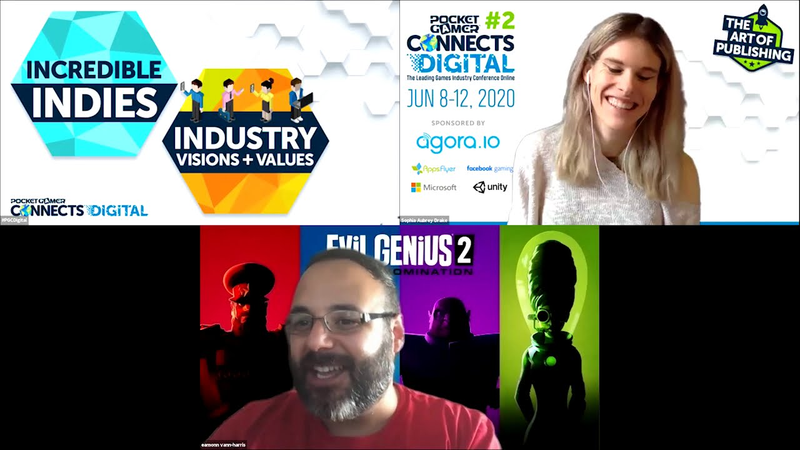
Keynote: Building the Right Team PG Connects Digital #2
Building a high-performing game studio requires a foundational philosophy centered on internal empowerment, clear communication, and a shared sense of ambition.
- Prioritize internal leadership development to ensure long-term retention and preserve core company values during organizational scaling.
- Startups should focus on recruiting versatile, mission-aligned talent while providing the financial security necessary to compete for high-level professionals.
- In remote work environments, shift management focus from productivity monitoring to building a culture of trust, supported by proactive mental health initiatives and transparent communication.
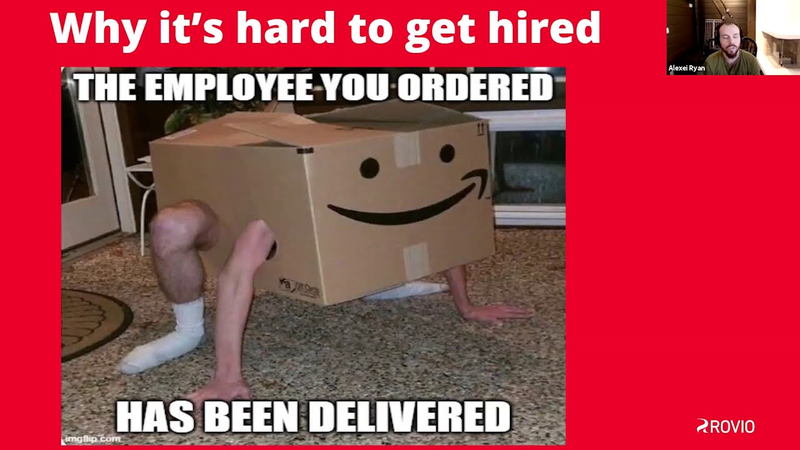
Keynote: How to "Break-in" to the Games Industry: Why it’s Both Hard to Hire & get Hired PGCD#2
The games industry faces a systemic recruitment paradox characterized by an over-reliance on pedigree and rigid hiring criteria, which frequently overlooks high-potential talent.
- The games industry suffers from a high-turnover labor market where fewer than 17 percent of professionals possess more than seven years of experience.
- Hiring managers frequently rely on inefficient, costly poaching of passive candidates from established firms rather than developing internal talent.
- Prospective candidates should bypass traditional application methods by using tailored outreach and portfolios that frame non-industry experience as transferable, problem-solving competencies.
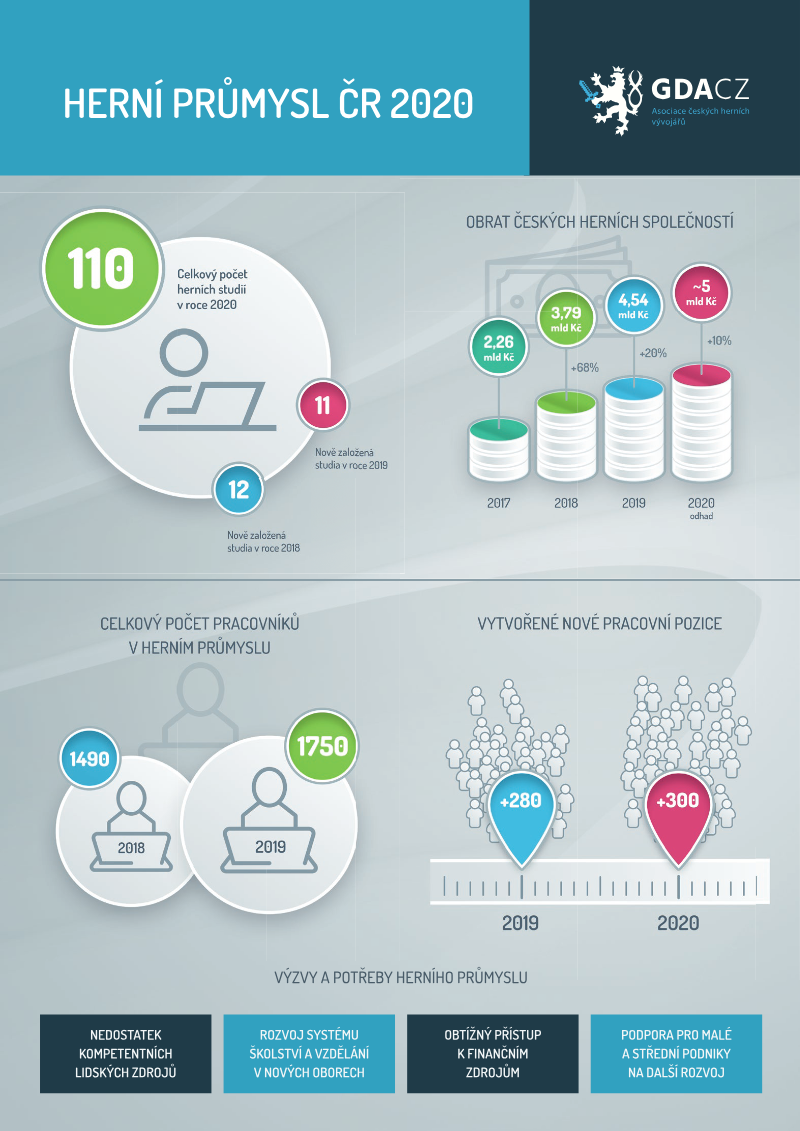
Herní průmysl ČR 2020
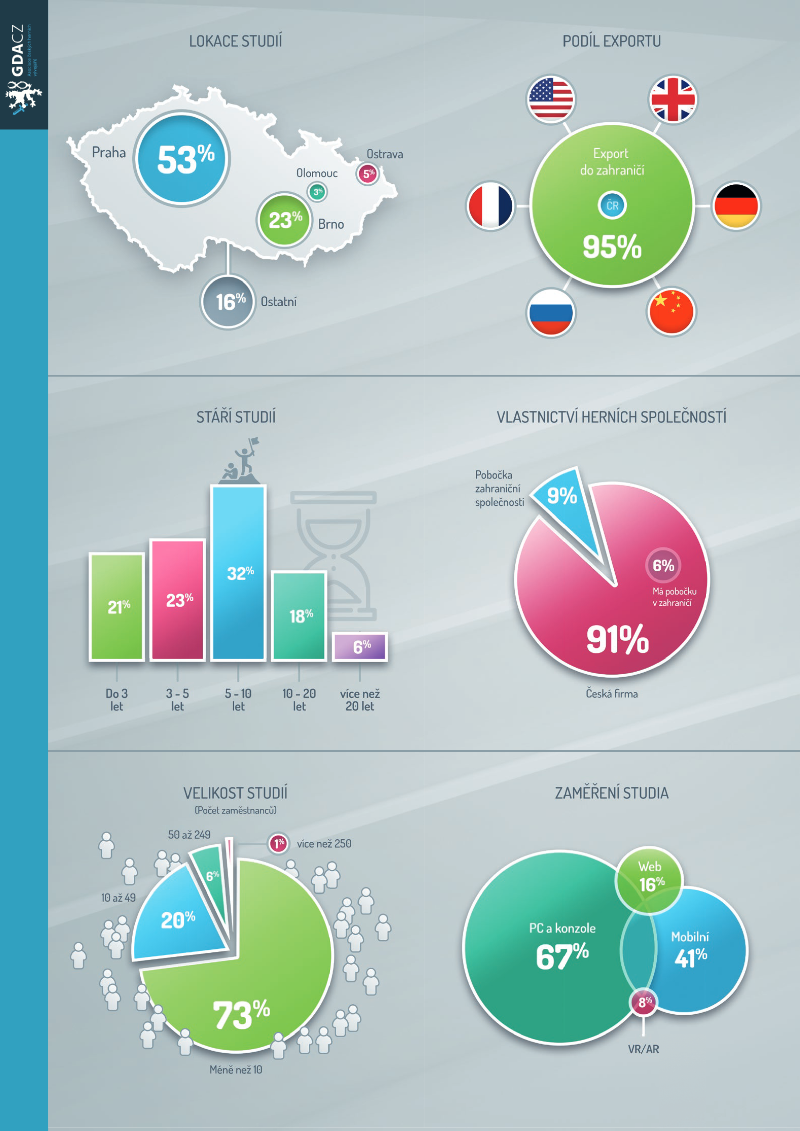
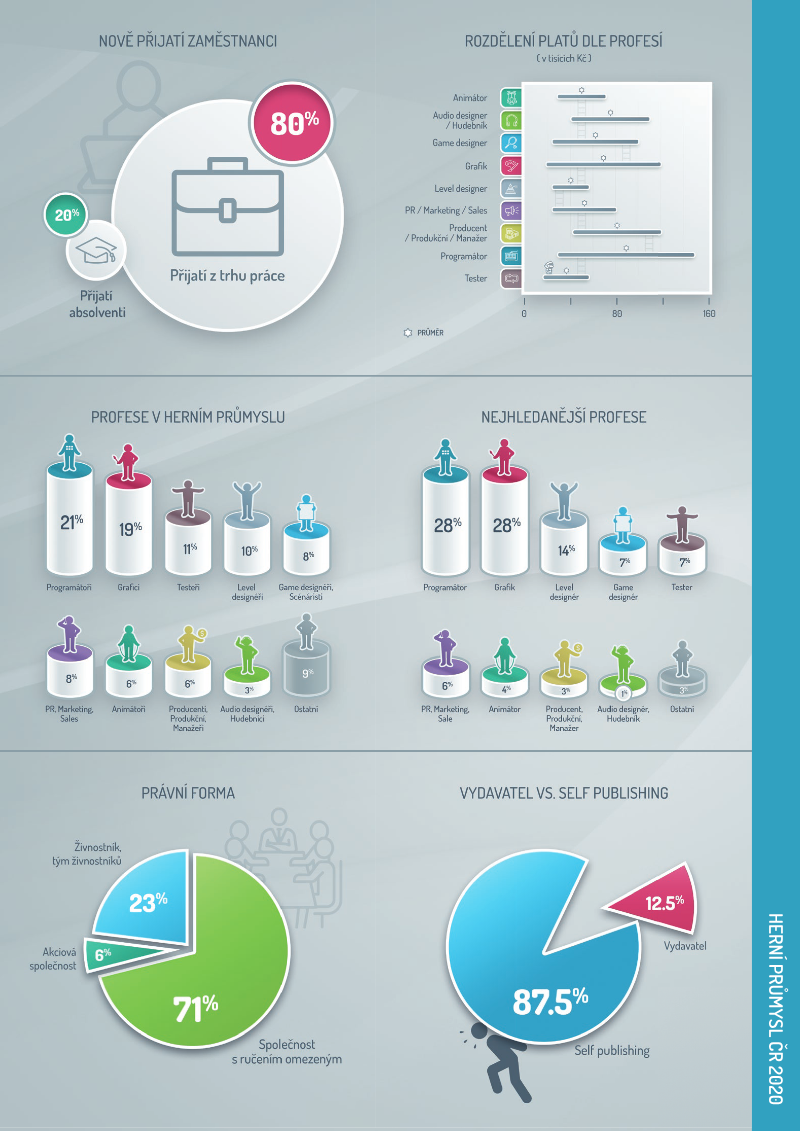
The Czech game development industry experienced significant growth in 2020, reaching a total valuation of 3.79 billion CZK.
- The Czech game industry reached a total valuation of 3.79 billion CZK in 2020, supported by a workforce of 1,750 employees after the creation of 300 new positions.
- The sector is highly export-oriented, with 95 percent of production destined for international markets.
- The industry is dominated by small-to-medium enterprises, as 73 percent of studios employ fewer than 10 people and only 7 percent have more than 50 staff.
From Corporate to Indie and Back Again
The game industry is characterized by a fluid professional landscape where talent frequently oscillates between corporate employment and independent contracting.
- Career sustainability in the game industry requires treating one's skills as an independent business, regardless of whether one is currently employed by a corporation or working as a freelancer.
- Professionals must balance the stability and proprietary infrastructure of large studios against the creative autonomy and specialized workflows afforded by independent contracting.
- Operational efficiency when managing external talent relies on standardized communication, clear documentation, and integrated middleware to bridge the gap between internal teams and contractors.

How I Became a Full Time Game Developer
The narrative outlines the professional trajectory of an independent game developer, detailing the transition from a traditional corporate career to full-time game creation.
- Securing $28,000 in the first 24 hours of a Kickstarter campaign provided the necessary capital to complete the game Pinstripe, serving as the primary catalyst for transitioning to full-time development.
- Achieving professional viability in the indie sector requires a hybrid strategy of leveraging community support, crowdfunding platforms, and publisher partnerships to mitigate financial risk.
- The developer successfully scaled their career by building on early validation from Flash-based games, which garnered millions of plays before moving to larger commercial projects like Pinstripe and the critically acclaimed Never Song.

Recruitment: Looking for the Holy Grail - PocketGamer.biz RoundTable
Securing employment in the competitive games industry requires a strategic approach to personal branding, where clarity and relevance are paramount.
- Recruiters spend an average of only seven seconds scanning an initial application, making concise, keyword-optimized resumes essential for passing the first filter.
- Portfolios must prioritize quality over quantity by showcasing the full development lifecycle, from initial conceptualization to the final product.
- Candidates should replace passive job applications with active networking, such as engaging in specialized developer communities, participating in game jams, and sending personalized outreach notes.
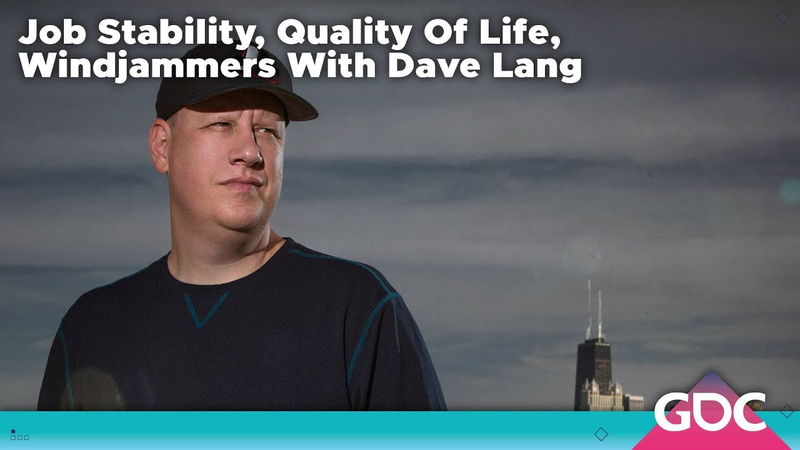
Job Stability, Quality Of Life, Windjammers With Dave Lang - GDC Podcast
The game development industry has undergone a significant transformation over the past two decades, shifting from a landscape defined by high-risk volatility and frequent studio closures to one that increasingly prioritizes sustainable business models and improved quality of life.
- Iron Galaxy Studios mitigates financial risk by maintaining a diverse portfolio of ten to twelve simultaneous projects, focusing on technical consulting, co-development, and porting.
- The studio prioritizes long-term job security and a strict forty-hour work week, explicitly rejecting the industry-standard 'crunch culture' to improve employee retention and quality of life.
- A reputation for high-quality delivery allows Iron Galaxy leadership to negotiate more favorable project timelines with industry partners, further stabilizing the studio's operational framework.
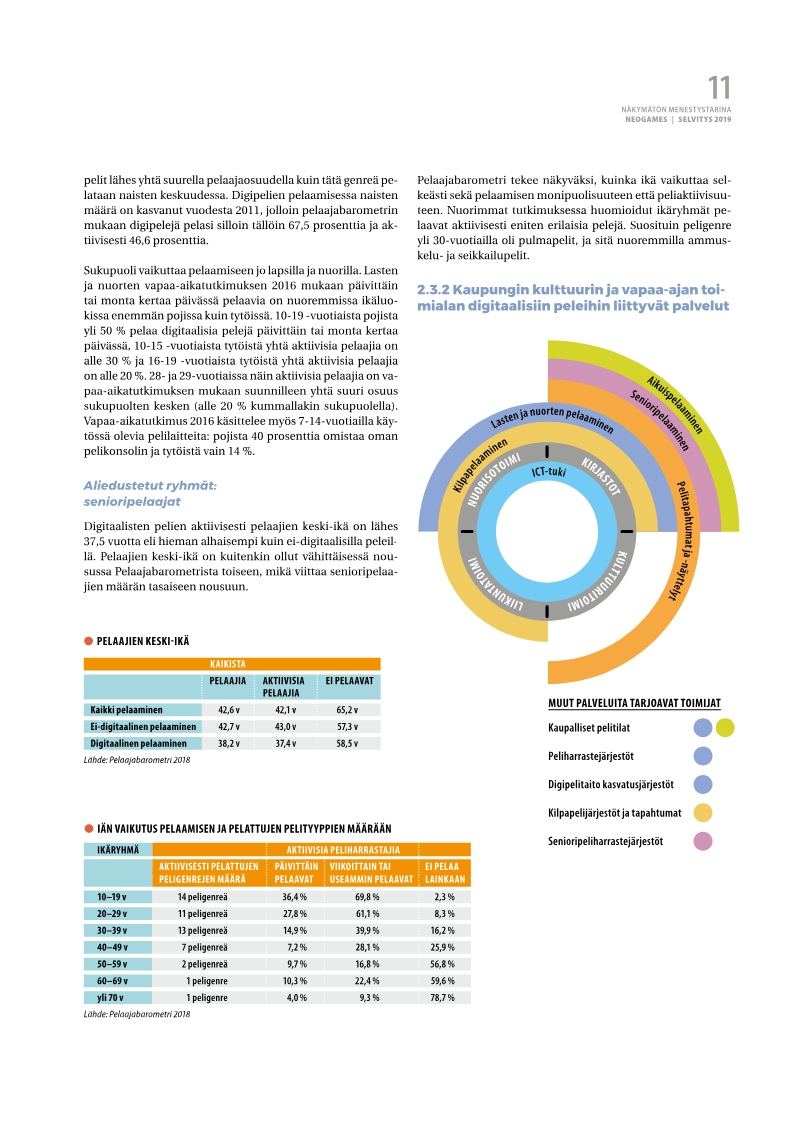
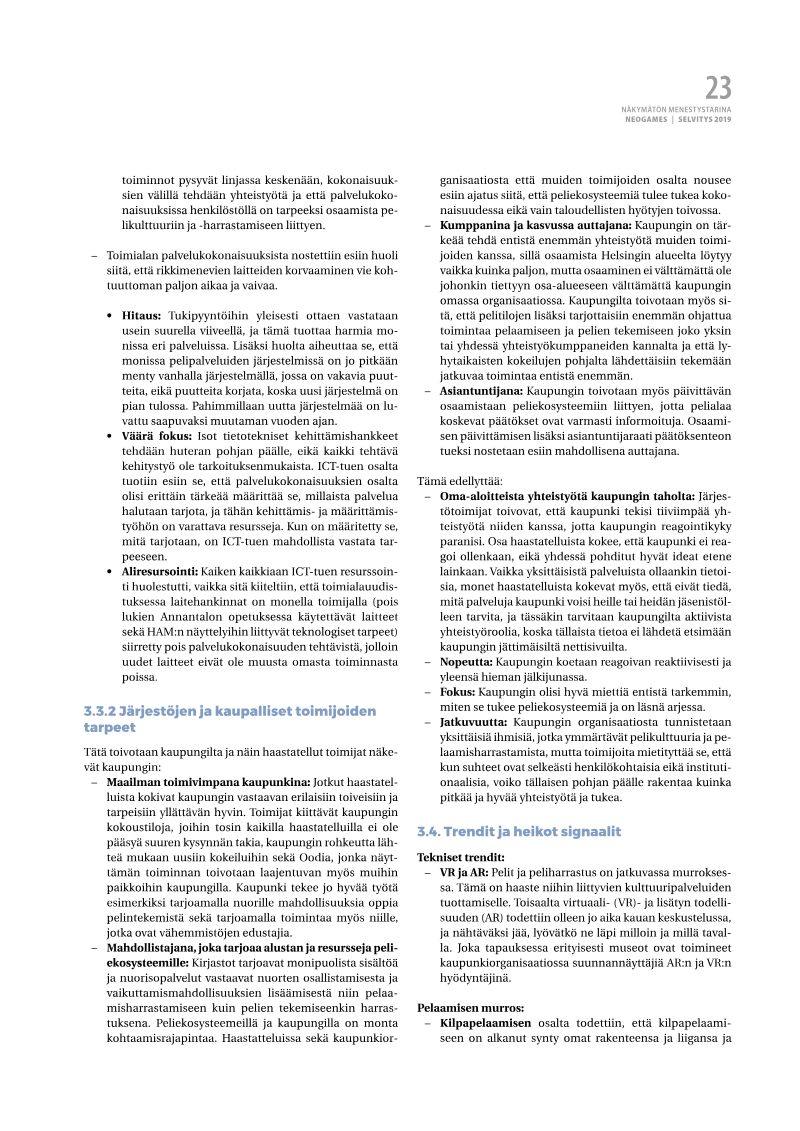
Invisible Success Story: Game Activities in the Culture and Leisure Sector in Helsinki
Helsinki stands as a global leader in the mobile gaming industry, anchored by a robust development ecosystem that generates 1.65 billion euros in annual revenue.
- Helsinki’s mobile gaming industry generates 1.65 billion euros in annual revenue, supported by a robust development ecosystem.
- The city leverages municipal infrastructure—including libraries and youth centers—to integrate gaming into public services for digital literacy and social inclusion.
- Current municipal gaming initiatives are fragmented and hindered by inadequate data collection systems like GIZMO, which underreport usage and overlook non-PC gaming formats.

Indie Game Devs Are Poor, Right?
The pursuit of a career in indie game development is often met with skepticism regarding financial viability, yet it offers unique opportunities for personal growth and creative autonomy.
- Solo indie game developers earn an average annual income of approximately $10,000, while members of small teams average $50,000 per person.
- Aspiring developers should mitigate financial risk by opting for low-cost technical schooling instead of traditional university degrees that incur significant debt.
- The indie development career path is best suited for individuals in their twenties who have fewer financial dependencies and can afford to experiment with a 'shotgun approach' to career discovery.
How to Build & Maintain Successful Highly Distributed Teams | PGC Digital #1
Building and maintaining high-performing, distributed game development teams requires a strategic investment in both operational mechanics and human-centric management.
- Maintain productivity by focusing on project milestones and clear task tracking rather than micromanaging individual working hours.
- Establish a core overlap window, such as 10 a.m. to 5 p.m., to ensure team collaboration across different time zones.
- Support distributed staff by providing essential resources, including ergonomic equipment and robust software tools like Jira and Slack.
Intrinsically Motivated Teams: Applying Self-Determination Theory
Self-Determination Theory (SDT) serves as a foundational framework for fostering high-performing, intrinsically motivated teams within the game development industry.
- Intrinsic motivation is driven by three universal psychological needs: competence (mastery), autonomy (meaningful choice), and relatedness (shared purpose).
- Managerial support has a threefold impact on team motivation, significantly outweighing the influence of individual talent alone.
- Extrinsic motivators like financial incentives often hinder performance in creative and complex problem-solving tasks, whereas intrinsic motivation correlates with superior cognitive performance and lower turnover.

How to Run Your Own Career Fair on a Tiny Budget
Hosting a successful career fair on a minimal budget requires a strategic blend of professional networking, resourcefulness, and meticulous logistical planning.
- Leverage existing organizational infrastructure, such as local IGDA chapters, to gain immediate credibility and access to established professional networks.
- Secure low-cost or free venues by trading promotional visibility for space with local stakeholders like academic institutions or community centers.
- Maintain a professional environment through high-quality branded materials, clear signage, and structured networking formats to attract both high-profile and agile studios.