1 free read left. Create a free account for unlimited reading + AI research.
Create free account
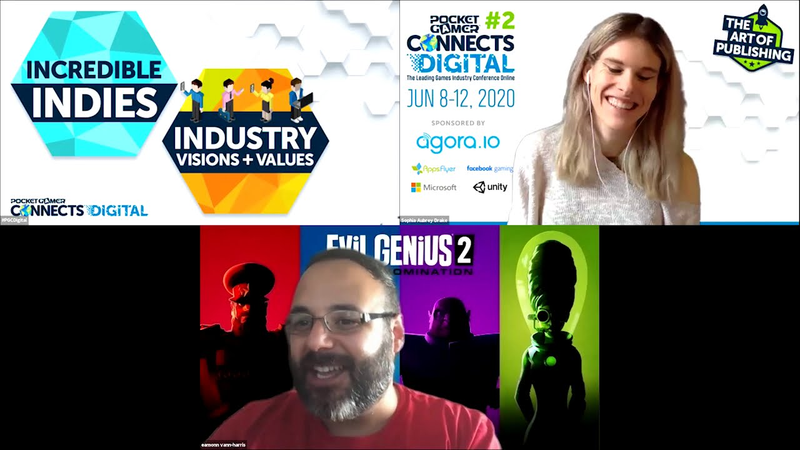
Keynote: Building the Right Team PG Connects Digital #2
Key insights
6 takeaways- 01Prioritize internal leadership development to ensure long-term retention and preserve core company values during organizational scaling.
- 02Startups should focus on recruiting versatile, mission-aligned talent while providing the financial security necessary to compete for high-level professionals.
- 03Maintain organizational culture during rapid growth by balancing the integration of experienced hires with the active mentorship of junior staff.
- 04Adopt an adaptable leadership mindset that treats business failures as essential learning opportunities rather than setbacks to ensure sustainable growth.
- 05In remote work environments, shift management focus from productivity monitoring to building a culture of trust, supported by proactive mental health initiatives and transparent communication.
- 06Actively monitor hiring data to identify and rectify systemic imbalances, ensuring the workforce remains representative of the broader gaming community to drive innovation.
Ask AI about this video
Transcript
without any further ado i'm gonna bring eamonn from rebellion up to the stage hi amen how are you yeah i'm good thank you i'm not enjoying the weather at the minute i know it's rubbish isn't it at least it is here as well yeah damn i know was start i know we're starting two minutes late but don't worry at all because we've got loads of time so uh yeah we're looking forward to your talk and before i let you start though i just wanted to say to everyone to uh make sure you pop some questions into the q a but uh it's it's great to have you here and uh thank you for joining us yeah no it's it's be i mean strange times but i guess this is one of the very few industries where we're able to do things like this remotely and i think we've found a new way of working really i'm sure everybody would agree that we
um we've definitely evolved again and that's one of the things i love about this games industry this industry just evolves all the time i mean i started off in the games industry about 15 years ago and the change within employment within how we use things like social media how we work you know has just been phenomenal um i started off in recruitment just a traditional recruiter but at college i was always in love with games like i was a big gamer growing up but i found it very hard to get into the games industry but i found i was very good at recruitment so um i was lucky enough to get a job at an agency um who are in the games industry and actually taught me a lot about you know this this beautiful industry how niche it is and it brought my passion back for both recruitment and games and um so i learned a lot in a short space of time and then i went on to set up a company i recently saw called avatar games recruitment which i think is pretty well known in the
industry uh and that for me in terms of building a team and to in terms of employment branding and being a director in the games industry was such uh my word it was i could write a book on it it was such an experience um so i i basically had all this ambition to to build something i looked at other agencies and what they weren't doing in the industry and a lot of what actual studios wanted and created these bolt-on services and tried to try to plug little holes really in the industry um and i set up avatar games recruitment in my bedroom on about 800 pounds um against you know all my family which is saying this is never going to work nobody really believed it would work and it did it worked uh it worked really well and i think it was just having that self-belief so i went on to set up avatar and i remember my first hire was the one that was the defining one to go from a one-man band to actually making that first hire
was so important and then even before making hires i was thinking to himself okay what is this company what kind of team am i looking to build here what do i actually stand for and what makes this company different to the thousands of other agencies out there and it taught me so much about uh i guess ambition marketing you know about that us against their mentality not in a competitive way not in an aggressive way but that team you know that internal team and building that spirit so i thought okay so avatar's about the spirit of startup and that's what it is it's a startup and i mean i was 24 years old at the time you know i didn't really know much about the world as well so it taught me a lot and um so building a team from start was was fun um and everything that came with that the challenges of being a director from doing everything from setting up the finances for it you know being a counsellor effectively
doing everything from looking after the clients to even photoshopping adverts myself because we just didn't have the money to do anything and that was really good fun and we developed into a company that um got i think we it's been going for about 11 years 12 years and in that time in it i think over the space of 11 years we've all they only lost five people for a team of six to 12 people that's pretty impressive you know so we always retain staff really well and the way we did that was to look at um not just getting people in but actually how are we going to keep these people in can we create a clear career progression for them you know it's not just about paying the best salary it's also giving them a great package of benefits work-life balance and making them feel like they're part of something that's really special so after after a bit of time i went from um from being internal with well from being external with avatar i wanted to be closer to studios and i was lucky to work with a number of
companies like codemasters jagex um natural motion and various others internally as a contractor so that was my path out of being an agency recruiter and looking into actually building teams internally and learning more about employment branding the power of employment branding now is phenomenal i mean you see now in social media everybody you know so many companies have really embraced um it you know interacting with their audience and ways to sell a company so i learned a lot from there and from from each from each company i've been at i've always done something where i've taken away a lesson of something they might not be doing that's right but something they're also doing that's right and i've kind of brought all of that together and then i recently joined um rebellion and and it's been really good fun to be honest so i've been able to put all of that together into a you know create a road map with a really good team um and look at everything from
how we put out our jobs to how we actually interact with the people who are coming to us you know candidate experience and stuff um but yeah we're going to um building the right team which i think is one of the topics that she was i'm covering so um building the right team is really interesting because i've i've been lucky enough to build teams in small obviously in a small startup two giant publishers so i've had that ability to see how it works in different places um so what i usually do is what i recommend to do is first of all assess the team you've already got look at what works and where the strengths are and where the weaknesses are and where you need to add value to that and i think it's also important to have some form of philosophy and direction in that team as well you know what does this what do we have you know where are we trying to take this team what is the actual overall ambition rather than just bringing in task masters are we looking for leaders are we looking for real team players um and also shaping
the culture of the team um generally when i've had a when i've built uh my own department i've always had a fun sort of team who are really good souls that they're pretty ambitious but they're all they'll also you know everybody's got each other's back and they want to help each other and it's off the greater cause of something um and then we've always been on the same i guess the same track of what we're looking to achieve and that's important that you all pull together as well so when i'm looking for candidates for that team i'll be looking at the characteristics what kind of personalities do we want um i've seen some fantastic people skill-wise and experience-wise that i knew if we brought them in would do a great job but perhaps wouldn't would probably rock the apple cart a little bit and so you're always trying to balance that up and figure out what kind of personalities are we bringing in and what skills do they have as well and what are their motivations for coming on board you know so why is it they want to leave a say a fantastic job where they've done
really well to join us and and looking at the history and going on to the chemistry side and you know again having that chemistry within that team um that you're all i guess the social aspects as well where we're all connected and we all want to do well for each other um and i think having clear lines of communication is really really important between managers between you know between all staff i mean if anybody's got an issue it's always good to be very open and never be afraid and teach the team to never be afraid of making mistakes you know because that's how you learn ultimately if you make mistakes that's how you're going to learn um and i like to i i think it's important for companies to identify future leaders first of all rather than looking for a leader outside of your business the amount of times that we've already got leaders within a business that just perhaps haven't haven't perhaps had the chance to or the platform to step up to the plate and show what they can offer so i think looking internally what we have is
always important before going out to market and giving people the opportunity that they don't have to move somewhere else they can actually stay with us for the long term a bit like what's happening with avatar and step up um i mean i had a graduate join avatar who's now a director and um and did a fantastic job and how now has she has more shares than i've got in the company so you know so it just shows you that if you if you really give people that chance to to prove themselves and you you can really support them then they it just you know you can go anywhere you don't always need to move so yeah do you find that as well in terms of when you say building the right team and finding people internally within obviously you've got to get a range of diverse experiences in order to create a project do you find that you can cultivate that diversity from within as well as uh you know rather than externally such as giving people the opportunity to to learn new ideas rather than just grabbing people to create
uh you know a complete team yeah i think you can i think you can look at what you've all you know as i say looking at what you have already but also influencing them to go and get um to fight i mean i always tell people to go and get hobbies to go and learn new skills like i'm learning i'm pretty good at speaking german now and i do it as a as a hobby at the site because i think it's always good to have outside interests yeah and just and you know i'm probably quite eccentric to be fair but and bring that you know bring those experiences to people and so i think having a group of people you can tend to find that sometimes if some if you've got a group of people who aren't doing so well at the job perhaps or have lost a bit of direction you already usually have the personalities there it's bringing that personality out and it's finding ways to do that and and i think having open lines of communication and a direction together usually does that and giving people i mean giving people um like empowering people is really
important i think people yeah sorry i was no i was going to say on that in terms of talking to empower people and and building that right team as the topic is do you think it's important to rather than i mean obviously it's important to have someone at the top guiding the the channels but do you think it's important to give everyone a position of responsibility and a chance to be a part of decision making and really agency and ownership of what you're creating absolutely 100 and i think that's where if you look at the games industry 15 years ago it probably wasn't like many other industries to be fair it probably wasn't quite there and it was more um it was probably more there was probably more of a stiff hierarchy with it i think now you've seen that more and more with companies where giving somebody ownership and the empowerment to to actually go and do something to create something it just adds to the overall value of the company because everybody then feels
that they're part of something and everybody's important you know what i i always remind people no matter what how small that a certain role might be to play or how big it is that everybody is important to everybody i mean you know if you've got somebody who just does basic admin for you uh if you don't have that person all of a sudden your job's in jeopardy as well yes every little section is as important as the other it's just different tasks you know yeah i think given that obviously as well i think one thing that'd be interesting to a lot of the people who are in the audience from your expertise and insight is that given this is obviously the incredible indies talk there might be a lot of one or two-person teams here who are thinking about scaling and as someone who's done that uh sort of thing do you think that you know there is you know we can't all always go out and create an entire team from scratch so do you think there's key areas that that smaller teams and companies or maybe even just individual people
should be looking for as a priority when growing their team yeah absolutely i mean when i when i did the first hire i needed somebody who was uh basically who could mirror me and and could be a good all-rounder that wasn't scared of coming into a startup but had that same ambition and i think it's really when you get a startup going there always an excitement i mean i remember the first the first year was phenomenal because it was all brand new and business just the first three months were difficult because finances took time to come in so before making a hire i always made sure i had at least 12 months of money in the bank for that higher and then anything that would go on top i would just keep on continually build that because i didn't want to put them and that's another thing as well it's that responsibility of making sure you look after your first few hires and giving them that reassurance that they you know they might be leaving a big company coming to a startup and just giving them that security but freedom that actually we are creating something and no one day is the same as the other
remember you know um the first time i got in just hit the ground running and then freed me up then to bring in more business to to go out there to guitar i could sleep at night for once and knowing i had some extra team members that's an interesting point what you make there we always hear that in the recruitment area and when people building the right team you know hit the ground running but obviously there might be times when you want to bring someone more junior in and and grow them and and build them you know with the values of the company and the team that you're creating when do you think that the situation differs between bringing someone in who maybe has all that established experience and you know like you say and obviously adaptability is key but what's the when is the right time to to bring someone new in and and help them develop and grow and put that time and mentorship into them versus bringing someone in who kind of knows what they can do and can just hit it straight away yeah i mean and that's you know and that's been the the most important part for avatar was the juniors that came in because they basically run the
company now yeah and they really installed into the way that we work but in that time we were also able to before bringing a junior in we had to establish what our actual culture was what our message was to people you know what do we stand for and what makes us again what makes us different because there's only so long you can go on the whole we're a startup because after two years you're technically not a startup anymore and you know you're looking at the next stages of how you build your team so once we figured out what we were i had an idea of what we were but trying to translate that to everybody else was an experience in itself as well and eventually it really clicked together and it was a case of okay we're the we we came in as the underdogs who just kept winning things you know we which it was just brilliant to watch this fiercely independent team just growing and breaking all the rules just rewriting the rule book of the startup and just you know i would say if somebody would come to me with an idea and say should we try this out like you know what let's do it it's not
it's not something we'd usually do but let's just give it a go it's by cara and dean see if it works so i would um i think my first junior came in after 18 months because i wanted to make sure that every high we brought in wasn't a quick fix this person was going to get the time to really have a chance at the job and it wasn't a case of hiring fire because i didn't want to create that kind of atmosphere i wanted to bring in people and really invest in people as well i mean especially in recruitment ultimately in recruitment everybody has the same tools we generally have the same access to the network but it's the personality that's the actual product so you quickly realize that actually the branding's great but the personalities you have inside of an agency is your actual product and i guess like that with games i mean if you if you've got a great game id you don't have the right team around you who believe in that idea are able to uh to deliver on that then again it's it
just shows you how important people actually are um yeah i mean on that point you know like you say you know creating that culture and that ethos is arguably the most important thing about building a team and that camaraderie but obviously building a team is only one part of it um sometimes we hear of companies who've grown too big sort of losing their like soul their essence what do you think from your experience is essential from taking a company from indie and small maybe even all the way up to big but never losing what makes the culture of the company you know it's sort of never losing its soul in a sense i think sustainability has always been that is king in everything within business and it you can get to i mean i had a friend who was a bit of a cautionary tale really he set up a a tremendously good recruiter and he set up a business that he took on so much
business that it just crippled everything and he went into administration i think it was after 12 months um so we were in positions with avatar where and it was difficult but we'd have to turn some business away and we'd have to look at the business we could deliver on and we needed to be honest with our customers and say you're better off going to our competitor because they will look after you at the minute i don't think we can do that but let's talk in the future when we're in a you know and hopefully you'll remember this token of honesty and recommendation and then we'd love to work with you in the future and i think you know having that and and making sure that you don't over subscribe on business and and you just have enough for everybody but then you've got a future pipeline as well is it's a balancing act um we did get to a point where we were about about three or four people short it really affected us because we opened up in america and we got a lot of business all at once so i had to make some fairly quick hires that worked out thankfully because we
already had the ethos of the company yeah exactly it took me personally out of my comfort zone because it was against my way of hiring of just going right we'll hire that person we'll hire that person and hopefully this works out and he did thankfully but um you see so many times where if you as you say like keeping the values of a company so important i think it also shows that you need to have a good i mean i've always had a board um who all share the same values and so we always keep that direction and you know what makes the company that dna of the company together because it's you know somebody might leave and they'll go on to do something else so you always want to make sure that whoever is coming in is coming into that that role and that role is actually existing without somebody being there if that makes sense yeah no definitely so that you know they're walking into a culture that they feel support from day one and they feel a sense of purpose as soon as they come in so
it is a balancing act um and and i learned the hard way to be fair when i started it was you know if i could go back to myself 10 years 15 years ago and then have a word with myself and certain mistakes i've made which are fixed it'd be you know in hindsight it'd be great but the one thing i did was i was very flexible as a director as a business you always have to be flexible and you always have to adapt to change quickly um and just be a little bit fearless to be honest i suppose and and with what you just said as well is um not be afraid of making some mistakes but importantly learning from them yeah i know you look at some of the most successful people in the industry i mean look at mark zuckerberg there's i don't i thank god he made so many startups that didn't work before facebook you know all these people have had startups that failed um but it's what you take you i mean you know if it's the if you've got the right product you're halfway there and if you get the right team
it's great but never be afraid to fail because that's where your greater lessons come from and you can apply them in the future when you're in the same position you'll know what to do then you know it's very hard to read from a book of i mean you could have theory from a book and learn how to do things a certain way but doing it on the job learning on the job is so much more rewarding and having the experience for real can just shape everything yeah well at this point we've got a couple of minutes left and so i just thought basically it'd be great to get some of the questions in from the audience if that's all right yeah so um one of the questions from dutch is uh uh what are the things that someone should keep in mind when hiring people to work remotely any suggestions on what tools can help every team member stay organized and i wanted to make sure we got that in because obviously that is vital to what's happening in the world right now you know it's i'm glad you've mentioned this and it's a really good question because we were talking about this rebellion something we brought in is um
so the app so actually one of the things you need to make sure you do first of all tools aside and everything is because people are working on their own they're more lonelies making sure in terms of mental health that they have that support there and we're checking on people to make sure look if you're having a hard time if you're finding it a little bit difficult at home go for a walk you know get some fresh air if because it can be frustrating being remote sometimes we're all experiencing it right now aren't we yeah so so i think making sure first of all that you've got the support system that look if you need to have a chat at any time let me know checking in with people i mean we just have zoom calls just to have a laugh with each other just to keep that social side and we have coffee breaks um at certain times in the day as well and just all night uh and we'll just talk about anything from what we've done at the weekend such as crazy stuff that's happened or anything
um but having the app well making sure they've got the setup and the right internet and things like that um you know we generally supply equipment i always do with avatar i'd supply the equipment to people and make sure everybody's licenses are up today um but yeah i think remote working can be really successful if if you give that care to somebody uh and they're also there's an element of trust with that that comes with it you know um i think previous to lockdown there may be trust issues with some companies thinking will they be as productive if they're not you know if they're not at the office but a lot of people have just i think productivity in most countries has gone up by 60 you know so sometimes being in the comfort of your own home is nicer than public transport yeah you know going somewhere that's that's not your own home sometimes you perform better so i'd make sure as well as the basics of supplying things it's just to make sure you give that support and checking with people to
not to see what they're actually working on but just to make sure they're okay or do they need you to deliver i mean you know with avatar we've done it a lot we we work remotely and every so often i'd send like a box of wine to somebody or you know like a little surprise of sweets or something just little gifts it's like you say it's making sure everyone feels like they're part of a team and not on their own yeah and so obviously the technological tools to do that we we're using zoom or it could be slack skype discord you know as long i think as long as you've got everyone on the same groups and involved together so that no one's on their own it's quite valuable isn't it yeah absolutely yeah and you know you know we assume at the minute it used to be skype i think before zoom but i think it just works so well to be able to see everybody in one room and yeah it's going to be very strange to go back to on-site working tonight i know isn't it just um another question we've got which is quite interesting is what is your opinion on rehiring someone that left by their own will or due to outside factors very good
question you know i i actually did this with avatar and i asked exactly why they left and i think it's a case of give and take because i think it's usually seen as a most people frowned upon rehiring somebody but you've got to think i mean were they good when they were with you did you get on with them then great and why did they leave if they said okay i left because i needed to change the scenery and i wanted to learn new skills then actually you can benefit from that because if they're coming back to you with those new skills and they're able to share that information experience that's great i think if if somebody left under a bit of a cloud yeah you kind of have to look at that but i think it's i think it's a case-by-case thing i would certainly rehire somebody if they just went because they wanted to learn something new i think that's just human nature that sometimes a change can do us good and keep refreshed and it's having an open mind with that and and it's certainly i i'd certainly re-hire for the right reasons yeah yeah
and another question we've got is how does hiring for a one-man outfit differ from hiring for a for an existing small team um i would say you're allowed you're allowed more room to make um a mistake the wrong word but if if something if something doesn't work out in a team if somebody's having a tough time integrating into a team you can spend more of your time actually getting them up to speed whereas i think the pressures with an indie is that if you don't if you haven't got that time and the finances to actually commit to helping somebody come up to speed it can be the difference between you know delaying a project and it can really hurt you so um i tend to find with interviews for a startup that's generally uh that they're more uh interrogating really um but they're generally it's usually people that you've known from the past who you've worked with who you know can give you something that you know you know what they can actually bring to the table right away
because you've worked with them or they're a referral from somebody and they could suit it so yeah you are allowed a little bit more um flexibility when you've already got a team and you can have that time so that's it's scary really hard as an indie but also as well when you see that first hire come in and it really works out it's exciting because you've just well you basically double the size of your company but you're taking the steps into seeing your creation start to grow and once you see they've bought into that as well and then they adapt that culture and they give it to the next person who's coming in all of a sudden it takes the pressure away from you so swings and roundabouts really yeah and uh we've got a minute left so i'll very quickly ask the final question just to get in just to make sure everyone's had a chance so the final question we've got is how do you ensure that the hiring process is fair and equal you mentioned people who might rock the apple car how do you balance diversity with the comfort of the current team i think so again especially in this day
and age that's a really really good question i think you have to give you know i've always looked at skills and personality for me that's the thing personality if if somebody's like a recruiter they've been in recruitment so something's worked but if they've got the personality where they are you know a peaceful person who's got a good soul who's willing to share i don't think i've ever you know we we've got such a diver we had an avatar such a diverse group of people um who were from all walks of life and i actually quite like that i like when you find people from all walks of life it can bring so much to the table you know and both from a cultural sort of situation to um personalities to actual work experience as well so it's i think you just it's always you've got to give everybody a shot everybody deserves a chance to interview who's right for the job and then he's just going on
from there really um i know that a lot of companies do sort of a check on diversity and see what they've actually hired as well so i think it's if you feel that it's you too weighted on one side it's always good to go out in the market maybe to sort of talk about this more socially and talk about inclusion as well so it it's quite um it's quite an open question really it's one that's always evolving i think as time goes on definitely well thank you so much for being with us we've run out of time although i say we've run out of time we're right on time so thank you so much for being with us really fascinating you know to learn about all your experiences and how that can be actioned into companies who are looking to grow yeah no it's only you know i wish everybody the best of luck as well uh and to stay healthy and safe during this um unusual time in the world so thank you no thank you so much thank you very much
Summary
Building a high-performing game studio requires a foundational philosophy centered on internal empowerment, clear communication, and a shared sense of ambition. Sustainable growth is best achieved by prioritizing the development of leadership talent from within the existing workforce, which fosters long-term retention and ensures that the company’s core values remain intact as it scales. For startups, the focus should remain on recruiting versatile, ambitious individuals who align with the organizational mission while providing the financial security necessary to attract top-tier talent.
Maintaining a company’s unique culture during periods of rapid expansion necessitates a delicate balance between hiring experienced professionals and mentoring junior staff. Leadership must prioritize sustainable business practices and remain adaptable, viewing failures as essential learning opportunities rather than setbacks. In the context of remote work environments, organizational success depends on shifting the focus from productivity monitoring to building a culture of trust. This approach requires a proactive commitment to employee mental health and consistent, transparent communication to keep distributed teams connected and engaged.
Finally, the long-term health of an organization is inextricably linked to its commitment to diversity and inclusion. Companies must actively monitor hiring data to identify and rectify systemic imbalances, ensuring that the workforce remains representative of the broader gaming community. By maintaining an open and evolving approach to these practices, studios can foster a more innovative and resilient organizational culture. Ultimately, the most successful teams are those that view their human capital as their most valuable asset, investing in the professional growth and well-being of every employee to drive collective success.

















Comments