1 free read left. Create a free account for unlimited reading + AI research.
Create free account
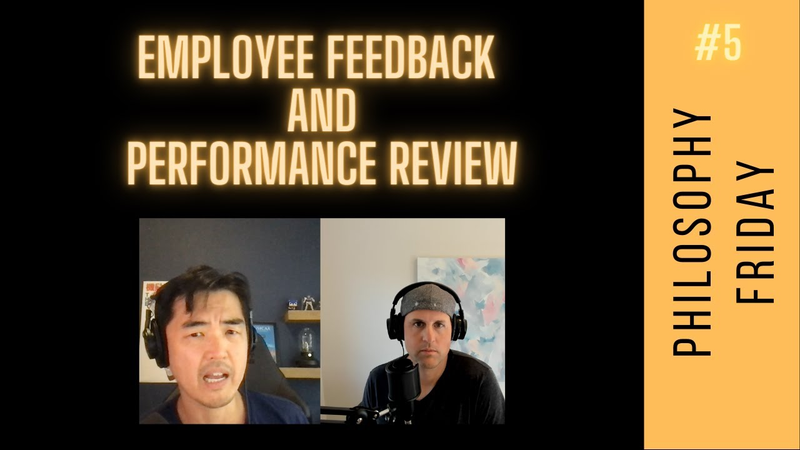
Employee Feedback and Performance Review Best Practice (Philosophy Friday #5)
Key insights
6 takeaways- 01Managers should focus feedback strictly on observable work product rather than personality traits, utilizing structured frameworks like skills matrices or start-stop-continue models.
- 02Leaders must balance logical critique with emotional intelligence, tailoring communication to the specific motivations and archetypes of individual team members.
- 03When employees are fundamentally unable to adapt, managers should prioritize streamlining hiring and onboarding processes rather than incurring the sunk cost of attempting to rehabilitate underperformers.
- 04Limit employee development goals to one or two key areas per quarter to prevent staff from feeling overwhelmed and to ensure actionable progress.
- 05Employees should cultivate professional detachment by separating emotional reactions from the substance of critiques while critically evaluating guidance to ensure it aligns with their personal values and long-term objectives.
- 06Replace infrequent, high-stakes performance reviews with a model of continuous, immediate feedback to facilitate real-time course corrections and reduce organizational attrition.
Ask AI about this video
Transcript
hey everybody welcome to philosophy friday i'm a little worn out brett this week but we'll get dude and tell dude i thought i was gonna be the one that was barely hanging on but but i'm here really yeah but the topic oh go ahead well i was gonna say one thing i learned in in life working with pete parsons i don't know if we talked about this i know we parked another podcast but this dude is ceo of bungie studios helped create you know a few games you might have heard of halo being one of them he was my boss in seattle and the one thing i learned from him dude this dude showed up every single day fired up like funny energetic like super excited about the product and he was always surrounded by the best devs and it took me a while to figure it out but i i realized if you can bring it every day and it's hard especially when you're a leader it's incredibly valuable so
that's my pep talk jk we gotta bring it you know we should in the future talk about different leadership styles we'll get there but the topic for today employee feedback and performance reviews and we're going to tackle both because they're generally linked at a lot of companies and an area which i think just about everybody can use improvement including myself i'm not professing to be an expert but we'll discuss various systems commonly used by companies high level thoughts and basically our philosophy towards feedback and performance and i know i've got specific views and brett you've got specific views so maybe we should just jump right into it and start with in terms of high level in terms of feedback brett what do you think are the biggest mistakes when it comes to whether it's both formal and informal feedback systems at companies today well probably the biggest thing is that they don't do it enough
and the reason i say that is because when you don't do it a lot it becomes a bigger deal right because there's like more time between the time that you get feedback so it's bigger it's more dramatic it's it's about bigger topics i think what better way is to just do it all the time then it's then it's commonplace and you can course correct gradually as opposed to throwing down the gauntlet three months in jk you know we have feedback for you sit down we've got four people in the room that are gonna you know just give you this like [ __ ] windfall of crap and so you know that's probably the biggest thing i think the other thing that we do at liquid and grit which i i think works well is we we think about feedback a little bit more as like editing as opposed to feedback for the individual you know and we can discuss whether those are different but i think there are kind of different ways to get the same thing right if your feedback is be more diligent right or you have to be more careful that you can just give that feedback
right or you can just edit the crap out of their work and be like yo you missed a period there you missed the title there why isn't this formatted correctly blah blah blah which is kind of how weir is just like attacking their work product as opposed to kind of like attacking them as a person right but you have a situation in which because you are generally oriented more around the work product right where in your your remote for example but i would say um or i guess maybe my question is do you do you think that if you had more of a you know in-person type of situation and you weren't oriented so much around the specific products whether you would change that system to also address personal issues right so i don't know oh man i mean we just try to avoid personal issues i mean i nip that stuff in the bud so quick i mean that [ __ ] i just some like [ __ ] gauntlet on like no way like all that personal stuff i mean give giving examples so i can
can talk about it but we i mean if you don't have work product then i don't know what they're doing i mean i guess if they're a manager and they're just you're getting feedback from people but i generally just feel like get after it right away like if you see something and you think that they should get feedback what i air on is give it right away don't let it build up where you see three four or five instances of it and then you sit down with them and you you know have a really serious conversation it's like if you see it give it and then what that does is it allows them to course correct it allows them to understand exactly what you're talking about because it just happened and probably most importantly it allows them to build a thicker skin for getting it because they're going to get it all the time they're not just it's not just like this thing that they're getting once a quarter they're getting it every week right right yeah yeah so i mean and the way that i personally think about feedback is first of all i do think it's really really difficult i think it's very it's a sensitive issue that people should take very seriously and i
think that if you get it wrong people do often get very upset and you can have attrition for stupid reasons things like that but you know kind of getting that out of the way just kind of getting to the point i feel like there are mistakes that are made in companies both or issues with companies both in terms of giving feedback and receiving feedback and i would say like the way that i kind of think about giving feedback is i kind of characterize people into four levels of giving feedback and and beyond that i would agree with you brett in terms of the for how you open suggesting that most people actually don't give feedback and especially at larger companies that's the case and in some companies depending on your culture we talked about this before in previous podcasts that giving real feedback to someone can actually get you in trouble so obviously you need to understand the culture you're in you need to understand your organizational context but for those organizations where feedback is welcome which most companies profess
to have but in actual reality is not the case i kind of distinguish people into kind of four levels of giving feedback and i would say the first level are the people who don't give real feedback and so you know they just aren't able to give real specific feedback to people just because you they don't have the emotional capability or the personality to do it and so they'll either not say anything or if they do give feedback it's like hey brett you know bill is kind of saying that you kind of have this issue right hey you know according to sally at meetings you kind of talk too much right and you don't you you're not giving other people to to kind of chime in during the meeting or something that kind of thing so it's not me it's bill or sally or whoever so that's kind of level one in my opinion and then level two are kind of people who give light feedback but then they'll stand they'll [ __ ] sandwich it right meaning okay hey brett
you know you're doing really great work that last report that you you published was awesome but you know let me talk to you about one specific thing in that that i think you should work on and give you a little bit of light feedback nothing that would be too confrontational or or would hurt your feelings too much and then end it with something positive that for me that's level two and then level three are what i would call you know good feedback givers which is really about having relevant and impactful feedback but in my opinion it's not delivered in the best way and that's kind of where i categorize myself like i try to give really relevant and relevant and helpful feedback but my delivery is not the best like sometimes i can come in way too over the top sometimes i can be way too direct i can hurt somebody's feelings things like that and then four in terms of great feedback givers in my opinion it's like someone who can give the right feedback and
deliver in the way that has the most impact and so this is where i think we mentioned before about personality types and things like that i'm trying to study that so that i could try to become better but i'm not in my opinion i am not a great feedback giver and i also kind of liken that to you know we talk about cards sometimes right and let me just brag a little bit brett okay go for it so i used to be an incredible poker player there was a period of time where i became incredible like and just as an example there was this law firm work that held these tournaments and out of like five tournaments i i entered i won two final table two and one i missed i i didn't make the final table but i didn't play that much and the big change for me in terms of improving my game was learning how to play the man and not play my cards you know what i'm saying like what yeah and and similarly i would say like when i talk about a great feedback giver
i would think about it in that way so the great feedback giver is going to be able to play the man how do i give this feedback to this person and as i i know i know we said in a zero to one organization that you know you like you can't just adapt to everybody but at the same time i do think that a great feedback giver will be able to deliver feedback in a much more impactful way than a good feedback giver and i am not great just just to be clear look well i'm going to defend you here because i kind of get sick of hearing that the feedback wasn't given well i mean it's a [ __ ] sandwich so i mean you're gonna get just eat it i mean obviously you don't want to come in their guns blazing and throwing f-bombs although at your company you probably do since you you love f-bomb so much but yeah i do i mean beyond that it's generally and again i think we probably break this off like feedback is when you're really sitting someone down and giving them
feedback about who they are or or you know their personality or their impact or something larger yeah i mean that's a [ __ ] sandwich it's not going to come out great and i remember i would used to write write out exactly what i was going to say because because of it you know it is very sensitive and you don't want to offend anybody and all that all that stuff that said i'm countering that with no one no one likes to hear those larger things and particularly if you've waited three months to give it i think that's where some of the problems can arise is it's just really hard to tell somebody you're not great at something right nobody likes to hear that so yeah there are betters and then my other point jk is that just before you jump in is is that you're talking about a theme that i brought up before which is there's the through the emotional brain and logical brain and i think in those instances this is really where you want to be tapping into your emotional side of your brain and i have been personally on a journey to tap into my purse my emotional side and
it's incredibly impactful in these situations where you can you can identify things that are happening in real time with another person much better with that side of your brain and you can also be more impactful if you express that side of your brain right and i think too often as managers or leaders we come in with that logical side i'm gonna which i told you that's what i used to do i'm gonna write out exactly what i think and i'm just gonna write it out i'm not gonna react to what i'm seeing or react to what i'm feeling and i that's i think the wrong way to go about it i think you do want to prepare but you really want to be in tune with your emotional brain and be able to react like oh a person's crying i gotta swear skiers or the person's not even hearing me or whatever you know yeah and i would agree with you brett where when most people at companies say that you didn't give the feedback well it's more around that that person probably gave two direct feedback but when i say playing the man and giving the feedback in the right way i don't me i i mean more
around like it's not about how hard you give the feedback for me that that doesn't even matter for me it's about understanding the motivations of this employee of the person i'm giving the feedback to you and then how do i deliver the feedback in a way that they understand it well they understand the impact it will have if they were to change and to align it with their personal goals such that they are motivated to make that change and act upon the feedback so i am great at giving direct feedback very forcefully but sometimes but i'm not great at that playing the man that other part where it's like okay they understand it they know that if they do that feedback how much it'll help them and it's aligned with their their goals as well that that part i i need to improve and maybe even uh talking on the flip side now so kind of that's that's how i think about giving feedback
yeah i did want to say something because i know you're a jocko guy as well but one thing i learned from jacob's podcast from one of the books that he was reading was one of uh it was a german leader book about how there's sort of three archetypes of people that you lead and there's one that you have to say we need to take that hill the second is we need to go left and then right and then up and then round and then you need to take that hill and then the third is we can't possibly take that hill right so there's three different archetypes one you just need to tell them the goal the third you need to be very specific and then the fourth you sort of need to have them be the leader kind of prove that they're the one that decided to do it and that really helped transform how i play the woman or man in that instance right like like if i'm giving feedback to my to different people it's very different right this needs to be rewritten this needs to be reworked it could be just the feedback that they get versus some other people this sentence needs to this word needs to change and
this one needs to change and that needs to change right or or this is this isn't good right and so i think that is really important particularly as a leader that you you think about how you lead relative to who you're speaking with right and then on the flip side of giving feedback receiving feedback i do think that generally speaking i would say more people are open to receiving feedback in my opinion but i would say that it's not so common for people to actually so they can you know they can hear you on the feedback but then to listen and act upon the feedback i think is a lot less common and so part of it is i think that there are so many different kinds of people and people have been raised in different kinds of environments i mean you mentioned brett before that you raise an environment where you know it's like you're like your dad
was always giving you hard feedback and so for you to receive that feedback that's how you would you know that's that's what you're used to but for someone else i mean they could come from from a family or previous working conditions where it's very defensive and you're trying to protect your you know and it's like and so i would say like the challenge with receiving feedback is just like the context in the history of the person and then the other thing you know you talked about the emotional part of the brain but i also believe that sometimes well not sometimes i i do believe that generally speaking people have a mental model of themselves they think of themselves in a specific way and the moment you attack that mental model of them they can they can go crazy they can get really really upset and you can hurt them and then you know and then like lots of bad things
you know emotionally for them it could be very bad so i think that's the challenging part in terms of receiving feedback just all the different kinds of people and then how do you actually get people to you know accept that feedback and then move on yeah a lot of the things that i build into my company are based off of human biases that i think i'm doing right and everyone else is doing and two of them that i think in this case are happening is one is that humans kind of believe that they have more control over things than they really do right they have they have sort of this i mean for better for better uh for lack of a better way to describe it it's like a god-like thought like i can control joseph so if i say something then joseph will change right and there there's sort of an over assumption that like you actually have more control over what's going on around you than you really do i'm sure i'm sure if you're in a relationship you're married or something
like that you've probably learned this the hard way right like you just don't have as much control over the people you're in relationship with your kids or whatever so that's one the other one is the assumption that humans can change very easily right and i think that's another one that plays into it if you're going to give someone feedback i think there's an assumption that they somehow have the capability of changing themselves and this is something that i've learned over time is it's actually really hard to change as a human even the smallest little thing and so again i err on the side of giving feedback often and sort of repeatedly because it's like you gotta kind of you gotta lower your expectations and also increase your frequency to be like hey you need to be more thorough you say that today you gotta say tomorrow you gotta say the next day you gotta say the next day and you just gotta let them work on that one thing because it's super hard i mean it's just hard to change and so i think that's something that you have to remember when you are giving feedback they're not gonna just wake up tomorrow and be a different person yeah that all said i think your point is
how you perceive feedback because we've been both speaking with the assumption that feedback when received is bad and i know both you and i share one of the first things you ever told me jk is that you believe that feedback is a gift right and i grew up with with two parents and even older brother who gave very stern and blunt feedback constantly and so i somewhat look at it as like a sign of love right because it's like they want me to be better they're doing it out of out of a a good place even though it can come off a little harsh so i think both of us because of our history have been raised that feedback being positive but you're right like other people kind of and social sort of socially in general feedback is seen as just like negative thing right like you're gonna get it you're gonna feel yucky but to your point i i agree with you that generally speaking most human beings do not want to change their existing behavior so what does it take for somebody to change right and so there are soft ways you can
do it which is through motivation trying to explain what the impact of a change could be or to tie it to some type of performance evaluation in order for you to get your bonus in order for you to get promoted you will need to do these things or you have to in but what i have seen is the most effective and why i would say you see sort of extreme behavior in a lot of zero to one companies and you know uh examples are whether it's steve jobs or elon musk you know make this change by tomorrow or you're fired right so i do think that the change changes to humans in a fast amount of time often do require extreme consequences unfortunately i would definitely agree with that uh i mean i think a good example i i've i i completely agree with that it's extremely hard to do so if you don't put
an extreme intense lens on something you will not change exactly and and we'll see examples of that in real life i mean i've um studied aaa for example a lot i'm not an alcoholic or anything like that but i have friends who have been through it and one of the things i've learned is that they have a very intense thing in their life and then they're going to examine themselves and examine what they're doing and through this system change themselves right but they have that intense they have that risk of losing everything that dying and all these other things so they they have that intensity and at work you have to bring that kind of intensity to something that often isn't necessarily considered intense unless a leader comes in and says you're fired i feel like i'm a little bit zero to one in my company right i'm a smaller startup i would say we i don't like that like threaten that kind of leadership style but that said it's understood at liquid and grit that if you don't if you don't cut it you will be you will be cut so we don't
i don't really go around doing the whole yelling at people i do say that though when people are messing up i do just let them know in sort of an honest way if you can't fix this we're going to let you go because we i don't believe that i actually have the ability to change a lot of people we've talked about this for i think it's a small percentage of people who can actually receive feedback and change themselves and so i generally err on the side of you good we kind of have what we're gonna get and is that good enough and if it isn't you let them go and not to beat a dead horse because i know a lot of people have heard me talk about this but you can do that if you have a inexpensive hiring and onboarding process if you don't then you are going to continually try to change this person try to change the person try to change the person right because you're worried of all the costs to find a new person so i think that that if you have a very
expensive onboarding and hiring process you're more likely to try to change someone who isn't who can't change and that's something that you can fix by solving the hiring and onboarding process right and i would say just to the point on as since we are talking about zero to one to some degree i do think that just speaking honestly about myself there are a lot of conversations i really did not want to have there are a lot of things i personally did not want to do but if i didn't think there was an existential threat unless i had this conversation unless i did this that we were going to die i wouldn't have done it but i'm the better for it but i can imagine if i'm at you know a company where it doesn't matter i'm not going to have that conversation i'm not going to do the thing that makes me feel very uncomfortable i just avoid it and so to the point on changing human behavior unless somebody out there has a better solution i do think extreme consequences and stakes as far as i know are really the only ways to really
impactfully and quickly make these kind of changes unless somebody out there knows a better way please let me know i i think this is a great thing to talk about because i completely agree with this and i don't think enough companies think about it when i was thinking about my company we're both football fans i thought about what would bill belichick do if he had if he started a company right and he would he would let people players go like that right like he's stuck by some rules in the nfl but if he didn't have those rules and someone wasn't doing their job he'd go find someone else to do that job for them which he kind of does already in the nfl but there's more restrictions on it and there's no really free agency restrictions on being a company so i personally think that letting people go is an extremely important part of an unfortunate part of business obviously it's unfortunate but as leaders we have to do unfortunate things as you said right that are the best for the group because by keeping someone around who can't receive feedback and can't improve
and isn't doing their job well you are putting the rest of the company at risk including yourself and so you are actually doing something that's hurtful to all the people who are doing their job well and are receiving feedback and are changing themselves including you right and so i think that it's necessary it's just a necessary thing that you have to do and there's just a fair amount of them as a leader of any organization that you have to do and you're if you don't do it even if you're at your big company you're going to pay the price you're eventually going to pay the price yes the business world like there's no sneaking by there's no faking it there's no one the world will figure it out if you're not giving feedback and getting rid of bad people it'll catch up to you it might not catch up to you now because you have a great product or whatever you're not a big company but eventually that stuff just starts to catch up to you one way or another and maybe another topic to discuss and i'd love to hear your thoughts about this brett but for me when i think about
giving feedback i i almost think about it in terms of two different roles and so when i think about feedback i think about myself as a manager and as a leader and depending on like which cap i've got on which hat i've got on i have a little bit of a different stance right and what i mean by that is that and you mentioned jocko willing one of the greatest lessons i've learned from his book extreme ownership is that the very definition of leadership the role of a leader is to set the standard right and so when i have my leader cap on i'm really oriented around making sure i protect the company's values and i maintain the standard of performance and so with that cap on if i see something happening whether it's against our values or if it's against our standard of performance then for me the kind of feedback i'm
going to give is a lot harder more dramatic versus when i've got my manager cap on and i'm thinking more about the person and the team and how do i improve this person and you know how do i i i'm more empathetic i would say with my manager cap on and i'm trying to you know help versus with my leader cap on it's for for me it's different and and i would say that that's the philosophy that i've adopted i know there are other philosophies out there where you know i have you know very smart people and very successful people tell me you know as a ceo you need to be the good guy and kind of like the opposite right which is like more like don't give that hard feedback as as a leader but for me what i'm saying is that from my perspective when i when i put my leader cap on i am pretty strict in terms of feedback very direct very strict a lot harsher than when i'm
specifically trying to help train or improve somebody with my manager cap on what do you think brad well i mean i'm i can i i can see how you separate the two because as a leader you have to kind of make just hard decisions right and i think what you're saying is you have to be honest with them that bad things are going to happen if things don't change and that's really the leader hat right whereas the manager is really just trying to improve they don't really have the control over letting people go in your case you have both but i do understand what you're saying if you're a manager and you can't let people go it's just part of the company culture you're not going to let them go then you're just going to have to constantly try to improve them whereas being the leader of an organization you have to you have to be i mean cold-hearted is is a bad way of putting it but you have to be very objective and numbers-oriented and if someone isn't cutting it then you have to understand that they're costing the company a lot of money and putting you a risk and you
have to let them go and i think that the other two other things i thought of was you were talking about that is one is you have to set the standard and that you are willing to receive feedback as well and that's something i pulled from our culture is we have one of our initial bullets is speak your mind show your work and be nice and in that it says everybody is a manager and including you know everyone can be managed including me so you have to as a manager or a leader be open to feedback and be able to receive it and be able to change as well and you and i think you need to invite it and that's something i do in my organization because you have to lead the second thing is at the end of the day as a leader everything that happens is your fault right which is extreme ownership and i'll give you an example we had a data issue recently and it it was uh there was some issue with that it wasn't it didn't surface right or we
missed like a few weeks of data and i could have easily said well this was this person's fault because they're the owner of data but after i thought about it for a little while i realized well no it's your fault brett because you didn't have a second person checking that person's work right and that is a policy a liquid agreement so we have editors for everything and so how can how can you basically hold this person to a different standard than you hold your writers your editors your analysts too who everybody has an editor because it's extremely hard to be perfect all the time and so i realize that well it's my fault i need to fix it and if if this person isn't doing their job then i need to get rid of them right which is still my fault and it's still in my control so i think that's another component of being a leader is at the end of the day it's it i mean i don't really even like the word fault but it's really that there isn't fault in in people it's just something that you need to fix really i just don't really think of the word fault but for you personally brett you don't necessarily
kind of view yourself giving feedback as different archetypes or in different roles it's it's kind of more or less the same for you well we give um i definitely throw on my editor hat you know that's kind of what i think you call as manager we don't do as much of the like quarterly reviews or anything like that i just edit the crap out of everything if i see anything you're going to get a comment there's nothing that if i think something at all you're going to hear about it right pretty much i mean it's just a flurry of feedback all the time and you just kind of need to figure that learn that and that's how we just everyone does it if anyone sees anything they comment on if i say something they comment on it if whatever and so that's kind of how we do the management side stuff the leadership side though i do think is a different hat it's a completely different hat because it's it's a very objective decision making the buck stops here you cannot throw it over the fence and go well jk is not doing his job so go home and
you know [ __ ] to your partner or whatever like dude i'm doing his job i mean that's one of the things about being a owner of a business there's nobody [ __ ] to because at the end of the day you kind of control everything and so there really isn't any excuses for you if there's a problem you kind of have the control to fix it so fix it yeah you know what i mean brett i like the way how you described described it as objective based upon the role right so when you've got your leader hat on your objective is protect the culture maintain the standard of performance for for example at least for me and and i would say and so from that lens how you get feedback and and what kinds of feedback you're going to give is going to be different from hey i'm a manager i'm trying to you know i'm trying to develop my team members i'm trying to like you know you're again you're more person and team oriented rather than oriented around the different objectives so yeah i mean i haven't really thought about it in that way but i i think now that i
think about it that's kind of what i'm subconsciously doing i i think it's like when when i'm giving feedback i've got those specific objectives in my in in my limbic brain i guess what i mean by objective too is that you're not thinking emotionally right you're almost just thinking in terms of the numbers of the company because right what i say is that if you if you're competent as a employee or contractor of my company and i control profit margins and our revenue grows we both control our own destiny but to control your profit margins or to make enough money to continue or raise money whatever you have to be very objectively minded right if someone's bad they're bad it doesn't matter if they're your aunt your sister they have you know five kids or whatever and that's the leadership side i think that you're talking about and i do put that hat on after i see like i saw this issue with the data thing that person is going to get an email from me which is
i understand this is my fault but i want to unders i want to let you know that i've seen this several times and if we see it again i'm going to let you go right okay that's just a leadership feedback it's not it's not even feedback it's just telling them how i have to what i have to do to be a great leader in the company because i have to protect the company and all of the people in the company and the profit margins of the company so that we can control our destiny and to do that i cannot have people not doing their job well versus a manager which is like they're producing stuff and i'm just commenting on it making it better right there's no really thought of the profit margin in that in that feedback i'm not thinking about the profit margin of the company or you know the revenue the sense i get though from you brett is that when you're giving the feedback you might be pretty harsh but you're running cool and i i guess and what i mean by that is like for me when i have my different hats on i have a tendency to run hot when i have my leader hat on and run cool when i
have my manager head on where you know i don't get that emotional it's like okay here are the mistakes let's kind of go over it let's walk through it and let's kind of correct these things but with my leader hat on i do get pretty hot sometimes and so like the emotions are definitely there with with the leader hat on for me personally and i'm again i'm not professing that that's the right way i'm just saying that's how that's my experience and for anyone out there that's that has you know a better way or has some thoughts on that left it to hear it but well i think that's just leadership style and we've talked about we were talking about maybe doing a podcast on jim harbaugh versus bill belichick but yeah jim harbaugh if you know jim harbaugh he yells and screams at his players right to motivate them he's a college coach so he's different rules but when he was in the nfl he did the same thing right he's a screamer he's going to motivate that way bill belichick is going to scream at you you're just going to show up the next day and be cut right right they're right they're kind of similar methods but they're different and i just personally am much more of a bill
belichick i'm a new england patriots fan i love bill belichick i love his style and that just fits me i don't want to yell at you i'm not here to babysit right i'm not here to babysit you're an adult i'm an adult if you don't do your job and let you go that's how we that's how we live here so it doesn't i don't get i do get heated a little bit but they don't last long enough for me to get really heated right right because to get heated is to imply that they're doing something that is isn't something that i can control and i can so i just you know if they get to that point it's like okay i'm sorry but we're going to replace you and then i don't get heated and and i try to stay objective with with it it's it's kind of yeah i try i do get a i would say though on that and we don't have a lot of meetings and we've talked about that but i do think that when i do get emotional that is the time when i record myself talking to them or i jump on the phone a lot of times for example i just did this last week it was actually the
opposite where i was talk i was getting heated it was monday and there was a case of the mondays there was there was three things that happened the data issue which ended up not being an issue thankfully there was a big presentation i had and there was something that my lead analyst was complaining about and it was something that i had told her not to start so she's now complaining about something that she told me it was not going to be a big deal but she start and and i was like don't do this like we don't need to do it and she's like no we'll do it it's easy and then she's complaining about it so you can imagine as a leader how that might frustrate me in addition to the other things and so i did get pretty snippy with her because i was like i told you not to start this which was a bs comment that was a [ __ ] comment and so what i did was i turned on loom i recorded myself i actually apologized for that comment because the fact that she said that she wanted to do it and i agreed to it imply means that i agreed to what she said therefore i cannot go back and say well i told you not to do this that's [ __ ] because the next time she's not gonna make a
decision what she thinks is best which is what i want her to do and so i apologized and i recorded it so she could understand where my emotions were at and i've done that when i'm angry too because sometimes when i've given feedback to people uh another instance of six months ago or we had a little bit of a data issue as well i was frustrated that the person didn't understand how important this issue was and so i recorded myself i actually called them i think and was like and was saying listen i'm calling you because i want you to understand how important this is and how upset i am at this i'm expressing my emotions to you so that you understand where my head is at so that you can respond correctly to it then i also added if these issues continue then i'm gonna have to you know i'm gonna back it up these emotions by saying there are serious consequences so uh i do think that that's a really good time to be talking to someone because so much can get lost in slack or your er email anything like that when
you feel your emotions rising that is for me the time when you're like when you need to get on a call and be seeing someone's face and reading as much emotional input as you can as well expressing as much emotional output as you can right and maybe we can talk now about like why do you think it is so hard for people to give like real feedback to to to others in that company and maybe brett like i know for maybe the other thing i can ask you is what do you think people should try to do so that they can improve in that area because i'm sure there's a lot of and even even people in my company ask me how do i do this because they feel it right there's this emotion like i i have to give the feedback but they you know there's this mental barrier that a lot of people can't get over and especially i would say people with technical backgrounds engineering backgrounds i've seen it's very very very very
difficult for them to do that but what do you think brett well i just have a lower tolerance for this stuff right i mean i just don't understand why companies tolerate this if you have people who can't get feedback like figure out a plan to get rid of them and i i think you'd be getting rid of most of your employees i i mean we well no my employees the ones well not you i'm saying the world you know yeah well i i mean i think that i think that a lot of companies should get rid of more of their employees i mean i come from professional sports where you would cut people very quickly very often liquid and grit during the onboarding process we cut people very quickly and very often as well so i think you should have a lower tolerance for this i think that this the working world in general has too high of a tolerance for these kind of things you're you're in a professional setting i'm on extreme on that but i like to voice it because i think on the we're all so on the other side where we gotta like coddle everybody and and you know yeah i just don't agree with that but
i think the other thing is is when it when you haven't done it for a while that's when it builds up and we talked about this already if you make it smaller more frequent you don't have the risk of having this massive conversation have big feedback you want to be doing it all the time and then they build up the tolerance for it and you're talking about smaller things i mean it's a very lean methodology thought process right and then i mean we don't you know we as humans don't want to hurt other people's feelings but if you want to be a manager and a leader you have to get over that because unfortunately businesses again are about making products making things they're going to make more money than they cost and to to maintain that you have to make hard decisions you have to have hard conversations you have to do uncomfortable things and if you don't then the world will do it for you and the world will likely include you in that process so it's going to come at you either way either way you're going to have an
uncomfortable thing likely happen to you either you and either you opt into it or you're going to be forced into it so kind of pick your poison on which way you want to happen i generally like to opt in right yeah and i i think for me the way that i try to encourage it at the company is by showing examples of it so almost every meeting i'm giving some kind of feedback to somebody and not only that then to integrate it into the workflow right and so to have a regular cadence of because for me it's it's like reps build the muscle so more repetitions getting the practice in uh and then when people finally do it and they say wow it was not that bad or you know actually the feedback was actually taken well and so that's kind of how i think about it but i do know like especially difficult feedback it is for a lot of people it is scary i
used to be like that i used to not be able to give direct feedback and it took me years and years and years to get to where i am now where you know again i'm i i don't even consider myself great as as per my former framework that i talked about but i do think that the other thing that people should realize is so they're they're so i'm not christian but just just put that out there but there are two biblical verses that i have as part of my values document and i i try and have people really understand the philosophy behind or the thinking behind why you should give feedback to other people and hopefully that helps so that from their perspective it's not like hey when i give feedback it's a bad thing you're actually doing somebody a favor and so um so maybe i could just read a couple of these biblical verses the first is from leviticus 19 17 and by the way i can i can read these biblical verses because i'm not christian so i'm not oh no
i am i am catholic christian oh you are okay yeah you're you're welcome too though let me kiss uh rebuke your neighbor frankly so you will not share in their guilt and one of the things that i tell my guys is like look if you see something happening that's wrong or bad or can be improved and you don't say anything it is your fault it's not just that person's fault it's your fault because you didn't say anything and the next verse is from proverbs 27 6. better are the wounds of a friend than the deceitful kisses of an enemy in a lot of companies that's what you have the deceitful kisses of an enemy right well you're going to pay the price either way right yeah that's no i think whenever possible and this isn't i think this is where it goes into debate whether this is feedback or this is just editing
try to have it about work product and i know everyone has a caveat because i have this very contrarian business but when i was a lead product manager it was the same thing and i'll give you an example a little bit off work but my son is a serious basketball player really likes basketball or he he takes it very seriously right and father-son dynamics are very contentious i mean when you're talking to your son about certain things in sports they can get really pissed off so what i do is i bring my ipad and i record the game and then after the game when he's very emotional i don't say anything about the game and then a day later we review that we put he wants to he watches the game we watch it together and then we talk about what he might be doing he could do better or he might be doing wrong but he can see himself doing it so when he and i debate about it the work product is right there
you're not you know you're not doing this or no i am no i'm not you know you know and we go back it's like okay well let's just look at the video let's just watch what you're doing and see what you think and then i can ask him and he can convince himself of what he may be doing wrong and that takes out the the attack of the human right which is you're not you don't have enough effort right that's one way of saying something to my son about basketball or it's one way of saying something to someone at work you aren't working hard enough versus when i show on the tape and i show them not running back on defense very hard that's a much more tactical specific thing that he can work on that will make him more intense and so i think whenever possible you try as much as you can to talk about the work product talk about something specific because it removes the attack on the human when you take an attack on the human like you are not thorough that is attack on their personality and it actually doesn't give them a lot back on their mental model of themselves exactly their mental modeling themselves right
and it also doesn't give them a lot of information and insight as to what to do about it right if i say jk you're you're not thorough enough well i've given you no nothing to really go off of other than your own device of improving and you're old enough to have tried to improve it on your own so how are you going to continue to i mean so i think that's that's really important and at certain point you have to you know if you get feedback in that instance then and they get pissed about it that's when you got to kind of call them out and give them the [ __ ] sandwich because the [ __ ] sandwich sometimes just has to happen and uh i had to give my son the [ __ ] sandwich and i think when you do and i've go back to this tap into that emotional side and be as authentic as you possibly can because people can read it try to be calm but be authentic right and that's when i'm talking about the decisions i make with the business i'm telling them listen i need to do this because it's what's best for the business and what's best
for everyone at the business i need to probably let you go if you can't fix this because that's because i'm being authentic i'm being honest it's an unfortunate part of business and people can read that and they get less upset with me because they know it's coming from a place of authenticity just like when when you probably come in people angry they probably get less upset because they know it's coming from a place of desire to have your company do really well it's very authentic and i think when leaders try to programmatically be a leader and programmatically give feedback that's when i think it just comes out uh disingenuous and more hurtful in some ways right and it does sound like the way that you're addressing feedback for your son in particular is you are playing the man you're kind of adapting the feedback in a way that he'd be most receptive to it and so i think that's that's good um so maybe now we could talk about feedback in the second aspect of the topic of today which is performance
evaluation and i don't know if there are specific performance evaluation processes or systems that you think are better than others or maybe you could just speak high level in terms of your current thoughts at performance evaluation systems and companies today i mean i think i'm just so a little bit too bull horny about this stuff but i just don't believe humans can change that much so i and i think it's very hard i mean i think i talked about this before i see a psychiatrist every week he's amazing he's like a life coach with 12 years or over a decade of education to improve me right he tells me that nine out of 10 people he meets with doesn't change a thing about them and these are successful people in marin county who are paying a lot of money to talk to a person with a degree and he's telling me nine out of 10 people don't do anything so you're telling me that you're a manager and you went and you listened to some silly podcast or some read some medium
posts and now you're going to change somebody i just don't believe that so i think that in my business we just don't put as much into the performance review because we just don't think that a lot of people can change and then we constantly edit right so and and i think that's been my experience in in previous companies as well not just in my company i i've experienced a lot of different systems and i uh i i generally don't think that they work really well the one that i did like at zynga was it was written which it was quarterly and it basically and it gave you a number and then it referenced that number the next quarter so it would be like you need to work on being more collaborative you're 3.5 out of 5. here's an example and then the next quarter so it was frequent you would look at it and say you've gotten better at it and here are the reasons why so i think if you're going to do it i think that's a good way to do it right yeah and i think for me the the kind of
the types of performance evaluation systems that i've seen at different companies is actually let me start that again since this is uh since my thing went off so from my perspective the kinds of performance evaluation systems that i've seen typically in a lot of companies are really first around performance targets so generally by quarter you should achieve these things and then based upon whether you achieve them or not as there's usually like a a manager to direct report feedback around other things associated with with the performance targets there's also like a 360 degree performance evaluation where you get you know it's form filled out by a bunch of different folks sometimes it's anonymous sometimes it's not i think that in the case of the 360 i think that's better in terms of feedback than the then the then getting feedback from your your manager directly which oftentimes is depends on well i would say in either case it depends on the people right it's not necessarily
the format it's more the people giving you the feedback and the incentive that they have for giving you feedback or not and then i also see which is a mistake in my opinion okrs being used as performance review systems which i don't think they were intended to be used for and so i feel that in my opinion most perform performance review systems in companies are not good and that they are largely ineffective and this is an area i think where a company that does it right can can actually achieve pretty dramatic gains in terms of actually being effective at helping improve the people in their company and maybe i could just speak specifically to what we do and again i'm not professing to have the best answers in the world but i can tell you what we've tried and what's working the best for us right now and so we have a two-tier system for
feedback and performance evaluation so we like the and i believe it was it was introduced by deloitte consulting i'm not sure but and we may have talked about this before in terms of start stop continue but for for all of my reports and even my co-founders i would have at the end of the month i would create a start stop continue with very specific feedback including like very specific examples you know that gives them direct feedback in terms of how i think they should improve or things that they need to improve to be more effective these are all informal and work we're going to be rolling it out to be 360 and things that are not formally tracked by the company but should be person to person and then every quarter we do have a performance evaluation system it sounds a little bit similar to to what zynga has done but we use the airbnb performance review system that was um that we found in a
first-round capital blog and we follow that system pretty much almost exactly and i'll put a link into the system but you know this is a system that would involve creating you know highlighting specific development areas collecting peer feedback and being very specific in terms of examples and things like that and so and as well as having specific targets in terms of things that you want to accomplish for for the quarter so that's kind of what we do and right now i would say again coming from a bunch of companies where we really didn't do performance evaluation very well it seems to be working better but again i don't want to profess that i have the secret formula to doing this perfectly yeah it's definitely something that's not a strength of ours we so but i think that if i were to implement it it would be some combination of the two where i would have 360 review so i gather feedback from a lot of people i
wouldn't have that information go directly to the person because i think another important part of giving good feedback is giving the right amount and just going back to my son it he's when we go into the next game i tell him one thing on offense and one thing on defense to work on and i think that's really important that you don't overwhelm people with use this and do that do this and and do that uh if it's bigger right if it's going to be quarterly then just give them one thing let them accomplish that one thing prioritize and execute which is a chaco term gather all the 360 reviews as your as the manager read them all and figure out what is the most important thing right because there's tons of feedback that you get that are not that important and it's very hard to change so prioritize it and then say okay this is the one or two things i'm going to have you i want you to work on this quarter when you get those things done then i'll tell you number three right because like you give these massive
drops of information a 360 review and it it's very hard and then maybe you're going to fix the 20th most important thing and what good as the company is at so i think that's probably how i would do it if we implemented a more formal feedback system as a 360 review with forms anonymized that went to the manager i don't know if i would anonymize them because sometimes anonymize can just be like hate hate like comments and i think people need to own up to what they're willing to say yeah that goes to management we believe the same thing i i don't like anonymous yeah anonymous just becomes like hate mail uh it's just like bullying almost and then and then the manager or whoever was providing the feedback would oh this is actually something that i implemented at liquid grit i think is an interesting concept i can't believe it's taking this long to to do it but one thing i did for my leads was i don't like management stuff a lot of the management stuff i i mean i just i just understand that by myself i'm not
really into it i'm not really into working with people to improve i don't know why it's just not something that really drives me i think it's kind of exciting but on my list of things that i really want to do it's not high so what i did was i hired this navy seal who actually kind of knows jocko to be the sort of like leadership coach to my leads and if i had feedback i would give it to him and then he would work with the leads on it and he would talk to leeds about it because he could give really valuable information about it and i think what it was nice about it too is that my leads were probably annoyed by me the most right so if i'm giving them feedback their counter that feedback is likely something they're not going to say because they don't want to offend me i'm their boss so they're just kind of eating this [ __ ] sandwich without being able to throw the [ __ ] sandwich back up the chain of command which i think they can hear but in a lot of cases they can't so my solution to that was that i was hired this navy seal and they met with a person and i told the navy seal and my leads if you have some feedback
from me and you feel uncomfortable tell it to the navy seal i'm meeting with this guy too he's giving me feedback he'll just give it to me straight and he's had tons of training and experience on leadership and all overcoming adversity and all these things he'll have tools that he can tell us about right like he's professional and i thought that was a it was a pretty cool system that i think i'll probably implement as we grow is i'm going to outsource this sort of like management development to somebody who is more experienced more knowledgeable and honestly cares a lot more than i do about it right and i think it's interesting when you talk about having like this third party i used to be a management consultant and i remember for certain projects we would go into these big companies and everybody knew what the problem was they just didn't want to tell each other so it has to be like this third party that came in and just we're like the political greece right hey surprise guys but you all told us this is the problem
but yeah anyway and then maybe the one is a million dollars yeah and maybe the last thing that i'll mention in terms of related to kind of feedback related to performance evaluation is is kind of like this notion of skill expectation and so the other thing that we have is something that we call a skills development matrix meaning for every specific role we have okay if you are a pm a senior pm a lead pm director pm and then we have different categories of skills quantitative analysis game knowledge you know live ops like we've got different categories and we have specific expectations in each of those categories for the different levels and then against that what we then do is we would schedule a meeting to then have a high level evaluation what do you think where do you think you are at for each of these various categories of skills
and then from there we would then break that down into if so if you're missing here and you want to get to the next level what are all the things that you would need to do to try to get to the next level and then we create a list here are all the things that you need to do to improve on in this skill this skill and this skill and then we would prioritize it and then north star it meaning so here's a list of things that you would need to do to get to the next level but we're going to work on these one by one and it's up to you you choose when and how you want to develop these skills but we prioritize they go one by one and then we evaluate every quarter i like that uh yeah they had something similar to zen gun that's great because it allows you to have very clear things that you got to work towards to get better and check out boxes and things like that okay i think that's good i think the one last thing i wanted to add because we are getting in an hour here in tire is that we didn't really talk about it or talk about it very quickly is receiving feedback because i do think
that this is a skill in itself and i i think probably the biggest thing is that receiving feedback for everybody can feel like eating a [ __ ] sandwich even the people who are the best at it even like whoever is the best at it i feel like it's just one of those things where it's like running or writing or whatever there's no getting around the hardness of it i think if you can separate the time from when you respond to eating this [ __ ] sandwich that is really key because if you can just hold your breath don't say anything maybe say thanks let me think about it let me get back to you if you can just separate the time from when you respond to it that's key because you can remove the emotional side of it you can get over that negative feeling that we all generally have when we receive things like that and then look at it objectively and decide whether or not it is good feedback and if it is what you're going to do about it so that's the last thing
i just want to add of all feedback yeah i i guess for me i i agree with you i i do think that i would just recommend reps the more feedback you get the more you're gonna you're it's you're gonna get used to getting all sorts of different feedback the less emotional you're gonna get in my opinion but i remember you know working with people where somebody sent them an email and they're like they're literally it's ruined their day this mean email with some feedback in it and then they're like writing this angry email back and then they're circling around and they're like and it's like my god what the [ __ ] is wrong with you right but like so different people take feed to your point like about cooling down and things like that i think that's fine but that's why i would also highly recommend for any company that's serious about feedback in my opinion and again i again i don't claim to be a world's expert
here yeah but like if you integrate it into your workflow have a monthly start stop continue have people practice giving and receiving feedback you know talk about it in your all hands meanings in terms of the importance of it and what it could help potentially do and why it's important then i think over time you know maybe you're maybe when you get that angry email instead of being upset for two hours you're upset for an hour then 30 minutes and 20 minutes and five minutes and one minute and the next time it's just like ah okay yeah i got this feedback oh whatever moving on and last point stoicism so so learn stoic philosophy and i do think that that really helps at least the thinking side of why okay somebody said something mean to me somebody sent an angry tweet or email or gave me bad feedback you know just you you i think you understand the rationale behind just
shrugging it off or examining it as something yeah exactly trying to take from it what you can as ejected as you can yeah and i will add because this i think is uh everything is a strength and weakness and i will say one weakness of being someone who's receptive to feedback because people can take advantage of that so also be critical about thinking whether or not it is good feedback and again try to avoid the emotions of that because i think you can eat too easily and don't [ __ ] care about how it was presented get over it it's not like that it's not always going to be presented the right way get i mean maybe you say that but still review what it was and i think a lot of people will go well it wasn't given to me you know in a nice way what and then it'll stop there they'll stop and not think about the actual feedback itself and they're so i think they'll be careful because if you are someone who thinks of themselves as being good at receiving feedback and i my guess is you're a little bit of a pleaser or a lot of a pleaser and
people can take advantage of pleasers and they can they can kind of browbeat them into changing and changing and changing and changing and soon all of a sudden you're someone that you may not have wanted to be or you're doing a lot of changes that might not be good changes not all feedback is great so i think that that's also a good reason to really objectively think about it you get feedback from someone if it is something that you aren't going to be good at like i got a lot of feedback for example that i needed to be less blunt i don't think i'm ever going to be good at that so for me it was a sign of i need to change companies or i need to start my own company right because i don't think i'm ever going to be less blunt i'm catholic and christian and it's against kind of my values to sugarcoat stuff so so i thought about the feedback and i realized you know what there's other things i'm going to do about this i think the feedback is right for this culture i'm not right for this culture so right there's more than just just taking feedback and just listening to it and just addressing it and i think
that's really important so all right guys for philosophy friday number five feedback and performance review systems that's our friday and we're out thanks everybody catch you next time bye [Music] [Music] you
Summary
Effective performance management relies on shifting away from high-stakes, infrequent reviews toward a model of continuous, immediate feedback. By addressing work product in real-time, managers facilitate necessary course corrections and build employee resilience, preventing the organizational drama and attrition often associated with formal quarterly assessments. This approach requires leaders to balance logical critique with emotional intelligence, tailoring their communication to the specific motivations and archetypes of individual team members to ensure insights resonate and drive meaningful change.
Human behavior is inherently resistant to change, necessitating a leadership philosophy that combines empathy with strict accountability. Leaders must accept the responsibility for team outcomes, avoiding the tendency to shift blame while maintaining high performance standards. When employees prove fundamentally unable to adapt, the most effective strategy is to streamline hiring and onboarding processes to avoid the sunk cost of attempting to rehabilitate underperformers. Failing to address these gaps directly puts the entire organization at risk, making the willingness to have difficult conversations a core requirement of professional leadership.
To ensure feedback remains constructive, managers should focus strictly on observable work product rather than personality traits, utilizing structured frameworks like skills matrices or start-stop-continue models to maintain clarity. By limiting development goals to one or two key areas per quarter, leaders prevent overwhelming staff and ensure actionable progress. Furthermore, employees are encouraged to cultivate professional detachment, separating emotional reactions from the substance of the critique. While frequent feedback loops are essential for operational success, individuals must also critically evaluate incoming guidance to ensure it aligns with their personal values and long-term professional objectives, ultimately fostering a culture of mutual accountability and growth.