1 free read left. Create a free account for unlimited reading + AI research.
Create free account
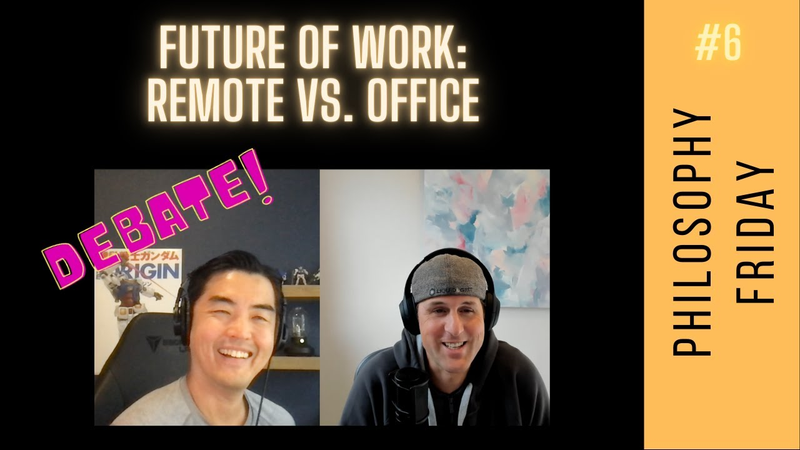
The Future of Work: Remote vs. Office | The Debate! (Philosophy Friday #6)
Key insights
6 takeaways- 01Management philosophy must shift from monitoring physical presence to evaluating specific, measurable deliverables to ensure accountability.
- 02Challenges such as excessive meetings, employee moonlighting, and socialization gaps are categorized as management deficiencies rather than inherent flaws of remote work.
- 03Remote work models necessitate rigorous onboarding, transparent tracking systems, and clearly defined performance expectations to replace the 'office proxy' of appearing busy.
- 04Effective leadership must balance the unpredictable nature of creative development with the structured requirements of live-service maintenance through robust operational frameworks.
- 05Scaling a game studio requires transitioning from a reliance on individual talent to implementing repeatable, systemized processes that ensure operational predictability.
- 06While physical proximity may benefit the 'zero-to-one' phase of creative ideation, remote work expands the global talent pool and encourages more thoughtful, documented contributions.
Ask AI about this video
Transcript
all right everybody we've got philosophy friday welcome everybody so i think today we have the setup for a truly controversial topic or perhaps we do i know we've wanted a little bit more controversy in the past brett but at least on this topic on the one side we've got you who basically believes in remote work very strongly and on the other side you have myself and not that i don't believe in remote work but for something that i'm calling like complex products within a zero to one sort of product situation for me i believe that in-person work is just more efficient and effective for for me because i i don't know how to do it in a remote work environment as efficiently or effectively so anyway just so everybody knows the topic
for today is going to be the future of work and really comparing kind of remote work versus in-person work and hopefully we can get dive into a bit of detail on this and talk about some of the nuance behind the situation that we're in but maybe what we could do brett is kind of like start from the high level and work our way down and so in terms of the high level trend obviously everyone's aware we had covid which kind of put everybody into this suddenly being in a remote work situation and people have had to adjust and i think what's happened is that a number of folks have said oh actually a lot of the fears or misconceptions or perceptions about remote work kind of went away and there are a number of folks who now think that remote work is the best way to go and then there's other people who still do prefer office work and believe that that approach is more efficient and effective and brett i know
one of the great things about having you speak on this topic is that you were in early adopter remote work even before kovid so i was hoping we could start there in terms of like the higher level trend what your thoughts were in terms of remote work even before covet and what do you believe given the current situation that we are in are have been the biggest impacts what do you think the biggest impacts to an organization are from going from a in person to a remote work type of situation well that's a lot to kick things off okay but i already forgot what the first one was but i just i mean so i mean the first thing is is that i think obviously everyone's been thrown into remote work that wasn't already doing remote work and i think in some ways that's great i think for the employees a lot of for a lot of employees that's great because they start to realize how valuable it can be to work remotely
they can get tax benefits by moving they can see their kids a lot more they don't need to commute they can work a lot of different times they just there's just a lot of benefits from it as an employee so that's one the other is the misconception that getting thrown into remote work is what remote work is right and when i was thinking about what to answer this it would be the equivalent of if tomorrow uh something hit a new a new virus god forbid that forced us to be in the office okay my company would be totally screwed right we live in we have we've got people in 17 different states so to have us to start working in office tomorrow would not work it would take a very long time for us to transition and i just want people to be careful about defining remote work as what they may have experienced over the last two years because it really does create a system it really is neat you need a system you need prep you need to build out the culture and the support necessary to make remote
work work and when that happens it's great um so i think that's probably two of the to biggest things and i just that have gone on in like sort of the last two years with coven if you want me to talk a little bit i'll stop there but you did ask about why i went remote first but we can get into that later okay okay so maybe i could just kind of from my perspective like in in just thinking more on a macro level some of the things that i have observed and just by you know kind of speaking to other folks talking to them anecdotally about you know what the impact has been for them in terms of shifting from in person to uh remote work some of the things that that i believe have happened is one one of the biggest impact in my opinion is this ability or inability to track hours right and so one of the things that
happens when you're in office is everybody's in the office and especially in like open office environments there's this level of observability right and so it's not like especially in open office you're not going to be like playing your music watching a movie you know have your facebook and all that stuff open all the time or maybe you are if you're you know if your screen is turned away but like but there's so so one i think that from a manager's perspective there is kind of the shift from managing against hours to managing against outcomes right and so i believe a general shift in that direction which then implies that if you're a bad manager meaning you kind of depended on just seeing oh okay these guys are in the office i think they're they're you know we've got to open office environment they're probably doing their work like that's not management anymore from a reward from a remote work situation because you don't know
and so i think what that has done is that has either exposed to bad managers or has exploited bad managers meaning if you're if you're working for someone who doesn't know what you're doing like clearly you could be doing whatever and i think the other thing that his kind of become apparent with remote work is that when you're in an office you have essentially a controlled environment everyone has a uniform consistent working environment but when you shift to work from home or remote work you've got all sorts of different situations right so you've got you know i'm i've got my own home office i can kind of work close the door but not everybody has that kind of situation and so when i'm on calls with various people you know i can see like people in the background sometimes people in their underwear in the background or like a dog or a cat or you know and like
some people are in the kitchen some people in the in the bedroom and so you've got a lot of heterogeneous working environments rather than like the in office very controlled environment right and so then you have to be able to have to accommodate those different environments that we that you have and i would say like the final thing is that the office imposes a level of structure and discipline right so you like you have to be sitting at your desk at least for the hours there if you're an open office environment there's this level of observability as i mentioned so that that there's this level of discipline imposed upon employees whereas if you're home and nobody's watching you now we're relying on individual employees having self-discipline and if they don't have that self-discipline it's like oh i've got all this freedom nobody's watching me i can do whatever i want
then i do think that and you know this it all depends on the people but you can't count on the environment to impose the structure and self-discipline you're now counting on the individual employees to have their own self-discipline and structure for their work i don't know brett would you agree with that i mean i'm just going to just throw this out there and kick it off this way yeah i should have done it earlier but remote work for me is like one of those technologies that you see some people adopting that you're so confident the rest of the world will eventually adopt or eventually like just everyone like to me remote work is so obviously going to be the future and i and i kind of feel like i'm a little bit of the crazy man outside like screaming that the uh something's you know something's gonna change but
it's so obvious to me a benefit of companies yeah once companies adjust to it like i understand why companies today don't do it because they aren't structurally set up to do it nor are managers and nor are the people that work there right like you mention all these things that pose issues to current companies that aren't set up for it but once you build the systems for it it becomes so obvious that remote work is the best option for businesses that i'm saying right now it will be the future of work and companies that do not adopt it will perish boom just saying that it's not going to happen overnight yeah it's not going to happen overnight but i would say the next five to seven years that remote work will become the majority of work for and i'm we're just talking about tech companies right we're not talking about hospitals and people who have to actually use anybody even hospital you know even a lot of the hospital stuff will get reduced dramatically right but
i i will guess like in the next five to seven years it would just become the majority of work will be remote we'll be done remote yeah yeah all the problems that you listed i could we could just go through and i can tell you how they can be solved pretty easily yeah let's let's dive into that then and as far as like the first impact that i mentioned in terms of shifting from hours to outcomes would you agree with that and then in terms of the systems that you're describing what do you specifically do to kind of track or to kind of manage uh manage that okay well the i mean the first thing is is probably the the hours and the output uh i mean we are probably the biggest thing is we just hire people who are getting work done right and it's like well that's easy for you to say but we basically spend the first probably four to six months we i mean you probably heard of our onboarding we hire people who are going to start doing work immediately they
don't have a lot of other things they're doing so we see their work immediately and once we see that they're not very proficient at getting work done on their own tracking their time and basically producing a lot in the first four to six months we get rid of them right and so what you're going to have happen and it's easy for us to say that because our talent pools 14 million contractors in the united states and beyond right we're now hiring in four different countries so my my pool of people is 14 to let's say 20 million people your talent pool is the people that are willing to drive to your office right so for you to go well we're going to get rid of this person because they're not competent is an unwise decision because you're it's very hard for you to find a replacement it's extremely easy for me to find replacement because the talent pool is so much bigger and so that unlocks this ability to basically let go of people who aren't disciplined okay because what you're saying is they're not disciplined people they do not want to work unless they're being
babysat and for me we just don't have a tolerance for it because we can't afford to now specifically speaking in terms of time and output we do track all of our time in google spreadsheets and i actually really love that because i think time in tech work is like wasted inventory in a factory it's work in progress that's just laying around that no one really tracks and by putting in a spreadsheet you actually can see as a manager okay we we invested uh ten thousand dollars in that thirty thousand dollar project or we're spending 20 hours because you know you can associate hours with cost very easily as a manager and so you get a very clear idea of your costs right like you could go look into and say wow geez we're spending uh 20 of our costs on spec spec designs or 30 of our costs on art and so it gives you more details into your cost structure which is great and then in terms of output we really solve that with that first four to six weeks and once you hit that six week period we just
generally have a level of trust that you're producing and if we do start seeing hiccups we can go look into our technology to see how is your output right like how is it stacking up to other people and in general people can kind of like people know they can feel it because there's not a lot of like bs there's not a lot of water cooler all hands all this other stuff you can really sense it very easily if someone's a producer and not a producer right so if i'm understanding you correctly it sounds like what you're saying is that you do observe at least initially what the output of new employees are you probably give them specific targets in terms of deliverables do x y z and then you kind of watch their work see how many hours their i guess are self reporting hours so they might say i spent 12 hours to create x 20 hours to create y 30 hours to create z for example and then you because you know the work you you have a sense of whether that was
a reasonable amount of time and what the level of performance was for for those tasks and then as as they as they kind of prove themselves you can then like ease up on the kind of observability aspect of it is that is that right yeah pretty much and we we rarely check the timetables or anything like that unless you sort of start sensing as a manager or as a boss that there's something wrong and then you have i think you have a great diagram later about this then you have the tools necessary to go look and see and i think those tools are going to get more sophisticated for example we use upwork and upwork has some a lot of tools like they do screenshots and things like that where you can see what people are working at their computer i don't think that's necessary in higher level tech companies but if that's a big concern of yours those tools are there and they'll be there there'll be more and more of them as remote work becomes a bigger component of the workforce like these tech tools will start arising like
upwork does where you can just like see their screenshots like okay you work these exact hours and here's a screenshot and here's what they produce and it'll become much easier for a manager to kind of dig into that but i think in the beginning you can kind of build that trust in the first four to six months and just kind of establish this person as a producer because i think one big difference between our company and i think maybe some other companies is we believe that humans do want to work and they want to work in great environments where they're challenged and they're they're valued and they're pushed to a certain extent that's my theory and so we're trying to create that environment i think other companies you know maybe not think that way i think in tech we're just fortunate to have like sort of good work to do but we try to create that environment and then we kind of believe like humans will work because they want to work in a way right so i actually don't disagree to i mean i think we're actually agreed to a large extent in terms of that aspect like so for me i also believe that in a remote work
environment that you know you like one of the points i i was making is that it it does shift from hours to outcomes in that i i do think that if you're going to be a manager in a remote work environment that actually has a few different impacts the first is that i think managers are going to have to get better at setting what those targets are what should the expectation for employee output look like and then two those managers would need to in order to really observe and see if if employees are doing the you know are being productive and to evaluate the performance they're going to have to have a better understanding of work deliverables in terms of the inputs and outputs of those deliverables which i don't think that a lot of large companies if i'm being honest there's a lot of managers who have never done the work of their direct reports they don't understand what it takes they don't really know but again that kind of has mitigated an
office environment when they're like okay you know bill and sally have been at their desks for a long time working they're working hard so something like that in i think oh go ahead but that can be replaced i mean you just hire someone remotely and then you know see how much they're getting done yeah and i bet you they're getting done and the other thing is i don't necessarily think you need to know i think there's i mean there's a difference between good managers and bad managers and good managers should know to a certain extent what their direct reports are doing i mean they may not have to write a code or or do it but i mean they should be knowledgeable about some of the things that their reports are are doing and in that sense i don't necessarily think you need to know exactly how long it is i think you you can well no i do you don't have to tell them but you need to have a sense of it right and so you yourself should have a sense of man this took you know this generally is
going to take 10 to 20 hours because if i did it it would take 10. right and when it takes 50 that's when as a manager you go in you start asking questions like hey why did this take 50 hours you know and you can open up the spreadsheet and then you ask them like there's nothing else to do here except when you can go see i mean the thing that's beautiful about this too is when you are at an office you're so many other things that someone could do in 50 hours when they're remote if they're working 50 hours like you should be able to really stack up like in the 50 hours i was working on this project and it's like okay well why did i take it the hours well i struggle with this is why didn't you ask a question and if those things are piling up then you know that person is not really good fit or there could be something that you need to course correct or it could be an honest problem like i really couldn't figure out this one thing and i think you can also you can outline those ahead of time right like hey i expect this to take 10 to 20 hours once you get 20 hours like ping me you know which is nice way to also control costs as a manager as well
right yeah but i so but it also sounds like we both agree in terms of the importance or criticality of observation and in my belief you know very similar to physics i believe in something that's called the observer effect because you know in physics it's believed that an observer actually affects the outcome and i believe that with employees as well and kind of like the physics example i don't know if you're familiar with the schrodinger's cat experiment but you know schrodinger like according to this this physics concept believe that if you put a cat in a box with a radioactive material and then that cat has a 50 50 chance of survival that observation actually impacts whether that cat lives or or dies and like when you observe a really interesting metaphor for work and so like the cat actually exists
according to you know quantum physics the cat exists in a state of being both deadly or alive until the observation happens and then it goes into a specific state so i mean the high level thing for me is that like physics and you know according to the observer effect in physics is to believe that the observer impacts the outcome right and so i believe also for employees that there has to be some kind of observation system of some kind now it's it doesn't have to be a complex system but like there has to be some level of observation in order for the outcome to be higher right and i think even for myself like if if nobody was watching me if nobody you know i i think the fact that i know that i'm being observed and i force myself to be observed in terms of the transparency that i provide employees at my company i think it forces me to be more
disciplined and it provides that structure that i wouldn't have let's say if i were in a in an office environment for example yeah i completely agree but i don't think you need an office environment to do it i think actually yeah this environment is is costly and provides proxy variables so what you're trying to observe is the value created by the employee and the cost of that employee right yeah at the end of the day that's what you're trying to observe right the roi of that employee and as it pertains to the greater like company the roi the the value is the work product so i don't care if you're in a simple or complex system there should be some work product that they're creating it could be code it could be art it could be a spec it could be a math analysis it could be a strategy it it could be a report it doesn't like
it it we're again we're talking about tech okay so it can be that's the value that they created now that you have tracked time you can see the specific cost that it took to create that thing okay so now as a manager you can judge that person on the most important thing which is they created this thing and it cost us 10 hours of time times the hourly rate of this person boom right you have it and what is so bad about the office in in person office proxy variables is oh i'm i'm staring at someone so therefore they're working one a manager walking around the office staring at people and calling meetings is really expensive right so you're stripping that out you're getting rid of that expansive expensive expensive manager that i know you can't stand and i can't stand either that just like schedules meetings hey jk how are things going what have you been working on this week like yeah off dude i'm working like i would be working right now right and two it doesn't base the value
created by looking at someone staring at a screen because someone's staring at a screen i can tell you spending a lot of time on facebook or wherever else they're spending it on like something you know probably probably not facebook anymore let's just be honest yeah it's something else you know that's not valuable they're just sitting there right and when you take out the si you actually make it harder for the employee too because when you take out the fact that they can just come to the office and put their face behind the screen and everyone thinks that they're working they actually have to produce too so it's actually a win-win yeah and just to be clear i'm not saying that the for for me the benefit of the office isn't because i think people should manage by hours instead of outcomes i do think that just generally speaking office no office managers should be managing via outcomes i'm just saying that remote work kind of shifts them towards outcomes rather than hours
but maybe one of the things we could it's all it's easily solved soon that's what i'm saying is like the problems you're listening listing to me it's like i get why companies don't do it today because they don't have it but it's so maybe we could get to the part where i think that we probably disagree the most which is you know because you believe that all work eventually well not all work but generally speaking all work besides you know the type of work that you have to physically be there should be remote and the distinction i would make would be sorry it will be okay okay so the distinction i would make is that for a type of work that i'm just calling like complex work meaning where you've got you know long time duration projects plus you've got work outputs which may be more variable in nature or actually not variable non-linear non-linear in nature and in which there are a lot of
interactions required by a lot of people i think those are the situations in which again i'm not saying it can't be done remote i'm just saying i don't know how to do it remote and you know as an example when i was at fun plus working on king of avalon we initially started with a work situation where we had four different offices you know i mean two main ones and two small ones and eventually it there was just so much friction and miscommunication that i eventually brought everything into beijing and then we became so much more productive efficient effective and just because for me the type of product in which you've got a lot of different disciplines and it's not relatively straightforward and there's a lot of changes in iteration happening
that again for me i haven't been able to figure out how to do that in a remote work way in which there wouldn't be a big gap in terms of output productivity speed unless we were in person but i don't know what you think about i think that when you're creating something as you say zero to one right i think that that's probably the best case for being in a work in together in a working environment that said if you're planning on just creating a company and ditching it then i think that's totally fine i think if you want to create a company that is going to survive just creating that zero to one product and on continue to go on after that which a lot of startups don't a lot of startups are just trying to go for the five year plan which is fine then it's not necessary to really build a super proficient system because the value you're going to create with that product is going to outweigh
the crappy operation system that you built which we see over and over again right i mean how many startups do we see run blow it out of the gate the first five years and then peter off pretty quickly in the next two to five years after they get sold right so i think that's the best best thing is the best argument for being all together because you don't really care about the longevity of the company right well i get on that yeah i guess what i would say is like if we were to shift to like let's say we achieved product market fit product scale figured out that part of it then if you were to ask me in live ops do we need to be all in person i'd probably say maybe not so i'm not i thought we're going to disagree with this but well i'm just saying that's the strongest case i still wouldn't do it okay you know and that's because you're trying to create the greatest product in the world right like you're trying to create the greatest shooter game in the world right wait is that what you're trying to do ideally yeah yeah okay so very different
do you think that what do you think is what do you think is better okay being able to hire anybody in the world any single person or being in an office together being in an office together i mean why i mean what what would be so great about being in office and i mean what is what is because it's not an individual sport it's not like the quarterback can win we need the whole team and we need a lot of different disciplines as part of it you still have this whole team what is what is it that you all still have all the disciplines what is it that being right next to somebody adds that much value well sitting right next to each other sitting right next to them yeah because the interactions are so fast and because uh there are a lot of different
disciplines that may all need to dynamically interact very quickly and that you know maybe there is a world in the future in the metaverse of some kind where you know art and engineering and the producer can dynamically just kind of meet instantaneously and you know kind of like work almost in a real-time environment in which case sure yeah yeah we don't need everyone in the same office in that case but i would say for me personally the the kinds of communication required and the amount of stuff where it's helpful not just to like talk but you know have like a like a you know like a blackboard and be able to write stuff in you know right there in person very quickly like there are so many of those types of meanings and conversations and interactions that again i'm not saying it can't be done
but i've never seen a team do it in terms of the zero to one new game development context maybe they're out there but i i haven't seen it and i haven't been able to figure out how to do it yeah i just i i well i think i i don't think that what you're talking about is that valuable i actually think it's detrimental to to creating a zero one product uh i i because i think in general those interruptions are extremely costly to creating really great work and i also think that what you're talking about is something that may create value in you know in i i assume like you know if you're in person you probably have better interactions if you're gonna try to brainstorm or something but those brainstorming sessions like i don't know if i personally find them to be better
remote like uh not personally i mean i i've done both um and i think in person meetings are are actually one of the most biased areas of work beyond interviewing i'd actually say the second most biased place and so you get these meetings where you have people screaming or aggressive or good at verbal negotiation or taller or bigger or whatever and those people win out in person whereas if you if you go remote and you sort of separate that and i mean we don't have meetings as well so we can go i mean obviously we don't talk about that but um you you remove a lot of those bias and then you actually come to better decisions because you're allowing that person who's super quiet or super thoughtful or takes two days to come up with a decision and actually think about what they're talking about and those conversations are actually better because when i'm commenting on something i actually think
for five 10 20 minutes to think about how i'm gonna how i'm gonna respond it's it's similar to a podcast right like we don't just jump in a room and do a podcast our podcasts are better if i think about what i'm gonna say i comment on it you think about how you're gonna respond to that you comment on that so the quality of the conversation the quality of the brainstorm or whatever is much better than if i just spew out my thoughts like that you know and you spew out your thoughts it's just one second of prep for those thoughts and then what's generally guiding the decisions is it's kind of like these like i said he's biased so yeah i think for me it really does come down like the way that i think about especially creating new game product is that i view it as a series of pretty major challenges in the speed at which we can execute against those problems and finding solutions
again you know for for me and my experience and the teams i've worked with it's just been better in person and um maybe the one thing i will say is that i do think if i had to stop an experience you've had the one remote experience you've had is what this four different offices well i'll i'll put it to you this way like if i had to stack rank what what my what my personal experience is it it would be i would probably stack rank it as in person first fully remote and then at the very bottom would be like a two office situation which is kind of what we had at um and have you ever done a pulley remote well we're doing it now you're fully remote now yeah i mean we can't that's what i've been doing yeah okay yeah yeah but again it's like getting thrown into fully remote without without really prepping for it but yeah
i mean i you know i i do think that there are benefits to being in an office right i think that you do get that sort of emotional connection you get some of that um chemistry but when i look at all the positives to have a remote work versus all the negatives to having someone come in the office it's very clear at least to me that remote work is better and a large extent of that is the cost savings which as a startup you're not that cos cost conscious uh because you've raised money and you're kind of just trying to get this product market fit although i could be wrong about that but it generally doesn't seem that way uh for startups um and so you know i i guess i do kind of agree with you that i i'm gonna say again i think that the the case where i think it makes the most sense is when you're like going
from zero to one and you're you're you're you've raised four million dollars you don't really care about cost again and you're just trying to you know you've got the five-year plan right which which you just don't put a lot of value on having a great operational system because you're not that concerned with cost and you're willing to spend to get people you're willing to be kind of frivolous with spend right like you don't really care well i mean there's plenty of stories of startups getting all the stupid office like the crazy stuff in the office and that does work for a little while so yeah i agree but beyond that well i will say it sounds like this i still wouldn't do it i wouldn't do that because i would you would have a longer you would have less burn rate you'd have less reliance on your investors um you would you would be able to retain more value from your company and you'd be able to hire anybody in the world to do this stuff and i've generally put value on deep thought work over like right the chemistry that you create yeah and i personally don't think that interrupting
your dabs go yo dude i have this really great idea for for the shooter what do you think and they're just like coding the idea you told them a day ago and they're like looking at you like right but i i think this is the topic we probably disagree the most on right this and maybe maybe elon musk or something so it's good it's good we have differing opinions on this i think that's great it's just like i it's so bizarre i mean i shouldn't probably but it's like i'm it's so almost obvious to me that animal work is the future for any company beyond what you're talking about and even your company i would yeah i mean because dude what if covet never ends okay so you're telling me like do you really want to not be prepared i didn't i mean i didn't say that i didn't say that we can't do remote work because that's
what we're doing now we're making progress now i'm just saying that the if if i'm thinking about how to be as effective as efficient as productive as possible for me and how i know how to do things then i need everyone to be in the office together or the majority of the people to be in the office together and one thing we did also do at filmplus is we did have for certain roles we did hire people that weren't um in off like fully in office but they would live somewhere else and come in for like two weeks every couple months yeah and so open spoke model yes something like that which i think is fine so we we have a plan for that which we're calling the superstar model where for certain specific key roles not for every role but for like two for two specific people
we would try and hire anyone in the world but we would ask them to come in for a couple weeks every couple months i would almost do it the opposite i mean if i were to do it i would if i was going to go hub and spoke i would go the opposite i would actually outsource a lot of the room like sort of remedial tasks like i would have my core be in an office and then i would have like hey i want this uh background built or i want this character built and i would have all that outsourced remotely because you can get so much benefit from that and it's very task oriented and that's much easier to outsource so i would probably flip down its head i mean of course i would let some you know i would i would let some talent in as well because then you get the benefit of being able to hire anyone in the world but i would err on the side of having those people in because theoretically they're the ones who have like the creativity and creativity is very valuable and it is sort of the secret sauce that going zero to one in some ways the execution being the other part which i think you're compromising on by not
having a more efficient or more streamlined system but um i want to hear from the audience so for anyone watching right now zero to one new game development in office or remote so make sure you comment or or send us a note on that it's like getting to the point where i just want to start a company to just like improve you should gaming companies you're gaming like i just want to like create like i don't do it i don't think games is a great business for me um but it's like i just want to do it to just be like listen you can do this i mean yeah i've done both i've made games yeah you know and then yeah okay go ahead no i mean no we were going to talk about linear and non-linear and i i i do think that do you want to talk about that oh we could yeah so i mean one of the ways in which i define complex work is essentially like
for certain kinds of work i think the difficulty lies in okay so let's say we're moving bricks right so we've got we've got workers who are moving 50 bricks from point a understand linear and conflict no no i'm for our audience but i know you do i'm explaining for our audience i think our audience does too okay is this how you manage do you explain do you explain your support it's like how much time do you waste explaining like like linear versus complex to people okay i just want to know because if i was at work and you're like hey um i'm gonna give you this metaphor for what simple and complex means and then spend 10 minutes telling me about brick layers okay okay so what do you think i'd be applying to liquid and grit that's what i would say okay so what are your thoughts on simple versus complex work i think all all all these yeah i first of all i don't think that anything we're doing is that complex and second of all i think everything that's complex can be broken down into simple linear things it takes longer time period but you can create a car through a factory on a linear path
okay but that's creating a car is this is simple work creating a car i mean it's a pretty complex thing so so i you so you didn't understand what i meant by non-linearity well i mean i understand what you're saying it's a complicated it's like let me give you a better example compose a hit song composing a hit song you may have no you may have no output no output now no output and then you have output when you when you're moving bricks from a to b it's linear nonlinear means you could have progress no progress loss of progress and then you have full progress that's what i i understand what you mean but if you can still break down composing a song into components right i mean postal service was an amazing album created yeah but there are going to be components of that which are unpredictable in terms of the output well you i mean that doesn't make them complex just because they output well that's what i'm saying is that's how i
define complex but that's not complex i mean that's i guess like complex is that it has like a lot of different variables that's why i was explaining my definition of complex but it's it's a wrong definition of something you're you're saying that you have variable output no non yeah it's non-linear output where you might have very little progress then sudden progress or you might have progress you might have even a reduction in progress in some cases and then suddenly you've got the progress right and so that would be something like you know let's say you're trying to design a new control scheme or a new like gameplay mechanic and some of them might work or sometimes they spend a lot of time and suddenly they actually achieve that result or not so they're sent back to earlier steps in the process
you usually not but sometimes yes like like if you if you couldn't make a control scheme work then yeah then you're you're back to square one i mean tell me a specific example like you're making a game right now is this is a game a complex thing in certain cases yes so for example like the design of a system in the game or let's say we have a we actually do have a specific gameplay mechanic that we're unsure of so we're gonna need to prototype and as we prototype this this specific gameplay mechanic you're like we're not sure is it gonna work i don't know maybe it'll work maybe it won't how much time like i can't say okay guys you you will it will take you eight days to design a hit gameplay mechanic in our game i i mean who knows and they might make like very little progress and then some progress or they might make a ton of progress but that last 20 percent takes them a really long time it's it that that's how i was defining
that right because that kind of work is very difficult okay let's break it down i mean one you're saying is that you're producing things that may have defects or may not so it may be that has risks earlier yeah i wouldn't characterize its defects but risk yeah i'm just translating into sort of operation terminology but it gets sent back to an earlier stage okay so if you're designing something and then you create it and then you test it and it's not working and you need to rebuild it you just go back to step two in the in the very linear path right so you're you're saying your your system has a low perc it has a high defect percentage right but it's still going to follow a linear path and then you're and then you're saying that because here's the thing because it's going to go it's going to go on a linear path it's going to go step one step two step three back to step two
to three to four back to step two three to four or five right so so brett like you're thinking of this in a very reductionist way dude stop i mean stop at the frameworks just tell me a scenario that we can break down okay so so let's let's okay let me see one one like everything is like it's not so the the thing that the thing that you're missing about this brett is that tell me exactly what he's talking about so i'm trying to understand when you're trying to create a hit game okay you have to also take a holistic approach because you can't you can't engineer a hit game from step a to z so let's say this game mechanic works then you might have enough to make a hit game if it doesn't you might have to put your effort into something else into a system into a different compulsion loop into like that's why it's it's complex because it's not only
this part there are interdependencies and there are non-linear the the output in terms of some of the the components that you're trying to design will have one non-linear inputs as well as outputs right linear input non-linear outputs i mean okay you have a game you have an idea for a game but beyond once you establish the the idea of the game you have to break the game into pieces that you have to build right like you would have to build the engine the characters all these different things right once after you design the concept all i wanted to do is build and launch a game of course i could do that linearly absolutely could do it linearly now the moment that we're talking about building a very successful top grossing game where you've got competition you've got to understand whether like this this this is the art part the art part is
understanding do we have enough and do we have something that's compelling to users so that they would actually want to spend money and it's it could be successful that's the problem you can't just say let's break this down into steps one through ten and then we're just gonna do all the steps and we're gonna have a hit game if it were that easy everyone would have a hit game and they don't well breaking things down into steps is extremely difficult that's why people don't do it it's actually super hard so i understand why people don't do it and people hate doing it and that's why people just go around being managers in offices because actually breaking down steps into really small components is actually extremely difficult and that's kind of why i generally feel like people don't do it i mean it's humans just generally want to get going they just want to do it they just want to like start acting on it and all the things that we do to break things down is extremely difficult it takes it takes months for us to break every single step
down into components so that we understand how things are built and how it's linear yeah and so i guess that's the system that it gets the harder it is to do it but yeah there are parts of the process that are non-linear i understand what you're saying it's like if i thought about the process and i'm thinking about the process now there are components of it that leverage human creativity and human emotions and and that second side of the brain that we've talked about those will be built into the system it's not like you can just say but they're not you know even great writers or great artists they work every single day and yeah it might take a while for them to create something but it still sort of follows a similar process which is like you get in a music studio and you start making music right like you don't so there would be parts of the process that would probably be like this bubble where it would say like this is the non-linear sort of creative part of it
but then once that created part was was done it would go right back into a linear process which would be right to spec like tell the art team so i i guess i would have a i understand somewhat what you're saying but those could be like those could just be parts of the process yeah so and and by the way so i guess like where we would probably differ is that and we do believe in reductionism we do believe in breaking down a higher complexity into component parts but we also believe in holism meaning like we have to also look at the entire system as a whole and try to understand whether like let's say we did if we didn't work out the gameplay mechanic whether there's something else we can add or other things we can do from a holistic perspective to make this thing a hit game or not in for and and because like
because we have a lot of those types of conversations and things like that and because it is that complex that's one of the reasons why you know we like to have people in the same office you know it's and again i i'm not i'm not claiming that it has to be done in the office and we're not doing in the office right now but i also just think we're not as as effective as we could be if everyone was together does everybody is everyone involved in that holistic process because it's or is it mostly paul and maybe one or two other people we try and get people as involved as possible but nobody owns the the holistic vision right now is owned by paul and um uh yeah so why does paul need to be in the same office as other people if it's kind of just owned by him well i mean that's where it's like yeah that it's not so
art is is this art to me is really this holistic process that you're talking about to me is more so done on an individual level you know if i think about a great artwork or an artist or a musician or whatever they're going to create that pretty much on their own like with some maybe a few people similar to like music right like they're going to have like two or three people around them but it's going to be like this small group of people in the studio and in general they're going to go off and write their lyrics or think of their ideas and things like that yeah maybe i shouldn't so much conflate the notion of working in the office with the concept of product complexity or my definition of product complexity but um i mean i think the music one is actually a good metaphor for it i mean to create a great c like cd pretty great song um or album right it's like there there's gonna be four people in the
studio creating this thing and then it's gonna get chopped up by the editor it's going to get like the producer is going to look at it then the person who's going to create the album is going to look at like there's all these components that go beyond that but the like the course the core album is created by the small group of people that are going to create this holistic view of it or this this artistic creation process and what and then you know maybe even there's one person who sort of does all that but beyond that then then the whole process follows a pretty linear path right and that's how i think about the creation process is yes maybe there is i generally feel like it's more of an individualistic thing where someone's going to be the really the writer or the creator of it and maybe they have some type of coach so it's like rick rubin which i love that video you sent and mac miller right and there's two people working on it or it's you know whoever it is it's a team it's run dmc and and rick rubin but then you know they're gonna create this this album and then after they've created
this vision of the album it's going to follow this linear path and yeah what you're saying is maybe it gets through the linear path and then some exec decides that they don't really like it and get sent back to the studio and then that five person groups got to do the non-linear path again but really that non-linear path component of it is just one little part of this more linear path and i do agree well but i'm also saying like even the outcome is non-linear right or in the sense that like it's not like we can say okay um you three guys make a hit song and then and out comes you know a number five top song right it might be it might be number one it might be number ten it might be number two hundred like you can't predictably say go make the top number three song uh you know what i'm saying so that that outcome is is going to be variable
well of course i mean we can't control the outcome but we can better control the outcome if we have a good process i think and i think particularly if you're making multiple ones right and again that goes back to whether or not you're actually planning on making more games i mean if you're planning on making more games and i i agree like if i was in your shoes how much would i invest in the process i probably wouldn't invest a lot nor did i invest we actually do invest a lot in our processes okay wow um okay well i i probably would then invest less on making it um reducing the cost of it i guess because you're only making one of these games probably every couple years but over time i would probably try to operationalize that because that's i mean really the longevity if you if you if you go out 100 years right let's say you go out 100 years and we're looking at your company on 100 your time horizon let's say your investors are
interested in getting their payout in 100 years from now right so that means you're gonna have to create 20 of these games okay and what you're telling me is that the creation of these games is really dependent on these people like sitting in a room and like having this you know this moment of of um genius right that as much as you're the manager of this 100 year plan you're going to want to figure out how you can really operationalize that and that's why companies like starbucks or mcdonald's and [Music] amazon and some of these others do so wells because they can control the quality of the output because they've created a system that's repeatable and so i think that's what is so important if you want to have a company that's going to last a hundred years is like you want to as much as you can be able to control the quality of it and reduce the cost of it and creating a linear process as much as you can maybe
it's only 70 or 80 or 20 or whatever but the more you do the more the company at a higher level has control over the cost and the control over the quality and those two things are extremely valuable to to creating a sustainable long-term high-value company yeah and maybe it's a another topic but i i do think that that's another challenge right i mean i mean maybe aside from nintendo i don't think there's any games company that has kind of stood the test of time and has created a organization that can reliably and predictably create hit products probably nintendo maybe like even blizzard's starting to lose its way now right where they've stopped cranking out hits but maybe a topic for another another i think that's really no i think that's super important to our listeners because you're relying on talent and when you rely on talent
talent kind of owns your company right because once talent walks out the door you don't have a company you don't have you have the product that the talent created and you can you can basically farm that as long as you can farm it like you're talking about maybe potentially some companies have done but if you are relying on talent to create the thing that's going to create you a lot of money and you can't replace that talent then you're screwed right and so that's what successful companies figure out is how to reduce the reliance on talent that's why starbucks when you go to starbucks you get the same exact coffee in a starbucks here as you do down where you are because they've eliminated the need for a talented barista to make you a perfect coffee they've made a system so that the coffee is exactly the same here as it is down there and that's allowed them scale create predictability lower costs and so that's why it's so important to be able to do this and i think you actually think um yeah i'm not going to name names because i know
you know like you're like well but there are some mobile gaming companies that done a good job of creating uh that have produced results after they've ipo'd or after they've gotten pretty big um on the live side for sure i 100 agree on the liveops side yeah well i mean even yeah on the game side yeah it's hard to tell because the industry is kind of young so it's hard to tell but you're right it's it's a very hard problem to solve and it's extremely hard when you only produce like maybe two of them a year or one of them a year or whatever and generally when you get bigger you try to rely on different skill sets so you start relying on m a or you start relying on distribution or some other things because you remove the need to use talent the problem with that is it's hard to do and that's why you see so many companies start out blow up and then
the talent leaves and then the company has to now become a big company that relies on a different strategic tactic to be successful like m a and distribution or whatever it is and they struggle to do it because it's very hard to shift culture and shift sort of the tactical advantages that you have okay all right bret maybe i could ask you about so when i talk to a number of companies there seem to be some recurring themes in terms of some of the big problems that they have come across when it comes to remote work and maybe i could get your feedback in terms of what you think of these problems and probably the ones that i could think of there are three problems in particular and so starting with the first one and especially at larger companies kind of problem one has been that a lot of these the employees of these companies after remote work have complained that they are just deluged and this especially at larger companies by zoom calls from
nine to five just fully stacked up with zoom calls because you know i guess maybe they're used to talking to one another at the office or these checkpoints or whatever and so it's just like stacked up with zoom calls i don't know if you've talked to other folks or companies that have seen a similar problem but i i feel like that's a pretty recurring theme that i've heard from especially folks at some of the larger companies and including those that have recently changed their name but what do you think brett i mean the problem is meetings not whether it's remote or in the office right right so you think that's more of a that's a solvable problem and more of maybe like a like a process and kind of work philosophy problem yeah it's it's it's more of a communication problem than it is okay whether you're not you're the office or not right because when they go in the office they're going to be meeting in person it's probably less exhausting because they're not staring at a screen
the whole time and they get to talk about their cat or whatever in person and walk from room to room but it's still a lot of meetings i think probably to solve that is to i think you probably remove some of the people you probably have too much like layers and layers of people so you're you're you're probably too much overlap and then the other is just clear communication he's like hey we need your team to do this have it written down so you can tackle it and um i these changes are extremely hard to do if you can't have it done from top down and i've sort of learned this the hard way because these changes are things that i guarantee listeners out there are going would i like meetings brett and i always equate it to donuts right i i like eating donuts if you don't tell me that donuts are bad for me i'll eat donuts all day long meetings are kind of the same thing i mean people are just going to do what's easiest and what they like unless they really understand what the cost is and donuts is pretty clear you're going to get fat and potentially die from a heart attack
with work a you know low level worker and a giant company is not going to understand the cost or the impact the negative impact that an excess meeting is going to have on the whole entire company and so you need somebody at the top who really understands the p l and understands how that impacts the bottom line and how that impacts stock price and all this other things to kind of come down and be like we're cutting eighty percent of our meetings right now you know because that person everyone's gonna be like you're an ass but the reality is that person is actually saving the company and making everyone a lot of money if they don't if they do it right and so they're in the end not going to be an ass but for a little while everyone's going to think they're now so you just kind of need somebody who's got the guts to do that okay problem two so some employees have completely slacked off in cases or or in certain situations they have found that some of these employees have been working multiple jobs like two
jobs or in one case three what do you think about that i see no problem in the second i'll just answer that i mean if they can get their work done i don't care if they work 10 jobs why would it matter to me i think that that's a good example of companies caring about things that are not are not necessary why do you care why do you care where do they work why do you care what they look like why do you care what they wear why do you care why are you caring so much about these things all you should be caring about as we just talked about is their cost and their output they work 10 jobs i don't doesn't really matter my suspicion is that in these cases their output probably wasn't being observed or wasn't being tracked and then when they found this out there so yeah i mean which is the more important problem is is the tracking right whether they work one job or ten jobs has irrelevant yeah i i think this is as much a managerial problem as it is an employee problem on the employee side i would say the issue would be
more from like an ip perspective if you're working for multiple companies let's see even in the in the gaming industry if you're working for multiple game companies there's certainly like a ip issue right when people when employees sign an employee contract and so let's say you work for company a and company b company a launches a hit product and company b says hey that employee was working for us i'm going to sue you for 50 million dollars now yeah sure i mean yeah putting your contract you can't work for other people and have them working hard enough that it shouldn't be it shouldn't yeah i mean okay that maybe that's gonna happen what was what was the other one that you people slacking is that was the other thing yeah yeah i think that's more of a managerial and i have one one other one other problem too maybe i could get to that is that in some companies especially with new graduates or some of the younger employees they actually want to social they're the ones who
actually want to go into the office because they don't know anybody they and not in both from a socialization perspective and for wanting to get training and i i don't know you know like we we train remote but maybe not all companies are adept at training remotely i don't know what what's your take on that uh to to borrow a word from your company them i mean i don't think that i i think that and it doesn't need to do with their age or anything like that i'm not saying like i'm just saying like i means like the fact that people think that businesses is supposed to provide them with social is complete and of course if most people if you say you can come to work and get paid and socialize all day long they're gonna say that's great right yeah like i get to go get paid and talk about my cat and dog in the weekend all day long sure
but what they don't realize is your company is eventually going to fail they're going to get laid off and they're going to lose their job as a leader we want to talk about boss jocko as a manager as you need to be the person that makes sure that they do the thing that in the end is going to be the best thing for them and in the end making them get their work done when they're at work and creating more value than they cost substantially more value than they cost is the best thing for them if they want to keep their job if they don't want to keep their job then you don't want to have them hired obviously but i think that stuff is such i i think that the oh but i really love you know talking to people i mean of course you do so why i mean the funny thing is is people will go we have a break you don't like meetings that's the complete opposite of the truth when i get on meetings i'm chatty cathy [Music] people don't want to meet with me so i'm protecting myself from my own
weaknesses humans have substantial weaknesses and as businesses which are not humans we need to build systems to protect our the business from the weaknesses of the humans it's like having parts of you know any part of the business you want to you want to protect yourself from weaknesses and issues from it so yeah i shouldn't say them but i try to be extreme in that case because i feel like people are so accepting of that okay particularly in america i don't know you know but it's just like it's something that should not be acceptable you know it's just okay it's yeah yeah i i think from my perspective we might differ a little bit there in that we are a little bit more empathetic to socialization just because just because we uh i think we talked about this before right where the difference when we talked about work-life balance versus work-life
integration where we actually kind of believe that you know in terms of that that third nuance with respect to work-life integration being about socialization and then um and then what what about training what do you think is the role of of training and do do you think it's a fair argument to make or maybe not a fair argument to make but do you see any inhibitors like why would people not be able to train over zoom because maybe that's not even a fair yeah i don't see any issues to it and i actually think that training is much more important for companies that don't go remote because your pool of talent is much smaller than mine right so therefore you need to work with the smallest amount of people that you can hire in your area so it's necessary for you to build training so you can get somebody to do the thing that you need to do whereas i have a pool of let's say 20 million people
if i'm good at finding people i there's less reliance on training someone because just mathematically there's probably a good amount of people out there who definitely can do the thing that i need them to do for whatever reason they have a random set of you know life circumstances that makes them amazing at the things that i want them to be amazing at and i just need to go find them so that's one of the cost benefits or one of the yeah cost benefits that you receive is going remote okay well let's wrap it up right any final thoughts yeah i think that my after talking to you about this i think you make some great points in that if you are thinking about your company and basing the sort of future success of your company on the ideation the creative process the artistic amazingness that happens when you're working together with a small really talented people right like if you're in
a music studio or if you're creating a great game then i think that then that then remote work is the least valuable in that scenario also if you i only have about a five year time horizon right like i personally want to work on my company for 25 30 years potentially even you know for 30 years so i i have a very long time horizon thought process so of those two variables then i think remote work is the least valuable for it if you however are trying to create more of a system that you think is going to last longer and you want to get value from other areas like operational excellence then i think you should seriously consider the benefits of remote work because if you sum up all the benefits i think they greatly uh outweigh the benefits of being in an office right and i think to some of the points that you made that i hadn't thought
about is like assuming in success we achieve zero to one we create that hip product and now we're live then it's like oh yeah in live do we have structural advantage by being in person or should it actually be a remote situation and in the case in which remote makes more sense which theoretically i would you know a high level probably agree with you that you know one to end once we're live remote probably does make more sense then in that scenario we should think about what impact does that have on our company and how do we continue to invest and harden our remote work policies but yeah or if you're thinking you want to do this you want to create five new games or want to do this for the next you know 20 years i think that would be another reason why you'd want to really sort of start thinking about how you operationalize creating games all right i think that's it i think we went over on time but until next time everybody philosophy
friday catch y'all later bye [Music] [Music] you
Summary
The transition from traditional office environments to remote work models represents a fundamental shift in management philosophy, moving away from monitoring physical presence toward evaluating specific, measurable outcomes. This evolution necessitates a transition from managing hours to managing deliverables, requiring organizations to implement rigorous onboarding, transparent tracking systems, and clear performance expectations. By prioritizing output over time spent at a desk, companies can eliminate the office proxy of appearing busy, thereby fostering higher levels of individual accountability and self-discipline.
A central tension exists regarding the efficacy of remote work in the context of complex, non-linear game development. Proponents of in-person collaboration argue that the zero-to-one phase of creative production benefits from high-bandwidth, real-time interaction and team chemistry. Conversely, advocates for remote models contend that asynchronous communication reduces office-based biases and allows for deeper, uninterrupted focus. While creative ideation may thrive in physical proximity, remote work offers a distinct advantage by expanding the available talent pool globally and facilitating more thoughtful, documented contributions.
Ultimately, the long-term sustainability of game studios depends on balancing creative vision with operational predictability. Scaling a company requires moving beyond reliance on individual talent toward repeatable, systemized processes that ensure cost control and consistency. While challenges such as excessive meetings, employee moonlighting, and socialization gaps persist, these are viewed as management deficiencies rather than inherent flaws of remote work. Effective leadership, regardless of location, must focus on establishing robust operational frameworks that mitigate human weaknesses and support both the unpredictable nature of creative development and the structured requirements of live-service maintenance.