1 free read left. Create a free account for unlimited reading + AI research.
Create free account
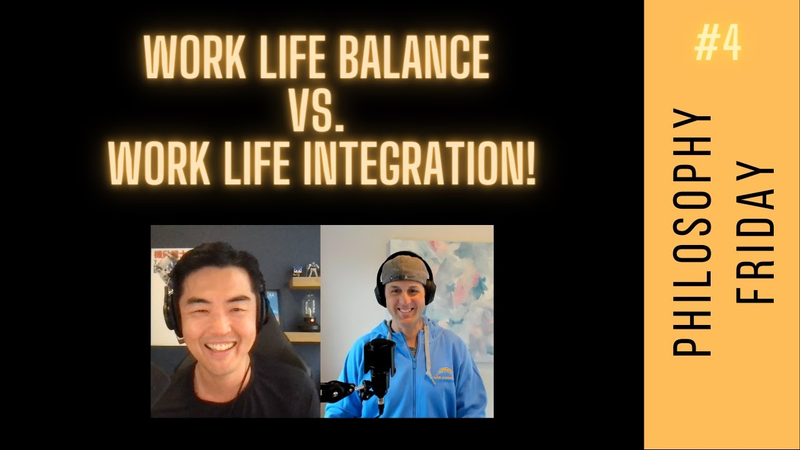
Choosing "Work Life Integration" Over Balance (Philosophy Friday #4)
Key insights
6 takeaways- 01Work-life integration is a superior framework for high-growth objectives because it treats professional goals as a core component of a broader life mission rather than a separate, compartmentalized activity.
- 02The porous nature of modern, remote-work environments makes traditional, strict boundaries between personal and professional spheres obsolete.
- 03Transitioning away from fixed salary models toward performance-based bonuses and equity aligns employee incentives with company success and reduces the resentment caused by valuing hours over output.
- 04Providing non-financial benefits, such as professional development and scheduling flexibility, fosters greater employee autonomy and long-term value creation.
- 05To sustain productivity and prevent burnout, organizations should prioritize deep, cognitively demanding work over performative facetime and rigid, hourly-based labor policies.
- 06High-impact individuals must adopt a zero-budget approach to scheduling, which involves rigorously distinguishing between shallow administrative tasks and high-value problem solving.
Ask AI about this video
Transcript
hello everybody and we are here today with another episode of philosophy friday so let's do this so today we're going to be talking about a potentially very sensitive topic that upsets a lot of people especially if you have a different point of view and that topic is work life balance versus work life integra integration on this today you have our usual host myself joseph kim aka jj cool kim as well as brett novak ceo of liquid and brit and grit uh before we start brett any thoughts in terms of our first three episodes some of the feedback that we've been getting from folks it does seem like a lot of people are interested in some of the pm content but i know we're going to try a bunch of different things but what would have been what have been your thoughts so far yeah i mean we got a lot of heat around
the product stuff so it's interesting it seems like there's a desire out there to learn more about product management which is pretty cool yeah and the data stuff i got some great comments about objective real thoughts on that so i mean that's what we're trying to bring right like more objective opinion we don't have as many strings attached to us so we're allowed to speak a little bit more freely yeah it does seem people appreciate the form i actually thought we were going to piss some people off in terms of whether it was a language or just how real we're we are on certain things but at least maybe the haters just aren't reaching out but the people who like it really do seem to like it in quiet in dm's they really like it we really appreciate the quiet haters yeah okay so jumping right in i think the first thing i it would be good to talk about is exactly what is work-life balance what is work-life integration and i think it's as philosophers i think it's good to
explore some of the nuance because i actually don't think it's as obvious as people think and so what is that difference and i think for me the nuance when people talk about work-life balance is really about three things the first is what most people associate work-life balance with with which is the amount of time that you spend right so you know spending only as much time as you need to at work maybe that sort of maximum of 40 hours at work that the time element is the first thing that people think about when they think about work-life balance but in addition to that i think the second thing that people also associate with work-life balance is the separation of your working life and your personal life meaning like in in this regard you know you really want to keep these things separate and kind of associated with that but maybe one step even further is not only separating your work life and personal life but even like the socialization or the amount of socialization between the
people in an organization it's like you know are the people that i work with do you treat them as your friends or do you treat them as well those are the people i work with my friends are kind of separate and so those are in my opinion that the three specific things that it that when people talk about work-life balance again i think people think about the first thing but then they'll also have some association of number two and number three as well and then i also want to explain work life integration and this concept for me was very it was a very powerful philosophy that i first heard about gosh it must have been like 10 15 years ago i had forgot how long ago it was but phil leibon who was at the time the ceo of evernote gave this talk on his philosophy about work-life balance and it struck me very powerfully but let me actually read his quotes on this uh let me find it here so according to
phil liban he had stated about this concept that i don't believe in life work balance i don't think those are two things that you balance against each other i believe in the life's work i believe that you work on something that's sufficiently epic and that's what you want to spend your time on i think there's lots of there's lots of great entrepreneurs and founders that feel that way as well and they want to work on their life's work those are the people i want to be around and again since having met phil leybin and hearing that philosophy from him it's personally the approach i have adopted and a couple of quick points for me before i throw it over to brett but i think it like in terms of work life integration i i think it also depends on the difficulty of your mission and from my perspective i think that you know one thing i tell folks at my company all the time is like you can't really expect an extraordinary outcome
with ordinary effort and so for me extraordinary outcome does require extraordinary effort which means that we're going to have to like invest more in the company there's gonna there's it's not just gonna be about okay 40 hours and then i'm out it requires a bigger investment and then speaking to the other couple of points with respect to work life balance in terms of like the separation of work and life and socialization to me that's kind of a point of practicality in in the sense that like if you're spending a lot of time with the people at work it's just practically easier if they are your friends and it kind of reminds me of another conversation i had i met i think he's relatively famous there's this guy named joseph khan who was a music video director movie director and i somehow got invited to a dinner with him and you know at that dinner it was like all of his his friends at this dinner and and you know he was telling me he's like yeah you know all these people work for me
but they're all my friends my friends are the people that i work with and that conversation kind of stuck with me because you know for me it was like okay you can have this kind of work environment where it's not just about work this is also your social circle as well and so yeah just wanted to kind of highlight my understanding of work-life balance versus work-life integration and brett we've kind of talked about some of this stuff before but not really so i i'm actually really curious to see what your take is on this stuff yeah well before i go into that i'd love to hear specifically what it what does it mean for for joseph like like i mean i know that's sort of like the the philosophical side of it but yeah obviously implemented your view of work-life integration or work-life balance or yeah so so for me it means that i'm committing a lot to my to to the company i'm working at right now it means a lot of hours i i actually
i would be surprised if anyone in the games industry works more than me i'm that hardcore oh yeah i'm literally um and that was a serious mic drop right there my goodness it's a bold statement yeah but you know i and i i would say like not everyone in my company works as much as me and i don't ask them to i i for for me it's it really depends like does hr have to work every day every weekend till 2 a.m in the morning every day i don't think so right so it's situational right it's like so for me it's like it depends on the person as well so some of the one of the things i ask people in the company are where are you are you on a path to becoming the best and contributing to the company or even for yourself just learning so that you're getting better then you should be investing time and the more junior you are the more time you should be investing so for me that's what it means like
there is that right like i'm what what are the specifics like tell me the hours tell me the the routine you know so i can kind of hold on to something yeah well i mean i do work every day i work you know i'm usually up before eight depending on what kind of meetings i have i usually go to sleep uh around midnight or so uh this although this last morning when are you starting four i usually start around eight okay so eight to twelve yeah something like that and then weekends are what but i would say during that eight to twelve it's not like i work the whole time right i eat break well i don't eat breakfast but i eat lunch you know sometimes i'll make time to go exercise so i i either work in exercise my home gym sometimes i'll go out to a yoga class so it's not like all work and um but i will say but yeah i work a lot um you know my co-founders also work a lot uh and um not but again not every person in
the company works as much as we do um weekends are what a lot of our a lot of our employees do work the weekends i wouldn't say 100 on the weekends like i'm i'm working most of the weekend and you know i generally don't if unless there's a good reason like unless it's christmas i'm probably not going to take take the holiday off but yeah it's it's you know it's hardcore but we're we're trying to do so is that is that worth life integration that's what you would define as work-life integration i mean i i think that's maybe an extreme version of it where yeah i i don't think i i think you don't have to commit as much as i do to have work life integration right and so i think there's different degrees of it but you know it is pretty hardcore and i don't think it's necessarily like you know one of the things i talked with paul you know my co-founder is like do we think we're going to have to keep up this level of intensity the whole time through right i mean
we hope we hope not because but here's the other thing too is like and i don't know have you read the book atomic habits but part of why we do it is is because we think of our work as get to not have to we get to do the things that we're working on right and we have a passion for what we do you know like what do i do in my you know like it's kind of funny because people ask me like i thought you were a youtuber i'm like youtuber what are you talking about they're like you have a you have a different job too i'm like i only put out a couple pieces of content a week but that's what i do for fun right and so like whereas somebody else might be spending 10 hours a week watching netflix i choose to spend my free time you know whether it's studying about machine learning or learning about a new live ops tool or you know creating like for me this is this is my fun time spending time with you brad talking about different aspects of the game industry
i'm doing something this is my fun time this is this is definitely this is fun time in my book too yeah okay got it and and to be clear you have a family as well just to listen that's the other thing i i think that people do need to realize is that if you have this level of commitment there is a cost right like you know uh you you are gonna have to spend some time away from your family you won't be able to go like you know my family's gone on a bunch of vacations without me because it's just like well if we wait for dad we're never gonna get to go so they've they've done stuff like that there is a cost but you know i think you have to balance what is important to you what's a prior priority to you at that time in your life and you know i you know i've had more time for my kids before this company i hope to have more time for my kids when things are a little bit more stable
but you know for right now right here right now it's you know i the company and making it successful is a priority that's uh very impressive for sure so what was the what was the question like what is what is work-life balance and what is work-life integration is that yeah i thought we would we could open just by defining it and so that's kind of how i define it in terms of the nuance and then what is work like integration yeah well i think you know i'm going to start with work life integration i mean i definitely am a person who believes that there is really no separation between work and life i think that everything is is connected okay and i think that's more so as you start to have more and more equity in the business that you're working in and i have 100 equity in my business so i think that's very it becomes very obvious to me that if i eat healthy i work harder and if i work out i i'm more productive and if i'm more productive and make more money and if i
make more money then i'm happier and if i'm happier than my relationship with my wife is better if i'm a relationship life is better than i can work harder and so i generally just feel like everything or i believe that everything is really connected so i don't try to think about the two being really separated right and work-life balance i generally more associate with people who have less equity in the business that they're working for but that's not necessarily true and they sort of separate the two i mean my wife works at a big consulting firm and she definitely thinks about it as like these very two distinct things where she's working or she's not working right and generally those are associated with hours of of work and when you're done you're done or you're theoretically not these days and how and um yeah so that's you know i i guess that's the the one difference probably that you and i have with our definition of work life integration is probably the social
aspect i mean i don't i have a lot of i have i have a lot of thoughts that we can hopefully get out about the integration with social and work i think that in that regard i you know i just look at i i try to have as much of the intensity and the value that's created from working hard and a lot while also weighing that with other priorities and i can get into specifics there and there are dangers to that as well right because if you like somebody if they're your friend you know can you give them the proper feedback can you fire them things like that and so it is it is more difficult but i think increasingly my my view is that i do think that the world it will increasingly move towards work-life integration as we become you know a more global society as we become more remote work in in certain cases just
home and work is just going to increasingly blend together so i do think that's the direction of society as well but um yeah i mean i think overall that's that can be a good thing i guess it just depends on how it's implemented right yeah and maybe one other point just just to kind of uh expound on something that you were talking about which is that it sounded like you also watch for you know i i think sleep is important although i don't get enough of it but there's actually like an effectiveness to to the hours that you work as well and so i think that people shouldn't just associate long hours and in super long hours or just getting something done at this specific time with work life integration in in like the other side of work life balance like you know i remember so we have another rule too which is called common sense rules meaning for every rule that we have if it just doesn't make common sense then then [ __ ] it right and so
i was supposed to get for example how much how much [ __ ] gets used in all of your rules and pamphlets yeah but like you know i remember i i was supposed to get this um this version of a p l done one night and there was all all these just kind of [ __ ] ups in the spreadsheet for some reason like permission access things and my mind was like totally hosed and i was just like you know what this is not a good use of my time i just went to sleep you know woke up early the next morning and then i fixed it in 20 minutes and it's just like oh okay but like yeah i just want to also just underscore the fact that sometimes people focus too much on just the hours and not the effectiveness of the hours but people should also watch to make sure that in addition to the hours that they're using the time effectively and efficiently as well yeah that's a great point that i didn't highlight in my definition which is i really separate work into two big buckets there's deep thought work and for lack of a better word a shallow
thought work and deep thought work is based off of the book deep work and it basically the the thesis of the book which i buy into a lot is that deep thought work is something that you need to really uh you have to be disciplined about to create you have to have no distractions you have to be able to concentrate for long periods of time you have to be prepared for you have to be mentally you know sound and and be able to do it for like i said for a long period of times where shallow work and it's very hard to do right and that typically falls under the category of writing code writing documents writing specs doing deep excel analysis writing out a strategy thinking about a strategy you know that work that generally creates flow if you've read anything about flow and the other type of work shallow work is generally responding to slack or responding quickly to emails that aren't really strategic or meetings with which i would be categorized shallow work and
so i really break those two things up so much so that i have an ipad dedicated in front of me to literally a stopwatch that runs when i'm doing deep thought work and and what i find and so i separate those two and i try to hit a daily deep thought work goal um and and i don't and i think as an owner uh well yeah anyway so that's a big distinction that i have around the definition of work right so i thought the second topic that we could speak about really has to do with in my opinion i kind of have a problem with some of the work-life balance crowd right and so i wanted to go into that and so like the big problem i have with what i call kind of like work-life balance maximalists is really like they're way over-the-top proselytization of their point of view it's like hey you in order for your company to be
healthy you have to have work-life balance there is no other way if you aren't if you don't have work-life balance your company is a piece of [ __ ] right and so and it's like what what you know and so yeah i and so for me it seems like you know and and not to get too political we could talk about this other topic later but it does seem like the world has shifted from people who a lot of people have become these like massive virtues signalers to people who are now trying to become virtue programmers and trying to like program people this is the only way and so for me it's like and this is this is an analogy that i use a lot at my company and as well as on several talks i've given before but i usually like to talk about different flavors of chocolate or of ice cream maybe i've already talked about this before but like i view the world as having different flavors of ice cream there's vanilla ice cream mint chocolate
chip chocolate chip and so for for me like i like work-life integration and i believe that for what i'm doing right now it requires extremely hard focus and hard commitment and for the work-life balance people out there i'm like okay you guys are vanilla ice cream and there's some people that like vanilla there's some people that like chocolate but why do you need to ram your [ __ ] vanilla ice cream down my goddamn [ __ ] throat it's like jesus christ like let me choose what's right for me and like maybe i want to work hard that's fine with for me and what's right for you is right for you but like why do you have to like be so [ __ ] crazy when it comes to work-life balance the whole world does not have to have work-life balance and there are people who are going to have a different point of view from you and there are certain companies like tesla they believe if tesla believed in work-life balance i mean the world would be a worse place so like that's kind of how i view that issue and
just something i wish people would just be a little bit more open-minded about now what do you think brett yeah there's definitely a lot of anger around the work-life balance and i think one of the negative things about it is that work is now being associated with something that's negative right like life is good and work is bad and that's something that i definitely think is incorrect i mean my you know i build a lot of things off of hypotheses in my business and one of them is that work is good and that humans need and want to work to be fulfilled and happy if that work is good right like good work is good and bad work is bad it kind of sounds stupid but i think when you just bucket work as one like work life balance and it just becomes this thing where work is bad and i i've always been raised that like you know love love what you do and and work is a good thing and so we try to create like a we try to
make sure people have autonomy feel like they're challenged and are valued at work and get get paid accordingly and when you fulfill those things people like to do it to a certain extent right like if they're pushed what i think was happening now is that we're just associating all work with with being bad and so then what we're doing is we're layering on top all these cheesy solutions or these band-aids right like happy hours and ski trips and [ __ ] swag and all that stuff to kind of like put chocolate syrup on really shitty ice cream you know what i mean it's like i get that there's different flavors but it's like this one's someone told me that olive oil was good on ice cream the other day i mean maybe that works maybe that works but totally but my point is that it's like don't be sugar coating some crappy situation you know and i think that's that and then i mean i think that if i think what they're really also saying yeah that i think what they're
really also saying is that they don't believe that they're getting compensated for the effort they're putting in right i mean you're an owner for your business so for you to work a lot one you enjoy it and two you're going to get the upside of it right and i think one of the things that happens with salaried work yeah is that you pay somebody a hundred thousand dollars let's say and you work them to as much as you want right and so at the end of the day they're kind of making like 30 bucks and they're making not very good hourly rate weight rates because they're working all the time um and that creates resentment and then the resentment i think comes out in this work-life balance argument but what they're really saying is like if you're gonna work me 100 hours like i need to be paid at this hourly rate right like i need to have i need to have extra money but i also think that maybe some of the sensitivity also comes from the belief that work-life integration
and the amount of work that other people are doing is going to be a threat to their lifestyle and i i just kind of remembered this conversation so i many years ago i traveled to fiji and in fiji they're like the native fijians and then there's actually like this there's a large indian population there and i remember at the time you know i was eating in a restaurant and there was a conversation about you know a lot of the racial conflict between the the natives and between the indians working there and so with one of the guys i was like so what why are you guys so angry at the indian people they're like well they come here and they work so much but we want to live how we want to live we don't want to work like they do right and so i i think and so as we're kind of talking right now it just kind of reminded me of that conversation that i heard where maybe some of the work-life balance people you know and again i i i have massive respect for if you want work-life balance i wish that for you and i have
respect for people who want to you know spend time with their family and things like that you know there are a lot of times i wish i could do that too but it may be that kind of feeling of you know my lifestyle potentially be under attack if too many people start to do that as well so well i mean this is getting super geeky here but if you haven't read the protestant ethic and the spirit of capitalism yeah it's an amazing book it's okay it's one of sort of the founding books of sociology it's it's uh written by max uh weber and spelled weber and it's it pronounced uh i think it's pronounced vapor uh and basically it talks about the protestant ethics that being the protestant ethics this belief that well i'm not gonna get i'm not gonna get super into the geekiness of it but it's basically that protestants believe that you're you're born to either go to
heaven or hell it's predetermined right and so protestants because of this like benjamin franklin generally liv had generally lived like very um successful lives because they were trying to portray that they were going to heaven like it must be obvious that benjamin's going to heaven benjamin franklin because look at how many great things that he did so they would work extremely hard and when those people came to america they really kind of shaped the cultural like definitions of work and became sort of the spirit of capitalism was this like very strong uh hard working ethic and that really did create some turmoil because it you know kind of like you said it it pushed it pushed other people out because they were working so hard um and so it talks a lot about that being somewhat of an issue i i mean i think that that is that is fine if again i think if people are actually working and that's what i kind of came to um and i
think that you know i kind of came to like well are we actually i'm fine with working hard i feel like i'm a very hard worker myself but i think as an owner i really was able to look at like well what is the work that's going to create a lot of value and what is the work that's not because what i have a big problem with the work-life balance and the other definition sort of just like the standard definition of of work-life balance is when they told me that they worked i mean my wife would always be like well i work 70 hours a week and you only work you know 50 or whatever i'm like you know what no one gives a [ __ ] if i work 70 or 50 hours a week right like i don't make money because of the hours i work no one knows that number so and i think there's too much association with hours of work with actual vowel create value created and so i really take a critical eye on like well what is what is work and and what is valuable work and and so that's
that's where i have problems with just sort of the work life balance or just like the definition of work as in terms of hours spent right and maybe you know last week we talked about zero to one versus one to n pms and i i think it's also it might be good to think about work-life balance versus work-life integration against that concept as well because i do think there's a huge difference between a company that's trying to do something new trying to create a new product a new company they have an existential crisis and then you know as an employee there it's like hey we're going to run out of money next month well it's five o'clock guys see you later uh tgi friday you know it's like it's just not a good fit it's like what kind of company are you working for what is the situ this is like the situational context right and so for me there are actually a number of startups who are like we are gonna we are gonna create this company and we believe in work-life
balance that's what we're and for me that's just such a strange and i'm not gonna call it the companies but there are a lot of them guys do you understand you're trying to you're trying to go from zero to one and you guys are talking about work-life balance like jesus christ like what happens when [ __ ] gets hard you're gonna [ __ ] go home i don't think that works right so again i massive respect for people who like work work-life balance but i think that that's more appropriate in my in my opinion and you know just my opinion but for a company that's one to n one of the things we have to realize is that we now have more companies of scale right google is a good example amazon's a good example there are a lot of people whether you're at facebook or google where yeah you can have work like there's so much scale in the existing products there's massive [ __ ] scale does everybody there need to work
probably not i mean you know work-life balance people at some of those companies probably only need to work three or four good hours probably but when we're talking about building something new i it's just it really requires a lot of massive effort in my opinion and you know i mean for people who follow tesla or elon musk i mean he talks about this where you know he talks about how if you work 80 hours 120 hours a week versus another company where those employees work 40 i mean you're going to be able to get double triple done in the same time that they do now you're kind of assuming that all the hours are as productive as the others but you know that's in my opinion for that kind of company a startup something new i just don't think work work-life balance works so my recommendation would be to really
understand the situation that you're in and choose the right company for you if you if you don't like work life or if if you want work life balance maybe don't join a startup and to the point you made earlier brett about putting like [ __ ] chocolate syrup on on some something that's not the right thing i think the other thing that does happen unfortunately is like not every company is honest and so like some hr teams and even with my own hr team they had some stuff i'm like no [ __ ] that [ __ ] that [ __ ] that get rid of that [ __ ] we don't do that what the [ __ ] wrong with you but like some hr teams may try to get people in the door where they're saying like you know you can have x y and z no we believe in work-life balance but they really don't and they'll just say whatever it takes to get people in but the actual work environment is a lot worse i mean we talked about this last week brett where i actually try to you know to really to really portray our company as it is
and maybe even a little bit harder in like some of the initial calls and i even had a guy where i was so [ __ ] hard like he was ready to join he had an offer and then after that the hard call with him he just ghosted me and i was like all right well i apparently wasn't going to be a good fit anyway so i'm glad i'm glad we got rid of him and he he actually was a person who for one of our written tests probably scored the highest of anyone who's ever taken the test but for us it's like well he wouldn't have been a good fit regardless yeah and i think that i think the issue lies in the the sort of transparency or the clarity of what you're making and what you're signing up for right because i mean i think if you're uh an owner like we are and you're going to benefit from this extra work right then it doesn't feel like work as much right like i work doesn't feel like work for me
nearly as much as i did when i work for a company right and so because i'm going to benefit from it if i work an extra hour i'm going to benefit so much from it i think what happens and where the work-life balance and the work like integration gets into trouble is when it's not clearly defined right like a a start-up that is giving someone 0.05 of their company to somebody and then expecting them to contribute everything that they have to the company i think there's misaligned it's a it's a it's unfair agreement right like that i understand you know it's like through a lot of through a lot of uh life coaching i've sort of you know we talked about this this emotion being a super computer and that what what that's telling me is that this person is upset about the agreement right because they feel like they're putting too much in and not getting enough value out of it or not potentially enough future value for it and i think that's the problem with some of the i want you to work really
hard and i and other people saying well i want work-life balance i just think that there needs to be more clarity and that's why i like more of an hourly system with people who don't have equity because there's so much less of that passive-aggressive like struggle that gets created because liquid and grip for example like i'll tell people to review something that looks 100 perfect like i want you to review this report again right if that was a salaried employee and we used to have a salary i mean a salaried person or a set paid person could be a set paid person either a contractor says like let's say they get 500 for editing the report they're going to be kind of annoyed because in their mind they're thinking this is perfect why is brett asking me to do this this is i'm getting paid a lump sum and i think that's what happens with salaried people even if they make a lot of money which is like i'm making a lump sum you're just asking me to work on friday right and in my mind i didn't have to work on friday and what what helps with liquid and the way that we've set it up
which i'm not saying that it has to be this way there's different flavors of ice cream some some wise man told me but that is that you you say well you're gonna get paid like you're gonna get paid for the next review so for them in their mind they're thinking well [ __ ] it i mean i'm probably not gonna find any mistakes it'll be the easiest money i make because it's perfect and brett wants me to review it so i think and that's why you have like extended hours with sort of you know like um like more of a manual labor jobs and things like that like where you like are budging this in and the problem with salary is that what i think companies are doing is they're kind of taking advantage of employees so i'm going to defend them here which is like you get paid a hundred thousand dollars and when you sign this contract there was no hourly amount it wasn't it wasn't budgeted in right so you probably thought 40 we thought 80 and now we're working you 70 and you're getting passive aggressive because of it you're getting upset because in your mind you had thought 40 now you're doing 70. and
i think that's where it comes down to if i had to like kind of distill it you know yeah so bro i i thought we were going to argue a lot on this one as my was my perception but so i actually agree with you i do think that how do you compensate people fairly in a work-life integration scenario is a really really hard [ __ ] problem and i think it is broken especially in the games industry today right and so you see some of these companies like you know whether there's some news out about like whether it's cd projekt or whatever and it's like there's this philosophy and i i've actually talked about it to the employees at my um at my company leela it's like there's this there is a pretty prevalent philosophy in gaming that hey you guys need to work all your [ __ ] hours sacrifice everything put in all the time and guess what if we succeed thank you for making me rich it's like this really like master slave [ __ ] mentality and it's [ __ ] and like hey guys
thank you so much for all your hard work enjoy your ipads yeah and then the ceo gets like 10 million dollars is like what kind of [ __ ] is that you know what i'm saying but i i will say that like i mean certainly i think for for founders or people who who contribute more or who have taken more risks they certainly deserve more upside but at the same time like if people put in the work if they add value they need to be compensated fairly and i do think that right now in the games industry that is a problem at the same time i also think that you know there are ways of making it fair there's ways of giving more equity to employees there's ways of just suggesting to employees hey look we'll either overpay you a little bit in salary or you tell me if you want to take more risk take a lower salary and we'll give you a lot more equity like you choose right and and you know we provide that option to all of our employees as well
so so i think let me jump in here for a second actually because i think this is a really interesting point and a big opportunity for companies in general in america again i can only speak kind of to america because i only you know know the rules of it but i think that salary is an area of innovation that has not been explored enough in in companies right like i mean there's equity there's bonus and their salary pretty much right for tech workers let's just say yeah that's it right like but if you think about just all the different things that we could do with pay that those are the only three mechanisms we've all thought of right like we have a system for example where if you're you're an hourly person and you do a like a if you're a let's say an analyst and you do a senior analyst level thing you get paid 1.25 x for that work so when i get my invoice from them they'll have you know their x hours and their 1.25 x hours and then they're incentivized to do more that
senior level work because they make more money and i'm fine with it because i want them to be seniors like i want them to level up right and similarly for companies that are going to go in and out of this like emergency time period right or they're gonna have like a rush week or they want something done immediately figure out a [ __ ] payment schedule or a payment system that allows you to compensate for this extra effort that people put in don't just go you make a hundred thousand dollars and some weeks you're going to work 100 hours and some weeks you're going to work 50. you know like that's just too simple so i i just think that there's really interesting and creative ways that we can make this less of an issue and say like hey this weekend we're all working you guys are making like 80 an hour on your you know extra work weeks and other work weeks you're not going to make it and like you're going to see in your paycheck yeah like i think the other thing too and so for me personally i feel like i have been unfairly compensated for
driving pretty massive outcomes at companies i've worked for in the past but at the same time i'm actually not mad about it because for me personally i also think about well what did i gain from that experience and so i do think that something that people don't think about enough is you know not only your personal compensation whether it's salary or stock whatever but also what are you taking away from experience and learning perspective and that's one one area where you know as a for our company as a learning organization we do invest in our people so as an example there's a new person who joined our company and was not quite at the level and it's my fault i [ __ ] up for not evaluating this person well enough but it turns out they weren't as experienced as i had thought and so i literally took him off everything i was like okay you know what all your work [ __ ] it you're off you need to get your modeling skills up to par so all you're going to do is
you're going to take these excel courses until you get better now look does that help the company absolutely [ __ ] not but it helps him develop his skill and what i tell these guys is look look guys six months at this company you're gonna learn more than six years at another company and i know because i've interviewed some of these i talked about it before i've interviewed some of these other guys at these i'm not going to name the companies but supposedly great game companies and they [ __ ] suck so you know like strain good restraint we got to keep it real here man let's keep it real you can't i mean if you choose we talked about it last week we talked about it last week if you choose the wrong company think about the cost to yourself in terms of learning career development all that kind of there is a [ __ ] cost and so like but i would say in terms of comp i think people should also consider what they're able to take away from a learning perspective as well right and if that if you're if you're gaining experience and all this other
stuff then great then you're again willing to probably work uh you know work extra hours and i think that as a manager or a business owner or whatever you have to have the pulse on the individuals and really use your emotional brain and figure out if they're happy with their compensation situation or happy with their sister and it's not just money right i mean we have a lot of people for example that will ask them to work more and they say no i want to have i want to have one week off a month that's fine with us too right that's another way of compensating people or are we we want i want to work in spain okay that's fine it's another way to compensate people i also think in that regard we don't think enough of non-financial compensation options which are also very valuable for companies like like we've thought of you know remote work flexibility these things cost us not a lot and we can find people who value that and because of that we don't just give them
cash so i think that's um you know i think again i think that's a really big opportunity and and something that you need to solve like if people are being if people are like saying these things you need to find the root cause of it right they're screaming we want work-life balance like do the five whys get in there and talk to them and really understand cause like i bet you it's like there's something under there right there's something that's really bothering them and there's probably a mutual beneficial agreement that you can create that's going to make them feel happy and the business feel happy at the same time i think the thing that we do probably disagree on jk and and i'm i think i'm gonna caveat this without a little different position i just did my six year anniversary talk and you're in year one right or two one right paul i think was his one year anniversary but it's like one officially one but yeah we've been at it yeah okay yeah so when i was first year of liquid and grid i had a full-time job and did liquid and grit on the side right so i
was working i was i was slamming two to three espresso shops at around eight o'clock at night with ice cream in it right so i and now i'm not you know so the um is a little bit different time period so there's something to be said about that but i will say the thing that we may disagree with is how everyone [ __ ] goes around saying they work 100 hours or whatever and when it really comes down to it they're not doing a lot of deep dot work they're doing a lot of what i call shallow dot work and in general i think a lot of that is [ __ ] work because and this is where i i struggle with defining how hard i work or whatever i was mentioning maybe this to you but i wrote it down stephen king i was one of the most prolific writers in the history of the world i think he learned i looked it up it was like 68 or 64 novels and a bunch of short 200 short stories he would only write three hours a day right and he would do it every single day granted but he would only do three hours now
if you're telling me that you work if you work 10 hours a day right and you're bucketing in the same amount the same definition as stephen king which is just grinding out writing if you've ever written anything writing is extremely difficult then that means that if you were as talented as stephen king you would have the output three times as much as stephen king right so what you're what you're arguing to me is that you are more prolific than stephen king you would be the most prolific writer in the entire history of mankind if you were a writer right and that is where i call [ __ ] on this like work life integration thing because it's like dude anybody can [ __ ] go on meetings like hours and hours and and dude yeah sure so that's the one thing that i think we do kind of like you know where i i kind of struggle with the work life integration definition that you have versus what i you know i generally think yeah so i guess my response to you is that i am
more prolific than stephen so so here's what i think so yeah the answer is yes joseph kim would be the greatest so what i think is that it depends there's certain kinds of work that you can't brute force right so creative work comp very complex deep thought stuff it required like that kind of stuff you know i think i think there were actually psychological studies done where more complex tasks required more deep thought taking it slow you can't just crank that out all day long so in ryan holiday similar i think and a few other writers are known to only write for let's say four hours a day or something like that right and i think for some types of those creative types of works you can't push it that much but i would say like for a startup when you're just starting there's just so much stuff like i have you know i have 10 producer tests i need to grade today i have like you know not only that but i
have like investor stuff presentation stuff i need to do not only that there's just so many tasks that i i wish i could say it was all like really interesting deep thought creative stuff it's not a lot of it's just like well because we don't you know we're understaffed and we're trying to do a lot i just have to do a lot of you know for lack of a better word grunt work yeah i mean obviously you have grunt work i think that that's what's that's what creates issue in my mind right when you bucket work under one definition and you say you work 10 hours a day i well one if the way that i define work is is the hard deep thought work i i mean jumping on meetings and things like that i don't even count those into my hours really in terms of my people i don't count on my deep dot work hours i stop the clock like if we have a call like this like it's not running this is this is just the extra stuff and once i get the three hours done i'm kind of done with my day so to speak i mean i'll do other stuff but it's like i've kind of accomplished
the the struggling work that i need to do and i think that's what causes problems is because if you say you just work 10 hours and someone's doing deep dot work and someone's doing shallow thought work it's much easier to do shallow thought work for 10 hours than it is to do deep thought work so you have the person who's doing deep thought work trying to get to 10 hours which i think is pretty much unattainable right consistently i mean you can do it first for a certain amount of time and there are like these epic people like elon musk potentially and bill gates i heard used to do some like wild wild work binges and things like that but i think that it's it's just like really just like hard to do consistently and in my opinion so my technique just to get down to like brass tacks of it i am much more of like a very consistent worker and i don't think consistency is given enough credit um i think that you know that we've sort of romanticized this like you know you work 15 hours you work 20 hours and that's great
i mean i've worked probably every single day minus like 20 and six years um not a ton right but uh but i'm extremely extremely consistent yeah and i and if you want to take a week off you know like oh you want to go to like the whatever mexico gotta get a break i kind of rave manuscript you're you've just lost because like like i'm the like i'm just working every single one of those days and they're not they're so they're so efficient that it's also like i'm not taking the last three hours of my day and losing it right yeah i'm taking our zero to three or minute zero to three hours and and that's the time i'm getting every single day and so i don't think that's stressed enough the value of consistency in in yeah but for me that's just situational context right like certain types of work are going to require different kinds of thought different kinds of work
the different situations jeff bezos is famous for saying that he just wants to make two or three good decisions a day and that's good enough for him you know naval ravicon is famous for saying that he believes that for some companies and i would say probably more stable companies like he thinks of workers as athletes you just need to kind of like you know do do something really you don't need to like work the whole time but you just need to do something in spurts or something like that but so just for me it depends on what you have but right now if we are under if we're in a new situation we're under resource there's just a ton of stuff that needs to get done you're just spending a lot of time that you know i and frankly i would rather not do like you know i had to like do workers comp stuff i had like insurance stuff yesterday there's a bunch of crap i really really wish i didn't have to do but just gotta do it and you know that's you know i think i mentioned to you before the call i had to stay up till four because i had a like 2 am call with india and then there's a couple other things i need to
finish and then and then with all the you know i missed my sleep cycle and so i'm just like laying in bed and then i'm kind of [ __ ] up but that's just i mean that's part of being part of a startup in my opinion yeah see i don't love that definition though like i feel like that i feel like that mindset of like yeah but that's you know like i i guess i've sort of my whole life heard people say that and sort of been like no well well i don't believe you know like i've heard of let me you know you have to do this you know i have to let me you have to you know and i mean i guess what i'm saying is like but i'm not you know maybe push okay let me finish is like with your point which is that you know there's some work that you have to do i i kind of agree but i think it's a i think that if you really want to be successful there are work there is work that you certainly have to do but i think that to create value as a business owner you have to constantly be thinking of ways to solve problems more cheaply
and your time is extremely expensive and also your opportunity cost is extremely expensive so if you're going to do something that's what what we're calling shallow thought work which i generally find to be less valuable work then it's okay to do it i mean of course you just got to get stuff done right like as an entrepreneur you just gotta get things done you gotta email whatever but at the same time in the back of your mind you need to be prioritizing i i need to figure out a way that i won't be doing this next year or next week or next month right because you start layering these things it becomes incredibly valuable for you yeah for because you as a business owner jk like the most valuable thing you can be doing is not that thing i i 100 agree with that so i wanted to clarify what if when i say i have to do it i have to do it for now but it's not like i'm not trying to retire that work so for example i used to i used to that's what i think people do i think that's people like kind of just they're lazy about thinking about solutions and that's what frustrates me
about work today is what creates great value is thinking of a creative way to solve a problem in the future that you aren't currently solving today and and i think it's because this is we haven't really talked about this people want to be working because they don't want to be home they they don't want to be home with their kids they don't want to be doing the parenting thing a lot of people don't want to be working so they gravitate towards these fulfilling shallow work things like email and slack which trigger [ __ ] dopamine in your brain oh i'm doing something you know you have a complete control it's quiet and you're doing these things and it's making you feel good and instead of solving these problems and really looking at them you're just kind of ha and i i struggle with it too right it's just like i hold on to things where i'm like dude someone could do this for 20 bucks an hour like you don't need to be doing this right so i again it's the implementation of it but i think you have to be really careful about just you know being like
well i got to do these kind of things because you do right now but you got to do these kind of things but you need to start solving you need to like find another someone else is going to do them if you really want to grow yeah so unfortunately i don't think we disagree on this point but because like but yeah so the the philosophy i have with my team is like you have to attack at every process in the company as well as your time right and so i used to spend six hours a day just doing recruiting now i spend less than one hour a day doing recruiting every day right because we hired these two hr people now they like they have and it's kind of weird because some people will like get a linkedin message from me but it's not me it's one of my hr guys right so it's like anyway uh i won't talk about it i love that by the way i love that technique i love that technique i think that yeah we can go about that yeah and i just i told you i the other thing i just
mentioned is like i've got a bunch of these producer tests that i need to i need to grade that i'm like blocking but that new pian that new person that i talked about we're going over tests this week and next week and so after next week he's going to be grading all the producer tests and then i'm just going to see the finalists right and so yes in my opinion i have to do it for now but then it's it's would be then how do i attack my time how do i attack my schedule and eliminate stuff off my schedule so that i can move on to other things because yeah i [ __ ] hate it dude i i hate doing legal i hate doing accounting i hate doing all that [ __ ] and as soon as i can get it off my plate i will yeah and this this is really just a the difference between the time period of origin right like like i said i'm i'm six years in you're a year in and if you were to graph out the number of these things that you just kind of have to do that just sucked you just need to like get done as a owner it's a ton in the
beginning i mean it's like so much of your time is spent doing these like legal admin [ __ ] man it's like the hardest thing for me to finish like because i'm not motivated by it at all i'm not excited by it and it just still takes that deep dot work for whatever reason but you're right like as you go you have to be really disciplined about taking one of them and checking them off and taking another one checking out like people like i talk about my system and people are like well that's impossible for us i'm like dude do you honestly think that i just sat down and did this all at once like do you think i just like sat down and just operationalized my whole [ __ ] you know everything it's like no i just just list out the things and then there are some things that you can really easily outsource or like you said messaging on linkedin like that's something that you can get someone to do for ten dollars an hour i think but there are other things you can't you just gotta kind of like start stacking those you know but i do think you're right that some people just wanna feel like they're busy and like like basically eat up their time so and i won't i won't name the company but
before i was at a certain company you can name it i mean and i was the only person at my level that did not use in admin in the and people like what is wrong with you what are you doing they try to force one on me and and for me it was like i want to know where i'm putting my time i don't want someone i don't i'm not going to trust somebody else to book my time so i save what five minutes and booking my calendar but i don't know what the [ __ ] they put on my calendar so i'm going to waste an hour in a meeting with something i don't know so like but people really didn't understand like what is wrong with this guy why will he not use an admin because i want to know exactly i'm going to control my time people treat their time like it's just [ __ ] you know like it's just some kind of cheap commodity but it's not it's the most valuable thing you have and i think people don't realize that so yeah i if if if you were to take anything away even a site and this we're kind of going off on a different topic
now instead of work-life balance and work-life integration but well i think it is connected yeah in either context people you know one thing to take away is value your time and attack your [ __ ] schedule look at what you can get rid of and get rid of it the other thing i talked about before is um basically um zero budget so like the other thing you can do with your schedule is write down every single item that like everything that you spend all your time on you know you know hour with kids even all your personal stuff all the stuff you do for work create slots in the amount of time and then start with a zero schedule now again if you're a work-life balance maybe you only have 40 hours if your work-life integration maybe you have 120 hours then slot that [ __ ] in until you run out and then the stuff that doesn't make it figure out how someone else is going to do it or it's taken care of in some other way or start getting rid of stuff
and i think this is very important to work life balance i mean i think this is really kind of where the answer lies because i feel like people are not able to get rid of [ __ ] they hold on to everything they have to [ __ ] go to every meeting they have to have you know every single person in every meeting they can't say no to meetings they have to do that it's it's an inability to prioritize and also an inability to cut like cut things to just say i'm not going to do these things and i think there's a fear that if you don't go to that meeting that you're somehow gonna it's gonna hurt your career like that's the kind of like constant or if i'm not online all the time and i call [ __ ] on that because if you're creating value for your company which i generally feel like is more in the deep thought work time period no matter what position you are in your job is going to be secure in fact i think it's becoming more secure and because you don't want to be predicating your job security on facetime because it's it just ends up being like you said it's so costly it
becomes all of your time and you want to predicate it on creating real value and i'm i'm the same way joseph like i'm kind of a i'm like a borderline jerk and that's a that's a nice word for how i am with my time like i'm if you email me like hey i'd love to just jump on a call like you're gonna get like a like kind of a you know like people will jump back like whoa what's wrong with this guy like he he won't just meet with me it's like no dude like you don't understand that's so expensive that's so costly you're going to interrupt me you're going to change my thinking you're going to stop me from be doing it and then it doesn't scale right let's say you say yes you now i'm saying yes to 10 other people right and it's not that i don't want to meet with people it's just that you have to be so vigilant about what you invest in and what you and to do that you have to be almost more vigilant about what you don't do you know and what i see happening because i've watched i've watched my wife from people around me struggle with this they say yes to all those meetings and
then at the end of the day they're expected to still do the deep dot work right so now it's five o'clock and they're like oh i have to do that thing now because i'm done with all those meetings and then they have to like struggle to get it done because they no longer have that strong brain power and it's already five o'clock and they still have to do those things so yeah i mean i think that again goes back to this salary based system and i'm not saying we have to get rid of salaries but i'm just saying when you when you put a a price on something as a fixed price on something like time businesses aren't going to prioritize your time they're just going to say well if this person's willing to work 100 hours i might as well extort that and that's kind of where a lot of this comes from is they're paying you 100 000 and then they're going to work you until you you know until you say you're not gonna work um yeah all right i mean maybe we can end on one
topic that's i don't know maybe controversial maybe we'll piss off a few people here but i kind of call it the the i don't know it's from that janet jackson song what have you done for me lately and because for me i see this pretty common orientation from the work life balance crowd about everything being tit for tat everything being transactional if i do this for you what are you going to give me what do i get right and and it's like in the the way that it sometimes manifests for example and you know there was like i know tabor had done that linkedin post about you know should you should you should you do written tests and then they were like well you better pay them if they're gonna take your test you know and it's like you know and the moment i read something like that from from somebody on linkedin it's like that's a work-life balance person because like so here's here's so
i think there is a you know um this this kind of a mindset in my opinion and you know i please feel free to disagree with me but and i'm not hating on that philosophy i think there are people where it's just like yeah you know pay me for my time if i'm gonna do anything you better pay me but i think that in my experience and based on my observation it should really depend right this this is why i think situational context is so important so you know not to and we cannot actually maybe we can talk to taber about written tests and that whole philosophy at another time but like like if you're gonna have that philosophy of like in in use of any of my time you better pay me it depends on who you are like who are you like i'm not gonna pay somebody who's never done something before but we're just trying to gauge potential or you know but i would say that one thing i do notice is that the people with that
kind of mindset if i'm being honest generally are not the best in the world right because it's usually the best people are the ones who are like oh like i've had people who take my test and they're like hey can we jump on a call i want to talk to you about it i love taking it i enjoyed it so much and i'm like great right and then but you know what we clearly saw is that there's also a specific mindset where it's just like you know you want me to actually take a test to apply for your company and you're not going to pay me well [ __ ] you you know it's just like okay but usually it goes back to get to have to and do you have a passion for what you're doing right because i think if you're passionate about your work you wouldn't be viewing everything as a transactional thing it's not like you know what have you done for me lately what are you gonna give me every everything for me must be accounted for and you must pay me for right so i think there's that aspect of
it too what do you think yeah i mean i i mean it's definitely a red flag uh in terms of the tactical of interviewing but i think that what you're getting at is something that i've kind of transitioned to thinking in the last couple of years is if you're thinking of value creation in terms of hours then you're really limiting what you can create in this world right i mean because if i work let's say three hours a day and i work three hours on average day deep.work right like i do work more hours in a day i just that's my deep dot work right and the the most hours i can probably work is like five five x that right and so let's say i do increase that over time that's great but it's the the cap is 5x and so and it's at a massive cost right and uh i bring up this point for example with the family like we are legally bound to our wives right like we are married to them we love them and we have kids with them and all that stuff but like
legally we we are basically in another business with another person in the state of california right so that's another like responsibility we have that we have to take time to do so my point is is that if you're just thinking of value creation by hour then you're kind of not being creative or not or capping what you can really create in this world right like elon musk created value by thinking of something beyond that and i think that that's what's not great about this work life balance thing is it's good to creatively think about solutions that actually solve problems without you using time because you're basically it's kind of like releasing a feature i hate it when people come to me with an idea where they will release like they'd be like i have this great idea for how we can make money we'll give them 20 more chips 20 more chips and um and i'm like whoa whoa whoa like you're basically just giving away free chips right like that's not a good idea right like a good idea is an idea where you're not giving away chips and they
they do something that we want them to do like the players are engaged or they're happier or whatever and that's kind of what i think people who are really trading time for value are thinking because time is incredibly expensive for you as an individual and for the business as well so to just go well it's an hour and that's a hundred dollars like you're you're not being creative right you're not thinking of really like good solutions for problems and you're gonna get capped out at like the 12 hour mark and so that's what i have an issue with it but that said i think in the short term there are a lot of things that you have to just think that way for my definition of rich is that you have control over your time and you have control over the means of what you want to do yeah which is money and i think too many people associate rich and i mean rich as in like a good life like a life that you want not in like i have a rolls royce like rich means like i have the life that i want right my definition of life and my definition of life is very different than other people i'm not a
a rolls royce you know i wear hoodie sweatshirts and i'm kind of a relatively simple uh person in the bubble that we live in but but if you be rich well first of all you need to know what that means for you and i think for some people it means not spending time with their family but if it is spending time with your family or spending time doing other things as well for me that's what rich is and i think it is for a lot of other people and i think too much emphasis is placed on rich being money and that's why i think that you wanna but i think even in a business too like you wanna be able to reduce your hours because you can build more stuff you know yeah and i get your point on like the concept of being rich i i think that the point i was trying to make is that sometimes in especially from the work life balance crowd they're they're always just thinking not okay i'm not saying everybody but a lot of them are thinking about what am i getting from this company what do i get what's me me me me me what do i get what do i get what do i get they don't realize wait a minute my manager is investing a lot of time
trying to train me my manager is looking out for me my man the company is paying me a high salary and they're trying to give me all this stuff and spend time developing me and they just for some of these people they just completely discount that right right but joseph i think like i mean i'm just going to call you out a little bit here because i mean i think you have these voices of these terrible people in your mind right like you have a fairly cynical view i've heard this isn't people right they're right i mean they call them actual people yeah and there's a lot of anger towards these people or whatever resentment or whatever word you want to throw at it right and i mean i guess one is you know i have those feelings but like how do you avoid it then right if it's terrible then how do we what two like why do we care about it and three then like what is the real thing going on here because those are probably people that you know like they have there's something under like underneath you know and and we're all kind of struggling to
deal with these these people and i think just i don't know like i think yeah i mean you want to be careful about being so cynical about it and i also think like you're just talking about these people that exist somewhere that are in shitty companies that we don't work for which is like okay who cares you know i mean i guess right and maybe maybe i think the approach and attitude should be more around like look i i think the the my main message would just be that there should be different kinds of companies and that we should all have respect for different kinds of companies and different kinds of approaches different kinds of philosophies and i personally think that so long as you're not trying to force one methodology or philosophy on other people then that's the world that i think is best because i do think there are some people who if you choose to want to like yeah maybe maybe you don't need the 250 000
job or the job at you know whatever that makes a ton of money or a ton of stock options or whatever and if you if you're if you're making you know 80 000 work working the hours that you want you spend time with your family and you live an incredibly happy life i mean more power to you that's great but it's just that you know not everybody wants to make that choice yeah yeah i mean that makes sense i think the thing that i mean i don't really mind that people waste time at work and do stupid work too because like it kind of benefits me i mean unless it's my subscribers and that's one of the reasons why we don't do like a lot of this social media stuff that a lot of companies do is because i don't want them wasting their time i want them working and making money and making better products yeah i think that's what we're talking about is like i think that they're but i think that there is a a prevalent issue with with how companies are interacting with
their employees that's creating tension and tension that isn't good right tension that's bad that's making the employees passive aggressive and pissed off to work and that's not a good thing that's not a good thing for the individual that's not a good thing for the business right so what is the solution to it for me it's an hourly pay system right and a system that you increase your pay based on how much time you want to work you can work three three weeks of a month or four weeks out a month you can work these hours or those hours when you work something that's of more value to the company you get paid more if you work on the weekends you get paid for that time we also leverage non-financial benefits right like working wherever you want working whenever you want having autonomy having your you know not having to travel to work right yeah so what are the solutions for companies and i think that i think solving this problem is a big [ __ ] problem for a lot of companies you know it's it's it's very very prevalent so like what do
you know what do they do about it okay everybody that is that is it for us on work life balance versus work life integration hopefully you guys have uh learned a thing or two or maybe you completely disagree if you disagree leave a comment get in touch with us let us know and if there are other topics that you want us to talk about let us know and i think we might be having some guests in the future so if you're interested in talking about a topic that would be interesting and want a guest host with us let us know for that as well that i think that's it brett awesome man i love my i love the the philosophy fridays this is gives us a lot to think about all right everybody catch you next time bye [Music]
[Music] you
Summary
Work-life integration serves as a superior alternative to the traditional concept of work-life balance, particularly for individuals pursuing ambitious, high-growth objectives. While conventional balance relies on strict compartmentalization and time-based metrics, integration treats professional endeavors as a core component of a broader life mission. This philosophy acknowledges that in a globalized, remote-work environment, the boundaries between personal and professional spheres are naturally porous. By prioritizing deep, cognitively demanding work over performative facetime, individuals can achieve greater effectiveness and long-term value creation.
The transition toward integration requires a fundamental shift in how labor is valued. Fixed salary models often foster resentment and misalignment, as they prioritize hours worked rather than tangible output. To mitigate this, organizations should adopt flexible compensation structures, such as performance-based bonuses and equity, which better align employee incentives with company success. Furthermore, fostering autonomy and providing non-financial benefits, such as professional development and scheduling flexibility, allows for a more sustainable and productive workforce. This approach moves away from the transactional, hourly mindset that frequently leads to burnout.
Success in this framework demands rigorous time management and a zero-budget approach to scheduling. High-impact individuals must distinguish between shallow administrative tasks and high-value problem solving, actively delegating or automating the former to protect their focus. Ultimately, the goal is to move beyond rigid, one-size-fits-all labor policies. By emphasizing value creation and situational context, both employers and employees can cultivate a professional environment that supports individual agency and allows for a more meaningful, integrated approach to both career and personal life.