Diversity & Inclusion reports and market data
Documents
BAFTA Games: How We Can All Level the Playing Field | Develop:Brighton 2024
The UK games industry currently faces a profound socioeconomic imbalance, characterized by a significant over-representation of individuals from affluent, private-school, and managerial backgrounds.
- The games industry exhibits a significant socioeconomic imbalance, with nearly double the national average of employees having attended fee-paying schools, a disparity that increases with seniority.
- Socioeconomic background acts as a barrier to both entry and career progression, as senior roles are disproportionately held by individuals from managerial or professional backgrounds.
- To improve inclusivity, firms should adopt transparent recruitment practices, such as publishing salary ranges for all roles and using 'gender decoders' to ensure job descriptions appeal to diverse candidates.
Dropping the Mask - Neuro Inclusion for Wellbeing Productivity and Staff Retention
Neurodivergent individuals constitute a substantial segment of the gaming industry workforce, with estimates suggesting that between 18% and 40% of studio staff identify as neurodivergent.
- Approximately 42% of the game development workforce is estimated to be neurodivergent, making neuro-inclusion a critical factor for staff retention and productivity.
- Neurodivergent employees often possess 'spiky profiles' where exceptional strengths in areas like 3D visualization, pattern recognition, or analytical detail coexist with challenges in executive functioning, social interaction, or sensory processing.
- Unaddressed sensory overload—such as flickering lights, loud noises, and strong smells—is a primary driver of burnout, leading to increased staff turnover and decreased innovation.

Cyprus LIVE #6 Behind White Nights Conferences with Julia Lebedeva
The gaming industry in Cyprus has evolved into a highly concentrated, senior-level hub following a significant influx of relocated studios and management-level professionals over the past three to four years.
- Limassol, Cyprus, has emerged as a high-density hub for senior-level gaming professionals and relocated studios over the past three to four years.
- The concentration of industry leadership in Cyprus serves as a critical environment for navigating global market volatility and sharing operational strategies.
- A persistent disconnect remains between male-dominated development teams and the female-heavy player bases prevalent in genres like casual puzzle games.
You're Expensive for Just Dealing With Pronouns and Wokeness: The Real Cost of Workplace Inclusion
The gaming industry is currently navigating a period of intense scrutiny regarding diversity, equity, and inclusion initiatives, often fueled by misconceptions that these practices prioritize social agendas over financial performance.
- Workplace bullying and harassment are significant financial liabilities, with average payouts for discrimination cases reaching hundreds of thousands of pounds and record-breaking settlements exceeding £4 million.
- High employee turnover is a major economic drain, costing the UK economy £18 billion annually, while poor workplace culture can lead to long-term productivity losses and individual counseling costs of approximately £1,629 per person.
- LGBTQ+ gamers represent a growing market segment, with a 70% increase in active players over the last three years, and they are significantly more likely to engage with games that feature inclusive representation.

Political Firings While Making Games | Games ReCaP
The recent controversy surrounding the public celebration of political violence by game industry employees highlights a growing tension between personal expression and professional accountability.
- Following the September 12, 2025, assassination of Charlie Kirk, over 200 game developers across 20+ studios—including Bethesda, Epic Games, and Sucker Punch—faced termination or disciplinary action for social media posts celebrating the violence.
- Sucker Punch character artist Drew Harrison, a 10-year industry veteran, was fired after publicly stating that violence against fascism is justified and doubling down on his stance despite the professional consequences.
- Game studios are increasingly using controversial social media activity as a pretext for layoffs, a trend exacerbated by the industry's current climate of downsizing and economic instability.
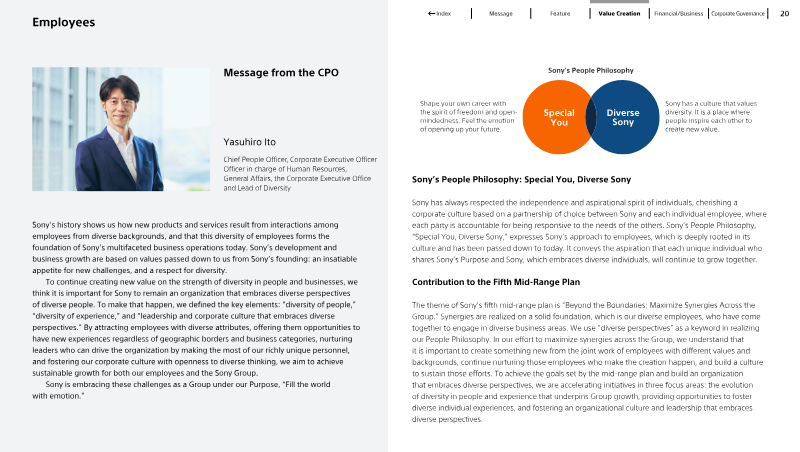
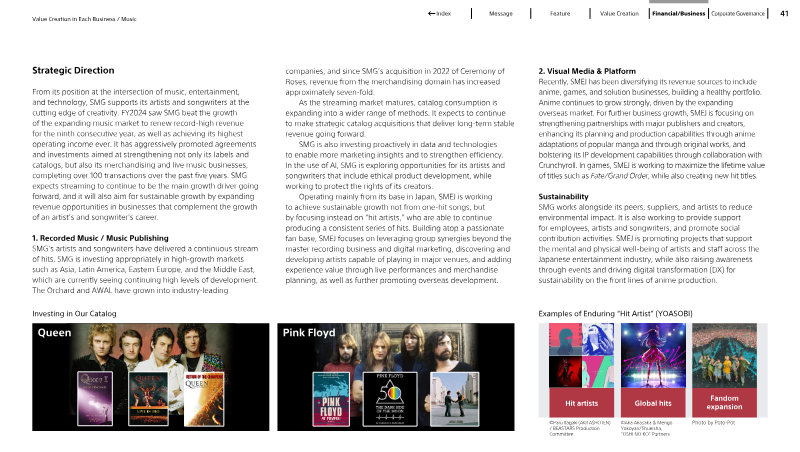

Sony Corporate Report 2025
Sony’s 2025 corporate strategy centers on a "Creative Entertainment Vision" designed to maximize the value of its intellectual property through deep integration across its gaming, music, anime, and film divisions.
- Sony is executing a strategic pivot toward core entertainment and technology by spinning off its Financial Services business in October 2025 to streamline capital allocation.
- The company achieved record-high consolidated sales and operating income in FY2024, highlighted by a 23% growth in operating income and a 10.6% margin that surpassed its 10% target.
- The Game & Network Services segment remains a primary pillar of the business, supported by a massive user base of 124 million monthly active users.
Response to the Call for Evidence on the Action Plan against Cyberbullying
Video Games Europe submits a position in response to the European Commission’s call for evidence on an Action Plan against cyberbullying, arguing that the sector already implements a robust “safety-by-design” framework and that cyberbullying is comparatively rare within video-game environments.
- Video games are a minor source of online harm compared to social media, with only 12% of teens and 3% of adults identifying games as a source of recent harm, versus 70% and 63% for social media platforms.
- Bullying incidents in gaming are significantly lower than on social platforms, reported by 5% of teens and 1% of adults in gaming environments compared to 67% and 69% on social media.
- Data from the Insafe helpline in Q1 2025 attributes only 8% of reported online issues to gaming platforms, while 68% are linked to social media and 20% to messaging services.

#1ReasonToBe
The game industry serves as a potent vehicle for social impact, cultural representation, and personal transformation, provided that developers actively challenge systemic barriers.
- The game industry must transition from viewing accessibility and inclusion as individual responsibilities to treating them as systemic imperatives for the workplace.
- A significant disconnect exists between the high engagement levels of commercial entertainment and the functional utility of serious games, requiring deeper collaboration between researchers and developers to bridge the gap.
- Marginalized creators—including women, immigrants, and trans individuals—face structural barriers such as visa restrictions, professional isolation, and pervasive harassment that threaten their career longevity.
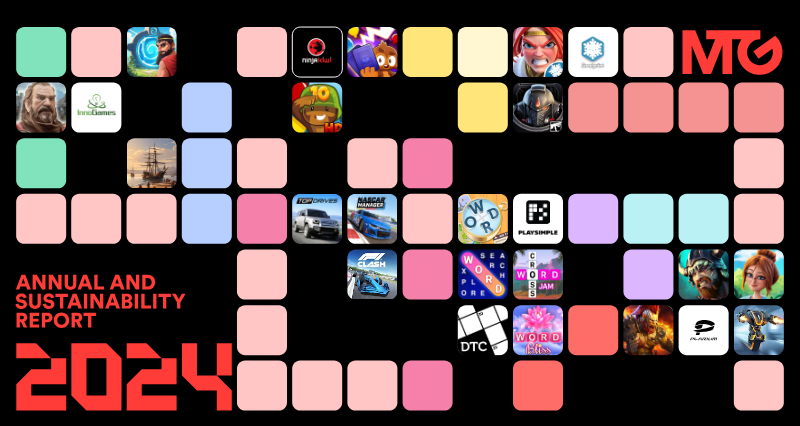
Annual and Sustainability Report 2024
Modern Times Group (MTG) concluded the 2024 fiscal year as a focused European mobile gaming entity, reporting net sales of SEK 6,015 million, representing a 3% currency-adjusted growth.
- MTG finalized the acquisition of Plarium Global Ltd in early 2025, significantly scaling its mid-core gaming capabilities and adding the flagship title RAID: Shadow Legends to its portfolio.
- The company reported 2024 net sales of SEK 6,015 million, reflecting 3% currency-adjusted growth, alongside an adjusted EBITDA of SEK 1,666 million and a net loss of SEK 210 million.
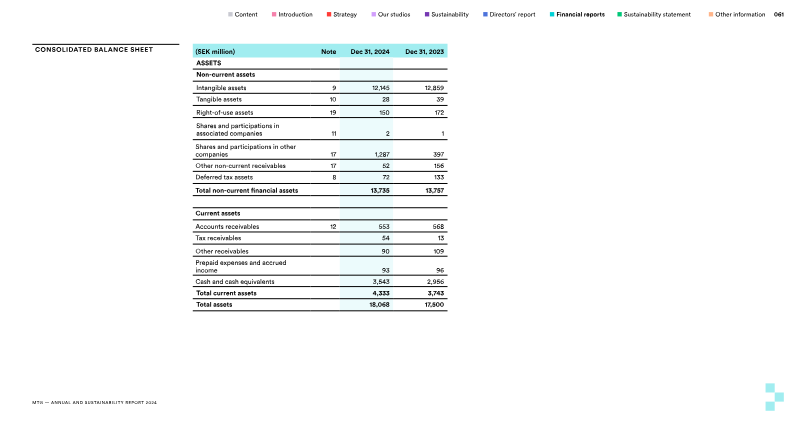
- MTG maintains a strong financial position with SEK 3,543 million in cash and equivalents and zero utilized external debt, supporting a strategy of active share buybacks and evergreen franchise investment.
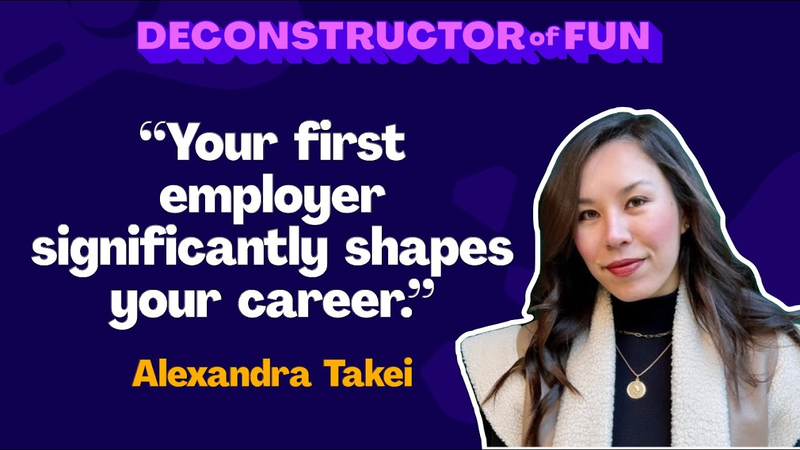
Breaking Barriers: The Journey of a Next-Gen Game Developer Alexandra Takei
Success in the modern gaming industry requires a synthesis of technical operational knowledge, proactive networking, and a willingness to embrace non-traditional career trajectories.
- Success in the modern gaming industry requires bridging the communication gap between creative teams and business stakeholders through shared analytical frameworks and mutual empathy.
- Career advancement is best achieved by prioritizing hands-on experience and 'effective labor hours' over conventional tenure, as demonstrated by Alexandra Takei’s diverse background in film, venture capital, and startup operations.
- Operational excellence in gaming necessitates a deep understanding of financial forensics and project lifecycles to manage the constraints that dictate project sustainability.

Impact Report 2025
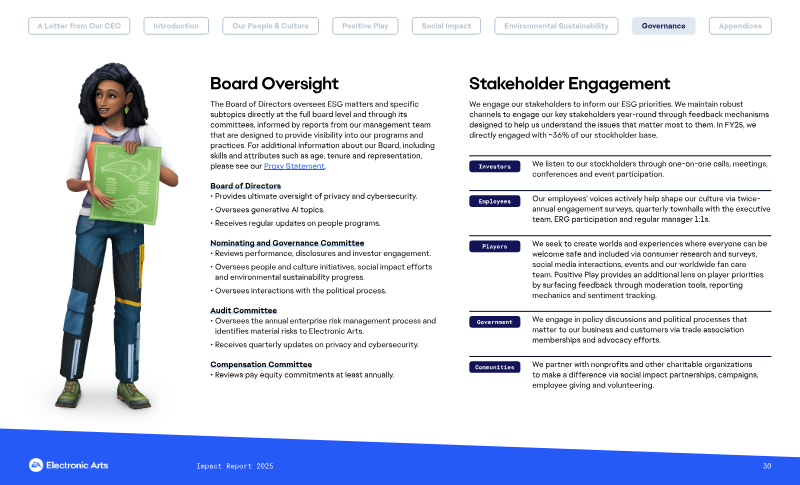
The FY 2025 impact analysis presents Electronic Arts’ comprehensive ESG strategy, arguing that responsible stewardship of people, planet, and data is integral to sustainable growth in the interactive-entertainment sector.
- Electronic Arts achieved a net-zero attrition rate of -0.1% in FY2025, supported by a workforce of over 6,000 employees and a 17% rate of returning staff among new hires.
- Operational carbon emissions decreased to 6.6 Mt CO2e in FY2025, down from 7.3 Mt in FY2024 and 10.6 Mt in FY2023, maintaining the company's carbon-neutral status.
- 83% of the global workforce now has access to internal AI tools, supported by a formal AI governance model to ensure responsible technology deployment.
Power of Play: Informe Global de Videojuegos 2025
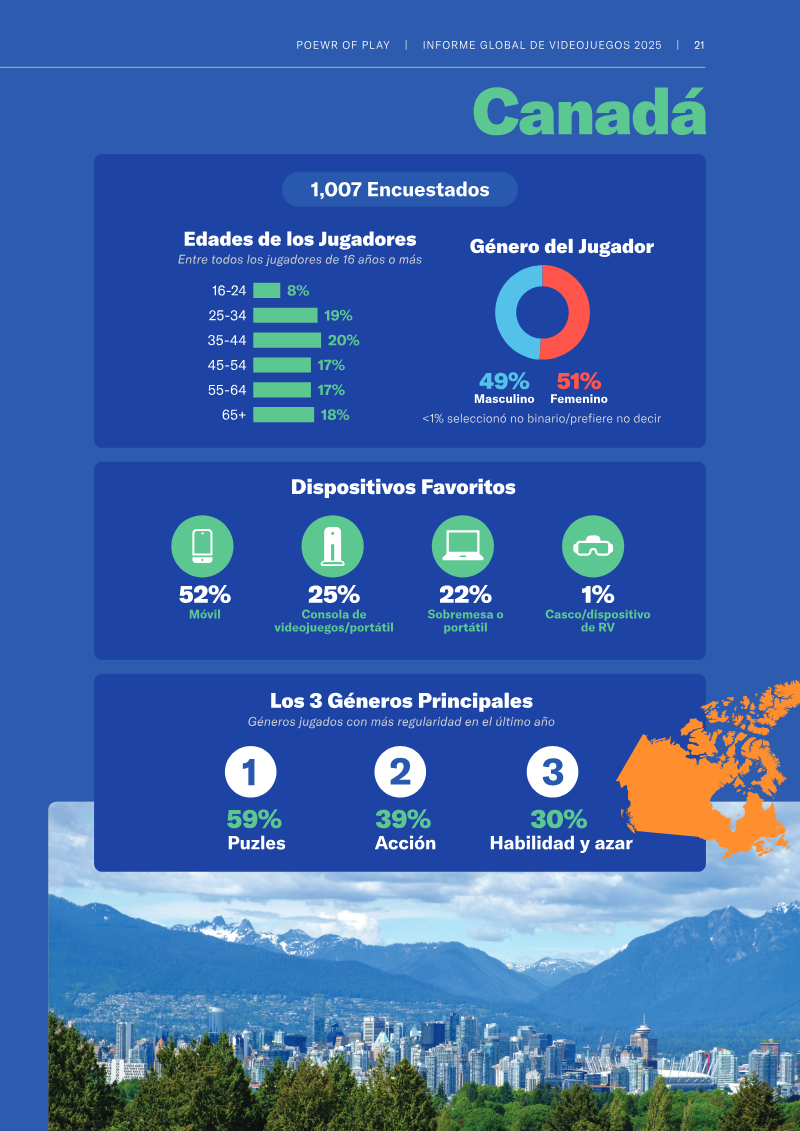
The research surveyed more than 24,000 active gamers from 21 nations on six continents, representing a broad cross-section of the global gaming population (average age 41, 48% female).
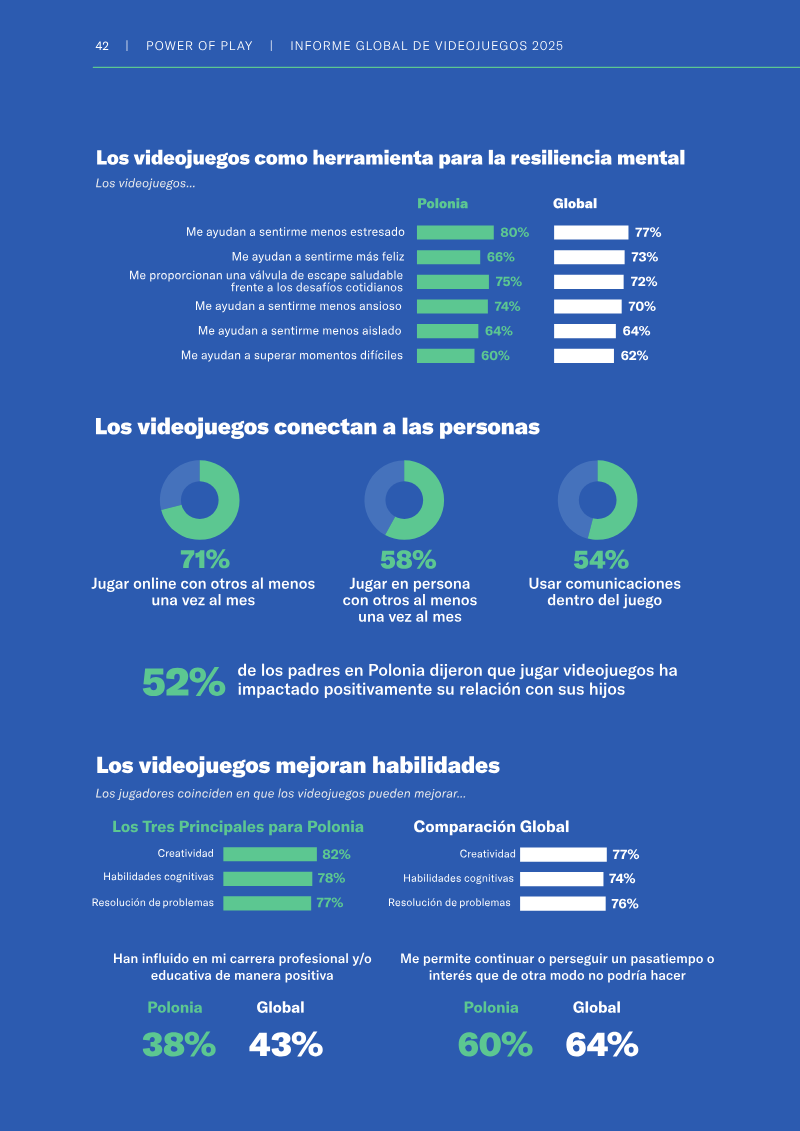
- Gaming is primarily used for stress relief (55%) and mental stimulation (46%), with 73% of the 24,000 surveyed players reporting that it reduces feelings of isolation.
- Skill development is a major outcome, as 77% of players associate gaming with enhanced creativity and 74% with improved problem-solving abilities.
- Mobile devices are the leading platform for 55% of global gamers, followed by PCs/laptops and consoles.