Tencent’s strategic pivot in 2019 marks a recovery from the previous year’s regulatory freeze on game licenses, which had triggered the company’s first-ever profit decline. By early 2019, gaming revenue rebounded to $5.2 billion, driven largely by the successful transition of 150 million monthly active users from the unmonetized PUBG Mobile to the compliant, self-developed Peacekeeper Elite. This maneuver underscores a broader commitment to navigating strict domestic regulations while maintaining market dominance through the integration of the WeChat and QQ social ecosystems, which serve as the primary distribution channels for both internal and third-party titles.
The company is simultaneously pursuing aggressive international expansion and portfolio diversification to mitigate domestic risks. This global strategy involves high-profile intellectual property licensing, such as Call of Duty and Street Fighter, alongside strategic acquisitions of Western studios like Sharkmob. Within China, the expansion of the WeGame platform to 70 million monthly active users and a partnership to serve as the exclusive distributor for the Nintendo Switch signal a move beyond traditional free-to-play mobile models into the PC and console markets.
Future growth is anchored in emerging technologies and infrastructure, specifically cloud gaming and esports. Leveraging a cloud network that already supports 75% of China’s top mobile games, Tencent is positioned to lead the domestic market in the absence of major international competitors. With a $1 billion commitment to esports infrastructure and a pipeline of over 20 new titles, the strategy emphasizes long-term dominance through a combination of massive capital investment, mergers and acquisitions, and the development of next-generation technologies including augmented reality and blockchain-integrated gaming.

Niko Partners · 2026
Niko Partners · 2026

Niko Partners · 2026
Niko Partners · 2026

Niko Partners · 2026
Niko Partners · 2026
Niko Partners · 2026

Deconstructor of Fun · 2026
Niko Partners · 2026

Niko Partners · 2026
Niko Partners · 2025
Niko Partners · 2025
Giant Network Group · 2026

Archosaur Games · 2026
Meridian Play · 2026
Tencent · 2024
Tencent · 2024
Tencent · 2021
Tencent
Bilibili
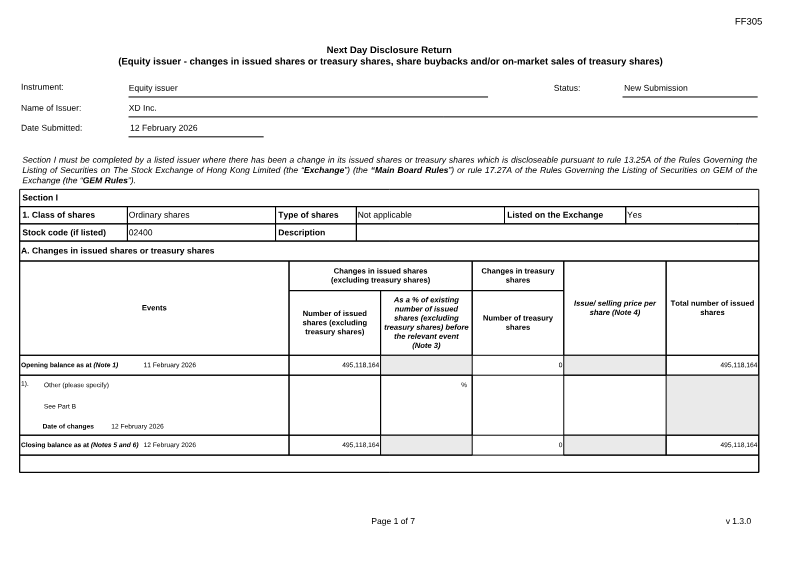
XD
Tencent
Tencent
Tencent Holdings Limited