
Yakuza
GameBy Ryu Ga Gotoku Studio · Released Dec 8, 2005
Documents about Yakuza
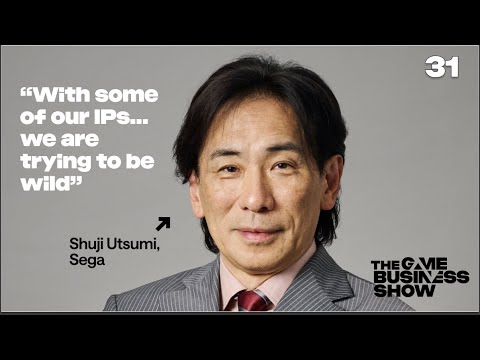
"Reviving Sega will be the greatest achievement in my career"
Sega president and COO Shuji Utsumi outlines a strategic vision for revitalizing the company by balancing its rich historical legacy with modern, globalized development practices.
- Sega is transitioning from a Japan-centric development model to a simultaneous global release strategy across all platforms, including PC, to capture a broader international audience.
- The company is utilizing a portfolio-based management approach that balances stable revenue from established franchises like Sonic, Persona, and Yakuza with innovation from riskier new projects.
- Sega acquired Rovio to integrate mobile expertise and address the challenges of the games-as-a-service sector through deeper IP engagement.
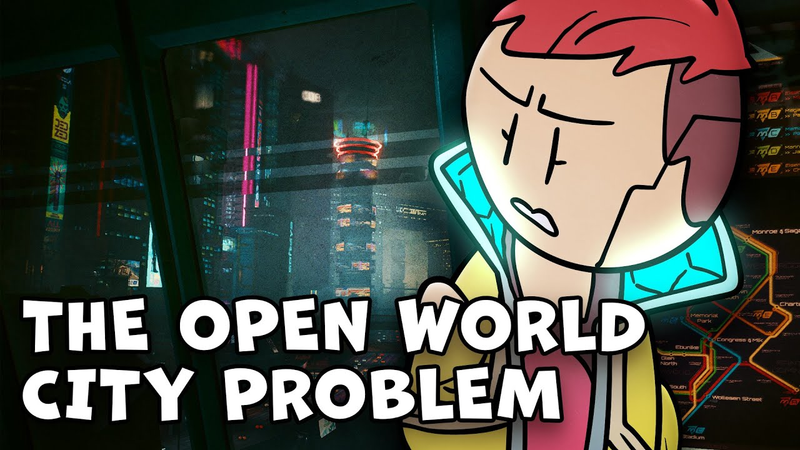
Why You Missed Cyberpunk's Sidequests - Extra Credits Gaming
The design of open-world urban environments presents a unique challenge for game developers, specifically regarding the implementation of landmarks to guide player exploration.
- Dense urban environments often fail to foster organic exploration because repetitive architecture and limited vertical sightlines obscure the visual cues necessary for navigation.
- Unlike open-world games such as Skyrim or Elden Ring, which use distinct landmarks to guide players, urban settings frequently force a reliance on map markers over environmental discovery.
- Cyberpunk 2077 illustrates the failure of massive, high-density skyscraper design, which creates visual monotony at street level and encourages players to bypass the world via fast-travel systems.
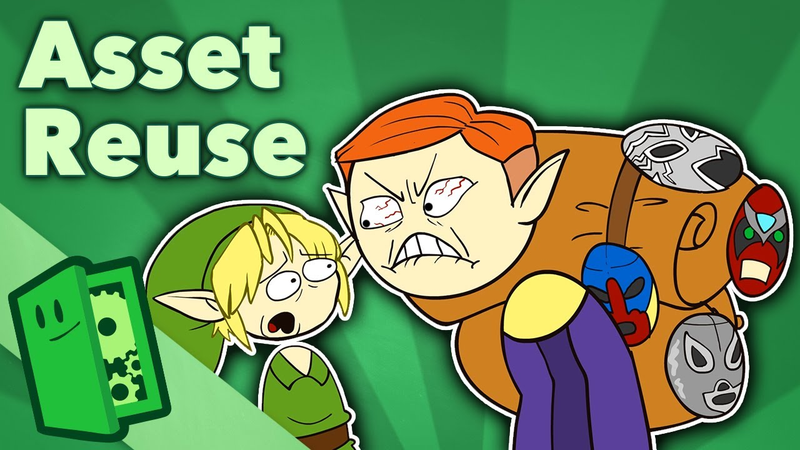
Asset Reuse - Working Smarter, Not Harder - Extra Credits
The practice of asset reuse in game development is often unfairly stigmatized as laziness or cost-cutting, when it is, in fact, a strategic design tool that allows developers to prioritize innovation and depth.
- Asset reuse is a strategic design tool that allows studios to shift finite resources away from redundant technical labor and toward core gameplay, narrative depth, and world-building.
- Reusing existing assets can enable rapid production cycles, such as the 16-month development timeline achieved for Dragon Age 2.
- Successful implementations like Fallout: New Vegas and The Legend of Zelda: Majora’s Mask demonstrate that reusing assets can facilitate superior role-playing depth and unique narrative experiences.
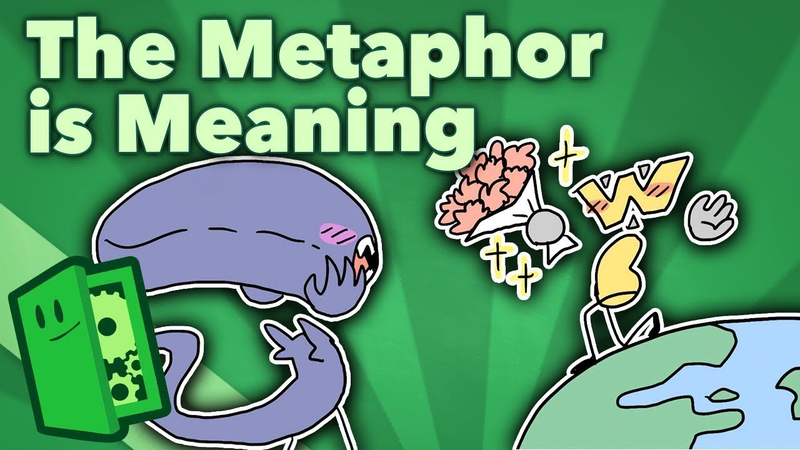
The Metaphor is Meaning - "Show, Don't Tell" in Game Design - Extra Credits
Game design often relies on the unique intersection of literal and metaphorical elements, allowing developers to convey complex narrative depth without relying solely on text-based exposition.
- Game designers can replace text-based exposition by using visual and interactive mechanics as metaphors to convey complex narrative depth.
- Effective metaphorical design requires early development planning to ensure that character traits, environmental assets, and narrative arcs are intentionally aligned with symbolic meanings.
- Specific gameplay elements, such as the tattoos in the Yakuza series or the psychological manifestations in Silent Hill 2, serve as shorthand for internal character struggles and thematic commentary.
Games You Might Not Have Tried - ep 12 - Find New Console Games - Extra Credits
The primary purpose of this analysis is to highlight a selection of console games that offer unique design philosophies, novel storytelling, or ambitious mechanics, even if they are not universally polished or widely recognized.
- Creative risk-taking and thematic depth often provide more long-term value to the industry than traditional technical polish.
- Let It Die demonstrates that roguelike games can successfully implement fair, arcade-style microtransaction models.
- Yakuza 0 serves as a benchmark for dense, activity-rich open-world design that maximizes player engagement within a confined map.
Perversion Subversion - Examining Hentai Sensibility - Extra Credits
The discussion examines the Japanese tradition of "hentai" sensibility, a concept the speaker notes lacks a true English equivalent, roughly meaning lewd or perverted but carrying different cultural baggage.
- Developers can effectively subvert the 'hentai sensibility' trope by using self-aware humor to critique the player's own objectifying behavior, as seen in Yakuza 0's Mr. Libido character.
- Games that attempt to address serious themes like sexual coercion, such as Persona 5, risk undermining their own message if they simultaneously rely on non-consensual or objectifying tropes in other narrative arcs.
- Yakuza 0 demonstrates that sexual themes can be humanized rather than mocked by focusing on character insecurities, such as the subplot involving a shy, professional dominatrix.
A Case for Cutscenes - Everything Old is New Again - Extra Credits
The prevailing design philosophy in the game industry often characterizes cutscenes as inherently flawed or lazy, suggesting that developers should prioritize gameplay over passive cinematic sequences.
- Cutscenes are most effective when used to convey subtle character moments and emotional interiority that current gameplay mechanics cannot replicate.
- Designers should shift away from using cutscenes for grand action sequences, which often create a disconnect by forcing players to watch events they would prefer to control.
- The Yakuza 0 development model demonstrates that cutscenes excel at depicting nuanced facial expressions and physical gestures that define character depth.
Companies behind it

As the documents state it.