Unreal
Game
Documents about Unreal

Is Summer Game Fest worth it for devs?
The current landscape of the video game industry is defined by a shift toward targeted digital marketing and strategic platform integration.
- Summer Game Fest has shifted from a broad industry trade show to an intimate, invite-only event focused on high-impact influencer and press relations, making it a more efficient alternative to the high-cost, high-volume spectacle of traditional E3 booths.
- Participation in major streaming showcases during June can drive significant wish-list growth, with top-tier events like the Xbox showcase generating approximately 46,000 wish lists, while smaller indie-focused showcases typically yield around 1,000.
- Epic Games is positioning Unreal Engine and Fortnite as an open-ecosystem alternative to Roblox, focusing on platform-level tech updates—such as persistent level counters—to bridge the feature gap between the two platforms.

Why Most Game Engines Die, and How AI Builds "Living Worlds"
The game industry is currently undergoing a fundamental transition from utilizing artificial intelligence as a productivity tool for asset generation toward integrating it as a core engine component for real-time, immersive gameplay.
- The game industry is shifting from using AI as a productivity tool for asset generation to integrating it as a core engine component for real-time, dynamic gameplay.
- Developers are prioritizing on-device AI processing over cloud-based models to mitigate latency, privacy risks, costs, and model drift while ensuring deterministic gameplay.
- The goal is to create 'living worlds' with non-player characters that possess memory and engage in unscripted interactions, moving away from static, pre-scripted narrative loops.

PGC takeaways, the UK's social media ban and Fortnite vs Roblox | Week in Mobile Games podcast
The mobile gaming industry is currently navigating a complex landscape defined by shifting platform strategies, evolving regulatory pressures, and the pursuit of sustainable growth.
- The UK government is planning to implement a social media ban for under-16s by spring 2027, targeting platforms like TikTok, Instagram, and X while excluding messaging services like WhatsApp and Signal.
- Epic Games has paid over $1 billion to creators through the Unreal Editor for Fortnite since 2023, though the platform faces stiff competition from Roblox, which paid out $1.5 billion to creators in 2025 alone.
- The mobile title 'Where Winds Meet' generated $22.1 million in revenue outside of China during its first six months of release.
Only XBOX Can Kill Xbox, Unreal 6's AI Update & Pokémon Training Drones | Games For Breakfast
The gaming industry currently faces a period of profound instability characterized by corporate mismanagement, ethical controversies, and a shift toward aggressive, often alienating, monetization strategies.
- Microsoft has closed multiple game studios despite a five-year investment of over $20 billion in content and hardware, during which annual revenue declined by nearly half a billion dollars.
- Microsoft is facing internal pressure to improve efficiency, with the company reporting a 3% accountability margin and a need to pivot its strategy to address declining financial performance.
- The gaming industry is increasingly grappling with the integration of AI tools in development, raising concerns regarding the protection of intellectual property and the legal status of AI-generated assets.

🚨📢 BREAKING NEWS: GTA 6 pre-sale, EU regulations looming, Layoffs and Pokemon Champions launch
The current landscape of the gaming industry is defined by high-profile product launches, significant regulatory challenges, and a pervasive trend of studio restructuring and layoffs.
- Take-Two’s stock valuation has risen in anticipation of the upcoming Grand Theft Auto 6 pre-sale.
- Epic Games has set a 2027 target for Unreal Engine 6, focusing on AI-assisted development and live service interoperability.
- Fortnite’s creator ecosystem has surpassed $1 billion in total payouts since 2023, with community-made content now accounting for nearly 50% of total playtime.
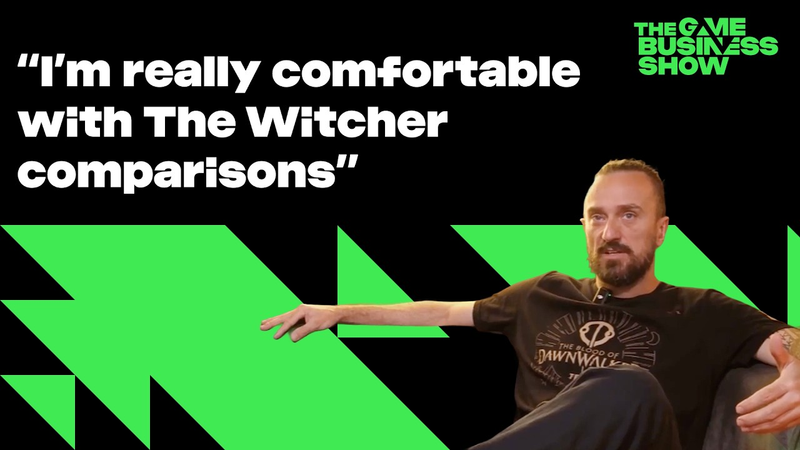
The Blood of the Dawnwalker developer: Everyone we spoke to wanted to invest
Rebel Wolves operates on the principle that high-quality, AAA dark fantasy role-playing games are best produced within smaller, boutique environments that prioritize team culture and creative ownership.
- Rebel Wolves maintains a boutique studio model of approximately 160 employees to minimize bureaucratic inefficiency and ensure leadership remains directly involved in creative production.
- The studio secured major financial and operational backing through partnerships with NetEase for funding and Bandai Namco for global publishing.
- Development of the upcoming title, The Blood of the Dawnwalker, utilizes AI-generated voice placeholders to iterate on complex narrative branches before committing to final production costs.
Why Disney Wants To Buy Epic | Design Club
Disney is actively pursuing a strategic acquisition of Epic Games to address a critical deficiency in its corporate portfolio: the lack of a robust, internal first-party gaming infrastructure.
- Disney lacks strong internal game development capabilities, making the acquisition of Epic Games a strategic move to gain control over high-value gaming assets and infrastructure.
- Epic Games provides three critical pillars for Disney: the Unreal Engine for content creation, the Fortnite platform for user engagement, and the Epic Games Store as a distribution channel.
- Integrating Epic into Disney's ecosystem would allow for massive content bundling, such as offering legacy Disney, Marvel, and Star Wars game titles as part of a Disney+ subscription.
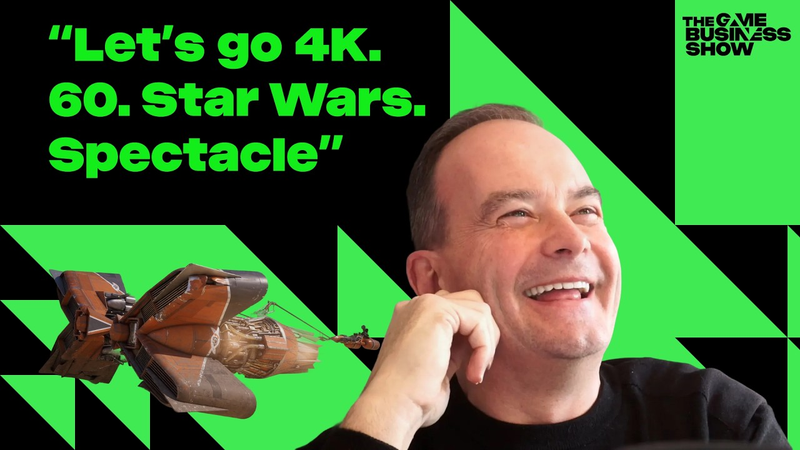
How come Fuse Games gets to make a Star Wars racing game?
Fuse Games, a UK-based independent studio founded three years ago by former leaders from EA’s Criterion Games, is currently developing Star Wars: Galactic Racer.
- Fuse Games, a 75-person independent studio founded by former Criterion Games leaders, is developing 'Star Wars: Galactic Racer' using Unreal Engine.
- The studio employs a distributed development model, partnering with other UK studios to scale capacity and avoid the industry's traditional cycle of project-based hiring and layoffs.
- The game aims to revitalize the racing genre by blending 4K 60fps visuals with 'racing adventure' elements that allow players to inhabit canonical Star Wars characters.

Session:Using High-Quality Cinematics To Nail Your Pitch Without Breaking The Bank - Robert Craig.
The presentation outlines a methodology for creating high-quality, cinematic game pitches and trailers using Unreal Engine 5, emphasizing efficiency and cost-effectiveness.
- Unreal Engine 5 tools like Nanite and Lumen allow developers to bypass traditional, time-consuming workflows such as retopology, enabling high-quality cinematics to be produced with minimal budgets and small teams.
- The Metahuman framework, combined with digital casting via 3D scan libraries, allows for efficient creation of realistic characters by ingesting raw scans into the Metahuman rig for shading and animation.
- A physically based lighting and camera workflow—matching real-world lux values for specific times of day to engine directional lights and HDRI—creates consistent, cinematic results that are easily adjustable shot-to-shot.

Google's Project Genie, Take-Two, Stillfront, Ares, January's top games and more
The mobile gaming industry is currently navigating a period of significant financial restructuring and technological speculation.
- Take-Two Interactive reported a 19% year-over-year increase in mobile revenue, which now accounts for 49% of the company's total net bookings.
- Google's Project Genie generative AI technology caused a temporary market sell-off in game stocks, though industry leaders like Unity and Epic Games clarified that such models are intended to supplement, not replace, professional game engines.
- Stillfront Group is undergoing a restructuring that includes further game closures and the sale of its narrative games division, despite achieving a 27% EBITDAC margin in Q4 2025 through cost savings and disciplined user acquisition.

Is this make or break for GDC?
The global game development industry is currently navigating a period of significant instability, marked by widespread workforce reductions and shifting technological priorities.
- Over 25% of global game industry professionals have faced layoffs in the last two years, with that figure rising to 33% within the United States.
- Unreal Engine has surpassed Unity as the primary engine for developers, while the Steam Deck has become a higher priority for development focus than the Nintendo Switch 2.
- Despite rapid adoption for brainstorming and research, a majority of developers now view generative AI as a detrimental force within the industry.

Is It Finally Time To Switch Engines?
The primary thesis of this discussion is that game developers should prioritize consistency and problem-solving over the frequent, unproductive debate surrounding game engine selection.
- Blaming a game engine for development issues or lack of success is a common distraction that rarely reflects the reality of professional game development.
- Successful developers prioritize consistency and problem-solving over engine-hopping, as switching tools is often a form of procrastination that prevents project completion.
- Engine-specific 'out-of-the-box' aesthetics can make games feel generic, so developers must be intentional with design to ensure their project has a unique look and feel.