Unreal
Game
Documents about Unreal
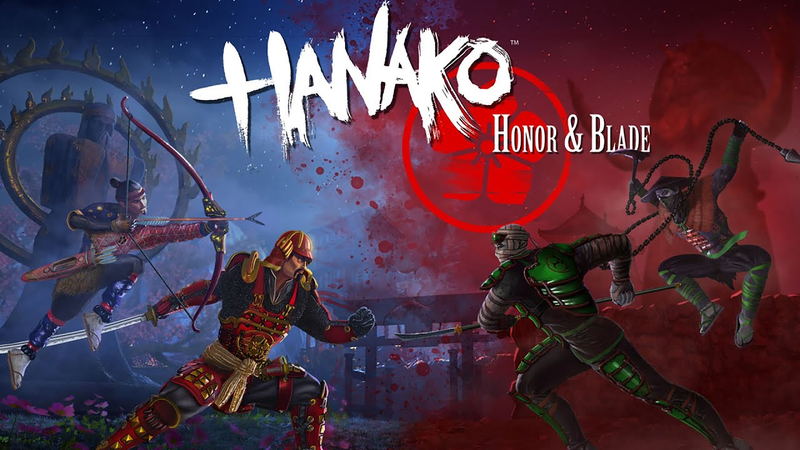
14 Years Development on Hanoka with Matt Canei | Game Dev Unchained Episode 284
The development of Hanako: Honor & Blade serves as a case study in the endurance required for long-term indie game production.
- The 14-year development of Hanako: Honor & Blade required a total labor investment equivalent to only 14 to 18 weeks of work for a 100-person studio, demonstrating the efficiency of a volunteer-driven, methodical approach.
- The project successfully navigated major technical shifts, including migrating the entire game from Unreal Engine 3 to Unreal Engine 4 while adapting to evolving market trends like the rise of battle royale games.
- By positioning the project as a mentorship platform for junior developers to build professional portfolios, the team effectively mitigated the impact of high turnover over the project's decade-plus lifespan.
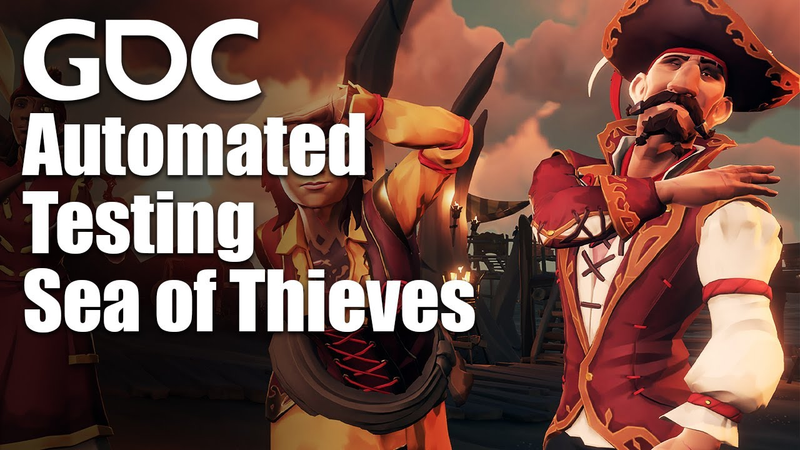
Automated Testing of Gameplay Features in 'Sea of Thieves'
Developing and maintaining a live-service, open-world title like Sea of Thieves requires a robust automated testing framework to replace inefficient manual processes and mitigate the risks of regression.
- By implementing automated testing for 'Sea of Thieves', Rare reduced the time required to verify game builds from two weeks to approximately 1.5 days.
- The studio successfully reduced its manual testing team from 50 people on 'Kinect Sports Rivals' to 17 on 'Sea of Thieves' by automating repetitive checks.
- Rare utilized a continuous integration system via TeamCity to run automated tests on a build farm of PCs, averaging a full test cycle every 20 minutes.
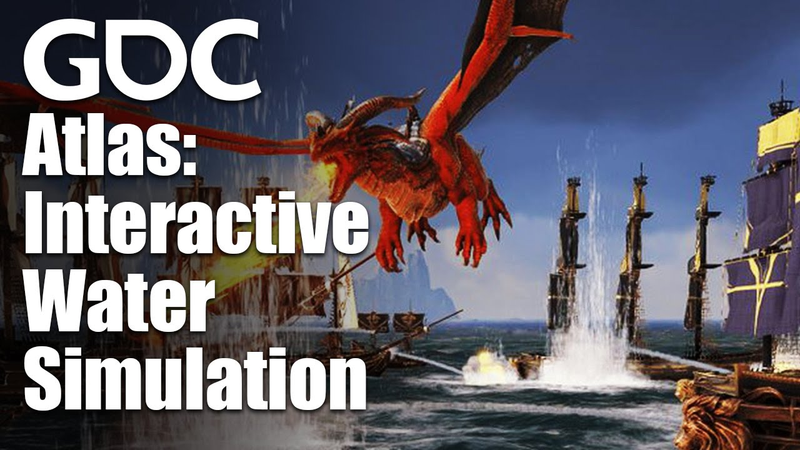
Wakes, Explosions and Lighting: Interactive Water Simulation in Atlas
The development of the ocean simulation for the massively multiplayer online game Atlas centers on balancing high-fidelity visual realism with the rigorous performance constraints required for a seamless, multi-server environment.
- To simulate vast ocean surfaces for Atlas, Grapeshot Games replaced the standard Phillips spectrum with JONSWAP and JONSWAP-variant spectra to avoid unrealistic wave heights in non-oceanic environments.
- The team optimized FFT-based ocean simulation by using larger waves to distort smaller frequency bands, effectively masking tiling repeats without sacrificing performance.
- Buoyancy for rigid bodies is calculated by taking discrete displacement samples along a boat's hull and using an iterative Newton's approximation method to determine height at specific world locations.

Star Atlas | Metaverse Game on the Solana Blockchain
Star Atlas functions as a AAA-quality, space-themed grand strategy metaverse built upon the Solana blockchain.
- Star Atlas is a AAA-quality space strategy metaverse built on the Solana blockchain, which utilizes a high-throughput architecture capable of processing 50,000 transactions per second.
- The game utilizes a dual-token economic model where ATLAS functions as the primary currency for commerce and POLIS serves as a governance token for the project's Decentralized Autonomous Organization.
- The platform operates on an invest-to-play paradigm, utilizing NFTs for all in-game assets to grant players true ownership and the ability to extract real-world value from their digital investments.
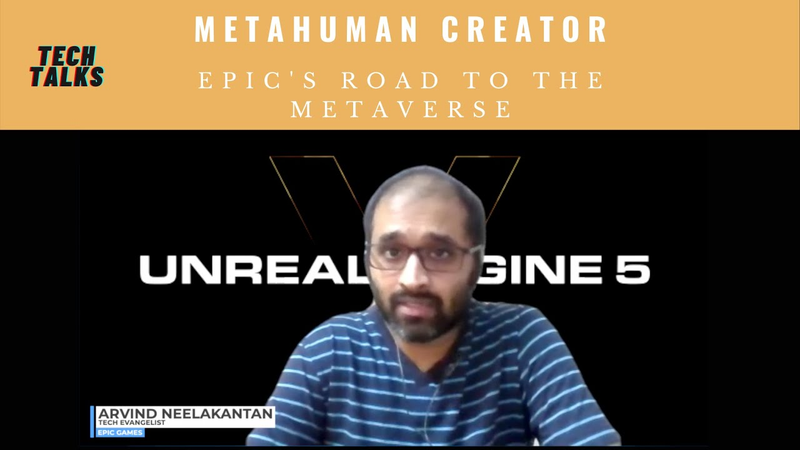
MetaHuman Creator | Epic's Road to the Metaverse ft. Arvind Neelakanan (Epic Tech Evangelist)
MetaHuman Creator serves as a transformative cloud-based solution designed to accelerate the production of high-fidelity, rigged digital characters.
- MetaHuman Creator is a cloud-based platform that reduces the production time for high-fidelity, rigged digital characters from months to hours by automating facial rigging and skin rendering.
- The platform is designed to augment professional artists rather than replace them, keeping creative oversight central to the final production quality.
- The system features a flexible Level of Detail (LOD) architecture, allowing developers to scale visual fidelity to meet performance requirements across different hardware environments.
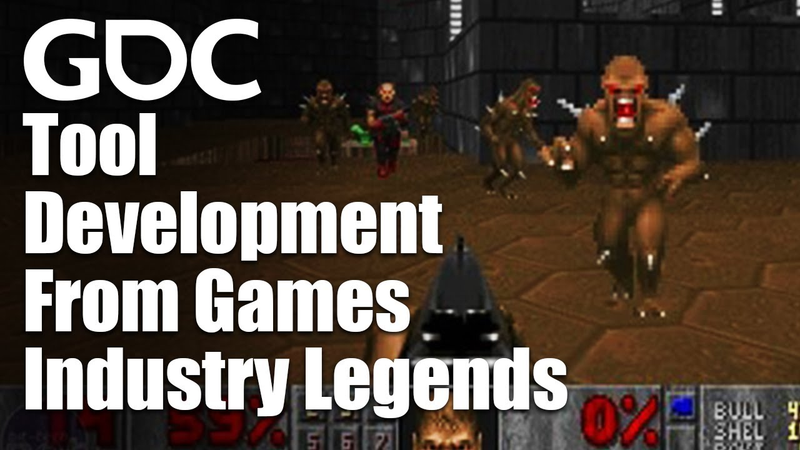
What I Learned About Tools Development From Games Industry Legends
The primary thesis of this analysis is that game development tools frequently outlive the specific projects for which they were originally created, often becoming foundational elements for future titles or independent communities.
- Game development tools often outlive their original projects, with examples like the Tile Editor (TED) being utilized across 33 different game titles.
- Developers should prioritize long-term usability and user experience because tools frequently become foundational infrastructure for future titles and independent communities.
- To ensure longevity, developers must adopt a user-centered design approach that focuses on solving core user problems rather than simply implementing requested features.
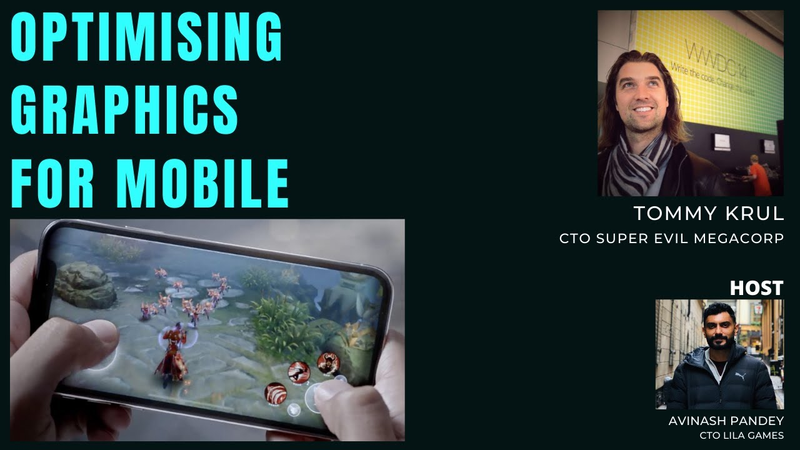
Optimizing Graphics for Low-end Mobile Devices | Tommy Krul
Mobile game development requires a sophisticated approach to performance optimization due to extreme hardware fragmentation, regional device variations, and the unpredictable impact of thermal throttling.
- Optimize for low-end mobile hardware by categorizing devices based on specific GPU and CPU combinations rather than relying on generic performance metrics.
- Maintain visual fidelity across fragmented hardware by implementing dynamic performance scaling, automated shader levels of detail, and adjustable post-processing effects.
- Utilize proprietary engines to build performance into the architectural design from the start, avoiding the need for late-stage fixes and reducing technical debt.
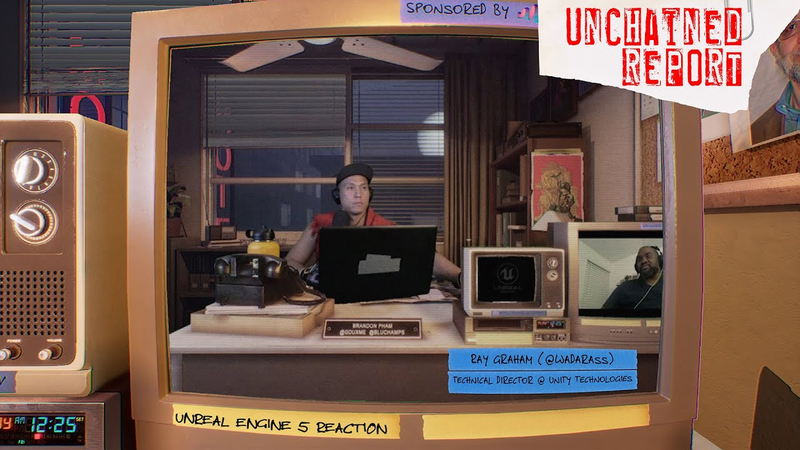
Unreal Engine 5 Reaction | Unchained Report
The release of the Unreal Engine 5 tech demo represents a significant milestone in game development, sparking widespread industry discussion regarding the future of graphical fidelity and production workflows.
- Unreal Engine 5 introduces Nanite for automated geometry management and Lumen for real-time global illumination, aiming to eliminate traditional production bottlenecks like manual baking and level-of-detail management.
- The UE5 tech demo functions primarily as an aspirational marketing benchmark for next-generation hardware like the PlayStation 5 and Xbox Series X rather than an immediate, universal standard for all game development.
- While these technologies offer significant productivity gains, they do not remove the necessity for artistic expertise or rigorous optimization in dynamic, gameplay-heavy scenarios.

Best of 2020 | Game Dev Unchained Episode 248
The game industry in 2020 experienced a period of profound transformation, characterized by rapid technological advancement, shifting labor dynamics, and the normalization of remote work.
- The industry is experiencing a fundamental shift in business models, evidenced by Epic Games' legal challenges against platform holders over commission structures and ecosystem control.
- Technological advancements like Unreal Engine 5’s Nanite and Lumen systems are setting new benchmarks for real-time rendering, though they currently require significant optimization for practical production use.
- Systemic labor issues, including 'crunch' culture and the treatment of independent contractors and QA staff, remain critical challenges often stemming from poor management and unrealistic project scoping.
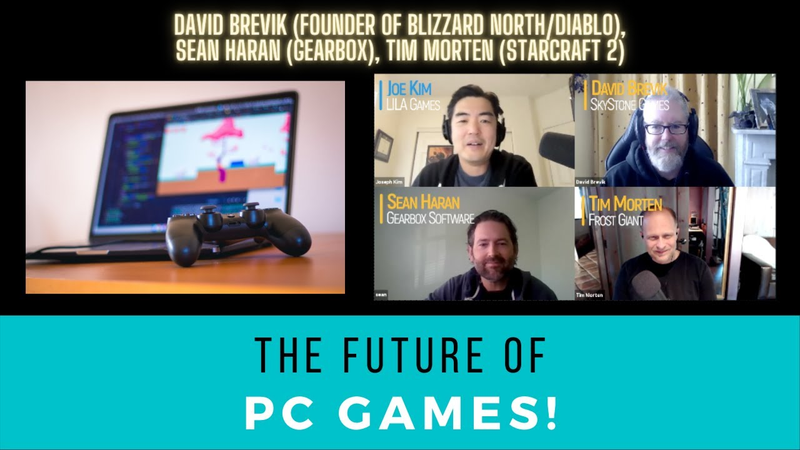
Future of PC Gaming | David Brevik, Sean Haran, Tim Morten
The PC gaming industry is currently defined by a hyper-competitive, globalized landscape where success hinges on the adoption of games-as-a-service models and the strategic use of modern, cross-platform development engines.
- The industry is shifting from multi-year development cycles to continuous, iterative content delivery, necessitating that live-service elements be integrated into core game design from the start.
- The democratization of development tools like Unreal and Unity has lowered barriers to entry, resulting in a saturated global market that demands high-quality production and effective marketing to achieve viability.
- Publishing models are evolving toward developer-led structures that prioritize transparency and favorable economic terms over traditional legacy agreements.
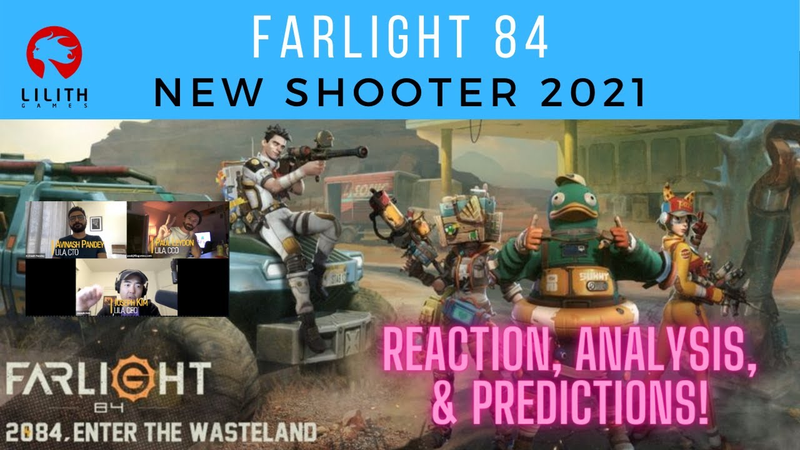
Farlight 84 - New FPS Shooter in 2021 | Reaction & Analysis
Farlight 84 represents a strategic entry into the competitive battle royale market, aiming to capture the mobile and cross-platform audience through a blend of high-fidelity aesthetics and fast-paced, class-based combat.
- Farlight 84 targets the mobile and cross-platform battle royale market by combining class-based combat with unique movement mechanics like jetpacks and legged vehicles.
- The game utilizes Unreal Engine to support a 40-player map structure, specifically optimized for mobile hardware performance.
- The core gameplay loop integrates squad-based tactical objectives with a persistent social hub model similar to Fortnite to drive player engagement.
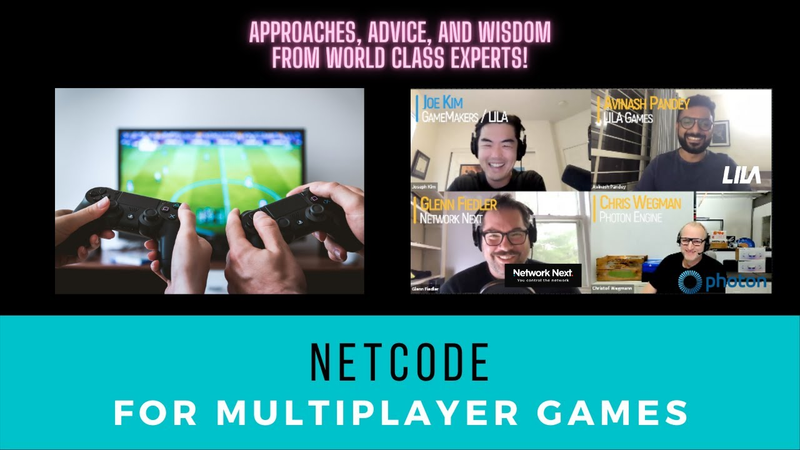
Netcode for Multiplayer Games | Glenn Fiedler, Avinash Pandey, and Chris Wegman
Successful multiplayer game development hinges on the strategic selection of networking architectures that align with specific genre requirements and technical constraints.
- Multiplayer architecture must be chosen based on genre needs: deterministic lockstep is efficient for low player counts, while server-authoritative models are required for large-scale environments like battle royales to ensure state integrity.
- Developers should avoid building custom networking solutions from scratch, as it is a high-risk, multi-year endeavor that should only be pursued if networking is a core pillar of the studio's long-term engine strategy.
- Industry standards are shifting toward modular frameworks and genre-specific templates within engines like Unity and Unreal to allow teams to prioritize gameplay over commodity infrastructure.