1 free read left. Create a free account for unlimited reading + AI research.
Create free account
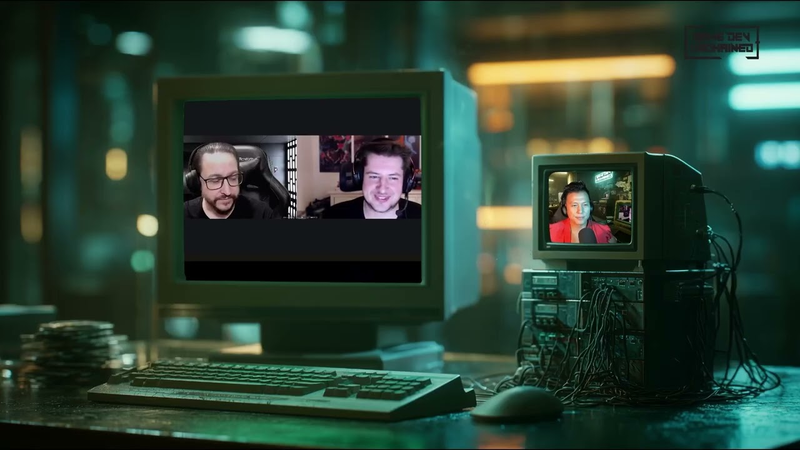
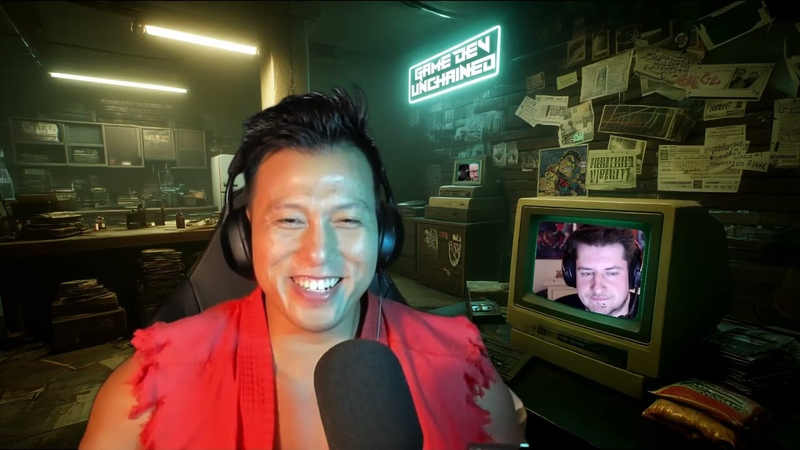
14 Years Development on Hanoka with Matt Canei | Game Dev Unchained Episode 284
Key insights
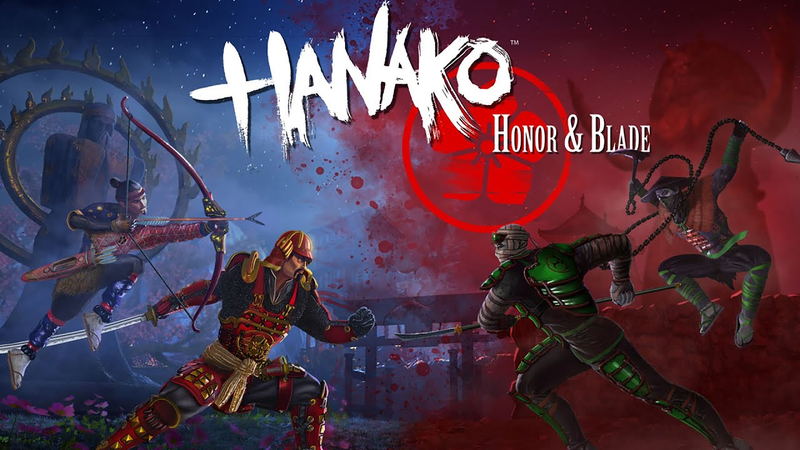
6 takeaways- 01The 14-year development of Hanako: Honor & Blade required a total labor investment equivalent to only 14 to 18 weeks of work for a 100-person studio, demonstrating the efficiency of a volunteer-driven, methodical approach.
- 02The team concluded that clear communication of game mechanics is more critical to a successful final product than mechanical complexity, leading them to streamline the game's design.
- 03Despite receiving external validation through an Epic MegaGrant, the project faced persistent challenges in achieving commercial visibility within a market saturated by low-effort releases.
- 04The project successfully navigated major technical shifts, including migrating the entire game from Unreal Engine 3 to Unreal Engine 4 while adapting to evolving market trends like the rise of battle royale games.
- 05By positioning the project as a mentorship platform for junior developers to build professional portfolios, the team effectively mitigated the impact of high turnover over the project's decade-plus lifespan.
- 06The development team abandoned unsustainable crunch culture in favor of time-boxed scheduling, proving that prioritizing developer rest and work-life balance is essential for long-term creative productivity.
Ask AI about this video
Transcript
this episode is sponsored by mud stack mudstack is the only asset management and collaboration platform custom built for games to use and digital artists so level up your game art and your art game with mud stack are you frustrated with convoluted folder hierarchies and naming conventions that make finding assets a pain do you hate using version control software that was built for software engineers instead of you an artist are you also annoyed with late feedback that forces you to throw away hours and hours of work we all been there finally there's a solution built for you the artist mud stack is the only digital asset management version control and review platform custom built for artists and game studios get started for free in just a few minutes at mudstack.com that's mudstack.com [Music] hey guy here's the deal this podcast is
sponsored by manske manscape is the best in men's below-the-waist grooming champions of the world they offer precision engineer tools for your family jewels when i was a kid i thought it was weird and it was embarrassing that i was doing maintenance down there and in a long time i felt like i had to hide the fact that things were getting a bit hairy but now i am glad i live in the world that manscaped is widely being celebrated as a way for us to us men to kind of get ourselves in check be organized and be our best self down there so right now manscape has just launched their fourth generation trimmer the lawnmower 4.0 so imagine shaving with a super sleek well designed and optimized trimmer that makes shaving time your favorite time in the bathroom i
went for a trial run and it was refreshing and your your spouse and partner can only be jumping with joy knowing that you are taking care of yourself and in turn taking care of your partner or spouse what's cool about the trimmer it has a 4 000 k led light that you can turn on when in use to help you navigate down that jungle of yours and make sure that you're getting it in all the right places and crevices additional guards so that you can get the perfect length from your trimmer some people like myself just like a little maintenance all right a little off the top and others probably rey uh would probably go all the way down to the skin level which is completely fine it's whatever your preferences are so there's different sizes for guard links
that is available for the lawnmower 4.0 so guys do yourself a favor stop trimming with the same trimmer that you use in your face as for your balls hygienically disgusting ethically i get it if it's something that you've been wanting to try now's your chance to do it you can get 20 off plus free shipping by using the code gdu at manscaped.com again it's m a n s c a p e d dot com get 20 off and be a better you with the code gdu your balls will thank you [Music] what's up everybody welcome to another episode of game dev unchained the number
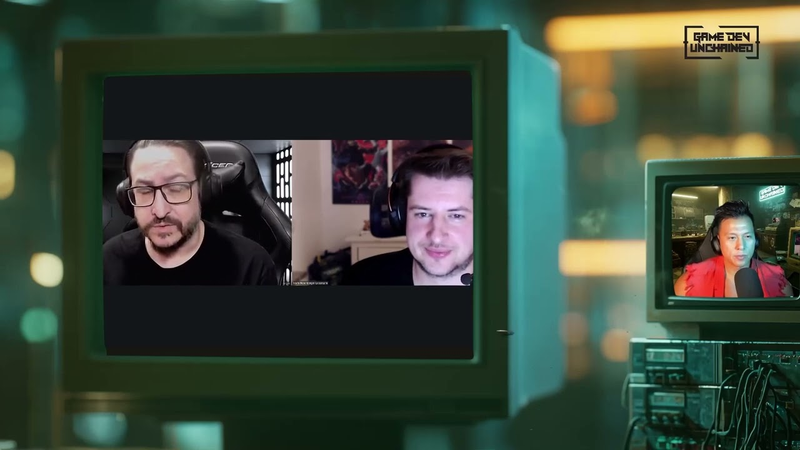
one game development podcast about game development and the lifestyle thereof i am your host brandon fam and with me i should have asked you this matthew can i do you go by matthew or matt oh matt's fine did i say the last name too i took a chance all right man uh this is part of the podcast where i kind of asked you our guests where you're from where you are right now and where you're heading a little intro basically all right hey everybody i'm matt kanai i'm the lead developer at impact games on hanukkah honor and blade which we shipped last week after a crazy 14-year journey i'm also a senior technical artist in the game industry currently at ilmx lab but previously at tripwire interactive and hi-res studios man all right let's might as well start from the beginning so you said 14 year journey so uh i'm
guessing this idea uh did it uh was it breed it from from solely yourself and then the team slowly grew from there like let me know you know from the beginning what was the intention and what was the i you know inspiration behind it all so i'm gonna go back before i even started in the industry where the i feel like the seeds were were planted uh so when i was 14 which i can't do the math in my head i'll say it was 2002. and i was 14 it was the first year my mother just got diagnosed with breast cancer that same year last samurai came out it's my favorite movie of all time and uh after one of her appointments we stopped at blockbuster this is showing my age blockbuster was a place you could rent games and movies it was amazing uh as a kid your parents would take you there and you could if they had like every game and you could pick it out take it home and play it for like a week for like 10 bucks or whatever um i
rented shenmue too and it completely changed my life and basically from that point on i knew i wanted to make games and make games that could have that kind of impact on people in a positive way make them grow make them think about how they how and why they do things um so four years later she passed away uh during my at the beginning of my second year in college for game development and that winter break you know she's my best friend i lost the person closest to me and i just started writing um and the idea kind of hit me that i wanted to make a game to pay tribute to her life and memory and um at the same time i was really into martial arts and uh like samurai culture that kind of thing and kind of strung together this idea of these samurai clans that represent one representing her and the other representing cancer and disease um and
basically this was going to make a game it's a metaphor for her battle um so i started recruiting classmates it was basically like our pet project throughout college it really ended up turning into like our senior project and then after after that i had started in the industry and it kind of went on the shelf for a year or two there was a scene that i had made that was um for like the chinese pantheon and smite and i had showed a screenshot of it to uh one of the guys i founded a project with he's like dude can you make hanukkah look that good like we should uh we should pick the game back up and finish it so uh we we basically just like started a new team in in 2013 and then unreal 4 came out in 2014 and that's like from there on is what we developed that came out last week that's kind of a quick quick and dirty uh history lesson on the game but really the
through that whole journey most of uh our dev team lost a parent to cancer unfortunately i hate that that's a coincidence um for almost everybody that came through the project but it was a way for us to bond and grieve and work through the that loss and the project really was kind of like a therapy sandbox for us to explore the feelings and especially for me i mean all the environments and every map kind of represents a different part of one side of that struggle and you know there's maps that are you get to they represent cancer and facing cancer getting to destroy it and cleanse it and others represent you know getting to talk to that person one more time and there's a lot of very deep themes that i kind of instilled in these these scenes oh man so it's kind of the the quick and dirty well i appreciate you kind of you and your team sticking uh through it all and you know art is kind of being an artist myself you know we kind of go through our our our grief um
the best way we know how through expression of what we do and try and interpret our feelings through it and and uh it's it's nuts man like when it's one of the unique stories when you kind of reached out like um we we hear and and and and talk to friends all the time about you know me myself being in this pit hole uh pitfall of creating projects that never finish right and uh to have the the discipline to to see it through and and and finally shipping it must have been a huge triumph moment for you guys for everyone as you guys are managing your your your own personal career too um i guess what i i ask i want to ask about is like how many uh different iterations did you guys kind of go through if you were to kind of estimate
and what were the most major ones you kind of mentioned the engine change things like that um looking back were those changes uh beneficial or overall you guys felt like you could have skipped those those little updates and stuff yeah uh i mean that's like because we we were like in ut3 as a mod first because udk wasn't even a thing yet it was still like you have to pay a million dollars for the ue3 license and then udk came out we switched to that towards the end of college then ue4 of course um and then ue4 has its version upgrades which are a ton of work i'd say we've we've lost two years entirely to ue4 upgrades um though to be fair and i i did the math sometime recently all right how much man hours did we actually spend on this and it actually crazily enough worked
out to about like 14 to like 18 weeks of a 100 person studio of their man hours i was like oh well i feel a lot better now because like that's not that much time i don't know a game that's come out after 14 weeks yeah um though it was very slow and methodical and brick by brick um i think the main transition was actually the game got a lot smaller over the years in college you know we were like pie to the sky we were naive we didn't know any better so like my original design doc was this 100 page monstrosity of like we are gonna have 12 classes and 20 maps and like 50 like 15 games it was absurd and over the years we had team members that were like i'm not working on this unless we de-scope and get rid of stuff like there's no way our tiny team can do all this and uh i really took everyone's feedback to heart you know when you're working on a project where no one's getting paid like the best thing you can do as a leader is listen to everybody and really really
ask yourself like does this make the product better um and that was like my mo for running this project and one of the things that kept it going for so long we did dscope and that's probably the biggest thing but the the biggest transformation really i think has been in the last year or two i feel like the last 10 of dev time is when like 50 percent of games get made aaa and indeed like you we went through so many like incremental things and then it was like it clicked to us what we were missing all this time what we needed to do our experience was there now we knew our systems it was all very mature and it was like the thing we were missing was like messaging like you can have a good mechanic but if you don't message it well it can make it a bad mechanic but if you have an average mechanic but great messaging can make it an exceptional mechanic and that was something that like we just tried to apply everywhere when it comes to the um besides the transitional points like
i think a lot of the learning moments a lot of developers can actually take from your experience from any type of project is are those moments that the team feels a little demotivated right and always takes one person out of the team to kind of push it and kind of like uh switching the baton a bit right once in a while another person might be the one that motivates um is there an average time frame that you feel like every month and what were the the pain points that you guys had to uh get past like what were it was was it just no progress for a long time and then you know you get a sense of kind of everything going down a bit and then it took something to kind of boost it back up did you recognize some type of pattern throughout the 14 years absolutely yeah the the main one that comes to mind is when we did our kickstarter and that whole year was like a complete roller coaster when was that and how far
in was that it was in 2015. okay so we we had done steam green light and we got green lit in nine days it was it was almost it was almost a record and we were we were absolutely thrilled like i was i was over the moon i remember i was like at work i was like in the bathroom or something and got the email from steve and i like ran outside and like ran a victory lap around the office and everyone people were coming back from lunch and they like knew exactly why i was doing that and uh we decided to go straight into kickstarter and we really should have done it at the same time because we had all these people coming through steam seeing our our concepts and but we didn't capture them in any way we didn't like get their emails or funnel them to a kickstarter we just lost all those people and um we did our kickstarter and i remember like tweeting at norman reedus because he was like in atlanta at the time that's that's where we're based though our team's always been remote like i feel like we like perfected remote work
like before the pandemic forced everyone else to years ago but um i remember him tweeting out about the game but i forgot to put the link to our kickstarter in it it's like no one did any it was like 50 000 notifications on twitter but no one knew what to do with it we like had these missed opportunities but our kickstarter failed mister but like i knew after three days it wasn't gonna go through and um i took it harder than anybody on the team i was crushed i don't think i worked on a game for like four months after i was just like man we didn't even come close like we needed these funds to you know get some help and hit some of our development goals and that was that was really hard for me and a lot harder than i thought because i knew it was failing after three days but it didn't it just i don't know just didn't sit well and like half the team quit they were like well nothing's coming out of this so we're done and i had to kind of recruit new people and uh which there's always been turnover on this kind of project
that's kind of how it goes usually it's for good reasons which i'll get into later but it wasn't until later that i think our kickstarter was in march i don't think i touched the game again until august and then there's a local game convention in georgia called siege and they do like an investor conference every year and they had asked us to pitch uh hanako and so um you'll hear me talk about october 9th that date that's the date my mom passed away and the investor conference was on october 9th we pitched we won unanimously and while it didn't ever lead to anything really uh it reinvigorated the team like everyone got very excited again we felt like that validated our product and we we kicked it into high gear and we got like two classes of like design and animations done we got like two maps like that was the most productive period i think of the whole project until the very end and that just like by chance bailed us out of the fog
yeah i mean i think one of the most important part when it comes to any type of development is being able to kind of celebrate the little wins to kind of give that momentum and writing off of that and um it's one of those lessons that we heard the hard way right when it comes to uh understanding that and one of the challenges or one of the biggest challenges as a indie developer is that if you don't go into it kind of understanding what's this the what what it encompasses right not just developing the game but being able to be on top of telling people about it right uh unfortunately they're just not a lot of schooling or any type of really real education to to kind of walk us through that to prepare us for that um it sounds like you know through reflection you're you were able to catch a moment where there was a lot of foot traffic but
unfortunately kickstarter wasn't prepared in time were you guys able to kind of take that and use that lesson somewhere else along the way and or or not just for marketing but just being able to catch something reflect and be able to apply it uh the next time around for for something else i mean i think that just kind of put us in the mindset of where there's gonna be disappointments in the journey and we don't have to let them crush us as a team like we've always i mean from day one we've battled you know for for choosing to do a multiplayer indie game which i couldn't possibly recommend any less yeah um it's it building a player base is the most difficult thing i've ever done any development related anything it's so so difficult
and like we just had to like you said we had to celebrate the tiny victories like you know we did events every every wednesday for the last probably eight years and we was open to the public whoever wanted to play the dev team was there and that was kind of our way of building the community the other side of it was i streamed development live like almost every day so people could watch the whole game get made and i did that for two reasons the first one was i just like paying it forward and teaching people stuff and passing on advice and the other one was we got you know a lot of gamers they don't understand development so they're very brutal and unfair with developers and their expectations are impossible for a dev team especially a tiny one and it was there to educate people and show them that like hey some stuff is actually very hard and it's been great how many people have come through like our discorder messaged me and said dude i had no idea like this was like weeks of work i have so much more respect for what you guys do now
and i think like managing that part has been like it's still an ongoing thing like the feedback that we're getting now that we've released isn't that different from you know a couple years ago though i feel like the games night and day from even six months ago but we've always battled the like great game no players yeah and that's kind of a day-to-day challenge right well speaking day-to-day or year-to-year challenge right you kind of went through this roller coaster of take the last 14 years the indie scene have changed so much pretty much every two three years there's either a new system uh i guess the introduction the iphone was either fresh or or or just around the corner i don't think it blew up just yet when you guys probably started right um were there moments during this 14-year journey of the technology evolving how the indices evolving
uh that that was notable uh while you were creating this game you and your team [Music] yeah i think so i think that like just the entire process of making a game became you know probably four-fold easier than when we started like programs like substance painter like was a game changer for the whole industry it made texturing a whole different level of quality and and you could do it like i don't know some some amount way faster than before um and we we've always had to like do this leapfrogging thing where it's like hey it's been it's been three years our content hasn't been updated now we have to go back and like update everything so we kind of had to like i spent a lot of the last two years just like retexturing most of the game just because it needed updating and there's stuff there's some stuff that we just couldn't like we can't redo the characters they're already like rigged and skinned to the skeleton and animations are already there like
there's some stuff we just had to deal with and live with um but unreal since we upgraded as unreal upgraded we kind of stayed up with things but the trends changed like the genres that were hot changed you know very like early on when we and probably the 2013 issue like mobas were huge like i worked on one for six years they were huge and we there were little things we kind of were inspired by in that that area like our skill tree and ability system that kind of stuff kind of came out of like a moba sphere but then it shifted into like character-based shooters uh and like survival shooters like the dayz kind of games and then it now then it's like battle royale is a huge thing which is something we're gonna add to our game um as an option and you know it's kind of transitioning again into something else i don't know what that is yeah i guess souls games were also huge during that time
um so the the genre like flavor of the year has changed completely and there's been a lot of we've always had to battle games coming out that are similar you know when we first started it was chivalry one then it was for honor and now it's chivalry to instill for honor and naraka um there's a lot of we always get compared to whatever the biggest aaa melee game is yeah i do i have been noticing like um the tides changing a bit where yeah shooters will always be prevalent but there's at least um some some flavors being introduced malay have been i think uh in the last few years have been on a rise like i feel like um a lot of people want more hand to hand combat or weaponry type of fighting i feel the last three five years to have been more of a focus along that genre when it
comes to multiplayers um you know that the game sifu comes to mind that seems to be like an indie game that that that that goes through kung fu and as a master and stuff like i feel like this is all positive um variety uh that i feel um have been missing i think uh for a while it was just shooters for like i felt like eight years straight yeah it just felt like there was battlefield cod a titanfall it's just like endless shooters and uh it's kind of refreshing to see a game like yours i think it's coming at the right time where people are kind of you know what else what else that can i kill people with you know that kind of thing so it's k it's refreshing i i think yeah it's just you gotta be able to kind of play with
different things um you mentioned a bit earlier i want to return to that uh every studio kind of goes through this especially if it's a 14-year development the turnover stuff right original members might be leaving new members might be coming in uh there's winds here and there that encourages but you know if that extends too long without one then you know people get demotivated it's it's the biggest i think it's the biggest challenge out of everything that we talked about uh when it comes to developing with with friends or a small team right just constantly trying to get people not to quit like it's the it's the biggest mountain that uh i feel most developers have to uh climb uh so like how what i mean was there a point out of the turnovers where you you felt
at a low point of like i don't even know if this is gonna make it through like what was that experience and what helped you get through that um there there's kind of two things with that the so there was a point so we had a a gameplay programmer that was with us for about five years and he he really really he worked very hard like he worked as hard as i did he wrote most of the game and he he got it was bittersweet because so one of my big things for this project was you know i can't go get like senior mid-level industry people to work on this i have to find people that are really talented but they might need just a little bit of mentoring to be like job ready and that's that was always the sweet spot for us because you know i had industry experience and one of my things was i can't pay people but i can help them
kick start their careers and teach them what they need to know working in a pipeline that i feel was built like a triple-a pipeline to teach them and get them experienced so they could get jobs and that also softened the people leaving because almost everyone that left left because they got an industry job from the project and that's like no matter what happens with the game that's like something i'm absolutely the most proud of that almost everybody that came through their careers in advance because of it um and i think that a lot of people stuck by it for years even when after they did get their industry job beca out of a kind of a gratitude for like hey this this project helped me get my career so i want to see this through we were really fortunate to just get amazing people almost the whole team stuck by the entire project um my co-founders since college but from like the this iteration on from 2013 on most of the team has been with me the whole time um
and i i think the other part of that is making sure your team just feels valued they feel hurt you know in the industry sometimes you're a cog in a wheel um but in andy like everyone their thoughts should count their ideas should count and honestly the best things in hanukkah are because we we had open feedback sessions and the best idea one it wasn't about like title or position or whose idea it was it was like this is freaking awesome we're doing this some stuff i got so excited about it i went and did like that night um i think that kept everyone fueled up and also like the quality the you know not everyone had a couple ship titles but i knew that i could produce at a high level and it was kind of a lead by example things like i knew if i made a really awesome looking map it would keep the team excited because like well this map's like crazy legit and it it just it worked i just tried to always over deliver from what everyone expected
this episode is sponsored by mudstack for all the artists out there that are working within a game studio big or small you're gonna need a great collaboration platform custom built for the digital artist that's where mud stack comes into play it's a special version control review platform custom built for individual artists whereas other source control feels like it's being built for software engineers mud stack is geared towards artists so that collaboration gets even easier and the only thing you need to concentrate is on your game itself and not the software so do yourself a favor go to the solution built just for you the artist and get started for free in just a few minutes at mudstack.com that's m-u-d-s-t-a-c-k dot com did you know the top 10 mobile games in
the us gross more than 340 million dollars in june do you want your game to earn more app figures is all about giving game makers the tools they need to get more downloads and revenue you may already know them for analytics and app store optimization now app figures can help you keep track of competitors and the game market from how many downloads they're getting and how much money they're making to their audience demographics and even which tools they use to power their games their competitor intelligence gives you great context got a great idea for an app or a game with app figures you can figure out how big the market is and how much money you could be making with it say a competitor adds a new feature or was mentioned in the news with app figures you can see if that brought in more downloads and that's just scratching the surface whether you're growing your game or building a new one app figures has what you need to reduce risk and get more downloads best of all you don't need a large budget or data science degree to do this kind of thing
anymore app figures has made it affordable and simple on top of tools app figures also provides a lot of guides and tutorials to take you step by step through gaining more visibility with aso and increasing your revenue by learning from your competitors they just released a free guide on that actually head to appfigures.com forward slash on forward slash gamedev unchained to try affigures for free again that's app figures a p p f i g u r e s dot com for slash o n forward slash gamedev unchained to try for free if you like it use our special code gdu 3030 to get thirty percent off for the next three months you were um [Music] mentioning how the uh the changes kind of helped the game kind of find its place we're talking
about your team being remote before remote was cool right uh the pandemic i have to ask i'm assuming that it must have helped development and really pushes to the end because now there's no commuting to you guys's main job and that extra time at home and basically force forced to stay at home uh did that play a factor in kind of speeding up development or did you guys still hit the deadline that you guys intended before the pandemic uh we it kind of yes and no it i don't feel like it sped things up a whole lot but the team was definitely like fresher like because like we weren't commuting we could spend more time with our families before like our hanukkah work night started like i i did a ten to two schedule at night so like the last like five six years and that was easier i would have way more energy for it than before the pandemic um we had some team members that kind of
got like stuck in a location for a period of time there's a few team members that are like world travel just to clarify you said 10 pm to 2 am was your regular for six years that was my hanukkah work day um and my regular job work day was you know nine to six or whatever it was um and before that the first five years or so i was doing like 7 p.m to 4 a.m i was i was crazy in my 20s uh and but it took its toll i i had some problems come out of doing that that uh i needed to make a shift or i don't know if i'd still be here honestly i actually want to kind of dive into that because i'm noticing that myself right we're in our 30s and i'm noticing a huge difference between my drive i think my core hour drive is still the same i still want to succeed obviously but that after hour burn it's just i just don't find the energy there anymore
to to kind of push through so i would love to kind of hear more of your because you did it for 14 years straight right you had like a set schedule so what when was it exactly where you felt like all right something's different was it when more responsibilities came up outside of game development right or was it just a certain age just hit and you just felt it immediately what was that shift like because i think it happens to everyone quite surprisingly even though we expect it but then you know when you're young it you feel invincible and uh i i it kind of snuck up on me like wow i just don't want to sit here in front of my computer after six anymore it's just not the motivation's completely gone um i'll get to it later tomorrow morning we'd love you to hear you kind of dive deeper into that oh sure and i love this question because i think it's so many andy devs are our workhorses and
they wanna they to turn through their project after work and it's that's like i wrote a blog recently that's just like here's all the things i learned from 14 years the best the worst the middle everything um and the first thing is taking care of your mental health for first and foremost i don't think any job any project is worth sacrificing your health by not sleeping to work on it you can always wait till the next day if you're not feeling it on a given day like take a break don't force it um i i at that to your the first question it kind of just like i think it was an age thing it just kind of like hit me yeah um i mean i think i i had been really working extra hard at work i was trying to get a promotion uh the promotion didn't work out then i started i was in transition to a new job at the same time i think hanukkah was releasing to early access yep so it's right around our early access release i was pulling really late nights then i got off my 10 to 2 schedule i was doing probably like like 10 to 4 i would say
and it got to the point that if my body was like hey matt if you stay up past three i'm giving you a panic attack at 301 every time you stay up past three from now on that it just happened and i never had a panic attack my entire life until then like i was very always very calm managed my stress well like could reason through it i've done martial arts my whole life that was just built in but that was like uncontrollable and it was every time guaranteed and that out that was a wake-up call because it was like i'm just sitting there three o'clock hits and i just start feeling my heartbeat start like really controlling my breathing trying to calm down and in my head you know you swirl you're like am i having a heart attack what's happening how's my left arm feel do i have pain do i not have pain am i okay you know you go down that that that rat excuse me that rabbit hole and uh that was like really the point where it's like hey ten to two i don't care what the what's going on
two a.m hits i'm done that night and i really had to stick to it and um my my girlfriend that's now my wife was the biggest like balance proponent like hey if you need to take a break take a break like you don't have to stay up that late every day and i doing the structured time box schedule was more productive than going back to the like seven to four like the giant because that was like mostly clicking around for an hour working a little bit for now it wasn't really like great productive work but when you knew hey i have ten to two this is all i get tonight it was like super productive even if i was tired um and that because there was like a penalty they're like well i need to maximize this four hour stretch i need to work smarter and efficient first off that that was a big change but also like it's not that's not a super strenuous amount of time and just getting made and at that point you know i was able to get you know at
least seven hours of sleep which that's the most important thing you've got to get your seven eight nine hours you just have to especially you're right once you get her it was i think i was like 29 or 30 and it was like nope no more of this matt you've done that enough yeah yeah i i noticed it around that time it was just a huge because i was always crunching was not never an issue burning the midnight oil was nothing new to me i've always had i got married young i had family young so i i was used to having you know after midnight was my time and that was the only time i had and um did that for a long time but yeah that that that it was just like the matrix man just kneels just like no i'm not doing this anymore it just the will was just not there and um i looked towards athletes we're talking about martial artists you know you look at these old g's right they're not about being spunky in their old age it's about
efficiency it's about working smart but being effective right so that was a mantra that i was starting to understand and i was starting to appreciate more because if you keep telling yourself you have infinite time and that all you need to do is put more time into it then you're always gonna you know put yourself to that right but if you say hey i got four hours it i think it kind of kicks you in the butt a bit about being efficient and being effective and not waste that time but still have progress basically which is the most important part but that toll like you said right it there's a payment there um not just the time given to to the project but like in terms of energy level i really do feel like a person's just like an athlete we're kind of like a like a like a candle right
you know you can you can burn it all at once or you can burn it slowly but that candle at some point that wick will be gone right you don't get a second version of that so i do feel i i see friends colleagues that are you know deep into the 30s still crunching and working like that and the aging process they've just expedited like maybe 20s we could have got gotten away with it but i can see in their face just their posture just their their will basically um just slowly wither away a lot at a faster rate in anything past 30s it's dangerous and and yeah the mental health portion i i really that's why i'm so interested kind of hearing because it sounds like you've been doing that for a long time through that transition it's it's it's an important conversation
that not a lot of developers really sit back and try to understand it themselves we hear through aaa we hear it to indy about all these studios kind of overworking play people and then you hear stories about how it's wrong and stuff but like on a personal level person to person you don't really hear exactly the experience and what exactly does happen your body kind of starts your heartbeat feels like it's slowing down right it's it's kind of scary uh in our line of work yeah it really is and i you know i just think one of the lessons is balance is just so important like it's i feel like that's the key to all all of life not just development but just all of life is living a balanced to things you know go outside have other hobbies that aren't screen based you know go hiking walk around your your neighborhood or apartment just something different on unplugging is is so
refreshing like on weekends the last couple years i just didn't work on the project i didn't touch computers if i watched tv it was like football or sports or something but for the most part i was doing anything other than touch keyboard and it it was refreshing and it allows you to recharge your batteries and and then by the time you know the next work week comes around you're excited again because you rested if you're just constantly if you never step away you never get to recharge to let that excitement regenerate either and i see a lot of people that i've worked with over the years like it's all self-imposed for the most part you know of course there's studios like you know there's ot periods and stuff but so most people do it on purpose and they don't have to and they shouldn't it's not a badge of honor you should take care of yourself it's you only get one life and that's something you know working on this project for so long the sacrifices were significant you know looking back i see so many like friendships that kind of
withered away because i was so focused on the project and it took so much free time and i wonder sometimes how many people i hurt indirectly like not intending to just chasing the dream and wherever it headed and uh that that hurts sometimes but also it's that that time is done and all i can do is live better moving forward yeah one of the lessons i hope that people are learning from the epidemic and don't forget is that um there's a more emphasis of you know being at home being your family just being around people like i feel like there a lot of people are discovering what exactly is important uh besides work and we're hearing it all over the industry like a lot of people are are quitting over them actually going to the office uh jobs are being more more available and offered as remote and then so they're they're kind of um
kind of taking taking advantage of the benefits of what the pandemic brought into this new new normal world right um and uh i fortunately i mean and unfortunately it took epidemic for people to realize that but um i i think there's a lot of aftermath that we haven't uncovered about the pandemic just yet i think we're we're still going to the delta strain it's not completely over but i'm interested to see what the next one year to two years is gonna be since our industry was so crunch focused for a while um and then if people or even a good part of the team isn't in the office anymore i wonder how that changes the dynamic of what we're kind of used to uh in in good or bad ways right and um for indie development too uh i think it's very common for teams such as your
team to kind of balance between their their salary job versus doing you know indie development for free with with friends and stuff right uh i wonder if there's going to be a huge boost in even more games right uh being finished not just started but being finished with this kind of new uh new balance uh so i guess the question to you is i what what exactly do you feel is gonna happen after all this kind of blows over like i'm sure you're you're involved in a lot of these in the communities you're seeing a lot of talks of how people are tackling these new advantages right of being okay at home all the time basically no commuting time right to kind of work on their game or not
um we're seeing exciting things i think that that are happening um the the new systems unfortunately i don't think are are offering anything too new to indie developers but i feel like steam is slowly making a comeback since green light like they're i feel like they're starting to work against basically that that valve like they're finally doing stuff uh what do you feel like is gonna be on the horizon the next two years that's gonna help teams such as yourselves to be better at putting out content i think that's a great question got to think of where i want to start with this so from a purely development standpoint i mean the tools are better the unity and unreal the marketplaces
are only going to get more mature with better content from more you know studios like there's by the end of the project there's so much like 104 marketplace stuff we were able to like use and look at for examples on how to do stuff or just outright implement um that stuff's going to only get better um the ue5 transition is you know it's here there's epics genius for making it an upgrade versus an entire engine change so all your stuff's still compatible um you know something i wonder about is the saturation of the market like for example we released at midnight last wednesday and within an hour our game was off the front page buried behind like dollar anime games just gone a meet within an hour of release and i feel like something's got to give there because how can the marketplace and consumers figure out what's good and what's not when you know they're for every 100 games on that list maybe two
of them are really great but how do you even know that because it's buried right away and really the only way to get out there and get you know premier placement as such is with either big publishing or a big budget which most indies don't have either of those things we certainly didn't you know we got the epic grant which is a really great story but that even that didn't really move the needle as much as we thought it was going to i'm getting a little off topic but i would hope that there would be i hope that steam comes around and does a similar structure to egs with like they should reduce their t what they're taking um and i i think there needs to be a little more curation like it's just it you know green light was one way for them to do it and they went the other way to if you could if you spend the 500 bucks you can release the steam game and all we do is verify that an exe opens um and that your store page follows you
know simple reasonable guidelines i think that the the barriers should be a little bit more difficult than that but also i see the other side too as if hey if you make a small scope dollar game like it's it's within your right to release it if that's what you're capable of producing and that's what you're happy with and i'm sure there's tons of people that want to play those but for when i'm i'm looking at it from this perspective of i spent 14 years on this and games that might have taken a weekend or covering mine up like i'm i'm frustrated yeah which is that's a tough i try to see you know all sides of the coin there but you know on the industry side of things to go back to you know how do you see things changing in the next you know year so i'm actually really glad that people are standing up for themselves not just in the game industry but like it seems like all of tech people are not putting up with nonsense if there's nonsense then they leave and get a better job somewhere because now they
can work anywhere in the world like the pool of employment is so much bigger and i i think that's great for people it stinks the circumstances that caused it but the the outcome in that area of life is i'm happy to see people get better opportunities that they like where i'm at i would never be there if remote wasn't a thing they wouldn't have come and found me and you know now east coast people can work at west coast places and vice versa and the talent pulls bigger you can get you know fresh perspectives where you know bay area game industry was a little insulated before for for example and that i think is great and i think it leads to employers having to take a hard look at how they're treating people and it's kind of forcing the not just games industry but most of tech so like hey we got to make sure that like we treat people well and they feel uh valued and that they have opportunities to grow but also that they can stay home because like even in atlanta like traffic here's horrible and my wife and
i have talked about like we think the pandemic saved people at least two hours of commuting a day every day like at minimum and that's significant yeah i mean as creatives i think one of the worst things about the game industry is that um all right i guess it's like or this is just like our our our generation's problem as artists is that we get second-hand experience right through google through videos that's how we get our inspiration um where true artists who have something to say i feel uh actually experience the world firsthand right so the more time we spend in the office is to me it's it's less less opportunity to be an actual artist to express and have something to say within the game within whatever medium movies whatever right i think our generation as a whole have not been able to live
life is what i'm realizing in my 30s because i'm i'm the i'm that workhorse i i i got married young i spent my 20s working hard i got promoted pretty quickly because of it because i was dedicated to work but compared to my friends um i've gone nowhere i've done nothing but stayed near work that was my thing right and um i look at that always it's like it it's a it's a disservice for the content that we're putting out of course we're a business so it's all about selling the content but uh you know at the heart of it where we're artists who are just trying to say something with the the game or whatever that we're making right and so if we're spending all that time in the office it's like what what do you really got to say here that haven't been said that you have experience first hand right so i
struggle with that all the time um and uh it's just the structure of how things used to be that i'm hoping that will change and we have better things to say um i do want to kind of ask you one last thing because motivation for a long project such as yours uh can be difficult right to kind of push the team through to kind of reach milestones and and celebrate the little ones money helps right so you kind of mention the mega grant and we don't have to go too long into it but uh if you can kind of recount like the highlights of that what uh how long was the process in general um and uh how big of that boost was in confidence for you and your team to continue and finish the game and when when did it happen uh like in the cycle
so i can't remember exactly when they launched the make grant program but whenever that was i applied like the first day it was open and then fast forward maybe three years four years i had applied probably seven or eight times by the time we actually got it um it was just you know you get a rejection i don't know a couple months later and i just would just every time a couple times a year i just reapply like hey it's on steam you can go see the progress and decide for yourself um the the last application i had made in january 2020 kind of like right right before right as the pandemic was kind of starting um and i took a different approach this time and i made it more about the journey of our game and how epic played into it like when ue4 came out we were like the first game to ever be shown on like on real stream and they were we were like one of the first like non triple a's to adopt ue4 like like bam it
came out i took a week off work taught myself as much ue4 as like a cram and we just moved the game immediately i loved it as soon as soon as i'm like this is the best game engine i've ever seen we're moving to it um they were so supportive over the years and i went more into that and how unreal opened it was the means for us to achieve our dream and chase our dream and it was more on the the story of of the game's journey more than the game itself and because that's important the game's deeply personal obviously and in april they had written back hey we need more time with your application and and i just figured okay well that's kind of that's different it's not a rejection i guess we'll see and then um i mentioned earlier october 9th is an important date um fast forward to october 9th 2020. um that's that was the 13th uh year anniversary of my mom's passing
um i i usually go to lunch at a place that her and i used to go to and bucks i still live around where i grew up and um i just listened to black hole son which is our song i don't know why it's our song but it was and this and i'd gone my phone was kind of in my car and i went to change the song and i got an email notification from epic and i you know pulled out on my phone and it said congratulations you've been awarded a mega grant and uh they had arranged i guess they dug into the project and found out that date was important and they arranged for it to be awarded on that day um i was at a stoplight and i just i had to turn and i just pulled over and i just cried for like probably 20 minutes i couldn't couldn't drive i couldn't believe they did that um it wasn't a you know a game-changing amount of money but it was the first time we actually like had something to work with um you know we put in our own money here and there but it was nothing in this
ballpark and it blew my mind that they had the awareness to do that for us and to make it significant on a a special day for our team and that date's always been released on early access on october 9th we won that investor conference on october 9th this came out where we got the mega grand on october night that that date's always done positive things for us um sometimes by we chose it other times it shows us and that's really it's made me question a lot of things in life um those coincidences and um i still haven't i've tried to track down who arranged that to thank them and express gratitude but really they're just excited to do that for us and um you know we basically put that towards like pr and trying to make sure our launch got as much attention as it could and unfortunately it hasn't gone great so far which saddens me deeply but kind of it's kind of the nature of the beast
well it's a beautiful story man and uh i'm so um glad that you guys finish it i mean to me that's already you're already standing on the pile of past indie devs that never finished their game you know for every finished game there's thousands more in the graveyard that never see the light of day and um you know seeing the success that you guys saw along the way as well as um you know finishing what you started 14 years ago and all the lessons learned that's like the best college education i think anybody can ask for uh for for the next project to be honest like i feel like the one thing that i've learned in you know being a game developer myself but also podcasting and talk talking to talent such as yourself is that um
success is measured through persistence uh rather than you know the the present day right and uh the ones that are able to kind of carry forward you know best practices and determination are the ones that i feel always eventually just keep like a stock market right just hit their mark because they're like a magnet right uh they're they're attracted to that goal and thinking about that goal all the time and uh it's it's a it's it's a process i think i i kind of appreciate more because to me it's more practical to me it's always more realistic to kind of see a team finish something and then it's like oh i can't wait to see your second finished project or your third finished project and then it's just one of those things that eventually you will hit that target that
you want to hit but overall from what i've seen and what i'm looking at man you guys did a bang-up job and it looks great uh it it's coming at a perfect time like i mentioned i think there's a huge resurgence in hand-to-hand combat martial arts right uh in in games that i feel have been missing since honestly the 90s outside of fighting games right i feel like 90s were like the biggest fighting game period you got the street fighters you got all the spiritual fighters but also um there were like single player campaign i forget that game but i remember watching my brother play it and it's just first person hannah hand combat uh and you're going through the story like i feel like the 90s was the last time where i saw like so many of those games and then finally uh in recent years i'm starting to see it like a comeback sort of like shooting shooting is getting repetitive
i guess so um this is i guess you know where we're unfortunately hitting the hour mark here this is a when i kind of hand the mic over shut up and let you kind of tell the good people out there to how to find the game uh what's the best place to reach you uh and all that information sure yeah thanks for having me first off this has been a a great time uh you're really well versed in the the industry and it's always great to talk to someone with a very similar mindset we have a lot of shared experiences and it was uh very enjoyable to kind of go over them and learn more about your background as well uh to everyone else watching you can find our game hanako honor and blade on steam just look it up um to find us we are very active on our discord it's discord dot gg slash play hanako uh we host events there every week we
have for the last i don't know seven years and we're going to keep doing it it's a great way to come kill us if you want to um yeah i think that's the if i had one passing word of advice if you're an indie developer hopeful and you end up finding yourself on a long term project and something i've learned is sometimes it's more about the journey and the learning than the destination and the results and we built this brick by brick one day at a time a baby step one day a big leap the next day it was just more about enjoying that minute to minute craftsmanship and uh i hope that anyone pursuing something like this can can learn from these lessons i mean i i seriously encourage you to kind of you seem like a writer a blogger have you done uh kind of these studies before i would love to kind of see like the full study of the game development and you know as as kind of like an exercise
but i think overall it'll help kind of with the marketing but like you know your story alone and all the ups and downs is so educational for anyone out there kind of like a rulebook of what to do what not to do 14 years is a long time to kind of stick to something and actually deliver it and uh that i i can't get over how how how great that is that you guys were able to kind of see it through all the way to the end and and and put it out on steam man that's amazing so for the good people out there listeners out there go out and support my man uh and uh go to the links uh that will be provided in the show notes and everything as always jump in the discord and talk to matt yourself but that concludes this show's episode uh and see you guys next week [Music]
[Music] you
Summary
The development of Hanako: Honor & Blade serves as a case study in the endurance required for long-term indie game production. Spanning 14 years, the project originated as a therapeutic endeavor to process personal loss and evolved into a professional multiplayer title. While the timeline appears extensive, the actual labor investment was equivalent to only 14 to 18 weeks of work for a 100-person studio, illustrating a methodical, volunteer-driven approach. Throughout this period, the team navigated multiple engine transitions—moving from Unreal Engine 3 to Unreal Engine 4—and adapted to shifting market trends, such as the rise of battle royale games, while maintaining a focus on refined combat mechanics.
Sustaining momentum over more than a decade required a shift in organizational philosophy. By prioritizing mentorship and fostering a collaborative environment, the project functioned as a platform for junior developers to build professional portfolios, which helped mitigate the challenges of high turnover. The team learned that clear communication of game mechanics was more vital than mechanical complexity, a realization that helped streamline the final product. Furthermore, the experience underscored the necessity of treating developers like athletes; moving away from unsustainable crunch culture toward structured, time-boxed scheduling proved that rest and work-life balance are essential for long-term productivity and creative longevity.
Despite these internal successes, the project faced significant external hurdles, including market saturation and the difficulty of maintaining a consistent player base for a multiplayer indie title. While external support like Epic’s MegaGrant provided critical validation, achieving commercial visibility remains a persistent challenge in an industry crowded by low-effort releases. Ultimately, the development of Hanako demonstrates that long-term projects are as much about the incremental acquisition of craftsmanship and professional growth as they are about the final release, positioning the team to capitalize on a broader industry shift toward specialized, hand-to-hand combat experiences.








Comments