Star Wars
Game
Documents about Star Wars
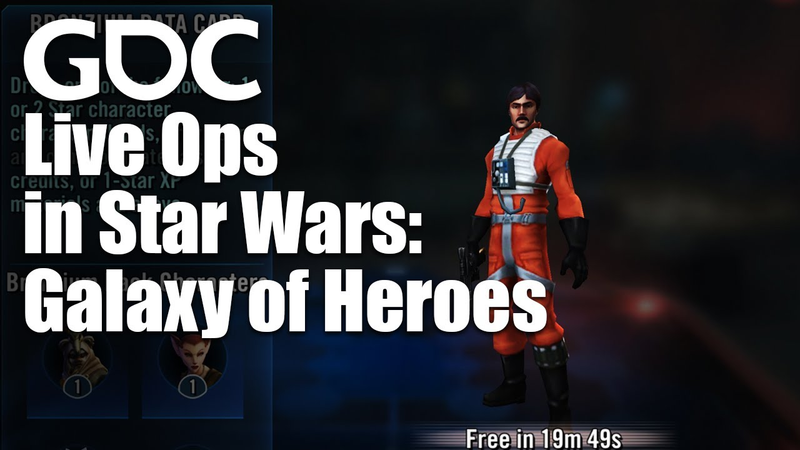
Live Ops in Star Wars: Galaxy of Heroes
The live operations strategy for Star Wars: Galaxy of Heroes centers on maintaining a durable, character-based economy within a mid-to-hardcore mobile RPG framework.
- The game maintains a durable economy by treating individual characters as the primary units of value, ensuring long-term player investments remain protected against power creep.
- To manage a roster of over 170 characters, the development team employs a 'nesting utility' strategy that creates specific faction-based synergies rather than relying on static power hierarchies.
- The ecosystem approach forces players to utilize their entire collection by revitalizing legacy characters, preventing new releases from rendering older units obsolete.

TWIG 121: BlizzCon 2021, Valheim Built By 5 Devs, Zynga Accelerates Growth, Rovio M&A Target
The gaming industry is currently defined by a tension between massive corporate consolidation and the surprising agility of small-scale development teams.
- Major industry players like EA are driving consolidation through large-scale acquisitions, exemplified by the $1.2 billion purchase of Codemasters.
- Large publishers face significant growth headwinds due to the post-IDFA environment and the technical challenges of scaling new titles while managing third-party data sharing risks.
- Blizzard Entertainment is experiencing internal development delays for major titles like Overwatch 2 and Diablo IV, forcing a reliance on legacy franchises such as the Diablo II remaster.
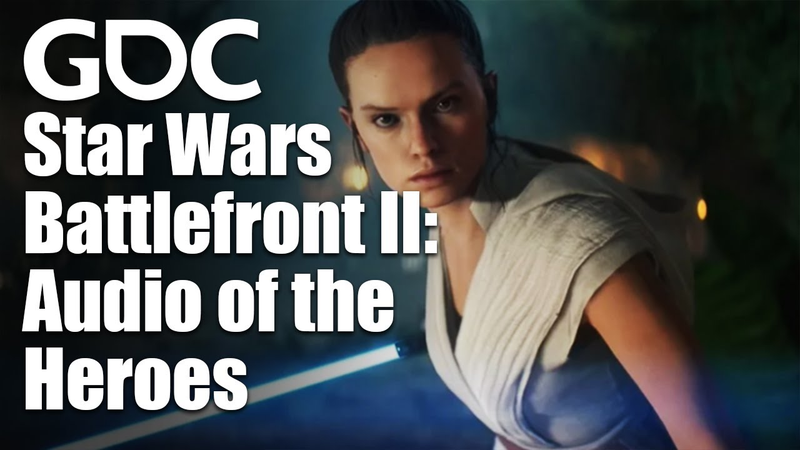
Behind the Audio of the Heroes of Star Wars Battlefront II
The audio design for Star Wars Battlefront II centers on the objective of creating an immersive, authentic soundscape that bridges multiple eras of the franchise.
- The audio team managed a roster more than twice the size of the previous game by implementing a modular sound patch configuration system.
- To prevent listener fatigue and maintain variety, designers created between five and twenty-five unique variations for individual sound effects.
- The development team utilized a data-driven approach that shared environmental assets, such as debris and reflections, to streamline production and optimize performance.
Stadia and Cloud Gaming | Unchained Report
Stadia’s market entry and long-term viability as a cloud gaming platform face significant skepticism due to a lackluster content strategy and a poorly executed launch.
- Stadia’s long-term viability is threatened by a lack of exclusive, high-caliber first-party content that differentiates it from established console ecosystems.
- The platform currently lacks a 'killer app' that leverages unique cloud-native features, such as deep YouTube integration, to justify its existence as a fourth console competitor.
- Stadia’s library is perceived as weak because it relies heavily on older, previously played titles rather than the deep, established catalogs offered by competitors like Microsoft and Sony.
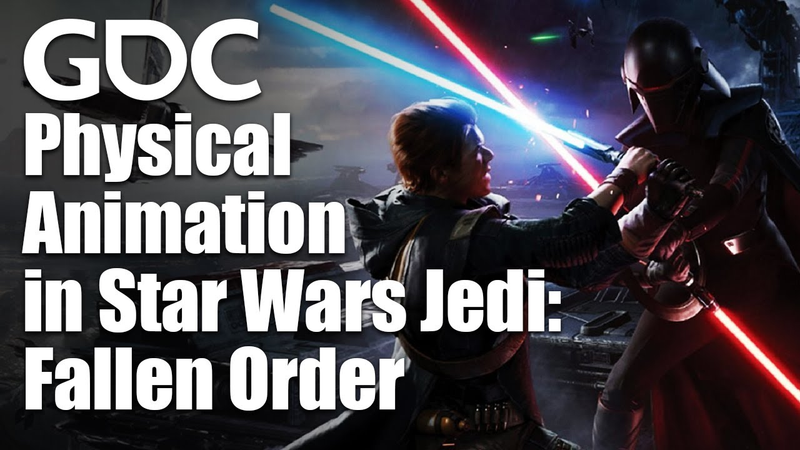
Physical Animation in Star Wars Jedi: Fallen Order
Star Wars Jedi: Fallen Order integrates physical animation to bridge the gap between authored character poses and dynamic physics simulations.
- Star Wars Jedi: Fallen Order utilizes a hybrid animation system that blends authored poses with dynamic physics simulations to eliminate geometry clipping and improve movement fluidity.
- The system employs motors, velocity-based drives, and custom constraints to ensure characters maintain natural, physically grounded presence during complex actions.
- Combat interactions for NPCs, such as force-pulls and death sequences, use intelligent transitions to freefall ragdoll states when obstacles are detected.
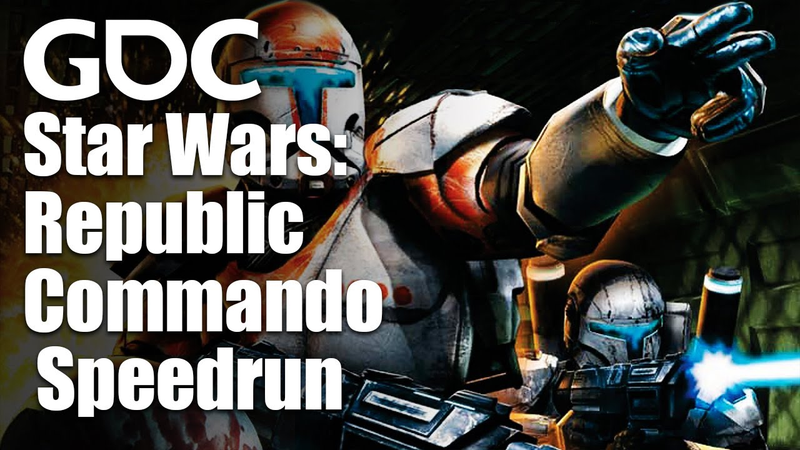
GDC Summer Dev Speedrun - Star Wars: Republic Commando With Harley Baldwin
The development of Star Wars: Republic Commando, released in 2005, serves as a case study in balancing ambitious squad-based mechanics with the severe hardware constraints of the original Xbox.
- To address player feedback that the game did not feel like a squad-based experience, the development team implemented a simple code change that defaulted the squad to 'search and destroy' behavior whenever the player entered a new area, ensuring the AI remained visible and active.
- Technical limitations in Unreal Engine 2 and the hardware of the era forced level designers to use short hallways to connect large arenas, as the engine struggled to render expansive environments alongside the necessary connective geometry.
- Early prototypes for vehicle-based or moving-platform gameplay were abandoned because the physics simulation costs were prohibitively expensive for the hardware available at the time of development.
ILMxLAB: Pioneering Immersive Entertainment
Immersive entertainment is undergoing a fundamental transformation, moving away from isolated virtual reality experiences toward a model of persistent, interconnected digital worlds.
- Location-based VR experiences can serve as a primary retail anchor, as evidenced by a Westfield London location where 71.6% of visitors reported the VR attraction was their sole reason for visiting the mall.
- The future of immersive entertainment lies in a multi-platform ecosystem where a single identity and narrative persist across devices, ranging from mobile AR and tablet-based crafting to console gaming and full-immersion VR.
- Hyper-reality experiences like 'The Void' successfully leverage untethered headsets, motion capture, and multi-user networking to create social environments where strangers often leave feeling like close friends.
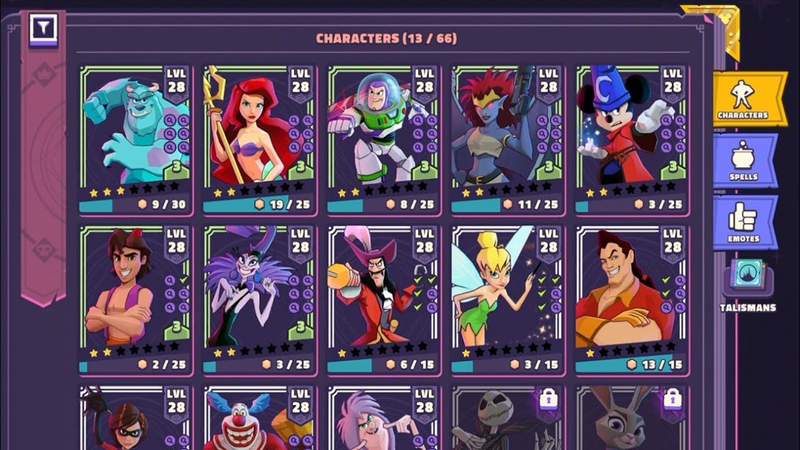
How does DISNEY SORCERER'S ARENA retain, engage and monetize?
Disney Sorcerer’s Arena, a squad-based turn-based RPG developed by Glu Mobile, utilizes a complex, multi-layered monetization and engagement model built upon the broad appeal of the Disney and Pixar intellectual property.
- Disney Sorcerer’s Arena utilizes a shard-based collection system for Disney and Pixar characters, mirroring the core mechanics of Star Wars: Galaxy of Heroes.
- Monetization is driven by an aggressive, multi-layered economy featuring randomized loot boxes, specialized stores, and frequent pop-up offers designed to accelerate player progression.
- The game employs a tiered battle pass system called the 'Pass Holder' season, which incentivizes monthly recurring spending through a premium 'Gold Pass' offering exclusive bonuses.
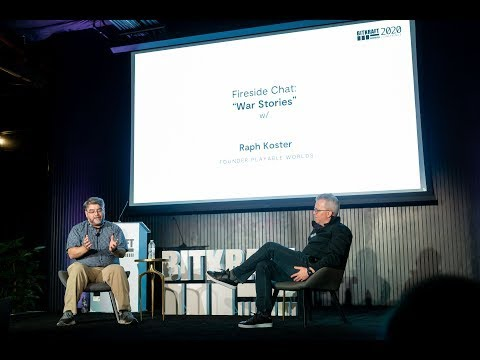
BITKRAFT Summit LA 2020 | Fireside Chat with Raph Koster hosted by General Partner Scott Rupp
The integration of major intellectual properties into game development presents a complex trade-off between market reach and creative autonomy.
- Prioritize evergreen content, such as procedural or user-generated systems, over expensive, rapidly consumed narrative arcs to ensure long-term market sustainability.
- Licensed intellectual properties can double a project's initial user base, but the resulting rigid approval processes and design constraints often compromise long-term player retention and gameplay quality, as evidenced by Star Wars Galaxies.
- Tech giants frequently struggle to enter the gaming sector because their data-centric, algorithmic methodologies are fundamentally incompatible with the nuanced, creative requirements of interactive entertainment.
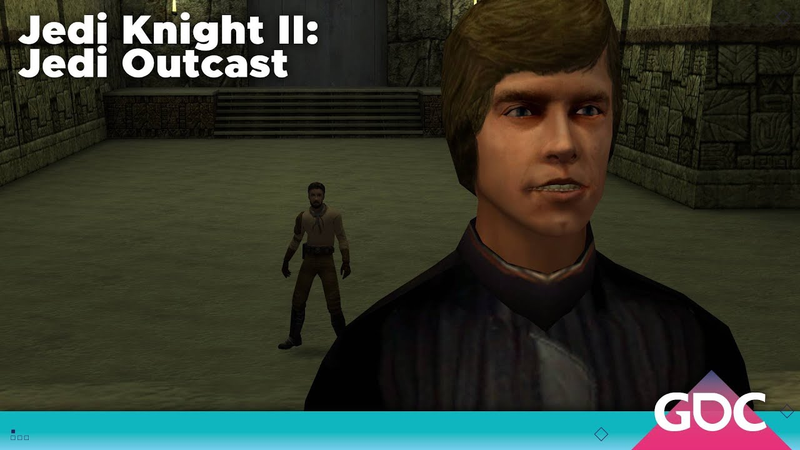
GDC Plays Jedi Knight II: Jedi Outcast with Raven Software
The development of Jedi Knight II: Jedi Outcast represents a pivotal moment in early 2000s action gaming, characterized by a transition from traditional first-person shooters to hybrid combat experiences.
- Raven Software developed Jedi Knight II: Jedi Outcast by hybridizing first-person shooter mechanics with third-person combat systems inspired by Heretic II and Bushido Blade.
- The development team utilized the technical foundation of Star Trek: Voyager – Elite Force to build the game, leveraging proprietary tools like GTK Radiant to manage hardware limitations.
- To ensure performance on early 2000s hardware, the team implemented rigorous asset optimization, level segmentation, and memory-efficient solutions like procedural facial animations driven by audio volume.
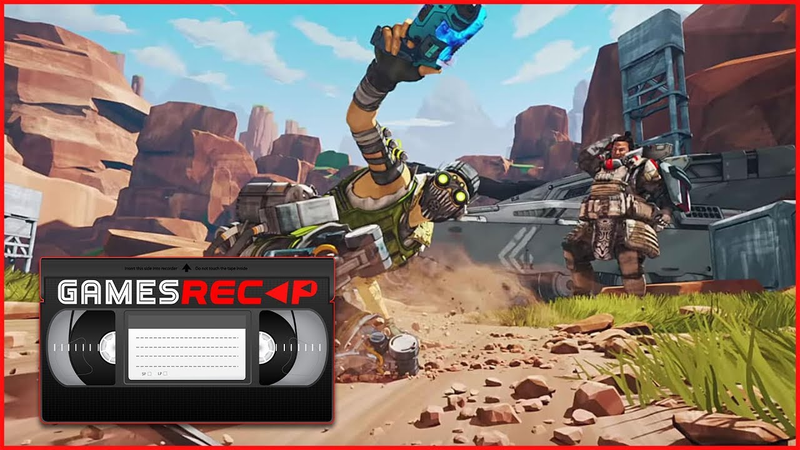
Apex Update | Games ReCAP Episode 018
The modern gaming landscape is defined by the transition toward games-as-a-service models, where titles like Apex Legends and Fortnite utilize persistent, evolving maps to sustain long-term player engagement.
- The transition to games-as-a-service models, exemplified by Apex Legends and Fortnite, requires persistent map updates to sustain engagement but risks employee burnout and competitive imbalance.
- Developers can mitigate the pressures of constant content cycles by implementing multi-team rotation models and establishing satellite studios in major industry hubs to improve talent retention.
- Marketing strategies have shifted from traditional media to influencer-led promotion, though this approach carries risks of unsustainable development and deceptive industry practices if not balanced with stable, player-focused builds.
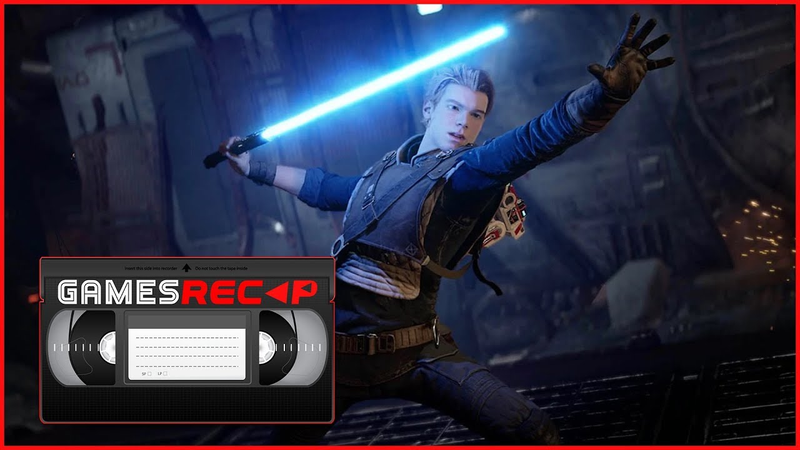
Jedi Fallen Order Not So Bad | Games ReCAP Episode 006
Star Wars Jedi: Fallen Order suffers from a fundamental disconnect between its source material and its execution.
- The gaming industry is shifting away from traditional annual sequel models, such as those seen in Call of Duty, toward persistent games-as-a-service models that prioritize long-term evolution and player mastery.
- Star Wars Jedi: Fallen Order is criticized for a disconnect between its source material and gameplay, specifically failing to capture the tension of lightsaber combat through its reliance on arcade-style mechanics.
- High-quality single-player titles like Elden Ring and God of War remain industry pillars, demonstrating that strong brand reputation is a primary driver of commercial success.
Companies behind it

As the documents state it.