Marvel's Wolverine
Game
Documents about Marvel's Wolverine
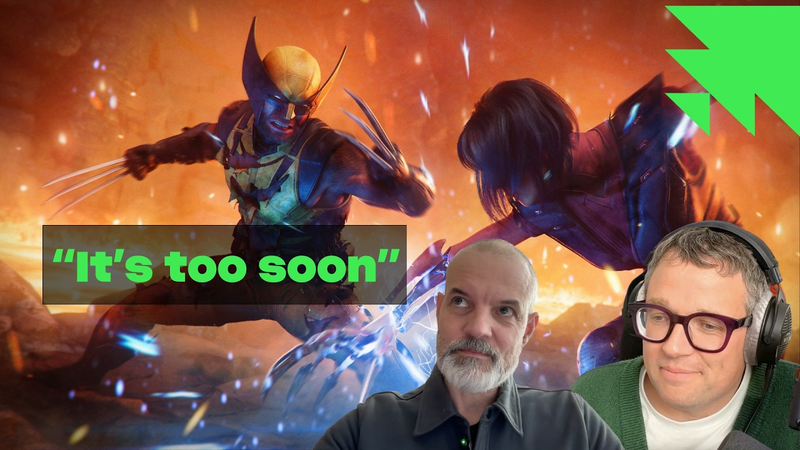
35% of Marvel's Wolverine sales were physical, as Zelda reveal boosts Switch 2
The global gaming industry is currently navigating a complex transition characterized by market consolidation, shifting distribution models, and an evolving demographic landscape.
- The top ten gaming companies are projected to control two-thirds of all publishing revenue by 2030, reflecting a trend of significant market consolidation.
- Physical media remains resilient despite digital-first trends, with 35% of Marvel's Wolverine sales occurring through physical channels, driven by collector demand for major intellectual property.
- Platform holders such as Apple and Steam maintain dominant control over discovery and monetization, creating substantial barriers for independent and mid-market developers.

AI's insane PR machine, Zynga's failed Supercell deal & EU regulation | Week in Mobile Games podcast
The mobile gaming industry currently faces a period of significant regulatory pressure and strategic introspection.
- The European Consumer Protection Cooperation (CPC) has targeted major publishers including King, Supercell, Mojang, Activision Blizzard, and Ubisoft over concerns regarding in-game virtual currency practices.
- Proposed EU Kids Act regulations threaten common mobile engagement mechanics, specifically targeting daily login bonuses and activity streaks that may undermine a child's decision to stop playing.
- Mark Pincus revealed that Zynga considered a $400 million acquisition of Supercell in 2012, a move that would have significantly altered Zynga's trajectory during its struggle to transition from browser to mobile gaming.
Xbox and PlayStation Go Back To Their Old Ways?
The gaming industry is currently navigating a period of strategic retrenchment as hardware costs rise and the limitations of high-budget development models become increasingly apparent.
- The PC hardware market is facing a shift where rising component costs are challenging the platform's historical value proposition, potentially pushing users toward the secondhand market due to the modular nature of PCs compared to consoles.
- Console manufacturers are signaling a retreat from multiplatform strategies, with PlayStation prioritizing platform-exclusive titles like 'Wolverine' and 'Until Dawn 2' to incentivize hardware upgrades and prevent users from migrating to PC.
- Xbox faces a competitive disadvantage due to a lack of 'killer' exclusive franchises, leading to a reliance on multiplatform releases and cloud gaming, which may be cannibalizing traditional console hardware sales.
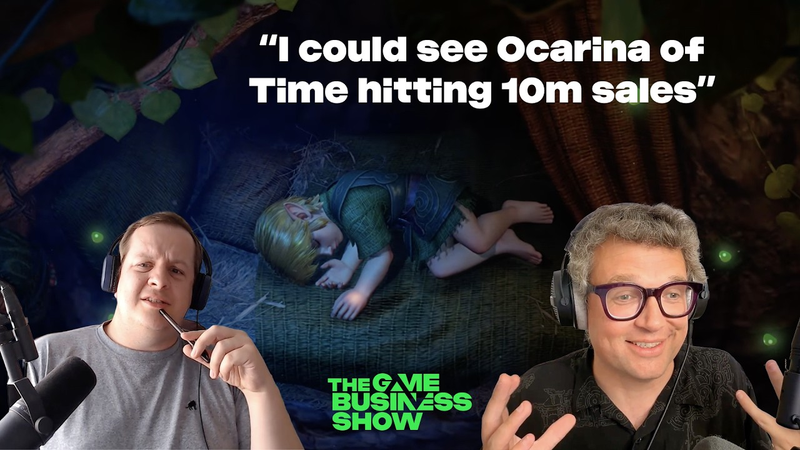
The Legend of Zelda: Ocarina of Time remake is the most anticipated game of 2026 (that isn’t GTA)
The 2026 gaming landscape is defined by a tension between the enduring appeal of legacy intellectual property and the evolving expectations of modern players.
- The remake of The Legend of Zelda: Ocarina of Time is the most anticipated non-GTA title of 2026, with projected sales of approximately 10 million units.
- The industry is experiencing structural instability, evidenced by inconsistent financial performance where some publishers report growth while others face year-over-year declines and workforce reductions.
- Long-term engagement remains a viable commercial strategy, highlighted by Human: Fall Flat reaching 60 million units sold a decade after its initial release.
Why Grand Theft Auto VI Is Scaring Off Other Games
The upcoming release of Grand Theft Auto VI, scheduled for November 19, 2026, is exerting significant pressure on the broader video game industry, forcing publishers to adjust their release calendars to avoid direct competition.
- Grand Theft Auto VI is scheduled for release on November 19, 2026, forcing other publishers to shift their launch windows to September 2026 or the first quarter of 2027 to avoid direct competition.
- Market research shows that 63% of U.S. gamers purchase two or fewer games annually, creating a high-stakes environment where GTA VI is expected to capture the majority of consumer discretionary spending.
- Publishers are avoiding the November 2026 launch window to prevent their titles from being overshadowed by the massive media coverage and promotional dominance expected for GTA VI.

The Big Xbox Matthew Ball Interview: “The console market is not dying”
The console gaming market remains a robust and durable sector, currently valued between $40 billion and $45 billion.
- The console gaming market remains a robust sector valued between $40 billion and $45 billion, showing continued growth in global player counts and engagement hours.
- A supply chain crisis has caused a 30% to 40% undersupply of critical memory components, forcing the industry to navigate significant hardware production headwinds.
- Xbox is adopting a dual strategy that balances exclusive titles to build brand identity with multi-platform support for major live-service franchises like Call of Duty.

What will be the biggest video games of 2026 (not called Grand Theft Auto 6)
The video game industry faces a period of significant transition as it approaches 2026, characterized by stagnant growth in the United States market and shifting consumer spending habits.
- The video game industry is experiencing stagnant growth in the U.S. market, driven by lower-income consumers reducing spending and shifting toward subscription services as a value-based alternative to full-priced games.
- Major hardware manufacturers, including Nintendo, Sony, and Valve, are facing financial instability due to rising component costs and ongoing supply chain constraints.
- Long-standing market dominance is eroding, as evidenced by the displacement of Call of Duty by competitors such as Battlefield and NBA 2K.
Companies behind it

As the documents state it.