Hearthstone
Documents about Hearthstone
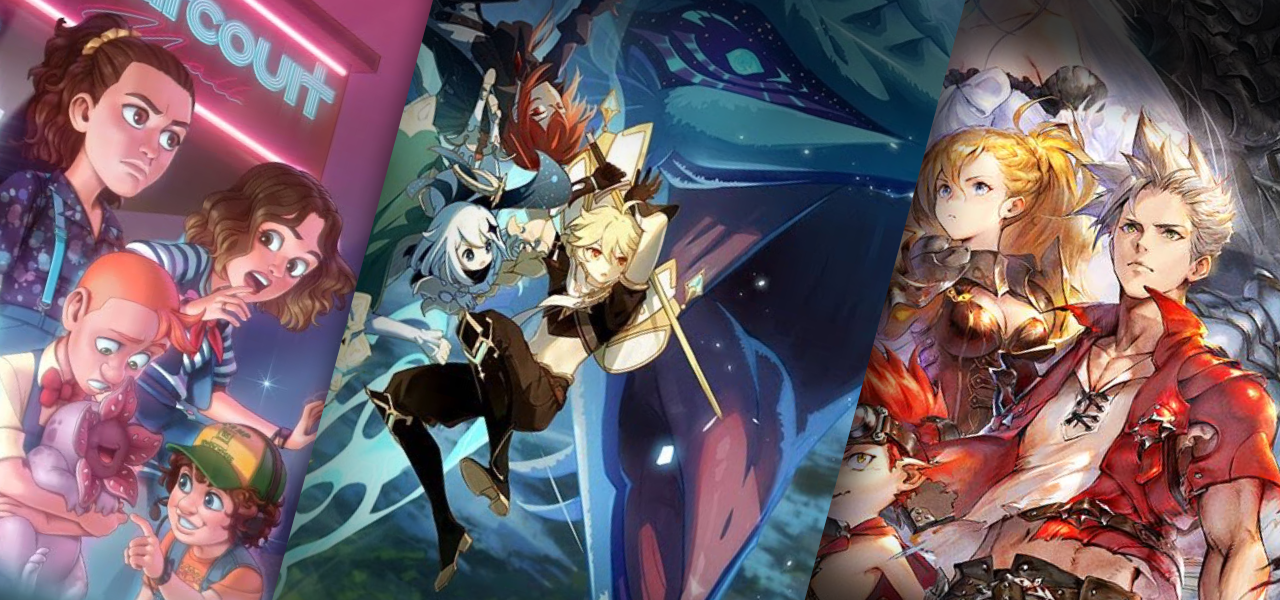
Analyst Bulletin: Mobile Game Market Review October 2020
The October 2020 mobile game market review provides a comparative analysis of industry trends across the United States, China, and Japan.
- Genshin Impact emerged as a major market disruptor in October 2020, securing a top 20 position in the US and consistently ranking in the top 5 in Japan, while also challenging the market dominance of Honor of Kings in China.
- Major mobile titles in the US, including Brawl Stars, Hearthstone, and Call of Duty Mobile, focused on expanding engagement through significant content additions like user-generated map tools, new PvP modes, and large-scale anniversary events.
- Collaboration events remained a primary strategy for driving engagement and monetization in Japan, with notable partnerships including Last Cloudia with Re:Zero, BladeX Lord with Seven Deadly Sins, and Monster Strike with Attack on Titan.

Video Game Cannibalization: What the Experts Get Wrong
The prevailing industry belief that launching new titles within an existing portfolio inevitably cannibalizes the revenue of established hits is often flawed and lacks necessary situational context.
- Industry experts often incorrectly assume that new games using existing IP or lower monetization models will automatically cannibalize the revenue of a studio's successful flagship titles.
- Cannibalization analysis must distinguish between short-term revenue shifts and long-term portfolio sustainability, such as player retention, brand expansion, and blocking competitors.
- Historical data suggests Clash Royale did not cause a net negative impact on Clash of Clans revenue, as the latter was already in decline due to external competition and market shifts prior to the 2016 launch.
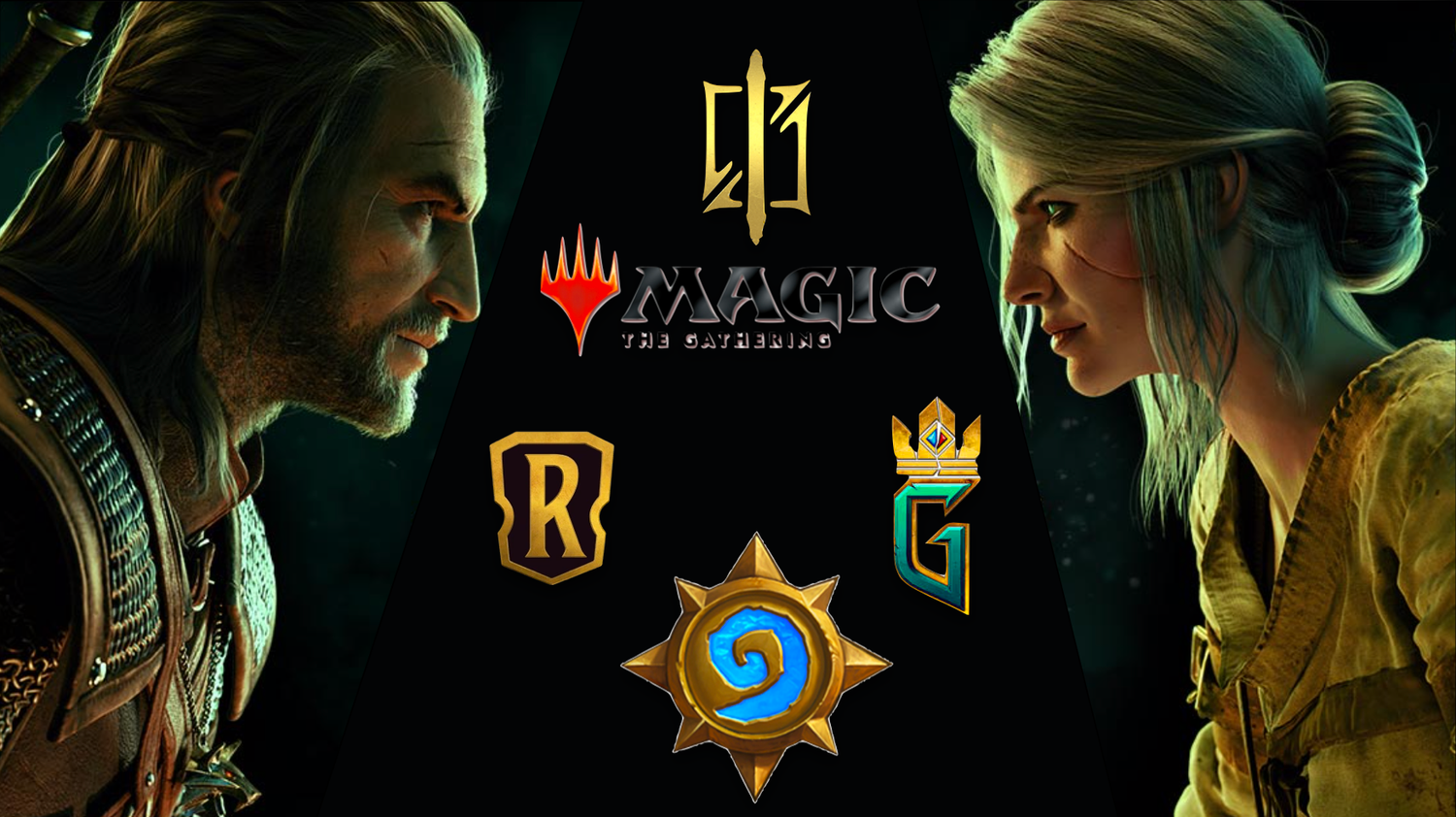
Newcomers Will Reimagine Card Battlers: 2020 Predictions
The card battler genre experienced a significant downturn in 2019, with Western market revenues declining by 23%.
- The Western card battler market declined by 23% in 2019, primarily driven by a 32% revenue drop in the category leader, Hearthstone.
- Yu-Gi-Oh! Duel Links has surpassed Hearthstone to become the highest-grossing mobile card game in the United States.
- Hearthstone’s revenue decline is attributed to poor monetization of new content, high player churn due to balance issues, and a lack of effective live operations or social features.
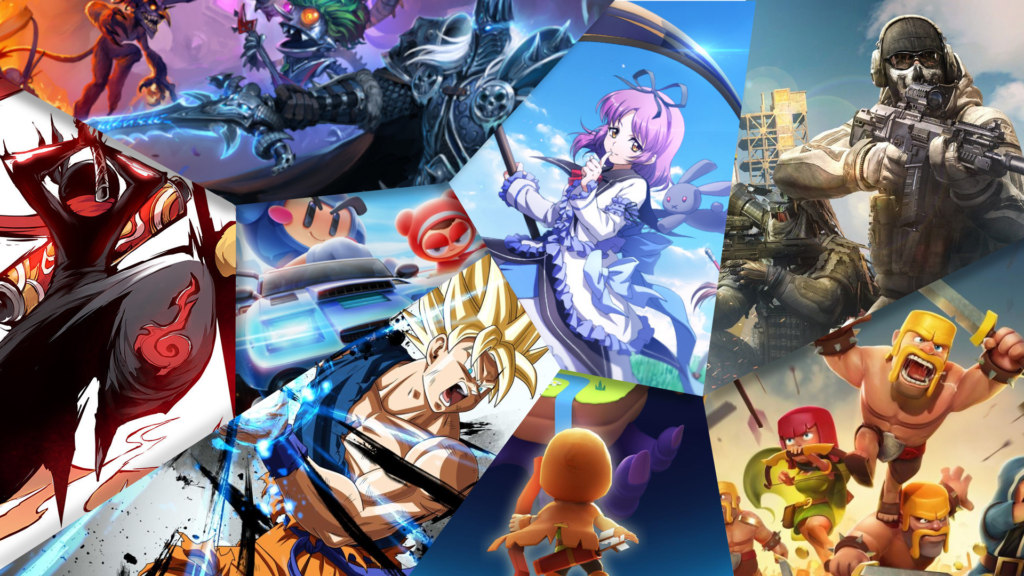
Our Analysts' Picks for Best Mobile Games of 2019
The mobile gaming landscape in 2019 was defined by the widespread adoption of battle pass monetization, the integration of midcore features into casual titles, and the successful migration of major console intellectual properties to mobile platforms.
- The 'Battle Pass' model emerged as a dominant industry trend in 2019, with Clash of Clans successfully implementing 'Season Challenges' to drive significant engagement and revenue growth.
- Call of Duty: Mobile was the standout new release of 2019, achieving record-breaking launch performance with over 100 million downloads in its first week.
- Black Desert Mobile successfully bridged the gap for Western audiences by adapting the MMORPG genre with streamlined UI and combat mechanics, maintaining a top 200 grossing rank since its December 2019 launch.
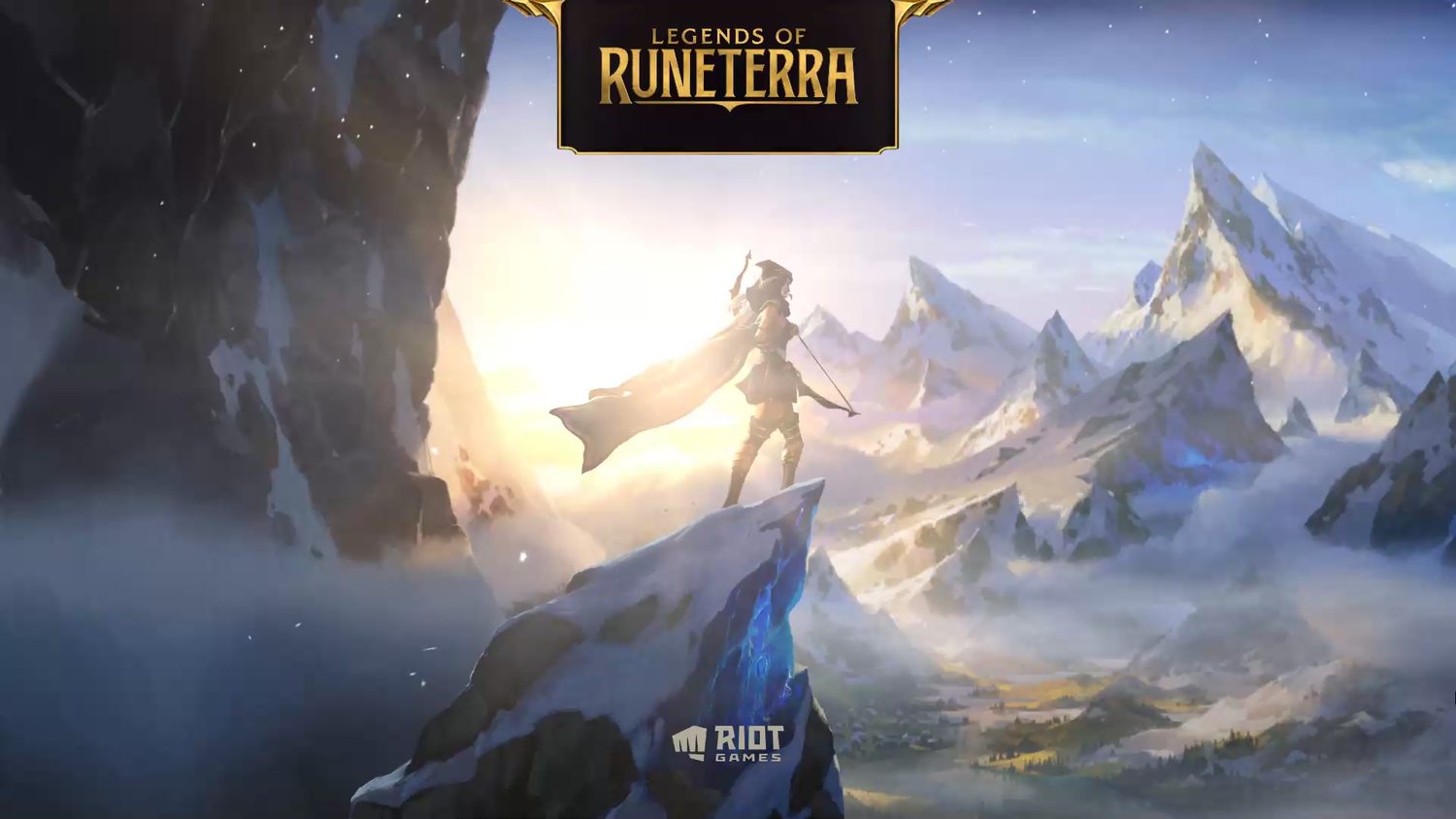
Riot's Runeterra Challenges Blizzard's Hearthstone: Cross-Platform Card Battle Supremacy
Legends of Runeterra enters the digital collectible card game market as a direct challenger to Hearthstone, seeking to disrupt the genre by prioritizing skill-based mechanics over the traditional reliance on randomness.
- Riot Games is launching Legends of Runeterra with a restrictive monetization model that caps weekly content acquisition at 18 cards, including a maximum of three champion cards, costing approximately $13 per week.
- The game features a 40-card deck limit with a maximum of six champions per deck, diverging from Hearthstone’s 30-card deck structure and different rarity-based card limits.
- Riot aims to combat metagame stagnation and high costs common in the genre by limiting card purchasing, reducing in-game randomness, and committing to frequent balance updates.

The Games Industry's China Syndrome
The analysis examines the growing tension between the global expansion of the video game industry and the geopolitical realities of operating within the Chinese market.
- The 2019 suspension of Hearthstone player Ng 'blitzchung' Wai Chung by Activision Blizzard exemplifies the conflict between Western corporate values of free expression and the economic necessity of maintaining favor with Chinese regulators and partners like Tencent.
- China represents a critical market for the gaming industry, evidenced by the fact that approximately half of the global World of Warcraft player base resides within the country.
- The gaming industry is experiencing a maturation phase similar to Hollywood and the NBA, where companies can no longer maintain political neutrality while operating in polarized geopolitical environments.
Publishers Playing Politics
This analysis examines the intersection of corporate interests and political expression within the global video game industry, focusing on the 2019 controversy involving Activision Blizzard and the Hong Kong protests.
- Major video game publishers face a growing conflict between upholding Western democratic values and maintaining access to the lucrative, protectionist Chinese market.
- Activision Blizzard’s 2019 decision to ban professional player Ng 'blitzchung' Wai Chung for supporting Hong Kong protests highlights the prioritization of Chinese market stability over Western workforce and consumer values.
- Approximately 50% of the World of Warcraft player base resides in China, creating a significant financial dependency that influences corporate decision-making.
2019 Predictions: The Magical Storm Gathers Around Card Battlers
The mobile card battler market experienced a period of stagnation in 2018, characterized by a 46% year-over-year decline in downloads and a 4% decrease in revenue.
- Hearthstone currently dominates the mobile card battler market with a 35% share of downloads and a 46% share of revenue.
- Magic: The Gathering (MTG) Arena is positioned to challenge Hearthstone's market leadership in 2019, supported by a $10 million eSports prize pool that is 2.5 times larger than Hearthstone's.
- Hearthstone's daily Twitch viewership has declined by 50% since Q1 2017, falling from approximately 50,000 to 25,000 viewers due to infrequent content updates and meta-game stagnation.

Mobile vs. Desktop UI: Key Differences in Design
The primary objective is to provide developers with a strategic framework for adapting game user interfaces (UI) across mobile, desktop, and console platforms.
- Mobile UI design requires strict prioritization of essential elements due to limited screen real estate, whereas desktop interfaces can accommodate more complex menus and HUDs without obstructing gameplay.
- Mobile games are typically limited to three primary control inputs, compared to the 16+ inputs available on consoles and the vast, flexible capacity of PC keyboards and mice.
- Developers can improve mobile usability by allowing players to customize button placement, a strategy successfully employed by Fortnite to balance the playing field across devices.
Board Game Design Day: Balancing Mechanics for Your Card Game's Unique Power Curve
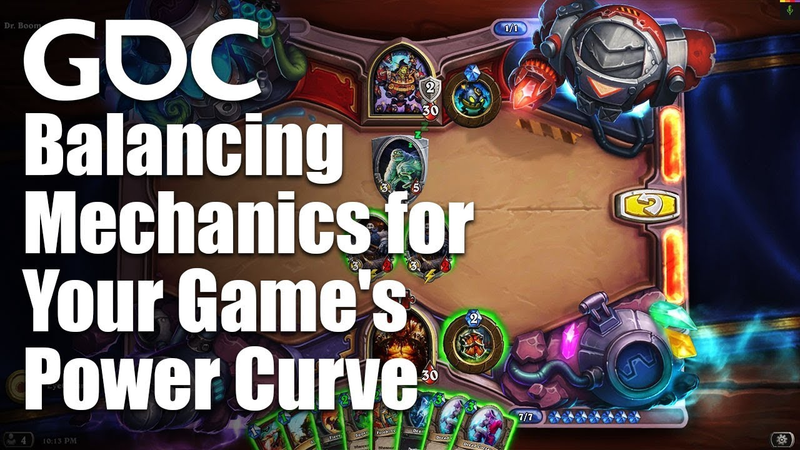
Effective card game design relies on the strategic calibration of power curves, which are inherently non-linear due to the trade-offs between card cost, flexibility, and the risk of game termination.
- The power of a card is defined by its ratio of utility to cost, where higher-cost cards must provide significantly greater impact to justify the lack of flexibility and the difficulty of playing them late in a game.
- Games with automatic resource generation, like Hearthstone, require lower power ceilings for high-cost cards because players are guaranteed to reach those mana thresholds, whereas games like Magic: The Gathering must offer massive power payoffs to incentivize players to reach higher costs.
- Granularity in resource systems—such as Magic's ability to use color-specific mana or decimal-like cost adjustments—provides designers with more balancing 'knobs' compared to systems with rigid, chunky cost structures like Pokémon.
Predictions for 2019
This analysis outlines a series of strategic shifts and economic challenges facing the global interactive entertainment industry in 2019.
- The industry faces an 'imminent winter' in 2019 characterized by market saturation, increased government regulation, and a slowdown in consumer spending.
- Cloud gaming will emerge as a major frontier driven by infrastructure giants including Amazon, Google, and Microsoft, effectively breaking down traditional walled gardens.
- Platform holders such as Sony and Apple are shifting toward subscription models to counter plateauing hardware sales and secure more predictable revenue streams.
The Price of Randomness - Balancing RNG - Extra Credits
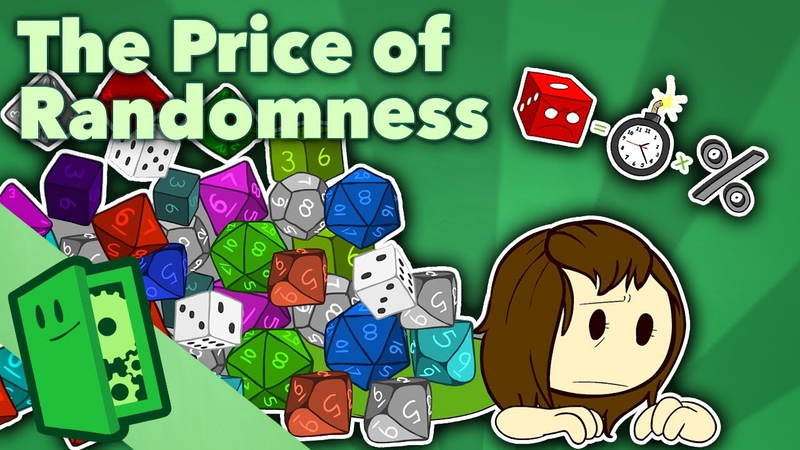
The design of random number generation (RNG) in video games requires a structured approach to balance strategic depth with player satisfaction.
- Portnow’s Postulate defines player frustration as the product of time lost and the probability of that loss occurring, serving as a diagnostic tool for balancing RNG.
- The 'true time cost' of a loss must account for cumulative progress, such as rank degradation or the time spent earning entry currency, rather than just the duration of a single match.
- In games like Hearthstone, a loss is effectively doubled in time cost because it negates the progress gained from a previous win, increasing the frustration threshold.