Half-Life: Alyx
Game
Documents about Half-Life: Alyx
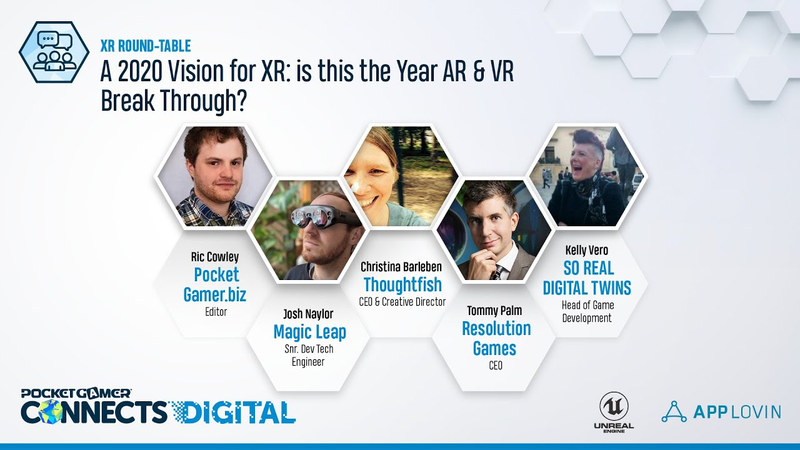
A 2020 Vision for XR: is this the Year AR & VR Break Through? | PGC Digital #1
The year 2019 marked a critical transition for extended reality, moving the industry away from low-end mobile VR toward high-quality, standalone hardware like the Oculus Quest.
- The industry is shifting from short-form mini-games toward deep, persistent, and social multiplayer experiences, which experts identify as the primary catalyst for mass adoption.
- The transition from low-end mobile VR to high-quality standalone hardware like the Oculus Quest has successfully expanded the user base beyond early adopters to include families and casual players.
- The COVID-19 pandemic has accelerated demand for immersive digital solutions in remote collaboration and cultural archiving, while driving record engagement for high-fidelity titles like Half-Life: Alyx.

CoVID 19 Updates, Magic Leap Scam, Stadia, VR, PS5, Valorant CS GO | Game Dev Unchained Episode 223
The global game industry is currently navigating a period of significant transition, characterized by the normalization of remote work environments and a critical re-evaluation of high-profile technological ventures.
- The industry is shifting away from speculative, hype-driven hardware models toward sustainable, content-led growth, as evidenced by Magic Leap’s failure to meet consumer expectations and its subsequent pivot to enterprise applications.
- High-quality, first-party exclusive content is now the primary driver for platform adoption, superseding artificial marketing hype in securing long-term consumer engagement.
- Virtual reality is reaching a maturation point, with titles like Half-Life: Alyx successfully driving hardware adoption for platforms such as the Valve Index and Oculus Quest.

WFH Orders, Magic Leap Selling, Naughty Dog Crunches, Gamestop | Game Dev Unchained Episode 219
The global pandemic served as a catalyst for a forced, rapid transition to remote work, exposing significant infrastructure vulnerabilities within major AAA studios.
- The gaming industry is transitioning toward a service-oriented model, yet remains hindered by traditional development habits that prioritize short-term output over long-term workforce sustainability.
- Systemic crunch culture at high-profile studios like Naughty Dog persists because commercial success and critical acclaim are used to justify unsustainable labor practices.
- The rapid shift to remote work during the pandemic exposed significant infrastructure vulnerabilities in AAA studios, specifically regarding VPN security and hardware shortages.
Crunch Culture, Google Stadia, Over Saturation of Games, and Virtual Reality | Roundtable News
The game industry currently faces a complex intersection of labor challenges, shifting distribution models, and evolving hardware paradigms.
- Crunch culture remains a systemic industry issue driven by poor management and scope creep, despite reports of marginal reductions in excessive work hours.
- Cloud gaming services that leverage existing user libraries, such as Nvidia GeForce Now, are better positioned for success than platforms like Google Stadia, which struggle due to restrictive pricing and a lack of exclusive content.
- Market saturation on digital storefronts like Steam requires independent studios to prioritize distinct brand identities and high-quality experiences over direct competition with AAA titles to remain viable.

In the Valley of Gods Canceled?! | Games ReCAP
The development of In the Valley of Gods, the highly anticipated project from the former Campo Santo team, has been officially placed on indefinite hold following the studio's acquisition by Valve.
- The development of Campo Santo’s 'In the Valley of Gods' has been placed on indefinite hold following the studio's acquisition by Valve.
- Former Campo Santo staff have been reassigned to internal Valve projects, including 'Half-Life: Alyx', 'Dota Underlords', and Steam platform development.
- The project's original creative momentum has been dismantled due to the departure of key personnel, including contract writers who held significant institutional knowledge.

Half Life: Alyx VR's Killer App? | Games ReCAP
The announcement of Half-Life: Alyx marks a significant strategic pivot for Valve, signaling a return to high-budget, flagship game development.
- Valve is utilizing Half-Life: Alyx as a strategic flagship title to drive hardware adoption and establish VR as a viable platform for serious, core gaming experiences.
- The project serves as a major investment to revitalize the VR medium, which has historically struggled to maintain engagement beyond casual rhythm-based software.
- Valve’s dominant control over the Steam storefront provides the financial stability and creative autonomy required to absorb the high risks associated with premium VR development.
Companies behind it

As the documents state it.