Crossy Road
Game
13 documents in the library are about Crossy Road, from writers such as PocketGamer.biz, Mobile Dev Memo and Mobilegamer.biz. Each has a summary and key insights with the page they come from.
Connections
The documents about Crossy Road on the inner ring, the other games and companies they name on the outer one. Select a cover to see it up close and open it in a new tab; drag to move, pinch or Ctrl + scroll to zoom.
Key figures from the reports
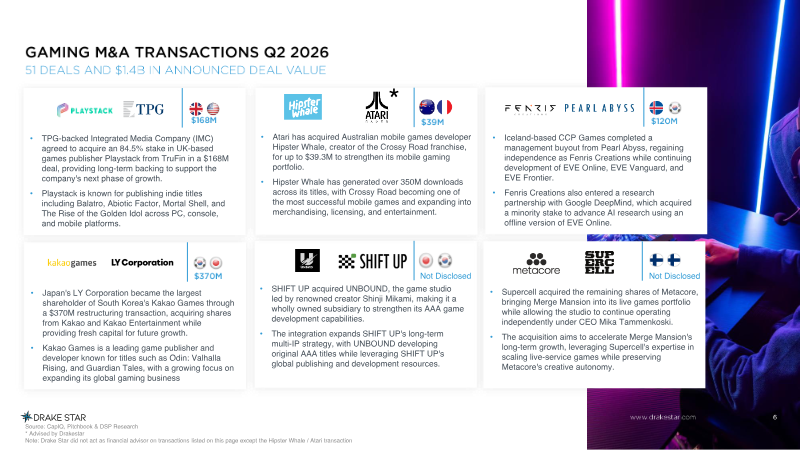
Atari acquired Hipster Whale, the developer of Crossy Road, for an initial $29.3 million, with an additional $10 million in earnouts over three years, as part of Atari's expansion into mobile game development for platforms like Netflix and Amazon.
Mobilegamer.biz, 2026 · Weekly Industry Briefing: Europe
Disney successfully captured market share with the launch of 'Disney Crossy Road,' which generated over 3.6 million U.S. installs and ranked as the second most-downloaded game across both platforms.
Sensor Tower, 2016 · Mobile Gaming Leaders: April 2016
Documents about Crossy Road

Oakever Games shenanigans, King and the Xbox cuts, Hipster Whale, One State, Monopoly Go, more
The mobile games industry is currently navigating a period of significant structural change, legal scrutiny, and strategic consolidation.
- Oakever Games is facing multiple copyright infringement lawsuits, including a loss to Hungry Studio regarding the game Qblock, amid allegations that the company systematically clones successful titles and uses aggressive user acquisition to drown out competitors.
- Xbox’s latest restructuring resulted in 268 job cuts across its first-party studios, though the mobile-focused King division appears largely unaffected, despite looming strike actions in its Stockholm and Malmo offices.
- Hipster Whale, following its acquisition by Atari for $29.3 million, has gained access to Atari’s deep IP archive and plans to develop modern takes on classic titles like Pong, Breakout, and Centipede for mobile.
Global Gaming Report: Q2 2026
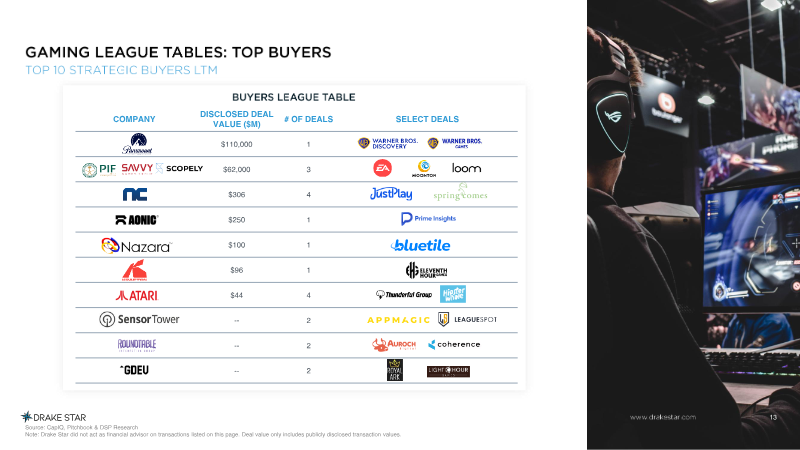
The global gaming industry experienced a period of financial divergence during the second quarter of 2026, characterized by robust private capital formation despite broader equity market volatility.
- Private gaming financing reached a one-year high in Q2 2026, with 96 deals generating over $2.5 billion in capital.
- Institutional investors committed over $2 billion to new gaming-focused funds, signaling sustained interest in indie projects and long-term content strategies.
- The gaming market showed significant divergence, as Western gaming stocks rose 4.8% while mobile gaming and Asian markets declined by 11.6% and 6.4% respectively.

Weekly Industry Briefing: Europe
This weekly industry briefing provides a comprehensive overview of significant developments within the mobile gaming sector as of early June 2026.
- Supercell, King, and Sybo executives have criticized new EU proposals, stating they could render free-to-play games "unplayable in Europe."
- Atari acquired Hipster Whale, the developer of Crossy Road, for an initial $29.3 million, with an additional $10 million in earnouts over three years, as part of Atari's expansion into mobile game development for platforms like Netflix and Amazon.
- Liftoff's IPO is back on, valuing the adtech firm at $3.83 billion after offering 19 million shares of common stock at $23 each, raising $437 million.
☠️ The end of original creatives: Creative Trends just got darker
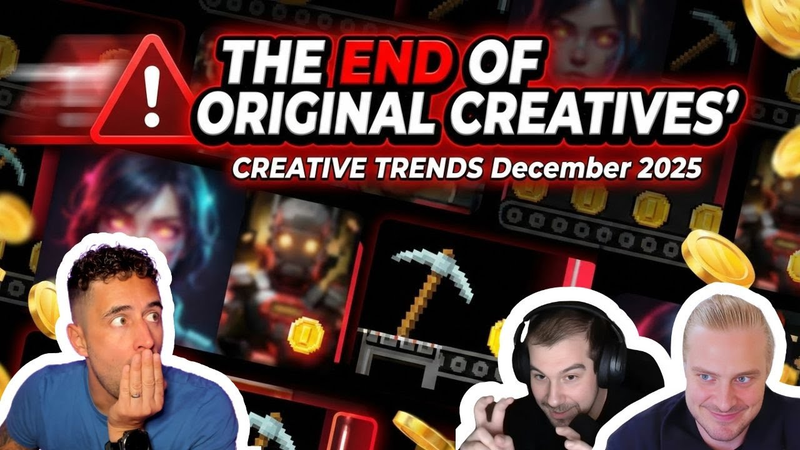
The mobile gaming industry is currently undergoing a fundamental shift toward a copy-first development strategy, prioritizing high-volume, replicable creative assets over original intellectual property.
- The mobile gaming industry is shifting toward a copy-first strategy that prioritizes high-volume, replicable creative assets over original intellectual property to maximize conversion metrics.
- Artificial intelligence is being leveraged to mass-produce deceptive creative content, significantly lowering production costs while enabling the rapid deployment of fabricated, high-drama scenarios.
- Publishers are increasingly utilizing 'fake ads' that feature unauthorized use of major global brands and misleading gameplay representations to drive user acquisition.
Start with a Game Jam
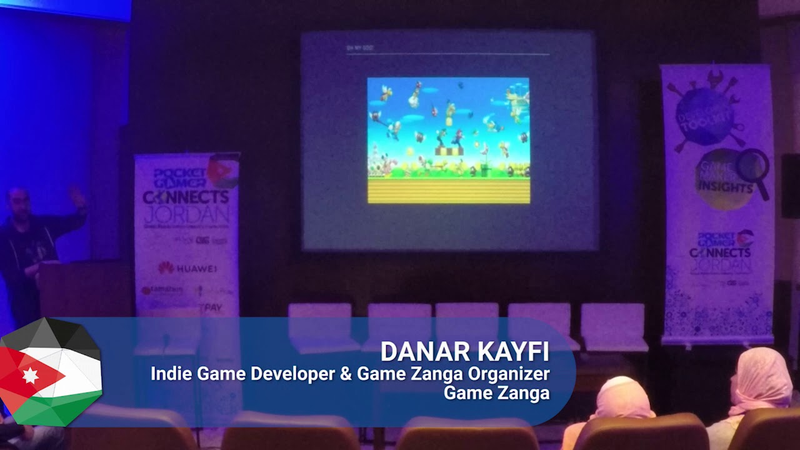
Game jams serve as a vital tool for both novice and experienced developers to compress the entire game development lifecycle—from concept and art to testing and publishing—into a condensed timeframe ranging from a few hours to several days.
- Game jams function as a high-efficiency testing ground for validating commercial game concepts and individual skill development within a compressed timeframe.
- To prevent scope creep and ensure project completion, developers should adhere to a 'one mechanic' rule and prioritize simplicity, as seen in successful titles like Thomas Was Alone and Crossy Road.
- Regional initiatives like Game Zanga demonstrate the scale of these events, with the ninth edition engaging over 350 participants across ten countries to produce more than 80 games.
Nonstop Knight: A Case Study in Mobile Ad Monetization
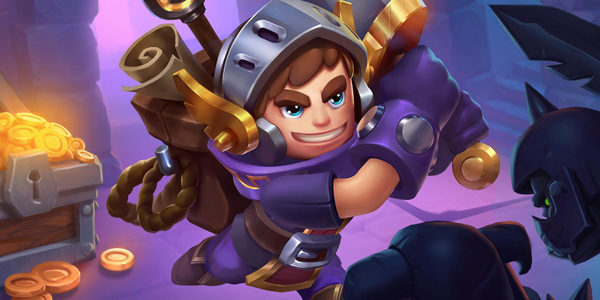
Nonstop Knight serves as a case study for integrating rewarded video advertisements as a core component of a mobile game’s economy rather than as an auxiliary revenue stream.
- Nonstop Knight successfully integrated rewarded video ads as a core component of its game economy, using a three-hour timer to pace player progression and incentivize ad engagement.
- The game achieved 2 million installs within four days of its June 2016 launch and reached 4 million downloads approximately one month later.
- Unlike traditional titles that treat ads as secondary, Nonstop Knight designed its progression loop around the availability of video ad rewards, which provide essential soft currency and gear upgrades.
Mobile Gaming Leaders: April 2016
This analysis examines the mobile gaming landscape for April 2016, focusing on download trends and top-performing titles across the U.S. App Store and Google Play.
- The indie title 'slither.io' dominated the mobile gaming market in April 2016, securing the No. 1 spot for downloads across both iOS and Google Play with over eight million total installs.
- Worldwide App Store game downloads grew 16.6 percent year-over-year in April 2016, rising from 502 million to 585 million, while U.S. downloads grew by 14.2 percent over the same period.
- Disney successfully captured market share with the launch of 'Disney Crossy Road,' which generated over 3.6 million U.S. installs and ranked as the second most-downloaded game across both platforms.

Monetizer: Hungry Shark World
Hungry Shark World, the fifth installment in the long-running franchise, demonstrates a strategic shift toward a more robust free-to-play meta-game layer.
- Hungry Shark World achieved 10 million downloads in its first week and reached the top 50 grossing charts on the US iOS App Store.
- The game employs a hybrid monetization model that combines direct in-app purchases for currency and items with rewarded video advertisements for features like shark revivals.
- A robust meta-game layer—consisting of shark evolution, statistical equipment, and gameplay-assisting pets—is used to drive both long-term retention and monetization.

FTUE: Apple TV
The Apple TV serves as a dedicated hardware platform for streaming media and gaming, positioning itself as a unified ecosystem that mirrors the existing iOS App Store experience.
- Apple TV gaming relies heavily on Apple-led curation for discoverability, as the platform lacks a robust search function and Siri’s voice search capabilities remain limited for games.
- The absence of an advertising ecosystem on Apple TV forces developers away from ad-supported free-to-play models, favoring a premium, paid-app pricing structure that is higher than mobile equivalents.
- While the device includes a compact remote with a trackpad, the platform supports third-party MFi-enabled controllers to accommodate complex gaming experiences and bridge the gap for demanding players.

Biz Daily: Will Apple TV be a core gaming device?
The introduction of the new Apple TV marks a strategic shift toward integrating the living room into the existing Apple ecosystem through the launch of tvOS and a dedicated App Store.
- Apple TV is positioned as a secondary streaming and application device rather than a direct competitor to core gaming consoles, with a retail price point between $150 and $200.
- The platform utilizes tvOS and a dedicated App Store to enable universal applications, allowing users to transition gameplay seamlessly between mobile devices and the television.
- Hardware limitations, specifically the lack of a dedicated gaming controller, restrict the device primarily to casual, family-oriented experiences rather than high-fidelity gaming.
Crossy Road: A Case Study in Mobile Ad Monetization
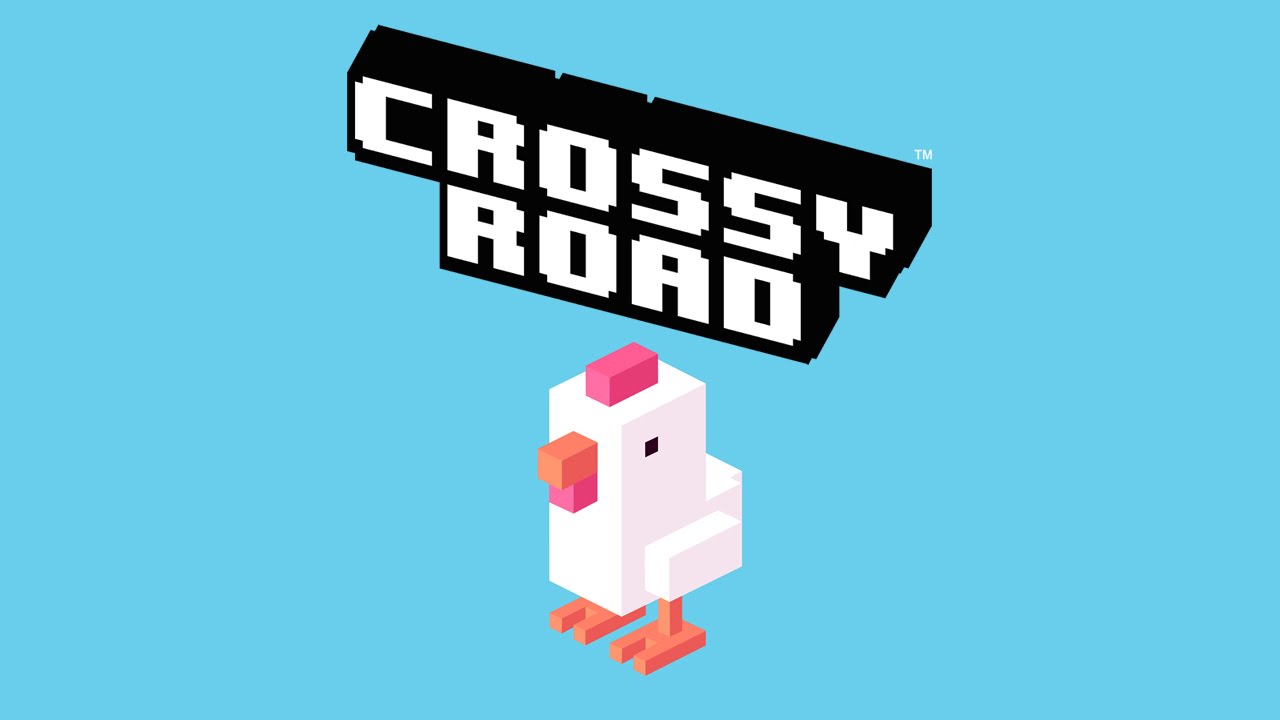
Crossy Road serves as a primary case study for the efficacy of light-handed, deferential monetization strategies within the mobile gaming industry.
- Crossy Road generated $10 million in gross revenue within its first 90 days of release, with $3 million of that total attributed specifically to video ad placements.
- The game achieved significant commercial success by intentionally avoiding aggressive monetization tactics, such as energy mechanics or time gates, which are standard in many free-to-play titles.
- Monetization relies on a light-handed approach where players can voluntarily watch video ads to earn in-game currency for unlocking new characters, rather than being forced to pay for progression.

How video is impacting the mobile games biz
The mobile gaming industry is undergoing a significant shift as video content becomes a primary driver for both monetization and user acquisition.
- As of late 2014, approximately one-third of all mobile games have integrated video advertising, marking a significant shift away from traditional banner ads.
- Incentivized video models, where players watch ads for in-game rewards, have proven highly effective for monetization, as demonstrated by Crossy Road generating $1 million through Unity’s video advertising system.
- Developers are increasingly shifting user acquisition budgets from traditional performance-based advertising to influencer marketing on YouTube to achieve lower-cost download spikes.
Companies behind it
As the documents state it.