Command & Conquer
Game
Documents about Command & Conquer
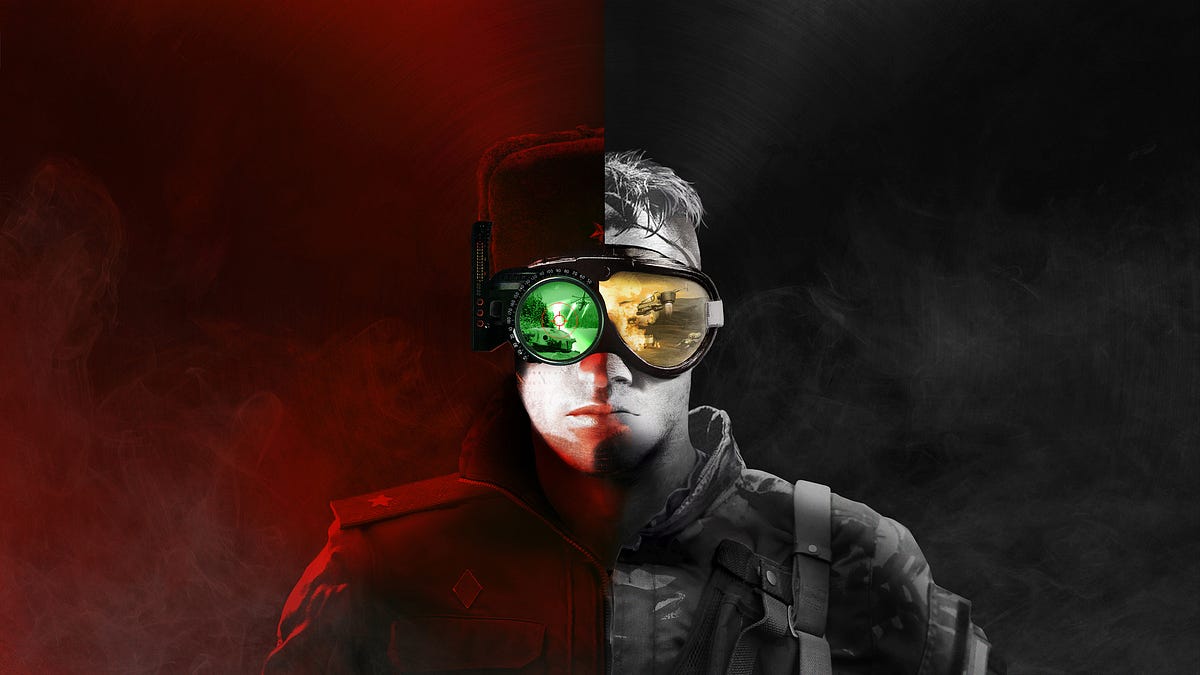
Exploring the AI of Command & Conquer
This analysis examines the artificial intelligence architecture of the original Command & Conquer (Tiberian Dawn) and Red Alert by reviewing the source code released alongside the 2020 Command & Conquer Remastered Collection.
- The original Command & Conquer and Red Alert source code, released alongside the 2020 Remastered Collection, reveals that both titles utilize a shared C++ architecture where unit behaviors and game logic are managed by a centralized AI() function.
- Unit movement relies on a lightweight 'Crash and Turn' algorithm rather than complex pathfinding, which calculates a straight-line path and only recalculates when an impassable obstacle is encountered to save CPU and memory.
- AI decision-making is heavily state-driven, utilizing Finite State Machines where units, buildings, and players are categorized into 'Houses' to determine available actions and rules.

EA Boss Laura Miele Recalls the Stories Behind Battlefield 6, Skate and More
Electronic Arts Enterprise President Laura Miele outlines a strategic shift in the company’s development philosophy, emphasizing the necessity of prioritizing core fan expectations when expanding franchises into new platforms or formats.
- EA's approach to game development was significantly influenced by negative fan reception to a Command & Conquer mobile game announced at E3 2018, leading them to prioritize core fan expectations for established IPs.
- Following the Command & Conquer mobile game backlash, EA greenlit remasters and open-source code for the franchise, and applied this lesson to subsequent releases like Battlefield 6 and the new free-to-play Skate, ensuring core experiences were delivered first.
- EA's Head of Studios, Laura Miele, directly responded to fan feedback in an E3 meeting, leading to the immediate greenlighting of fan-requested titles like Skate, EA Sports College Football, and Dead Space.

Weekly Industry Brief: Summer Game Fest and Market Updates
This weekly industry brief provides a comprehensive overview of the mobile gaming landscape as of June 12, 2026, highlighting significant shifts in corporate strategy, market trends, and viral success stories.
- A viral football drafting game, '38-0-0', developed overnight by an amateur using Claude AI, has become the number one iOS game in the UK, surpassing Fortnite.
- Supercell has ceased development on one of its US-based game projects, and staff departures suggest the other US-based project is also inactive.
- Supercell is in the process of fully acquiring Metacore, the maker of 'Merge Mansion', as part of a restructure that will result in 159 job cuts in Finland and the closure of Metacore's German and Swedish offices.
Plus: Backpack Battles Rides Its Demo to Steam Success
This analysis examines the performance of recent video game releases and provides a forecast for upcoming titles across major platforms, including Steam, PlayStation, Xbox, and Nintendo Switch.
- Helldivers 2 continues to dominate the market with estimated sales of 6 million units on Steam and 2.5 million units on PlayStation 5.
- Backpack Battles achieved over 11,000 concurrent users on Steam by utilizing a long-term free demo strategy to validate its inventory-management mechanics.
- Expeditions: A MudRunner Game debuted with 5,000 concurrent users, though it received mixed reviews due to its linear gameplay structure.
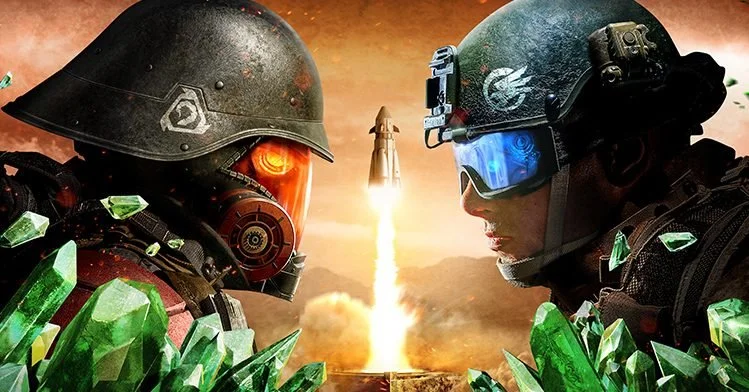
5 Reasons Why Command & Conquer Didn't Become a Rival on Mobile
Command & Conquer: Rivals failed to achieve significant market scale or challenge the dominance of Supercell’s Clash Royale due to fundamental design choices that prioritized methodical, cerebral strategy over the immediate gratification required for mobile success.
- Command & Conquer: Rivals failed to gain significant market share against the category leader, Clash Royale, despite a successful launch campaign that generated nearly 3 million installs in its first month.
- The game's core loop suffers from excessive micromanagement, as players must manually control unit movement and attacks rather than relying on autonomous behavior, which leads to tunnel vision and inefficient gameplay.
- The win condition—capturing missile platforms to destroy an opponent's base—feels less gratifying than direct combat and discourages the fast-paced, aggressive playstyles typical of successful mobile PvP titles.
Companies behind it

As the documents state it.