Westwood Studios
CompanyUnited States
5 documents in the library are about Westwood Studios, from writers such as The Game Business, AI and Games and Game Developers Conference. Each has a summary and key insights with the page they come from.
Connections
The documents about Westwood Studios on the inner ring, the other games and companies they name on the outer one. Select a cover to see it up close and open it in a new tab; drag to move, pinch or Ctrl + scroll to zoom.
On Steam
Steam estimates as of 9 Oct 2026. Revenue is premium revenue on Steam only: game sales, without DLC.
- Revenue as developer
- $150K
- 7 games
- Units sold
- 447K
- as publisher or developer
- Headquarters
- United States
Westwood Studios’s best-selling games on Steam
| Game | Released | Share of the best seller | Revenue | Units |
|---|---|---|---|---|
| Blade Runner: Enhanced EditionDeveloper | 2022 | $131K | 20K | |
| Disney's The Lion KingDeveloper | 2017 | $19K | 3,803 | |
| Command & Conquer: Red Alert™ 2 and Yuri’s Revenge™Developer | 2024 | — | 330K | |
| Command & Conquer™ Tiberian Sun™ and Firestorm™Developer | 2024 | — | 40K | |
| Command & Conquer™: RenegadeDeveloper | 2024 | — | 27K | |
| Command & Conquer™ and The Covert Operations™Developer | 2024 | — | 14K | |
| Command & Conquer: Red Alert™, Counterstrike™ and The Aftermath™Developer | 2024 | — | 13K |
Documents about Westwood Studios
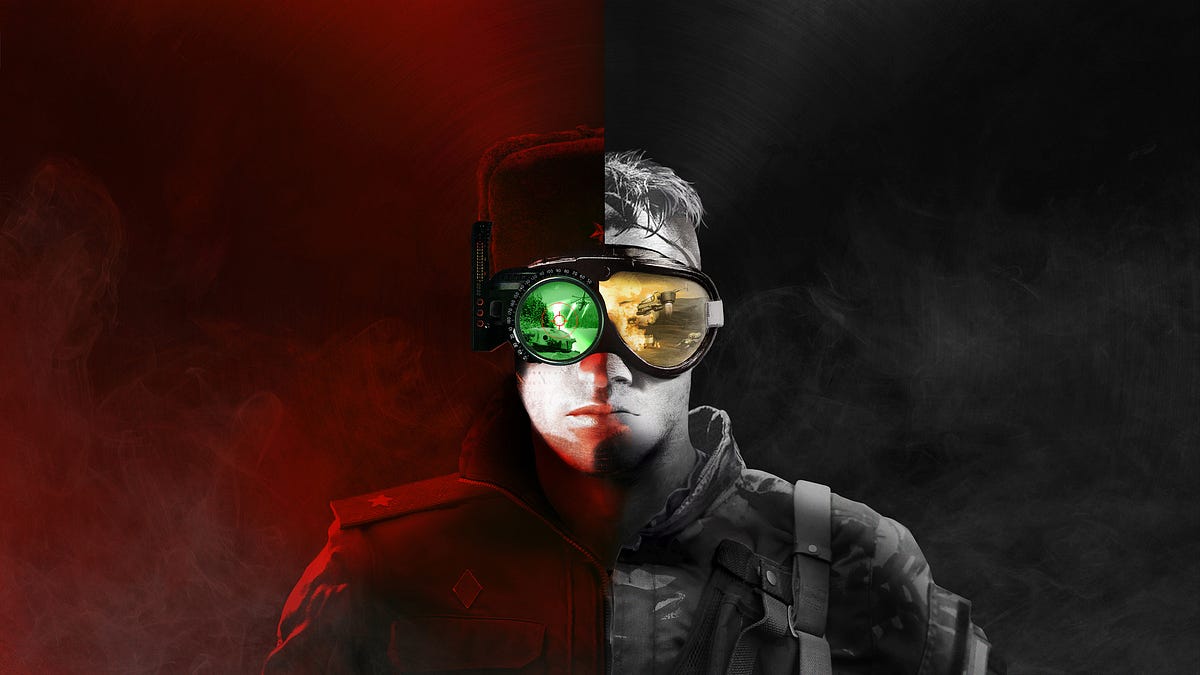
Exploring the AI of Command & Conquer
This analysis examines the artificial intelligence architecture of the original Command & Conquer (Tiberian Dawn) and Red Alert by reviewing the source code released alongside the 2020 Command & Conquer Remastered Collection.
- The original Command & Conquer and Red Alert source code, released alongside the 2020 Remastered Collection, reveals that both titles utilize a shared C++ architecture where unit behaviors and game logic are managed by a centralized AI() function.
- Unit movement relies on a lightweight 'Crash and Turn' algorithm rather than complex pathfinding, which calculates a straight-line path and only recalculates when an impassable obstacle is encountered to save CPU and memory.
- AI decision-making is heavily state-driven, utilizing Finite State Machines where units, buildings, and players are categorized into 'Houses' to determine available actions and rules.

EA Boss Laura Miele Recalls the Stories Behind Battlefield 6, Skate and More
Electronic Arts Enterprise President Laura Miele outlines a strategic shift in the company’s development philosophy, emphasizing the necessity of prioritizing core fan expectations when expanding franchises into new platforms or formats.
- EA's approach to game development was significantly influenced by negative fan reception to a Command & Conquer mobile game announced at E3 2018, leading them to prioritize core fan expectations for established IPs.
- Following the Command & Conquer mobile game backlash, EA greenlit remasters and open-source code for the franchise, and applied this lesson to subsequent releases like Battlefield 6 and the new free-to-play Skate, ensuring core experiences were delivered first.
- EA's Head of Studios, Laura Miele, directly responded to fan feedback in an E3 meeting, leading to the immediate greenlighting of fan-requested titles like Skate, EA Sports College Football, and Dead Space.

EA's Laura Miele on Command & Conquer mistakes, resurrecting Skate and Dead Space, and Battlefield 6
Electronic Arts is currently prioritizing a fan-centric development strategy that focuses on reviving legacy intellectual properties and fostering deep social engagement.
- EA is prioritizing a fan-centric strategy that revives dormant intellectual properties like Skate, Dead Space, and EA College Football to meet demand from Gen Z and millennial demographics.
- Development for Battlefield 6 utilized 92 million hours of gameplay and 30 distinct builds through 'Battlefield Labs' to ensure iterative, community-driven refinement before launch.
- EA is shifting toward a platform-based model for major titles, integrating single-player, multiplayer, and free-to-play modes to accommodate diverse player motivations.
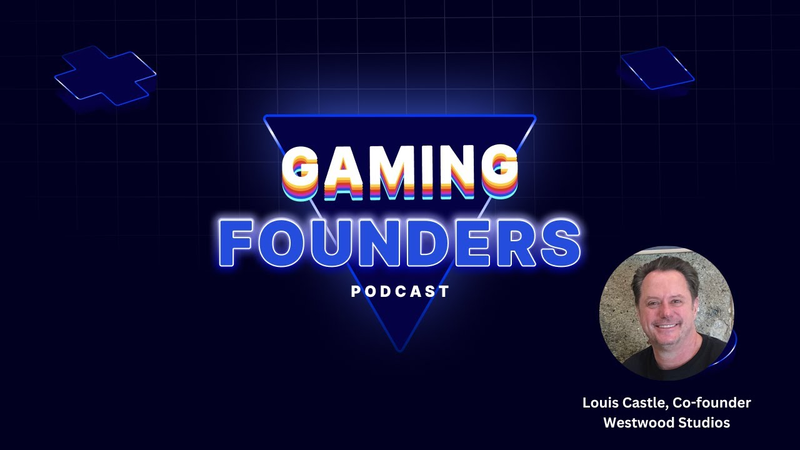
The Storied History of Gaming Veteran Louis Castle, Co-Founder of Westwood
The evolution of the real-time strategy genre and the professional trajectory of Louis Castle illustrate the transition of the gaming industry from a hobbyist pursuit to a sophisticated corporate enterprise.
- Westwood Studios scaled its operations by using contract porting work to self-fund original intellectual property, a pragmatic model that allowed for creative autonomy.
- The studio achieved peak growth between 1992 and 1998, reaching a workforce of 250 employees through the success of genre-defining titles like Command & Conquer and Blade Runner.
- Westwood maintained creative control during four major acquisitions by strictly dividing leadership responsibilities between design and operations.
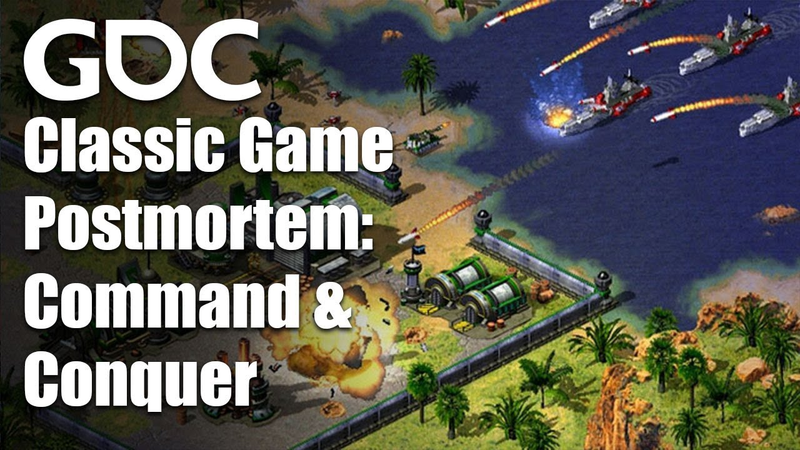
Classic Game Postmortem: Command & Conquer
The development of Command & Conquer at Westwood Studios during the mid-1990s represents a pivotal moment in the evolution of the real-time strategy genre.
- Command & Conquer was a pioneer in transitioning game audio from MIDI-based sound chip playback to streaming audio, allowing for the integration of synthesizers and live guitar.
- To overcome severe rendering bottlenecks for in-game cinematics, the team implemented a 'VQ slave mode' policy that utilized idle employee workstations overnight, effectively doubling their render farm capacity from 50 to 100 machines.
- The game's multiplayer functionality was designed to support local area networks via IPX, as well as modem and null-modem connections, though internet play was ultimately deferred to the sequel, Red Alert, due to technical constraints.