1 free read left. Create a free account for unlimited reading + AI research.
Create free accountArticle The Game Business
1 free read left. Create a free account for unlimited reading + AI research.
Create free accountArticleThe Game Business
EA's Enterprise President Laura Miele says the 2018 mobile title's poor reception prompted a strategic shift. The company now prioritizes core fan expectations when expanding franchises into new platforms or formats.
Core first. EA prioritizes core fan expectations for established IPs.
Electronic Arts Enterprise President Laura Miele outlines a strategic shift in the company’s development philosophy, emphasizing the necessity of prioritizing core fan expectations when expanding franchises into new platforms or formats. The central thesis posits that maintaining the integrity of a core experience is a prerequisite for earning the "permission" to explore broader, more experimental, or mobile-centric iterations of established intellectual properties. This approach was heavily influenced by the negative reception of the 2018 mobile title Command & Conquer Rivals, which prompted the company to pivot toward remasters and more authentic franchise stewardship.
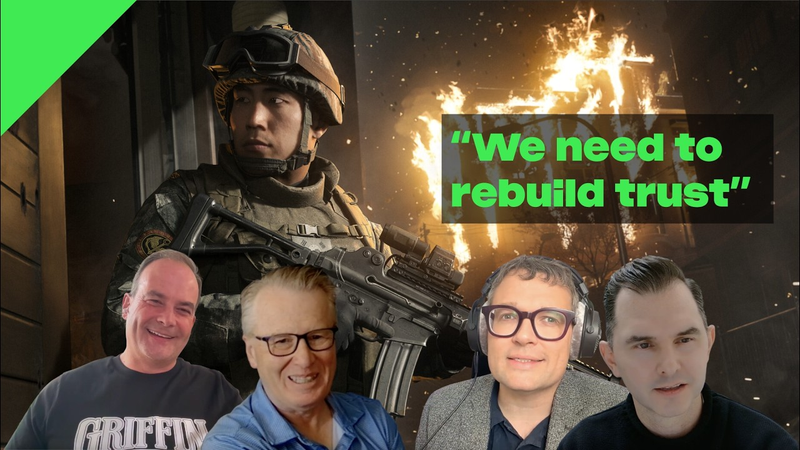
Key findings highlight that this fan-centric strategy directly informed the development of recent major releases, including Battlefield 6 and the new free-to-play Skate. In these instances, the company prioritized delivering the core mechanics and cultural authenticity expected by long-term players before introducing expansive or secondary spin-off content. Furthermore, Miele notes that direct engagement with creators and influencers has become a vital tool for identifying market demand, leading to the greenlighting of projects like Dead Space and EA Sports College Football.
The scope of these insights covers global operations and development practices within Electronic Arts during the mid-2020s. Miele also addresses the evolving relationship between gaming and other entertainment media, advocating for a future characterized by co-created content and simultaneous releases across film, television, and interactive experiences. Despite industry-wide challenges such as studio closures and project cancellations, the outlook remains optimistic, driven by a growing global player base and the enduring social and emotional value inherent in gaming communities.
The Game Business · 2026
The Game Business · 2026
The Game Business · 2026
The Game Business · 2026
The Game Business · 2026
The Game Business · 2026
The Game Business · 2026
The Game Business · 2026
The Game Business · 2026
The Game Business · 2026
The Game Business · 2026

The Game Business · 2026
The Game Business · 2026