Call of Duty
GameBy Infinity Ward · Released Oct 29, 2003
Documents about Call of Duty
Wolfenstein vs Call of Duty - The Need for “B” Games - Extra Credits
The gaming industry faces a significant disparity in how mainstream titles address sensitive historical and political themes.
- High-budget AAA franchises like Call of Duty often sanitize sensitive historical events, such as the Holocaust, to maintain broad appeal and avoid controversy.
- The 'B-game' model, exemplified by titles like Wolfenstein II: The New Colossus, uses lower budgets and reduced corporate oversight to explore transgressive themes like fascism and racism.
- B-games function similarly to historical B-movies by operating on the industry fringes to push boundaries in political discourse and violence that mainstream productions currently avoid.
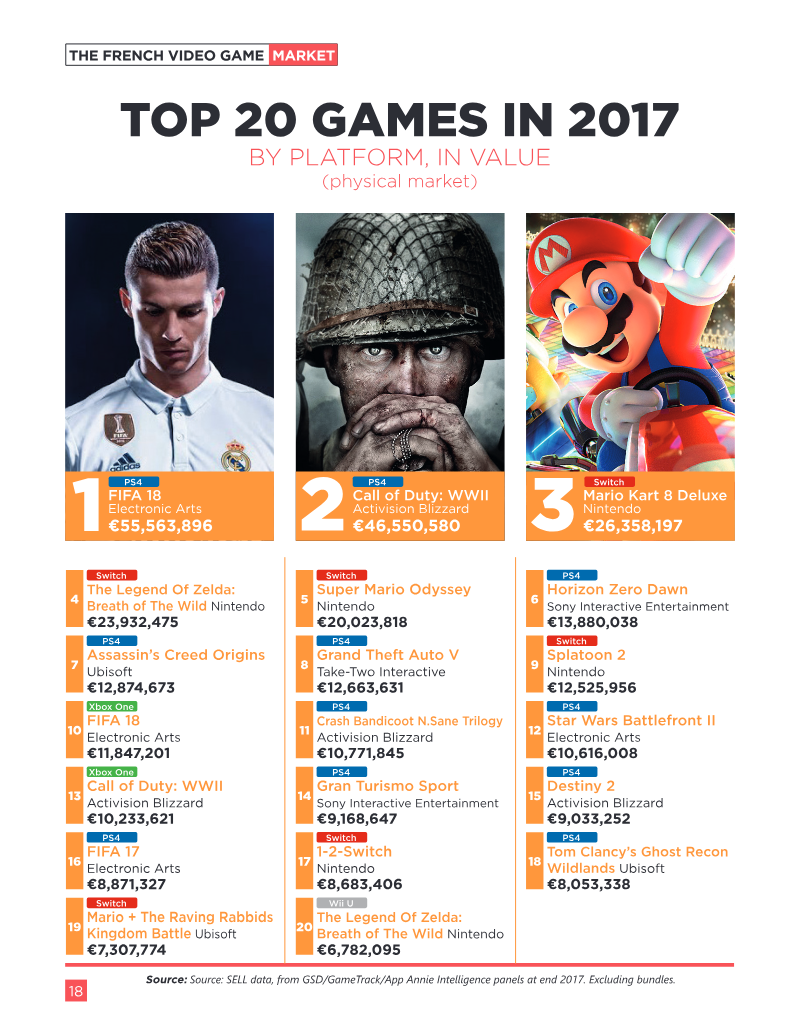
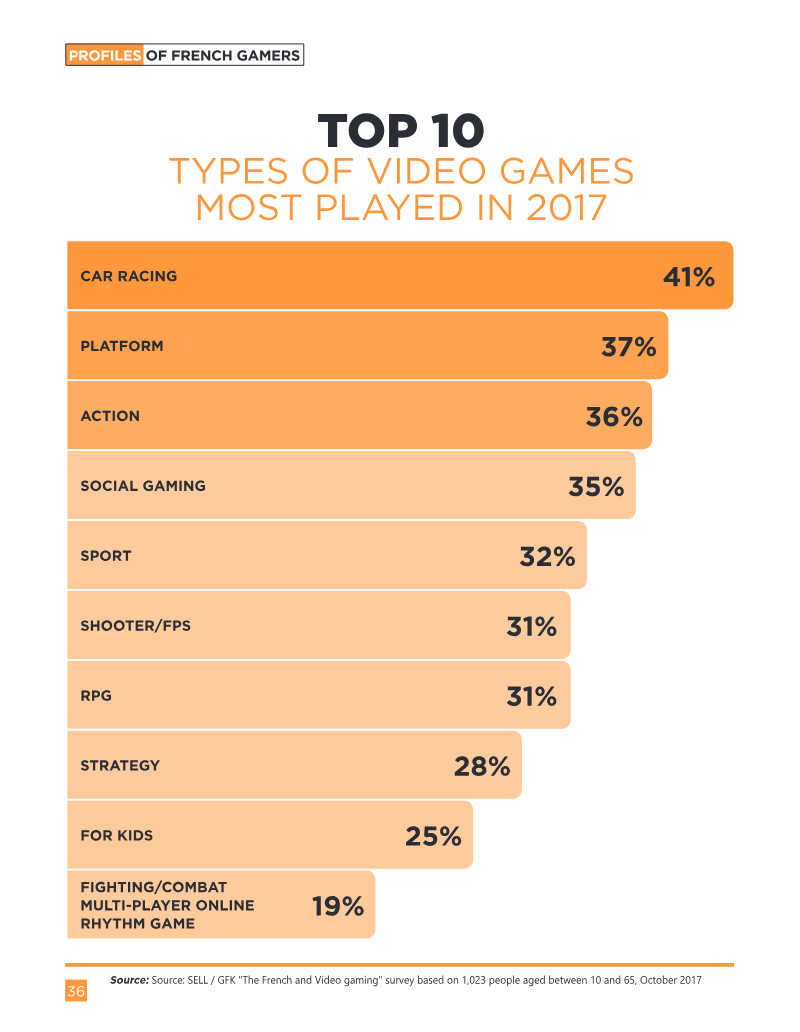
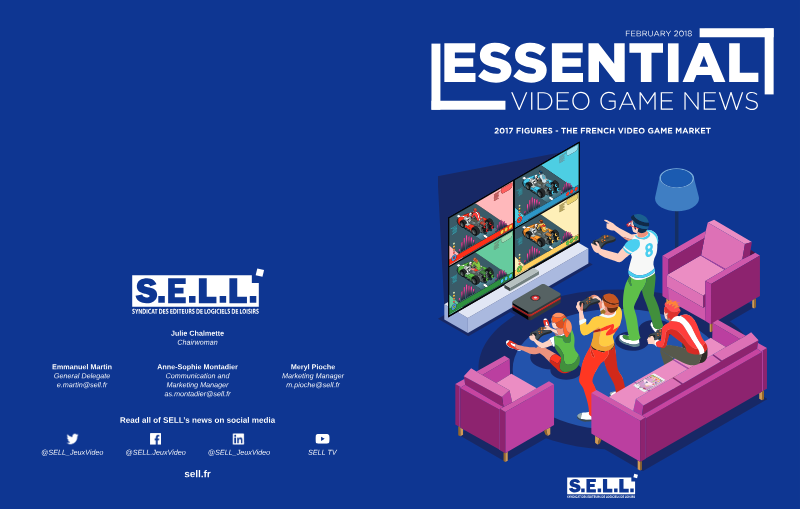
2017 Figures: The French Video Game Market
The French video game market reached a historic milestone in 2017, generating 4.3 billion euros in total turnover and achieving a record growth rate of 18 percent.
- The French video game market reached 4.3 billion euros in 2017, marking a record 18 percent growth rate.
- Consoles dominated the market with 56 percent of total value, driven by a 20 percent increase in software turnover and a 46 percent surge in digital sales.
- Digital distribution is the primary revenue driver for PC gaming, accounting for 95 percent of its software income.
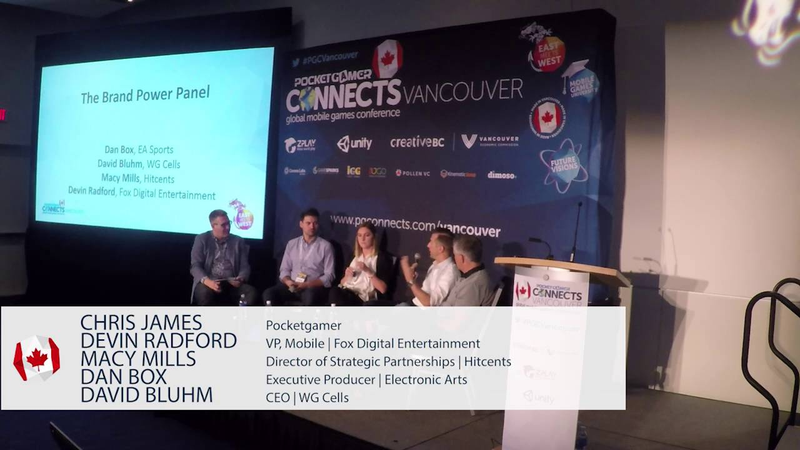
Trends in mobile game brands and branding
Mobile game branding functions as a strategic lever to mitigate rising user acquisition costs by capitalizing on established intellectual property.
- Mobile game branding is increasingly used as a strategic tool to counter rising user acquisition costs by leveraging established intellectual property to drive organic downloads.
- Successful IP integration now requires deep, collaborative partnerships where brand owners actively participate in the creative development process rather than acting as passive licensors.
- Major gaming franchises, including Call of Duty and Assassin’s Creed, are expanding into film and television to transform gaming titles into comprehensive, cross-media entertainment brands.

The Most Important Criteria Influencing Computer and Video Game Purchases: Germany
This analysis examines the primary factors influencing consumer purchasing decisions for computer and video games within the German market.
- Personal recommendations from friends are the primary influence on purchasing decisions, affecting 40% of German gamers aged 14 and older.
- Brand recognition of established game series, such as 'Assassin's Creed', 'Call of Duty', or 'Super Mario', drives 23% of all game purchases.
- Attractive discounts and bundle offers are a significant purchasing factor for approximately 21% of gamers.
Mapping the Shooter Genre
The shooter genre is often viewed through a monolithic lens, but analysis of player motivation reveals significant diversity in how gamers engage with these titles.
- The primary differentiator in the shooter genre is a strong negative correlation between competition and story, meaning games typically prioritize either high-stakes competitive play or narrative-driven experiences.
- Shooter games are defined by three core axes of motivation: competition versus story, community versus competition, and strategy versus competition.
- Counter-Strike stands out as a significant outlier in the genre, demonstrating a much higher level of competitive intensity compared to other shooter titles.

Biz Daily: Why Activision Blizzard bought King
The acquisition of King by Activision Blizzard for $5.9 billion represents a strategic effort to bridge the gap between traditional console and PC gaming and the high-growth mobile sector.
- Activision Blizzard acquired King for $5.9 billion to bridge the gap between its traditional console/PC business and the high-growth mobile gaming sector.
- The deal establishes Activision Blizzard as the largest pure-play gaming company in the Western market, providing immediate access to a global, gender-balanced mobile audience.
- The transaction is valued at $18 per share, a 20 percent premium over King’s pre-deal valuation, and is financed through $3.2 billion in cash and bank loans.
Nordic Game Sales 2015: Retail
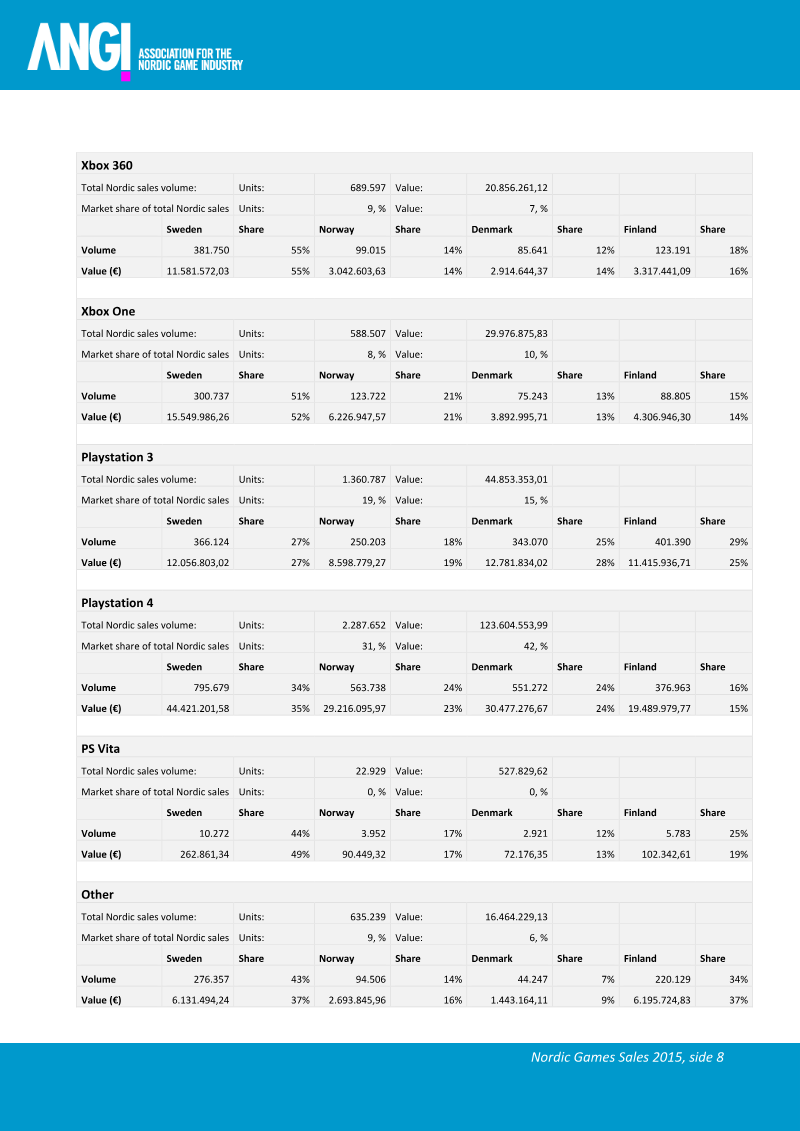
The Nordic gaming market underwent a significant structural transition throughout 2015, characterized by a marginal contraction in physical retail volume and value as consumer behavior shifted toward digital distribution.
- Eighth-generation console adoption drove significant software growth in 2015, with sales increasing by 135% for PlayStation 4 and 85% for Xbox One.
- The Nordic gaming market experienced a structural shift in 2015 characterized by a marginal contraction in physical retail volume and value as consumers transitioned toward digital distribution.
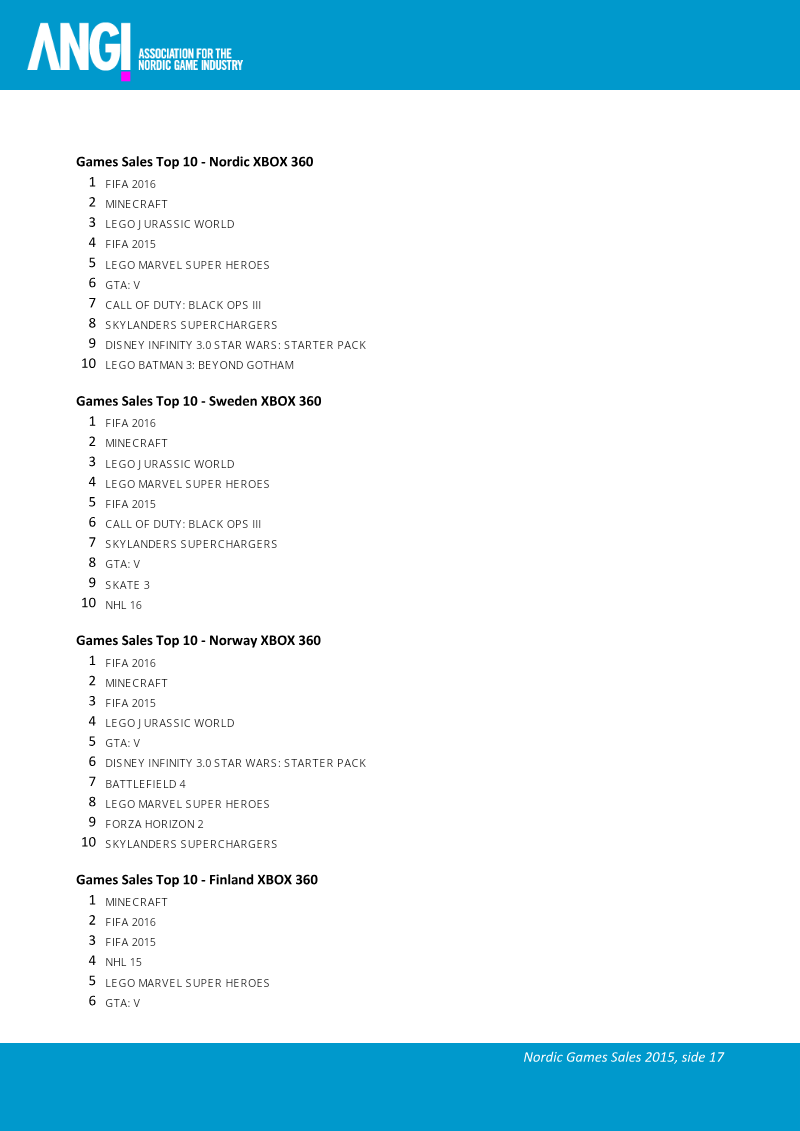
- Retail revenue was dominated by major franchises, specifically FIFA 16, Grand Theft Auto V, and Call of Duty: Black Ops III.
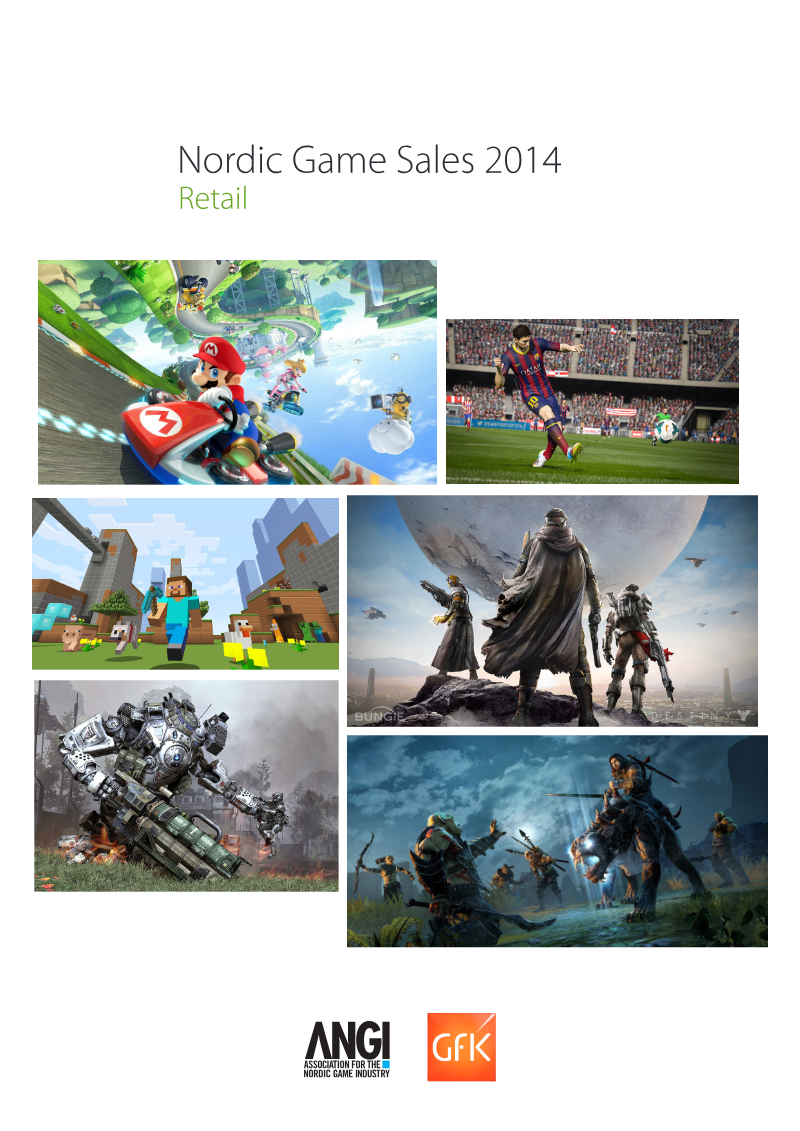
Nordic Game Sales 2014
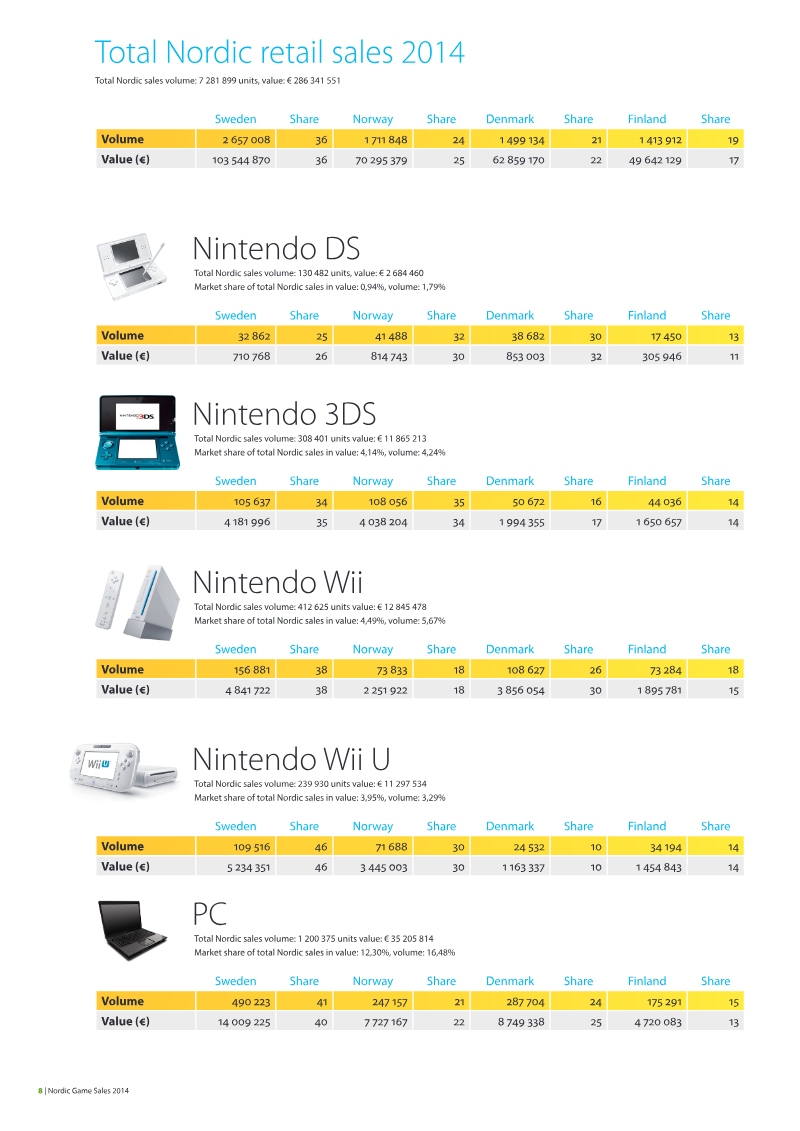
The Nordic video game market underwent a significant structural transformation in 2014, characterized by an 18 percent decline in physical retail value.
- The Nordic video game market experienced an 18 percent decline in physical retail value in 2014, driven by a structural shift toward digital distribution and service-oriented revenue models.
- Market performance was heavily concentrated in major multi-platform franchises, with action titles capturing 25 percent of the market and sports games accounting for 16 percent.
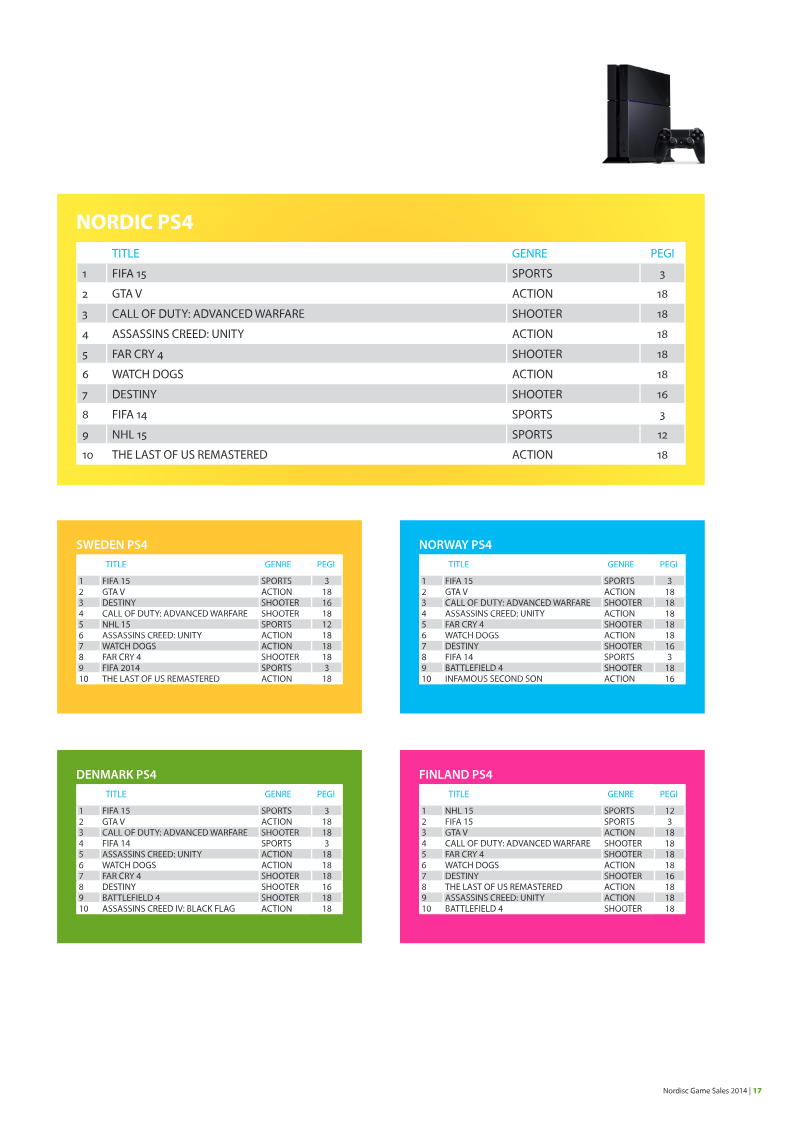
- Top-selling titles across the region in 2014 included FIFA 15, Grand Theft Auto V, and Call of Duty: Advanced Warfare.
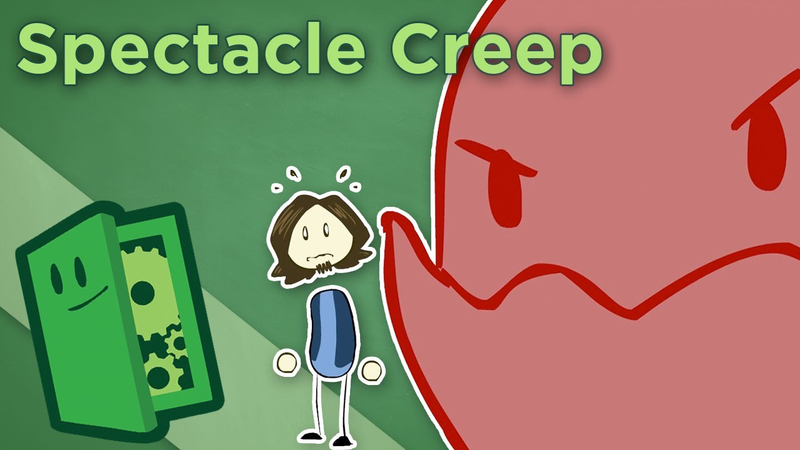
Spectacle Creep - When Sequels Try Too Hard - Extra Credits
Spectacle creep represents a recurring phenomenon in entertainment media, particularly within the video game and film industries, where successive installments of a franchise feel compelled to escalate the scale, intensity, and visual flashiness of their content to maintain audience engagement.
- Spectacle creep occurs when franchises feel compelled to continuously escalate the scale and intensity of content, often forcing narratives into absurd, world-ending stakes to maintain audience engagement.
- Prioritizing surface-level adrenaline over coherent storytelling risks transforming grounded, compelling franchises into parodies of their original iterations.
- The Call of Duty franchise illustrates this trend, shifting from early, plausible, character-driven military conflicts to increasingly illogical, gravity-defying action sequences.

Square Enix Holdings: Three-Month Period Ended June 30, 2013
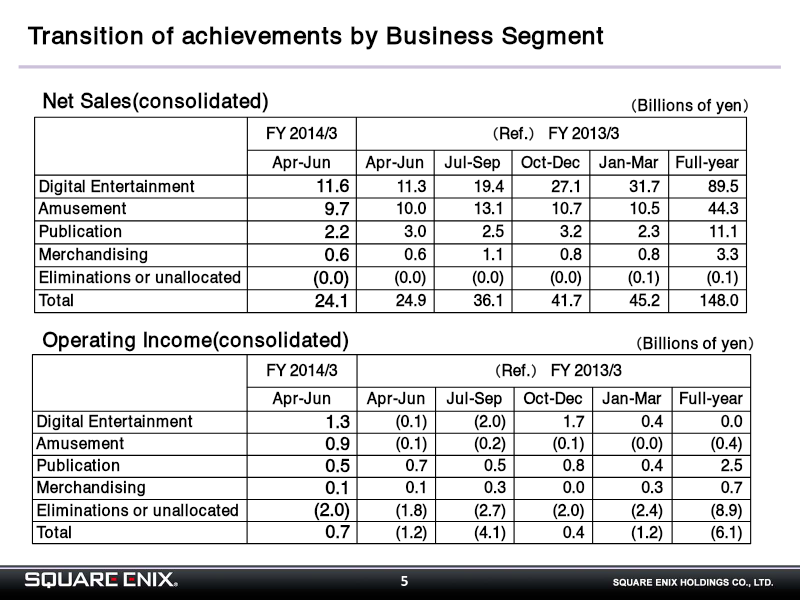
The financial results for Square Enix Holdings for the three-month period ending June 30, 2013, demonstrate a shift toward profitability compared to the same period in the previous fiscal year.
- Square Enix returned to profitability for the quarter ended June 30, 2013, reporting an operating income of 0.7 billion yen compared to a 1.2 billion yen loss in the same period the previous year.
- Net sales for the three-month period were 24.1 billion yen, a slight decrease from the 24.9 billion yen reported in the same quarter of 2012.
- The Digital Entertainment segment was the primary revenue driver, contributing 11.6 billion yen in net sales and 1.3 billion yen in operating income for the quarter.
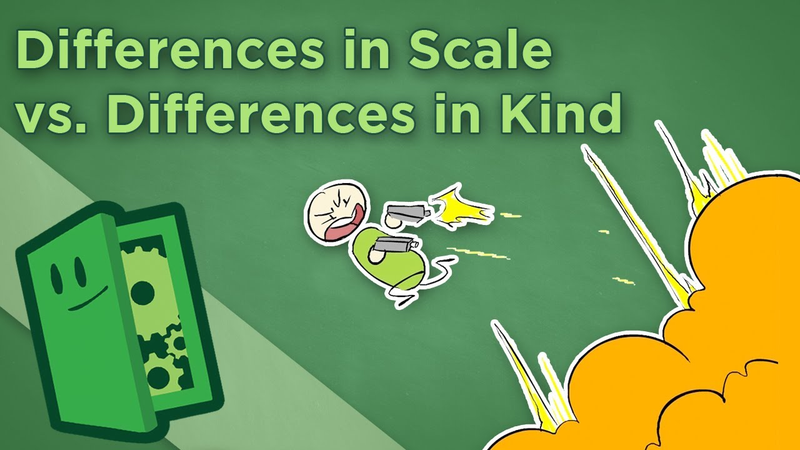
Differences in Scale vs Differences in Kind - Keeping Players Interested - Extra Credits
Effective game design requires a balance between differences in scale and differences in kind to maintain player engagement.
- Sustaining long-term player engagement requires a balance between differences in scale, such as adjusting health or difficulty, and differences in kind, which involve fundamental shifts in mechanics and pacing.
- Relying exclusively on differences in scale creates a predictable interest curve that inevitably leads to player fatigue.
- Successful design integrates varied experiences—such as stealth, tactical movement, and cinematic sequences—directly into the core gameplay loop to prevent repetition.
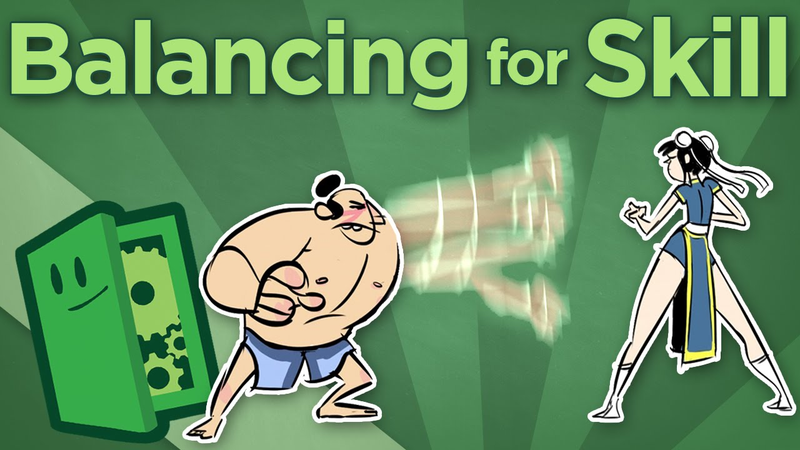
Balancing for Skill - The Link from Optimal Power to Strategy - Extra Credits
Effective game design requires balancing not just the raw power of mechanics, but the relationship between player skill and the power output of those mechanics.
- Game balance requires aligning player skill levels with the power output of specific mechanics to ensure long-term engagement.
- High-power, low-skill entry points are essential for retaining novice players and preventing the formation of exclusionary, stagnant communities.
- Designers must create clear progression paths that incentivize players to move beyond simple, repetitive tactics to avoid hitting difficulty 'brick walls'.
Companies behind it
As the documents state it.