Battle Royale
Game
Documents about Battle Royale
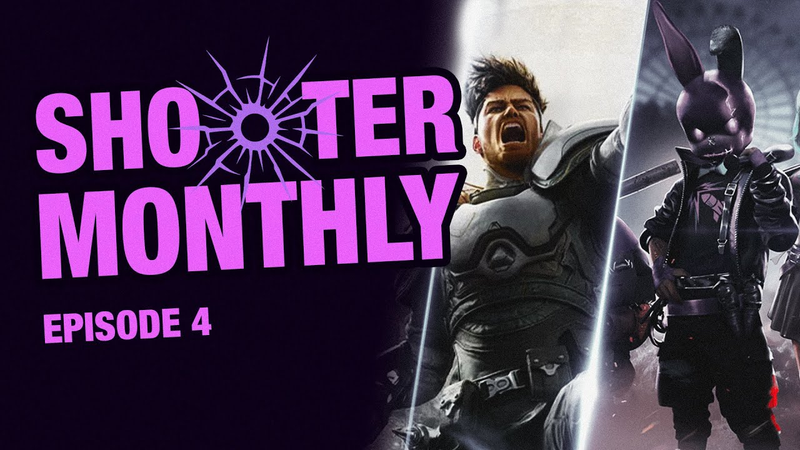
Shooter Monthly #4: The World's Biggest Shooter May Surprise & The Thing Highguard Needs to Learn
The global shooter market has reached a state of equilibrium dominated by a duopoly of Battle Royale and tactical genres, creating a challenging environment for new entrants.
- The global shooter market is dominated by mobile-first titles like Free Fire and PUBG Mobile, which command significantly higher monthly active user counts than traditional premium PC and console shooters.
- Modern shooter success is increasingly driven by experiential gameplay and high-frequency engagement loops rather than strictly competitive, high-stakes outcomes.
- The 'shadow drop' launch model is no longer a viable strategy, as modern players have little tolerance for the technical instability and lack of tactical depth seen in recent failures like Highguard.
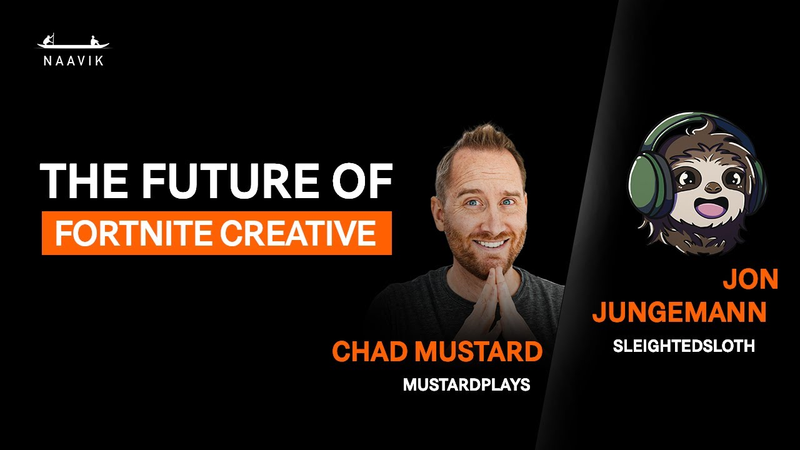
The Future of Fortnite Creative
The Fortnite Creative ecosystem is undergoing a fundamental transformation, shifting from a supplemental mode into a professionalized marketplace capable of sustaining diverse, non-Battle Royale experiences.
- Epic has introduced in-island item sales, allowing creators to monetize experiences through gated content or virtual items, though this creates potential friction with Epic's own internal monetization strategies.
- Fortnite's concurrent user base has declined from a peak of over 3 million during the 'Fortnite OG' event to approximately 1 million, signaling a shift in the platform's current engagement lifecycle.
- New user acquisition tools, including UA rewards and paid campaigns, currently operate on an auction-based CPM model where early bidding costs are volatile, with some participants bidding as high as $20 per CPM.
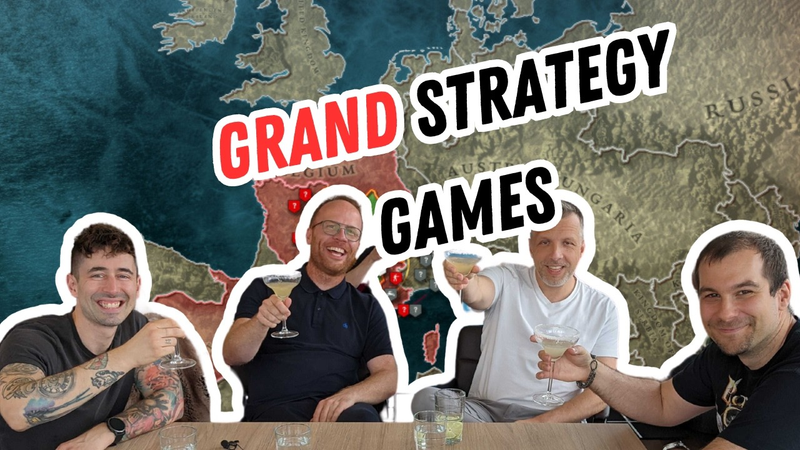
Bytro Live: The Home of Grand Strategy Games & innovative TikTok UA approach
Bytro occupies a distinct niche in the gaming industry by developing grand strategy titles that synthesize 4X mechanics with Battle Royale elements.
- Bytro is transitioning its grand strategy portfolio from a browser-based engine to Unity to improve visual fidelity and enable cross-platform parity, with 'Supremacy' scheduled as the first title to launch on the new engine next year.
- The company utilizes a 'Battle Royale' 4X model where game sessions last between a weekend and four weeks, creating a high-intensity reset mechanic that drives recurring player investment.
- Bytro was an early adopter of TikTok advertising, ranking as a top-three advertiser in the DACH region in early 2021 by leveraging UGC-style creatives and participating in the TikTok Creative Challenge (TTCC).
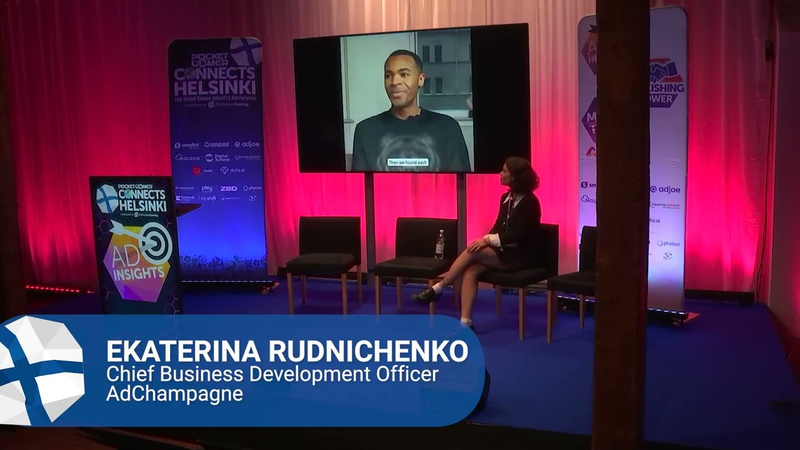
Bet on Psychology How to Leverage Player Behavior in Ads - Ekaterina Rudnichenko, AdChampagne.
Effective mobile game advertising requires shifting focus from traditional demographic targeting—such as age, gender, or geography—toward the psychological motivations and emotional drivers of the player base.
- Shift mobile advertising focus from traditional demographics to psychological motivations based on Richard Bartle’s player types: Killers, Achievers, Socializers, and Explorers.
- Tailor creative assets to specific psychotypes: use competitive showdowns for Killers, progression visuals for Achievers, community-focused content for Socializers, and narrative discovery for Explorers.
- Implement a disciplined testing methodology by launching approximately ten creative hypotheses simultaneously, as typically only three or four will yield successful performance results.
Krafton Targets India / Ramifications of Hogwarts Legacy’s Success / Unity Earnings
The global gaming industry is currently defined by a stark divergence between companies successfully leveraging intellectual property and those struggling with structural or transparency issues. Warner Bros.
- Warner Bros. Games' Hogwarts Legacy generated $850 million in revenue within its first two weeks, validating a strategy of high-quality, multi-platform IP development.
- Warner Bros. Discovery is increasingly integrating gaming as a core pillar of its broader media ecosystem to create synergy between its gaming and streaming divisions.
- Unity is facing analyst scrutiny regarding its post-merger transparency with ironSource, specifically concerning declining high-value customer counts and misleading profitability metrics.
Mobile Shooters: What's Next After Battle Royale? ft. Jordan Phang/Naavik (FREE REPORT!)
The mobile shooter market represents a specialized but significant segment of the global gaming industry, accounting for approximately 5% of total game downloads and 6% of revenue.
- The mobile shooter market is highly concentrated, generating $3.5 billion in revenue and 2.6 billion downloads between October 2020 and November 2021, with a few dominant titles like Game for Peace, Free Fire, and Call of Duty Mobile capturing the majority of spending.
- Extraction shooters are emerging as the primary evolution for the genre, utilizing high-stakes gameplay and loss aversion to create a distinct, tension-filled loop that differentiates them from standard Battle Royale formats.
- New shooter IPs face significant retention challenges because players are reluctant to abandon established ecosystems where they have already invested in social connections and cosmetic assets.
Japan Gaming Market with Serkan Toto
The Japanese gaming market, valued at approximately $13 to $15 billion, remains a distinct and highly lucrative ecosystem dominated by mobile platforms, which account for roughly 70% of total revenue.
- The Japanese gaming market is valued at $13–$15 billion, with mobile platforms accounting for approximately 70% of total revenue.
- High barriers to entry exist due to a top-heavy market structure dominated by legacy titles like Monster Strike and Puzzle & Dragons, alongside AAA mobile production costs that frequently exceed $10 million.
- International competitors from China and Korea, such as NetEase, are successfully capturing domestic market share by introducing innovative genres like Battle Royale that challenge the traditional dominance of gacha-based RPGs.
Legal Battle Royale: Not Boring Edition
The gaming industry faces a complex web of legal challenges that scale alongside commercial success.
- Developers must conduct rigorous, asset-by-asset risk assessments for intellectual property, as there are no universal legal standards for creative assets like dance-move emotes.
- Regulatory bodies are actively monitoring influencer marketing, requiring developers to ensure all material connections are disclosed through clear and conspicuous labeling.
- Data privacy compliance, particularly under standards like GDPR, requires a shift from blanket consent models to transparent, specific data collection practices.
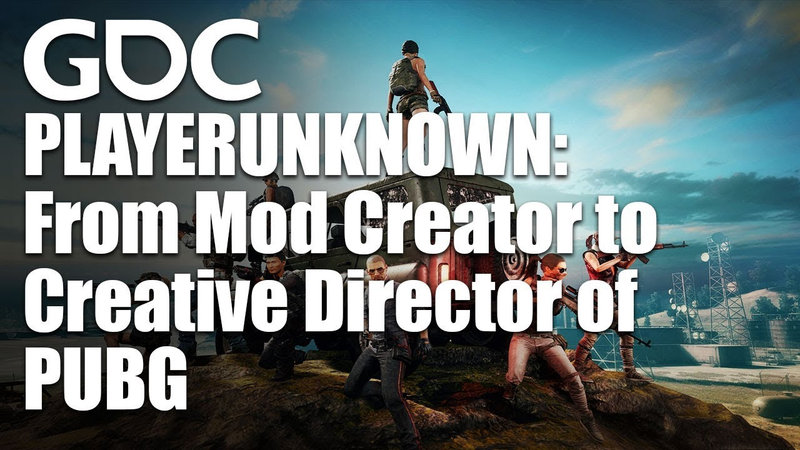
PLAYERUNKNOWN: From Mod Creator to Creative Director of PUBG
Brendan Greene’s trajectory from a photographer and designer to the Creative Director of PUBG illustrates the transformative power of modding culture in modern game development.
- PUBG achieved rapid commercial success by selling 40 million copies and reaching 3 million concurrent players within its first year of release.
- The game’s core mechanics, including the shrinking play zone, originated from Brendan Greene’s iterative development of Battle Royale mods for the Arma series.
- Development prioritized emergent gameplay and community feedback over rigid design documentation, allowing for the integration of unintended features like the bulletproof frying pan.
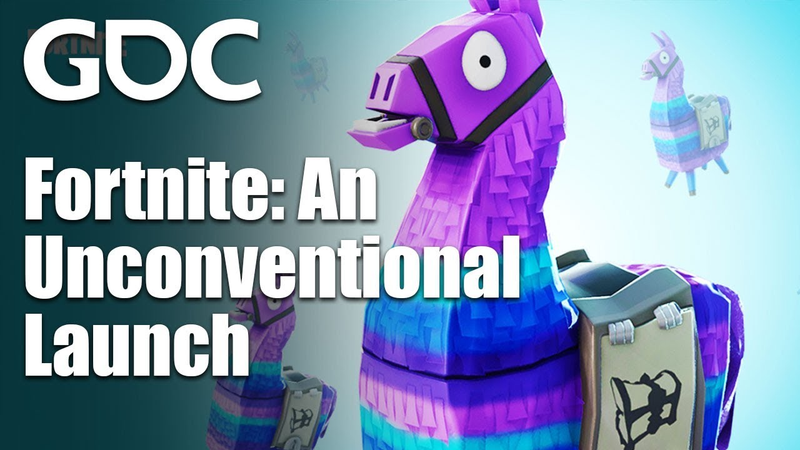
Fortnite: An Unconventional Launch
Fortnite represents a fundamental shift in game development and distribution, moving away from traditional, long-lead retail cycles toward an agile, community-driven model.
- Epic Games successfully pivoted from a niche, paid early access model to a mainstream cultural phenomenon by developing and launching the free-to-play Battle Royale mode in just two months.
- The transition to an agile, community-driven development model allowed Epic Games to treat the game as an evolving conversation, prioritizing iterative feedback over the traditional, long-lead retail release cycle.
- Marketing strategy shifted away from cinematic trailers toward digital-first campaigns and influencer partnerships, utilizing short video vignettes to maintain consistent player engagement.