
Bryter
Bryter is an insights and consultancy agency that researches audiences and their motivations. It publishes games research reports on topics such as women gamers, Gen Z mobile gamers in the UK and farming sims.
Documents
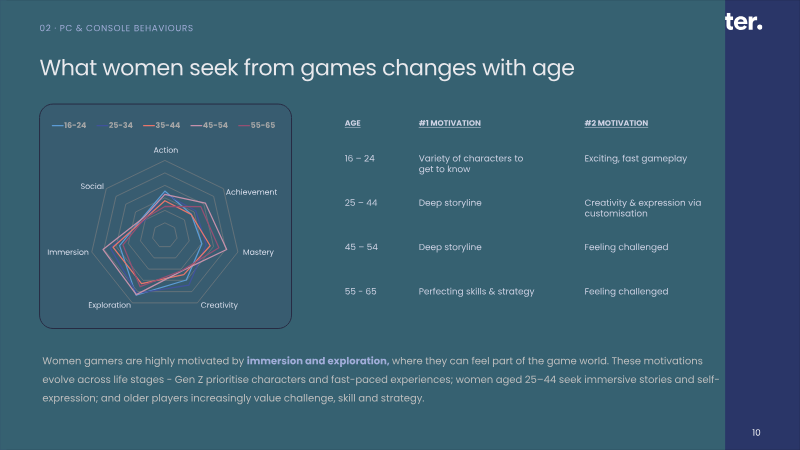

Women Gamers 2026: 9th Annual Edition
The ninth annual edition of the Women Gamers study provides a comprehensive analysis of how women engage with the gaming industry, drawing on nine years of longitudinal research.
- Toxicity remains a significant barrier to engagement, with 51% of all women reporting negative experiences, a figure that spikes to 79% among Gen Z players.
- To avoid harassment, many women are actively hiding their gender or opting out of voice chat, contributing to a broader industry trend where solo play is increasingly preferred over multiplayer experiences.
- While women play an average of six genres, engagement on PC and console platforms has plateaued since 2024 as Gen Z players increasingly prioritize social media over traditional gaming.
Farming Sims: Cultivating Long-term Engagement
Farming simulation games have established themselves as a dominant and enduring genre within the global mobile gaming market.
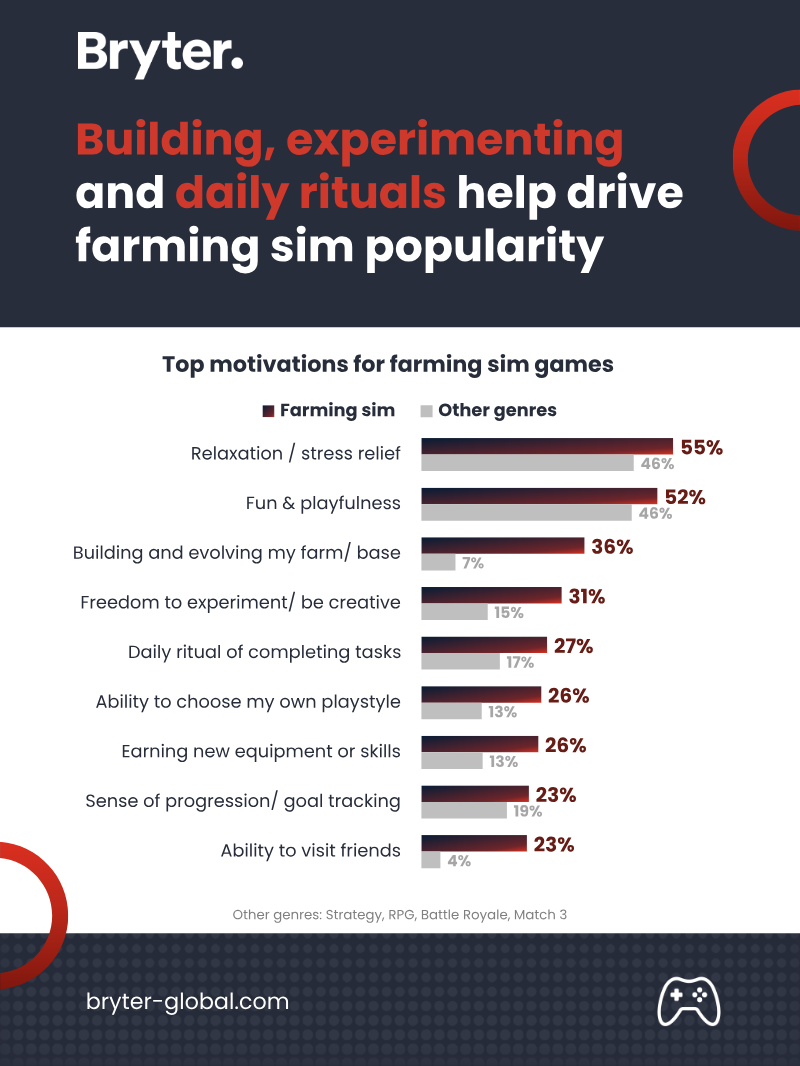
- Farming simulation games maintain high long-term engagement by satisfying core human motivations defined by Self-Determination Theory: autonomy, competence, and relatedness.
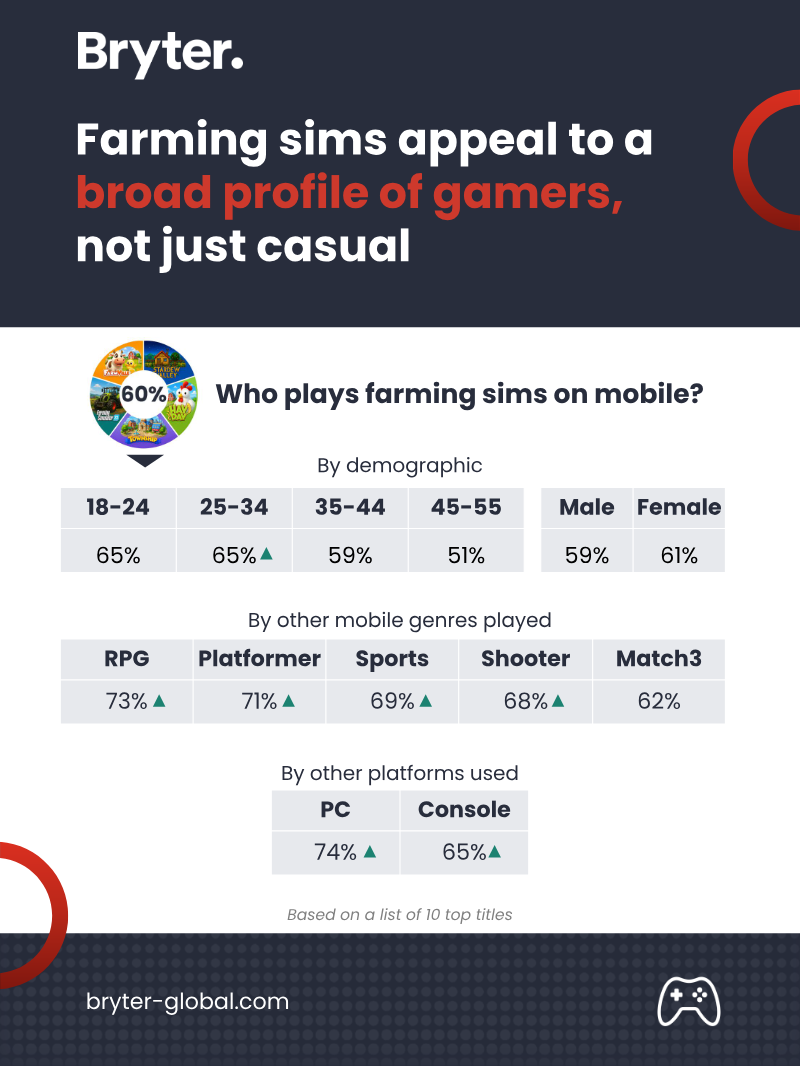
- The genre appeals to a broad demographic, with 60% of mobile gamers having played a top farming title, including 73% of RPG players and 65% of console gamers.
- Farming sims demonstrate exceptional longevity, as evidenced by titles like Township, Hay Day, and FarmVille 2, which were released in 2012 and continue to command massive player bases with over 100 million to 500 million downloads each.

Women Gamers Study 2025
The 2025 Women Gamers Study examines the evolving behaviors, motivations, and experiences of women within the global gaming industry.
- Women now account for 48% of the global gaming audience, representing a critical demographic in an industry that generated $522.5 billion in revenue in 2025.
- The number of women who do not identify as 'gamers' has dropped significantly, falling from 38% in 2019 to 24% in 2025.
- Participation among women has increased across traditionally male-dominated genres since 2020, including growth in Battle Royale (+22%), sports games (+12%), shooters (+8%), and fighting games (+8%).

Cozy Games: Why Comfort-first Play Is Becoming a Major Force
Cozy gaming has transitioned from a niche subculture into a significant mainstream force within the global interactive entertainment industry.
- Cozy gaming has transitioned from a niche subculture to a mainstream market force, with upcoming titles like Witchbrook and Outbound generating significant wishlist numbers comparable to traditional blockbuster genres.
- The category is driven by a demand for 'playable decompression,' offering low-stakes gameplay, gentle progression, and restorative experiences that serve as an alternative to high-intensity gaming.
- Cozy games attract a diverse demographic that extends beyond women gamers to include competitive and hardcore players seeking a change of pace from demanding, high-pressure gaming sessions.
Reconnecting with Gen Z Mobile Gamers: UK
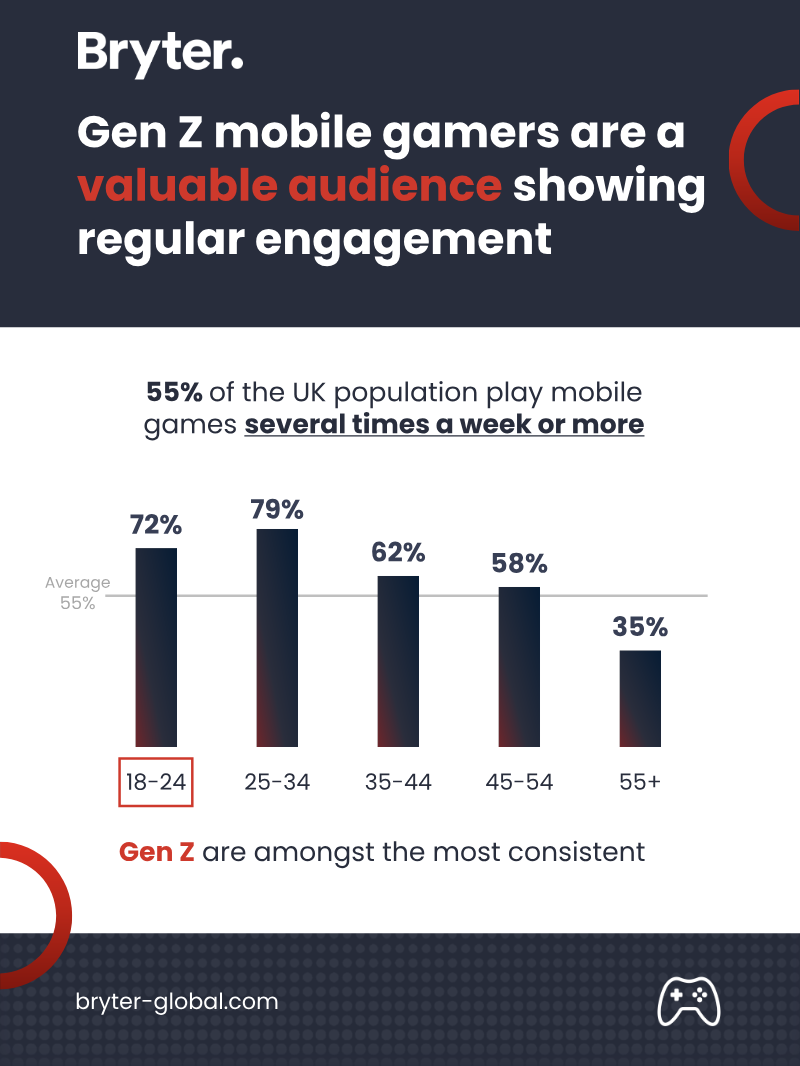
Mobile gamers aged 18 to 24 represent a critical demographic for the UK gaming industry, characterized by high engagement levels but increasing volatility.
- 71% of UK Gen Z mobile gamers cite intrusive monetization and advertising as the primary reason for abandoning games.
- Gen Z mobile gaming time is declining to an average of 4.4 hours per week as 57% of players shift their attention to social media, streaming, and short-form video.
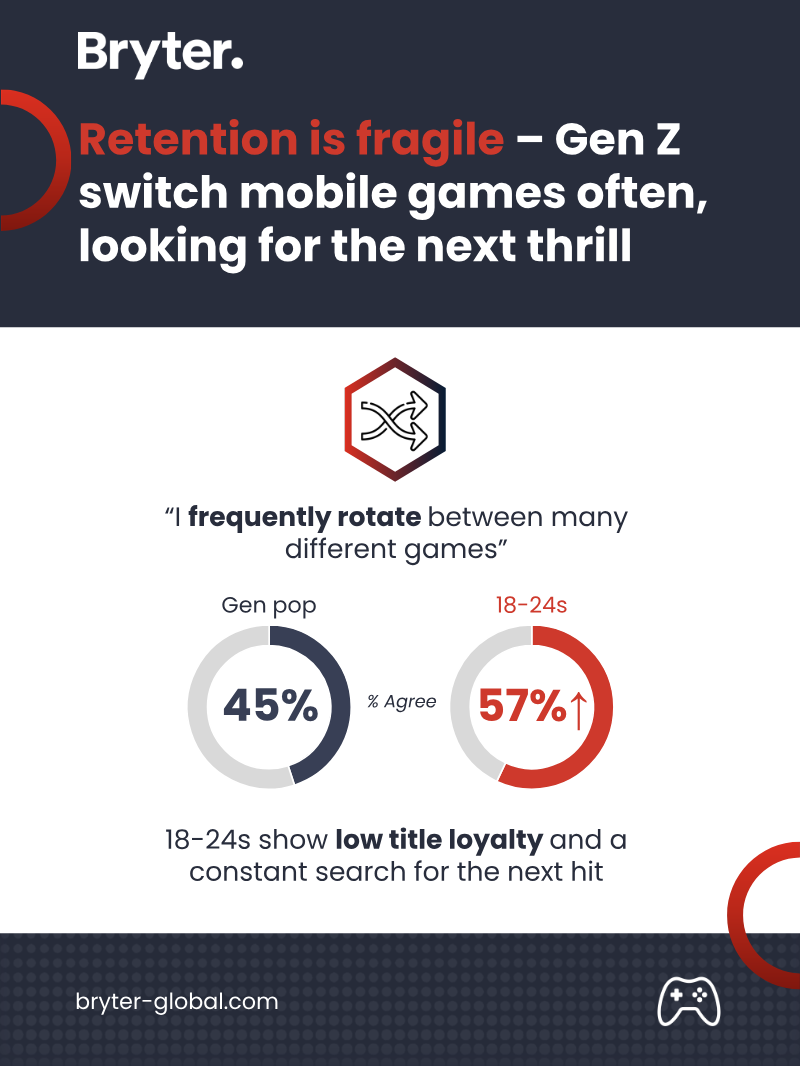
- Title loyalty is low among this demographic, with 57% of players frequently rotating between games in search of new experiences.

Girl Games: Dismissive Label Conceals the Power of Women in Gaming
The gaming industry faces a significant disconnect between its marketing strategies and the reality of its player base, as evidenced by the persistent use of the dismissive label "girl games."
- Women now represent 46% of the global gaming population, yet 28% of these players do not identify with the term 'gamer' due to industry exclusion and toxicity.
- 59% of women gamers experience toxicity from male players, with 25% of those victims reporting sexual harassment and 12% receiving rape threats.
- The prevalence of abuse forces 25% of female gamers to remain silent in online multiplayer sessions and 14% to avoid online multiplayer modes entirely.

Women Gamers Study 2024
The Women Gamers Study 2024 examines the evolving behaviors, preferences, and challenges faced by women within the gaming industry.
- Women now represent 46% of the global gaming audience, yet they remain under-represented in game design, with 94% of games providing male characters with more dialogue than female protagonists.
- Contrary to the 'casual' gamer stereotype, women average 20 hours of gaming per week and are more likely to play action-adventure (56%), shooters (49%), and battle royale (47%) titles than life sims (40%) or puzzle games (37%).
- While toxicity remains a significant issue, the percentage of women experiencing harassment from male gamers has declined from 72% in 2022 to 59% in 2024.

The Tragedy of Concord: A Lesson in Video Game Marketing
The failure of the live-service hero shooter Concord, which was shut down just two weeks after its release, serves as a critical case study on the necessity of robust market research in the gaming industry.
- The live-service hero shooter 'Concord' was shut down just two weeks after its launch in August 2024 following eight years of development and significant production costs.
- The game failed to establish a player base due to a lack of pre-release hype, ineffective marketing, and trailers that were criticized for unoriginal gameplay and poor humor.
- Concord entered a saturated hero-shooter market long after the genre's peak, failing to differentiate itself from established competitors like Apex Legends and Valorant, the latter of which maintains over half a million daily players.

Why Truly Understanding Global Players Fuels Smarter Game Making Strategies
The gaming industry faces a saturated market where success is increasingly dependent on a deep, psychological understanding of the player base rather than reliance on surface-level demographic data.
- Success in the global gaming market requires moving beyond basic demographic data to analyze the psychological 'emotional DNA' and lifestyle context of players.
- Effective player modeling should integrate psychographics—such as values, aspirations, and personality traits—with behavioral data to create actionable archetypes for strategic decision-making.
- Global expansion strategies must prioritize cultural nuance, as narrative beats, monetization models, and UI layouts that succeed in one region may fail or be perceived negatively in another.

Segmenting the PC Gamer for Competitive Advantage
Effective PC gaming strategy requires moving beyond demographic generalizations to embrace sophisticated audience segmentation.
- Effective PC game development requires moving beyond demographic data like age and gender to utilize psychographic segmentation based on player motivations, playstyles, and spending habits.
- Segmentation models should be applied throughout the entire product lifecycle, from guiding feature prioritization during development to managing live-service content and post-launch retention.
- Marketing campaigns must be tailored to specific segments, as broad messaging often fails to convert; distinct groups require unique value propositions, such as 'competitive dominance' versus 'narrative immersion'.
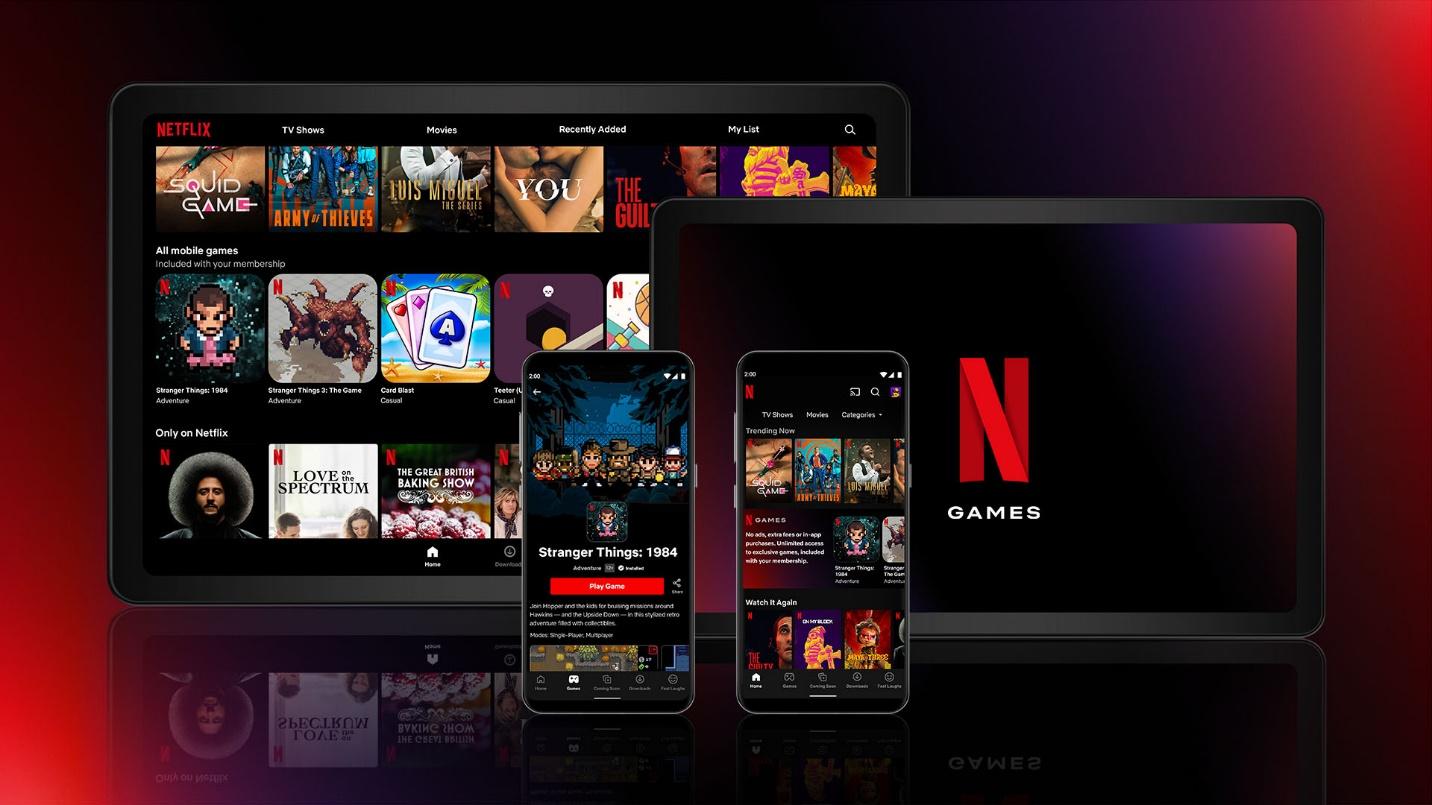
Netflix Gaming: What Do Consumers Know?
Netflix is actively attempting to expand its footprint in the gaming industry, yet it faces significant challenges regarding consumer awareness and engagement.
- Only 44% of US and UK adults are aware that Netflix offers games, and currently, only 16% of Netflix subscribers actively play them.
- While actual engagement is low, 75% of Netflix users express interest in playing mobile games based on their favorite shows.
- Netflix is shifting its strategy toward AAA titles and cloud-streamed games, exemplified by the upcoming Rebel Moon video game and the exclusive release of Football Manager 24 Mobile.

What Gamers Really Want and Why Game Makers Should Care
The gaming industry is currently defined by a highly fragmented and evolving audience, necessitating a shift from traditional genre-based categorization to a deeper, motivation-driven understanding of player identity.
- The UK gaming market comprises over 37 million players who exhibit diverse behaviors, values, and motivations that shift based on context, platform, and community rather than static genre definitions.
- Effective player engagement requires moving beyond surface-level genre categorization to analyze underlying emotional drivers, such as the desire for mastery, escape, connection, or creativity.
- Cultural and regional nuances significantly impact game success, as monetization models and narrative arcs that resonate in one market, such as Seoul or Tokyo, may face resistance in others like Stockholm or Toronto.