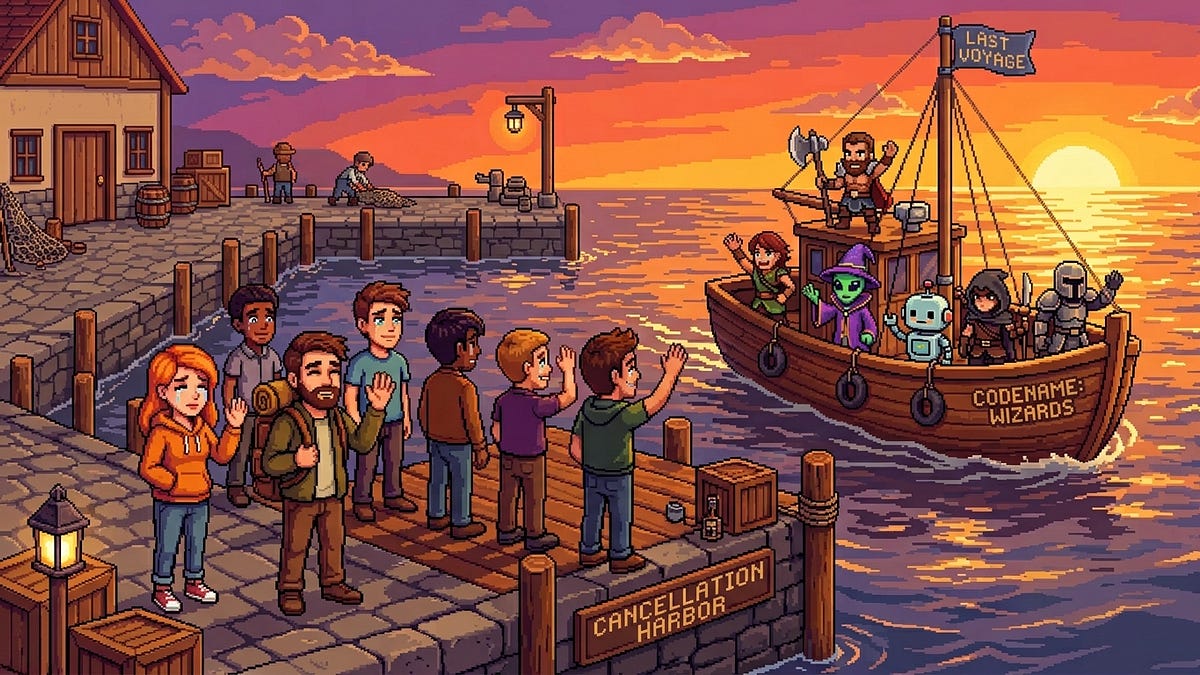
The decision to cancel a game during production represents a critical strategic pivot that requires balancing objective performance metrics against the psychological biases inherent in creative development. The primary thesis holds that studios must prioritize the preservation of team time and financial resources over the emotional attachment to failing projects. By establishing clear, measurable criteria—such as consistent playtest data, team velocity, and remaining financial runway—leadership can mitigate the influence of the sunk cost fallacy and the IKEA effect, which often lead to the prolonged development of unviable products.
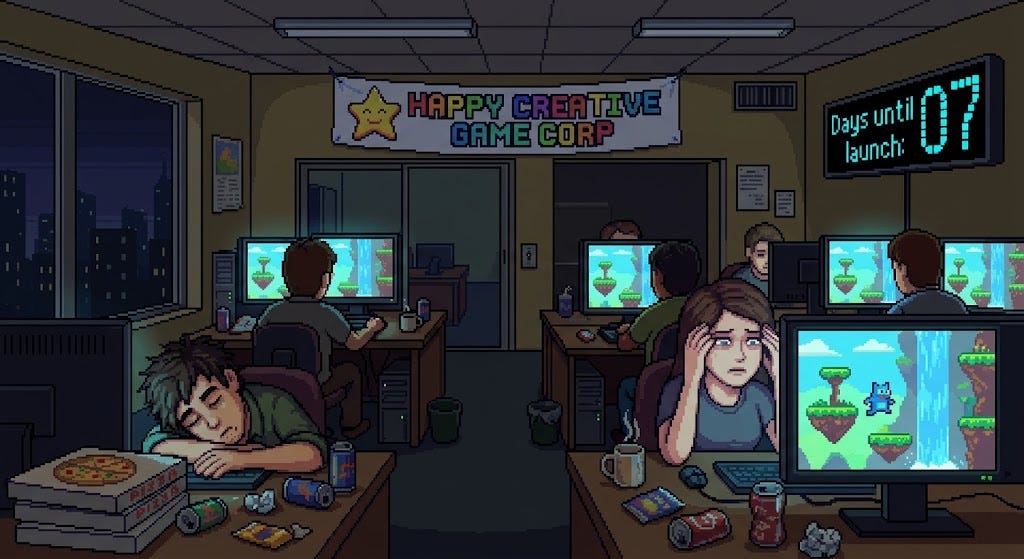
Effective project management necessitates a culture of transparency where organizational silence is replaced by candid communication. When a project fails to meet its performance benchmarks, the ethical and professional obligation of leadership is to initiate a timely cancellation rather than allowing the team to endure burnout on a doomed endeavor. This proactive approach not only preserves the studio’s finite resources but also protects long-term morale and institutional trust. Failing to act decisively often results in cultural damage that hinders future development cycles and talent retention.
Ultimately, the successful management of a cancellation hinges on the ability to treat development time as a non-renewable asset. Studios that integrate regular, objective player feedback into their decision-making processes are better positioned to identify when a project has lost its viability. By negotiating transparently with stakeholders and providing teams with clear, honest transitions, leadership can transform a difficult cancellation into a necessary step toward organizational health and future creative success. This analytical framework applies to the global game development industry, emphasizing that the willingness to abandon failing projects is a hallmark of mature, sustainable studio operations.
Game Studio Unlocked · 2026
Game Studio Unlocked · 2026

Game Studio Unlocked · 2026
Game Studio Unlocked · 2026
Game Studio Unlocked · 2026
Game Studio Unlocked · 2026
Game Studio Unlocked · 2026
Game Studio Unlocked · 2026
Game Studio Unlocked · 2026
Game Studio Unlocked · 2026
Game Studio Unlocked · 2026
Game Studio Unlocked · 2026
Room 8 Group · 2024

GameAnalytics

East Side Games
Poki · 2026
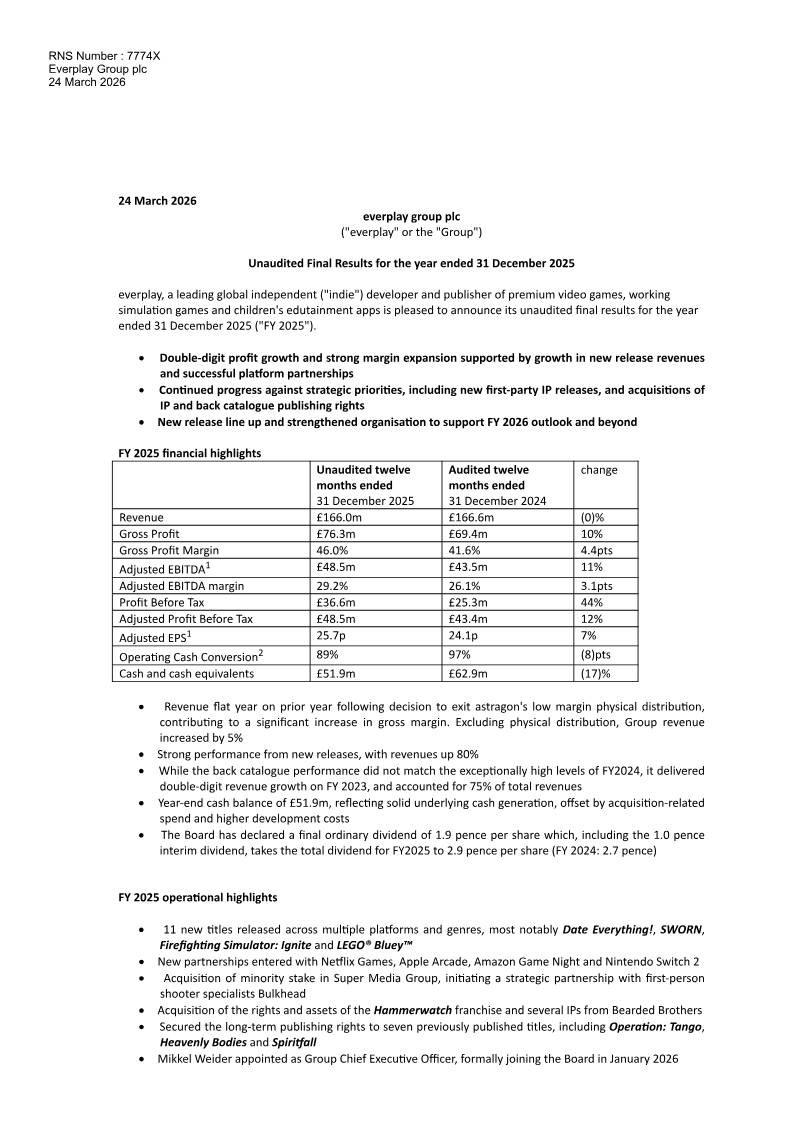
Everplay Group · 2026
BITKRAFT Ventures · 2026
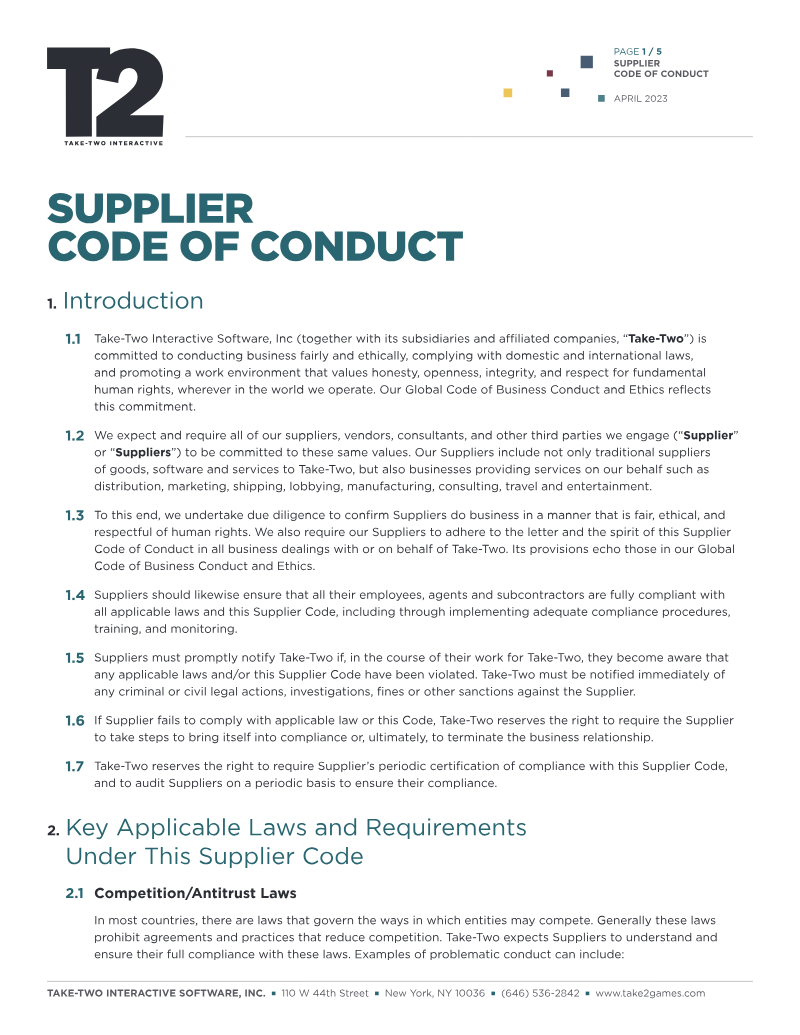
Take-Two Interactive · 2026
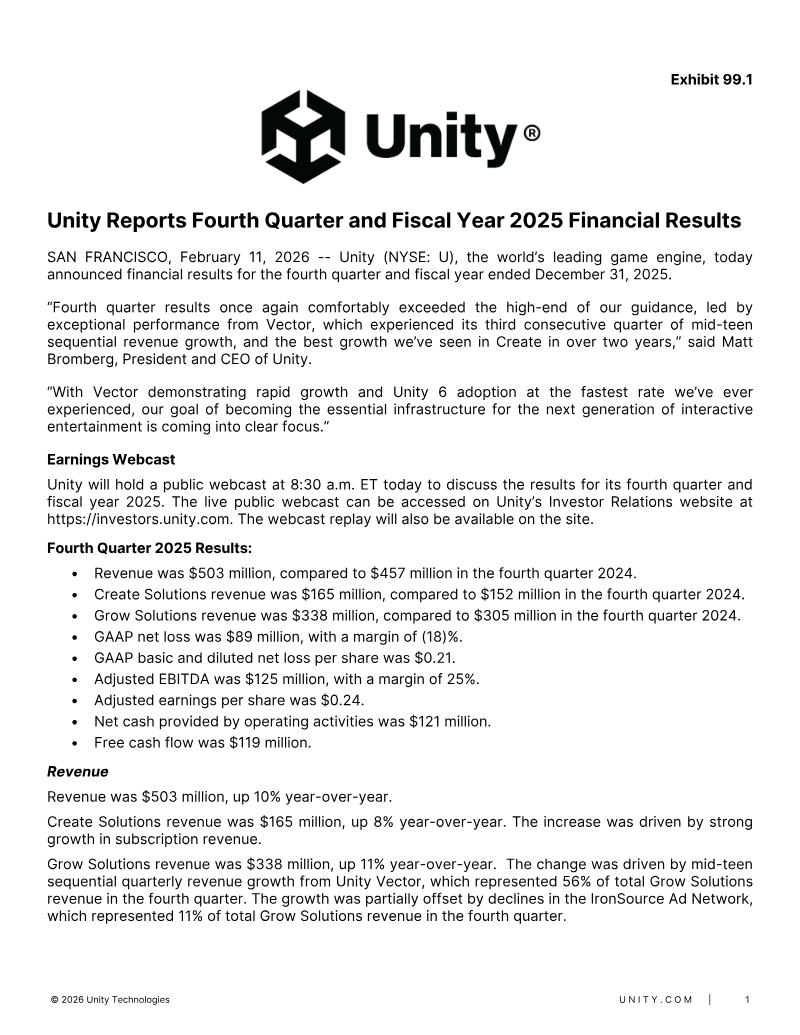
Unity · 2026

Sensor Tower · 2026
Poki · 2026
InvestGame · 2025
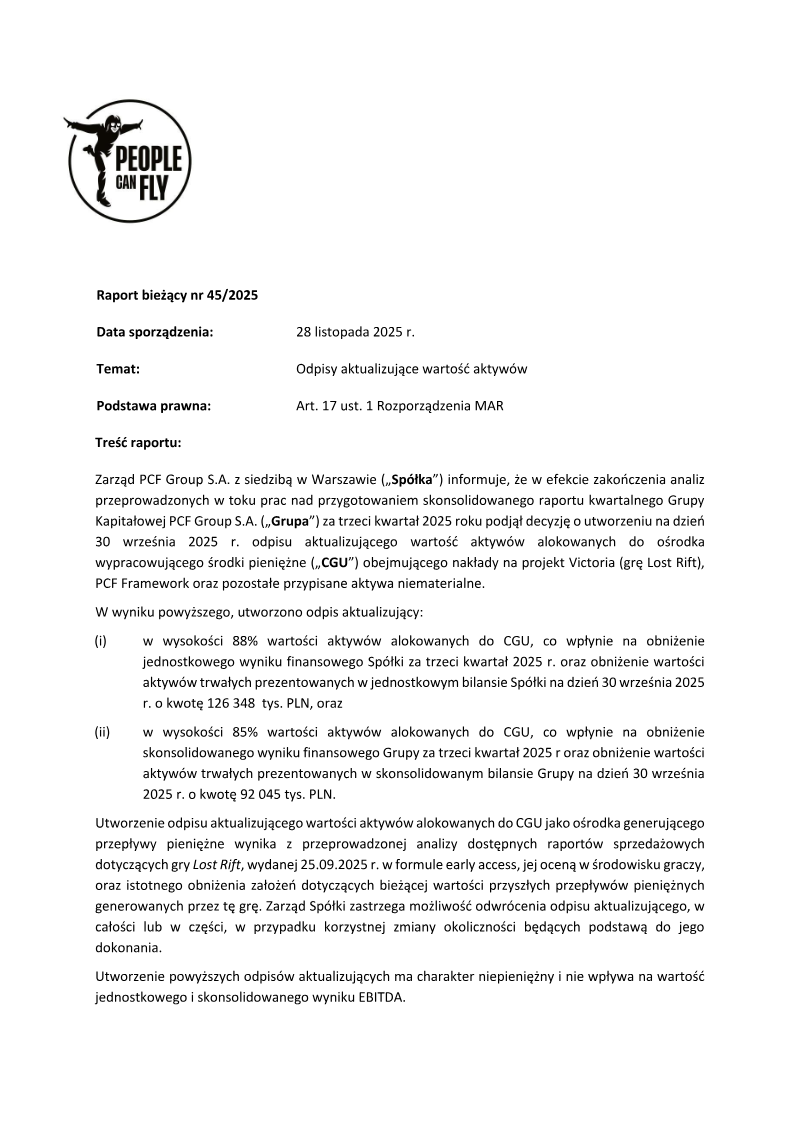
PCF Group · 2025