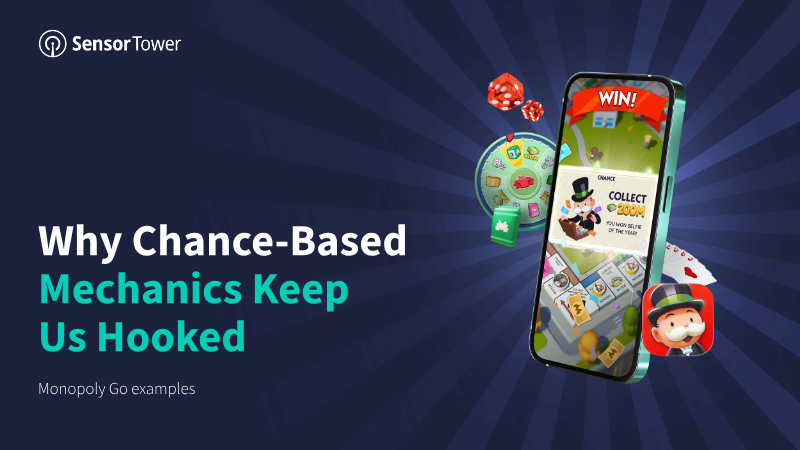
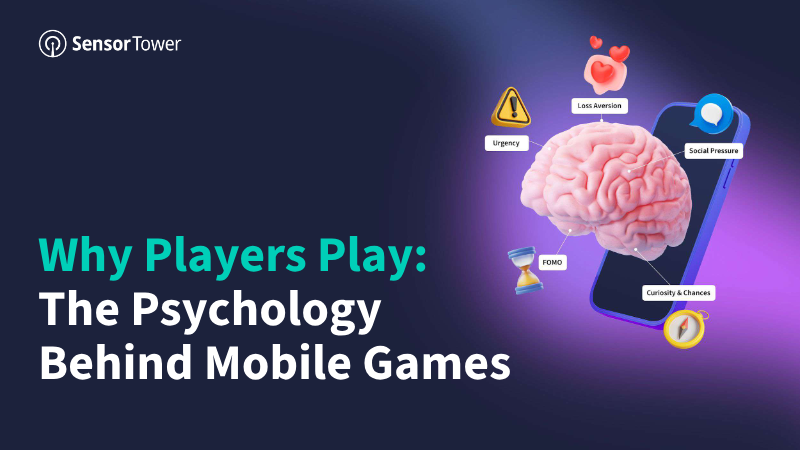
Chance-based mechanics drive player engagement by prioritizing the psychological thrill of anticipation over the actual value of rewards. This engagement is rooted in the release of dopamine during the period of uncertainty, where the wait for a result creates more neurological stimulation than the prize itself. By utilizing unpredictable reward schedules and the "near-miss" effect, developers foster a persistent belief that a significant win is imminent. This strategy is exemplified by the commercial success of Monopoly GO!, which generates between $100 million and $125 million in monthly revenue through a "saw-tooth" gameplay loop that oscillates between resource depletion and sudden, event-driven recovery.
The effectiveness of these systems relies on a "pressure and release" cycle designed to maintain emotional tension without causing player burnout. High-volatility mechanics, such as digital wheels and randomized heists, are tuned to prioritize emotional impact over mathematical fairness. For instance, probabilities are often manipulated to limit low-tier prizes—sometimes to as little as 13%—while visually emphasizing jackpots to maximize excitement. Even traditionally negative outcomes are reframed as positive opportunities; in certain high-performing titles, escape rates from penalty mechanics like "Jail" are set as high as 80% to ensure the player remains within the rewarding flow of the game.
Ultimately, long-term retention is achieved through the careful management of sensory-rich animations and gacha-style collection systems that create frequent "emotional spikes." By blending live events with boosters that temporarily alter the odds, developers create a dynamic environment where the player feels a constant sense of progression. This sophisticated orchestration of risk, hope, and visual feedback ensures that the psychological journey toward a potential reward remains compelling enough to sustain high levels of monetization and daily active usage across the mobile gaming landscape.
Sensor Tower · 2026
Adjust · 2026
Sensor Tower · 2026
Sensor Tower · 2026
Sensor Tower · 2026
Sensor Tower · 2026

Sensor Tower · 2026
Sensor Tower · 2026

Sensor Tower · 2026

Sensor Tower · 2026

Sensor Tower · 2026
Sensor Tower · 2026
Newzoo · 2025
Newzoo · 2026
AppMagic · 2025
PlaySafe ID · 2025
Facebook Gaming · 2025

Sensor Tower · 2025

Sensor Tower · 2025
PlaySafe ID · 2025
GameDiscoverCo · 2025
GameAnalytics · 2024
Take This · 2024
Newzoo · 2024