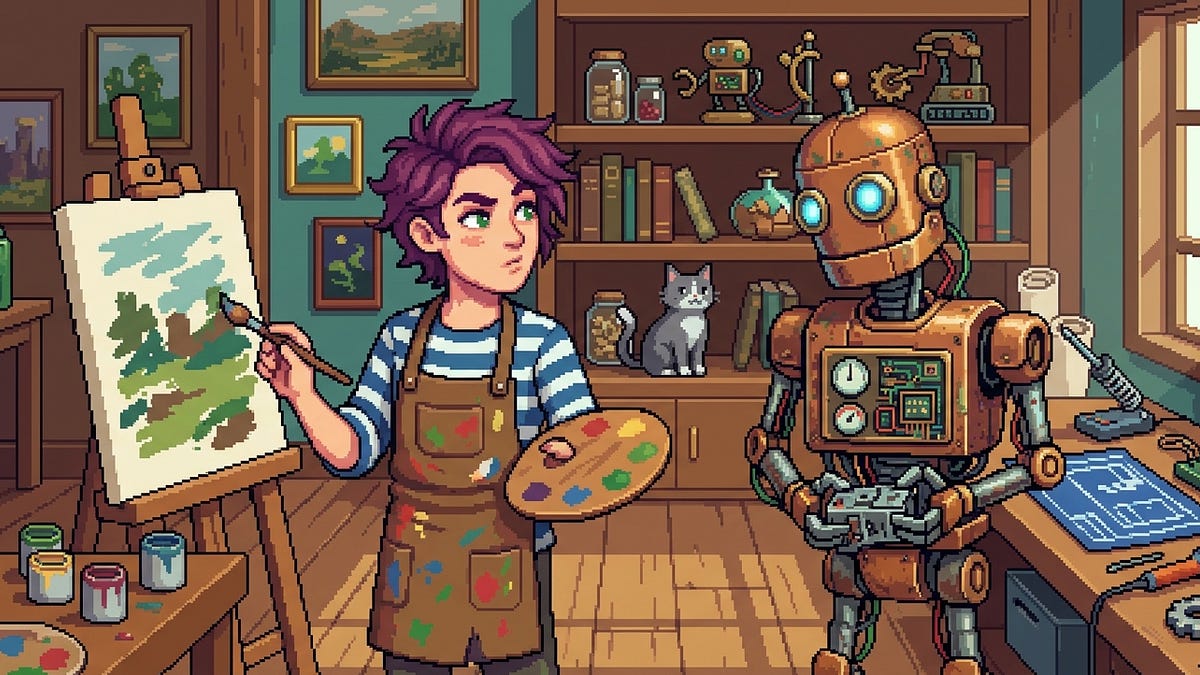
Generative artificial intelligence is fundamentally reshaping the global game development landscape by transitioning from speculative hype to a core component of production pipelines. Unlike previous industry trends that failed to achieve meaningful integration, AI tools are now actively utilized to accelerate code generation, voice synthesis, and concept art creation. This shift is driving a significant restructuring of studio workforces, as organizations seek to capitalize on productivity gains while navigating the complexities of labor displacement. The primary thesis holds that while AI serves as a powerful catalyst for efficiency, it remains a specialized tool rather than a comprehensive replacement for human creative direction.
Current applications of the technology are most effective when applied to standardized, repetitive tasks such as quality assurance, asset population, and technical prototyping. However, the reliance on automation for these entry-level functions poses a structural risk to the industry by eroding the traditional apprenticeship ladder, potentially limiting the long-term development of junior talent. Despite the increased speed in specific workflows, AI does not reduce the total effort or scope required to produce high-quality, cohesive gaming experiences. High-level judgment and complex creative decision-making remain firmly within the domain of human expertise, as the technology lacks the capacity for end-to-end production.
To ensure sustainable growth, studios must prioritize ethical implementation and rigorous oversight, treating AI as a targeted solution for specific bottlenecks rather than a universal strategy. Protecting core creative assets from automation is essential to maintaining player engagement and brand integrity. By focusing on problem-solving rather than industry trends, developers can leverage these tools to enhance productivity while preserving the human-centric nature of game design. Success in this new era requires a balanced approach that integrates technological efficiency with a commitment to internal transparency and the preservation of human creative labor.
Game Studio Unlocked · 2026
Game Studio Unlocked · 2026

Game Studio Unlocked · 2026
Game Studio Unlocked · 2026
Game Studio Unlocked · 2026
Game Studio Unlocked · 2026
Game Studio Unlocked · 2026
Game Studio Unlocked · 2026
Game Studio Unlocked · 2026
Game Studio Unlocked · 2026
Game Studio Unlocked · 2026
Game Studio Unlocked · 2026

Perforce · 2024
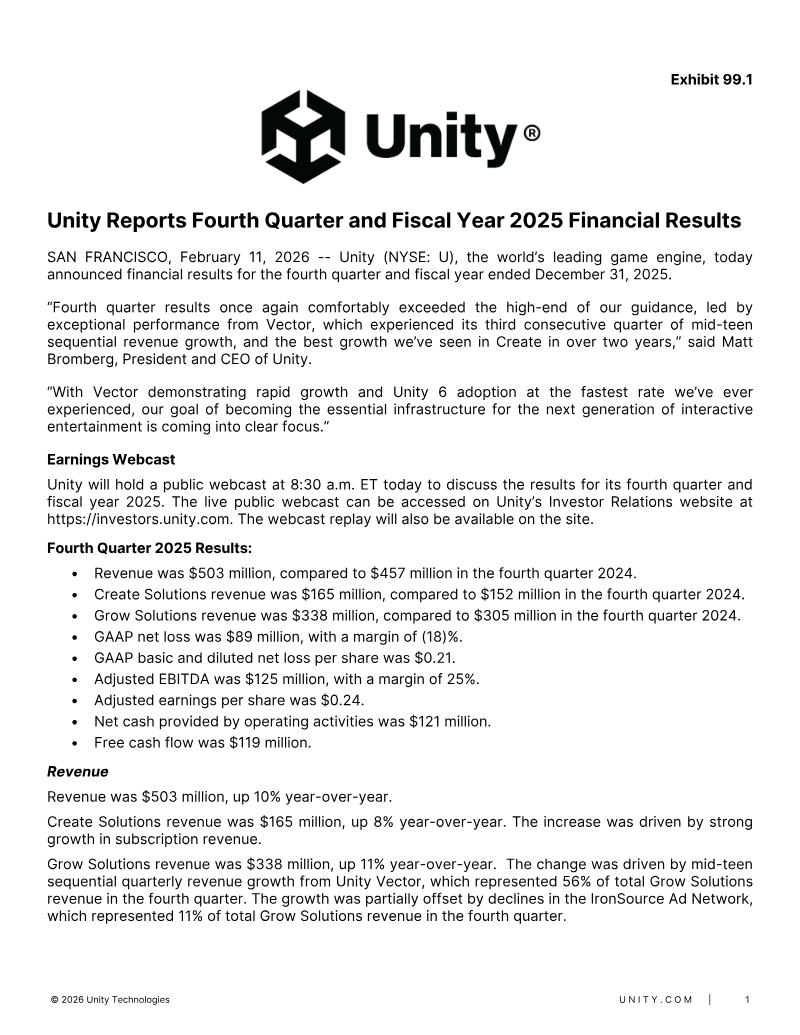
Unity · 2026
Video Game Insights · 2025
Konvoy · 2025
modl.ai · 2025
VG Insights · 2025
Game Developers Conference · 2025
Google Cloud · 2025
Informa · 2024
Drake Star Partners · 2024
Perforce · 2024
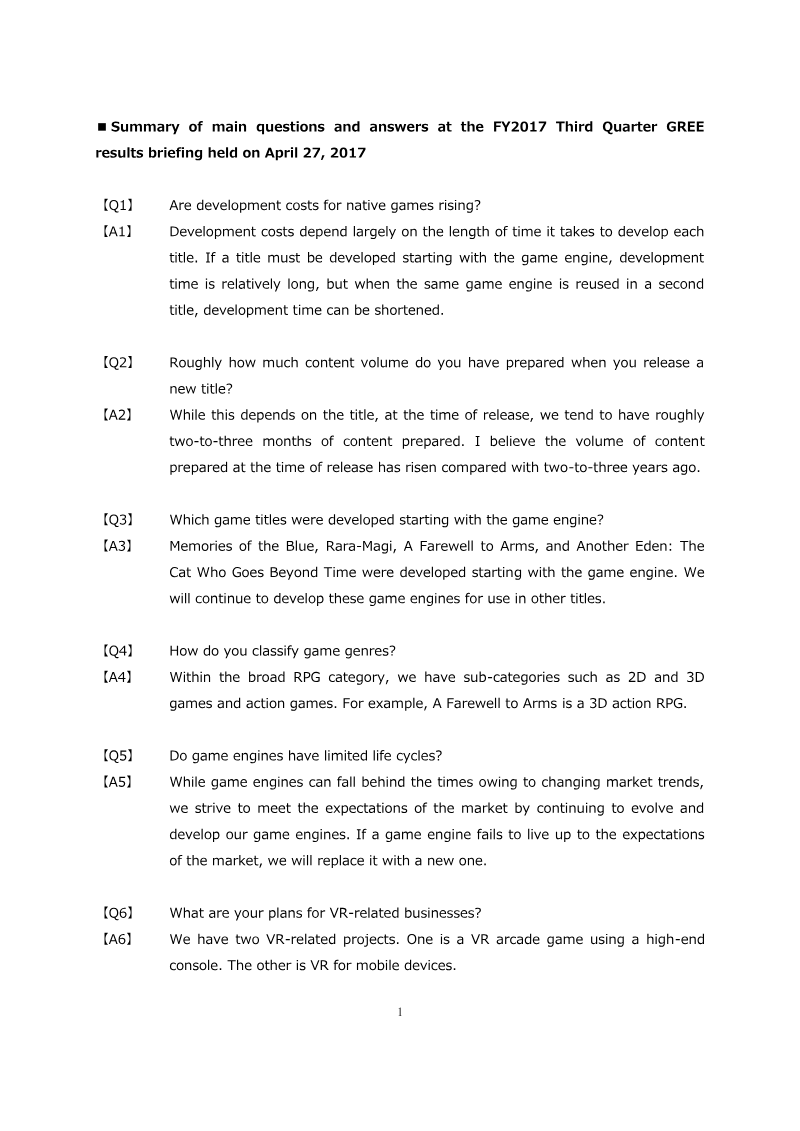
GREE · 2017