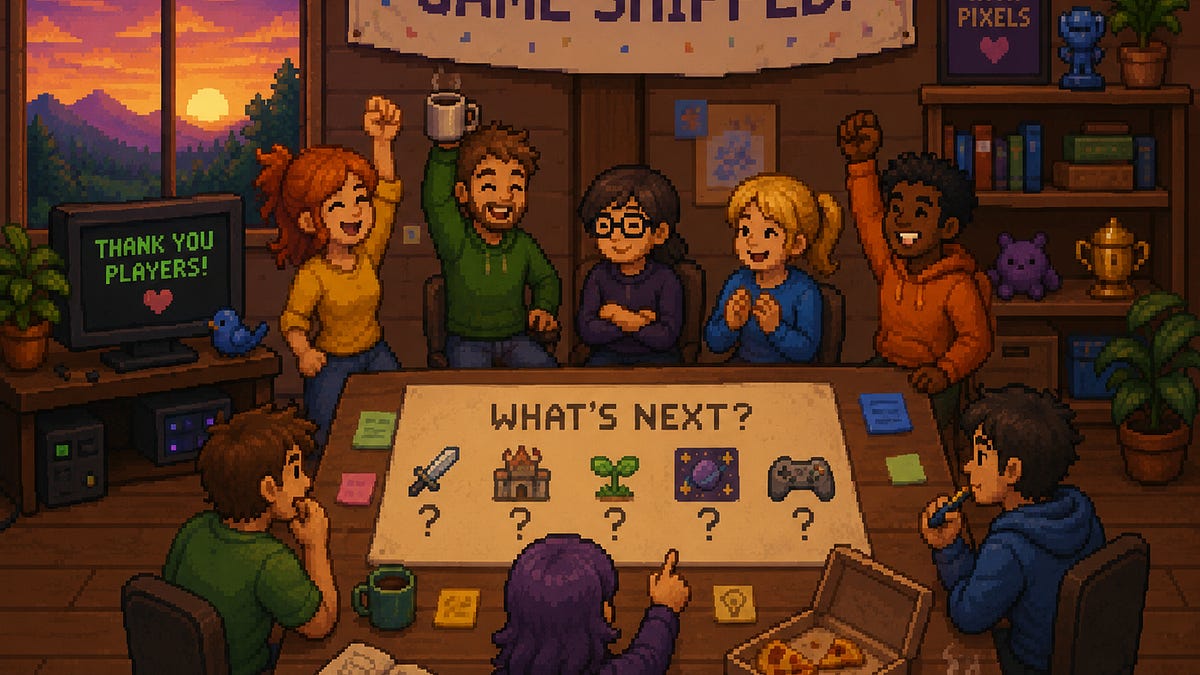
Independent game studios frequently face existential risks by selecting new projects through reactive decision-making rather than structured strategic planning. To ensure long-term sustainability, leadership must evaluate five critical variables: existing contractual obligations, available funding, the utility of transferable technical assets and audience reach, the risk of team burnout, and the alignment of creative drive. Prioritizing these operational and financial realities allows studios to move beyond impulsive development cycles and establish a more stable foundation for future growth.
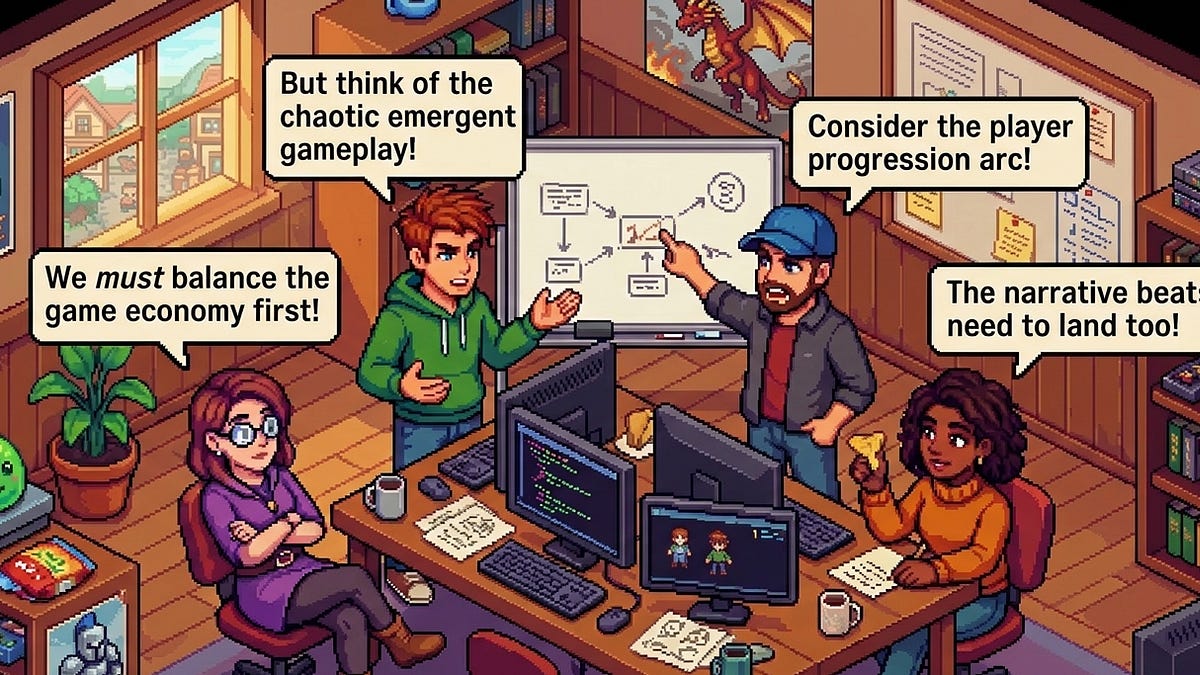
The selection process requires a delicate balance between creative ambition and the practical constraints of financial runway and staff morale. Rather than relying on abstract internal debates, studios should utilize prototyping as a primary mechanism to validate concepts before committing resources. Furthermore, the timing of project initiation—whether during late-stage development, immediately following a launch, or after a period of organizational stabilization—is essential to maintaining team health. Studios are encouraged to resist the industry pressure to pursue obvious sequels if such projects fail to align with the team’s genuine commitment or the studio’s broader strategic objectives.
Ultimately, the transition between projects should be a deliberate, calculated phase of the development lifecycle. By fostering an environment where creative interests are reconciled with commercial viability, studios can mitigate the high rates of burnout common in the independent sector. This analytical approach emphasizes that the most successful studios are those that treat project selection as a core business function, ensuring that every new endeavor serves both the health of the organization and the long-term professional satisfaction of its workforce.
Game Studio Unlocked · 2026
Game Studio Unlocked · 2026

Game Studio Unlocked · 2026
Game Studio Unlocked · 2026
Game Studio Unlocked · 2026
Game Studio Unlocked · 2026
Game Studio Unlocked · 2026
Game Studio Unlocked · 2026
Game Studio Unlocked · 2026
Game Studio Unlocked · 2026
Game Studio Unlocked · 2026
Game Studio Unlocked · 2026
Room 8 Group · 2024
Poki · 2026
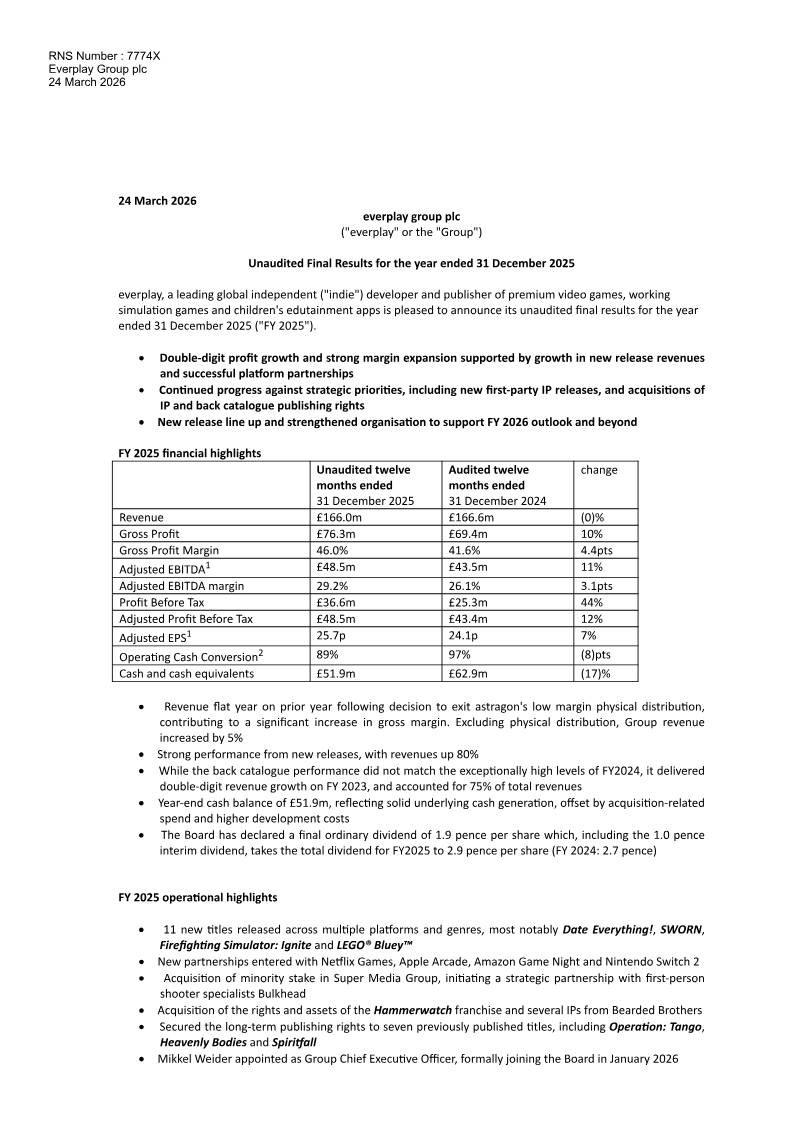
Everplay Group · 2026
BITKRAFT Ventures · 2026
Poki · 2026
InvestGame · 2025
Sensor Tower · 2025

Metaplay · 2025

Sensor Tower · 2025
Facebook Gaming · 2025
Konvoy · 2025

Google Cloud · 2025