ArticleGame Studio Unlocked
A Live Operations Primer for Game Studios
11 Jun 20261 pages~64 min full read
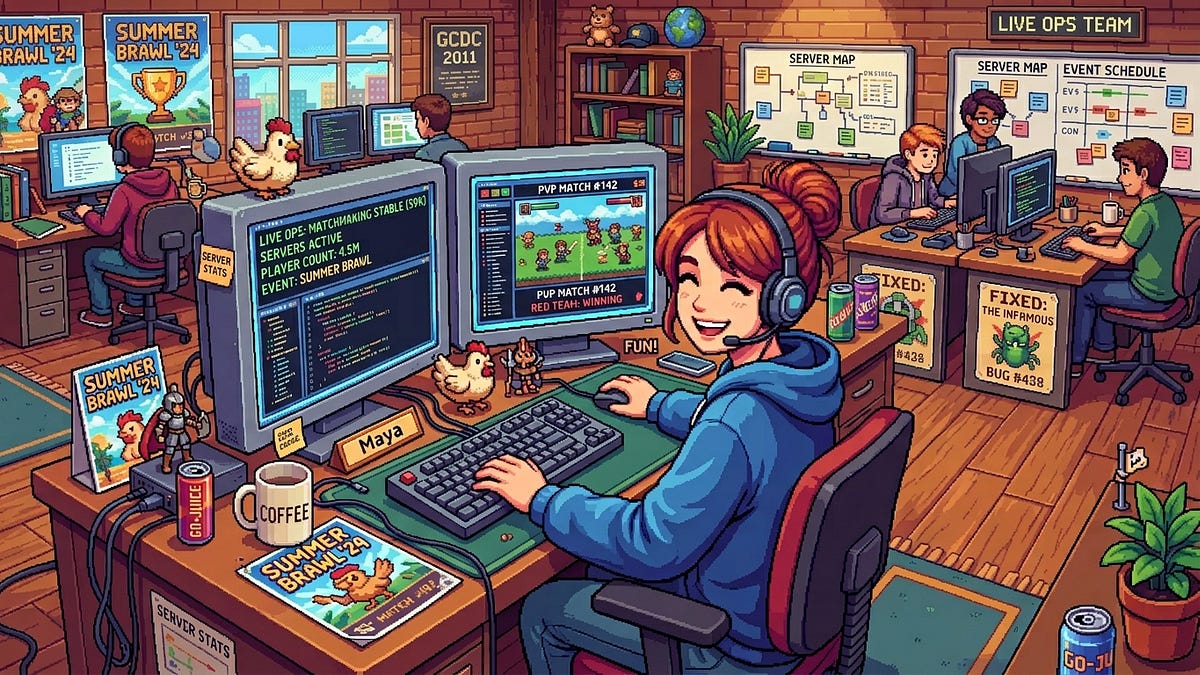
Live operations represent a fundamental shift in game development, transitioning from the finite cycles of traditional premium titles to an indefinite, service-oriented model. Success in this landscape requires a purpose-built strategy that integrates server stability, data-driven telemetry, and community management from the project's inception. Because the modern market favors established, high-quality services, studios must treat their games as ongoing software products rather than static releases, acknowledging that the resource requirements for post-launch maintenance often exceed those of the initial development phase.
Operational resilience serves as the bedrock of a sustainable live service. Studios should prioritize managed backend infrastructure and third-party services to focus internal talent on unique gameplay experiences. Technical readiness, including rigorous load testing, server-authoritative architecture, and established incident response protocols, is essential to manage traffic spikes and ensure stability. While data metrics are vital for monitoring performance, they must serve as a guide for design rather than a replacement for player-centric decision-making. Balancing technical reliability with transparent community engagement remains the most effective strategy for long-term retention.
Financial and creative sustainability depends on avoiding extractive monetization models that alienate core audiences. Instead, studios should implement realistic content cadences that align with team capacity, utilizing systemic or procedural design to mitigate the pressures of the content treadmill. Long-term viability is measured by rising concurrency floors and a broad, healthy paying base, rather than short-term spikes. Ultimately, studios must plan for the entire lifecycle of the product, including an eventual shutdown, by incorporating offline fallbacks or self-hosted options. This approach preserves player goodwill and aligns with emerging industry standards for digital preservation, ensuring that the transition from active service to legacy status is handled with integrity.
Game Studio Unlocked · 2026
Game Studio Unlocked · 2026

Game Studio Unlocked · 2026
Game Studio Unlocked · 2026
Game Studio Unlocked · 2026
Game Studio Unlocked · 2026
Game Studio Unlocked · 2026
Game Studio Unlocked · 2026
Game Studio Unlocked · 2026
Game Studio Unlocked · 2026
Game Studio Unlocked · 2026
Game Studio Unlocked · 2026
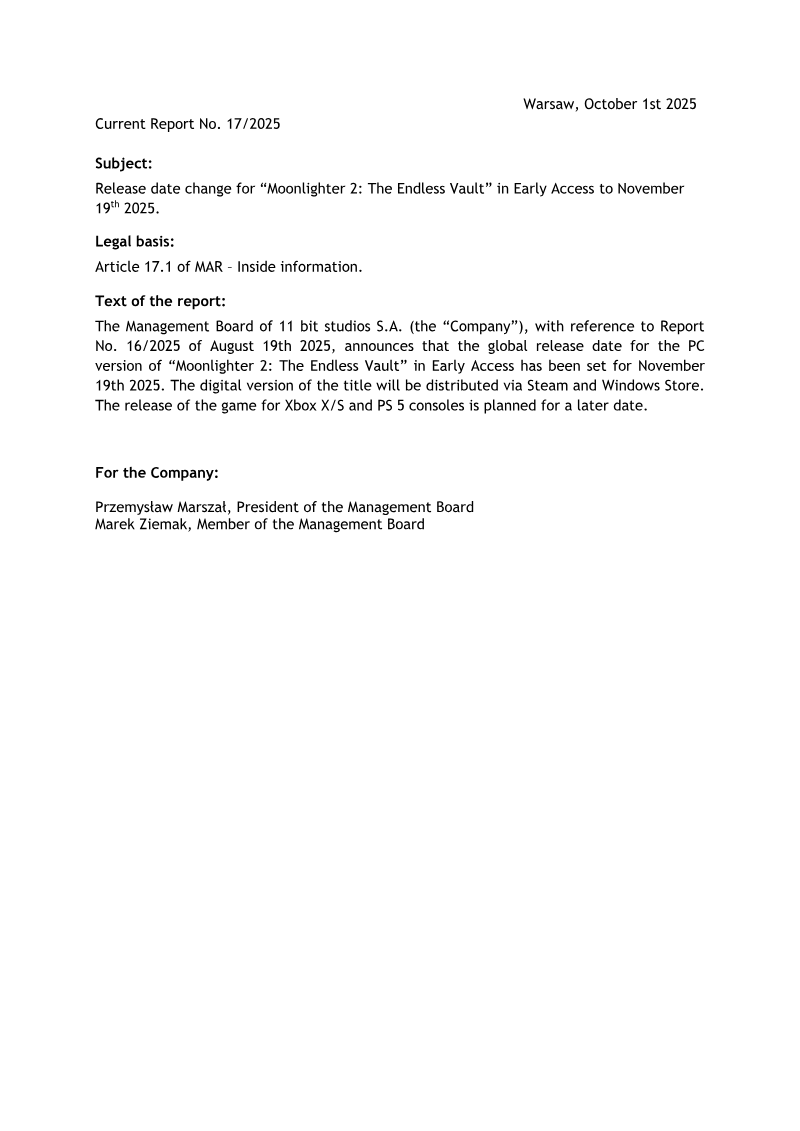
11 bit studios
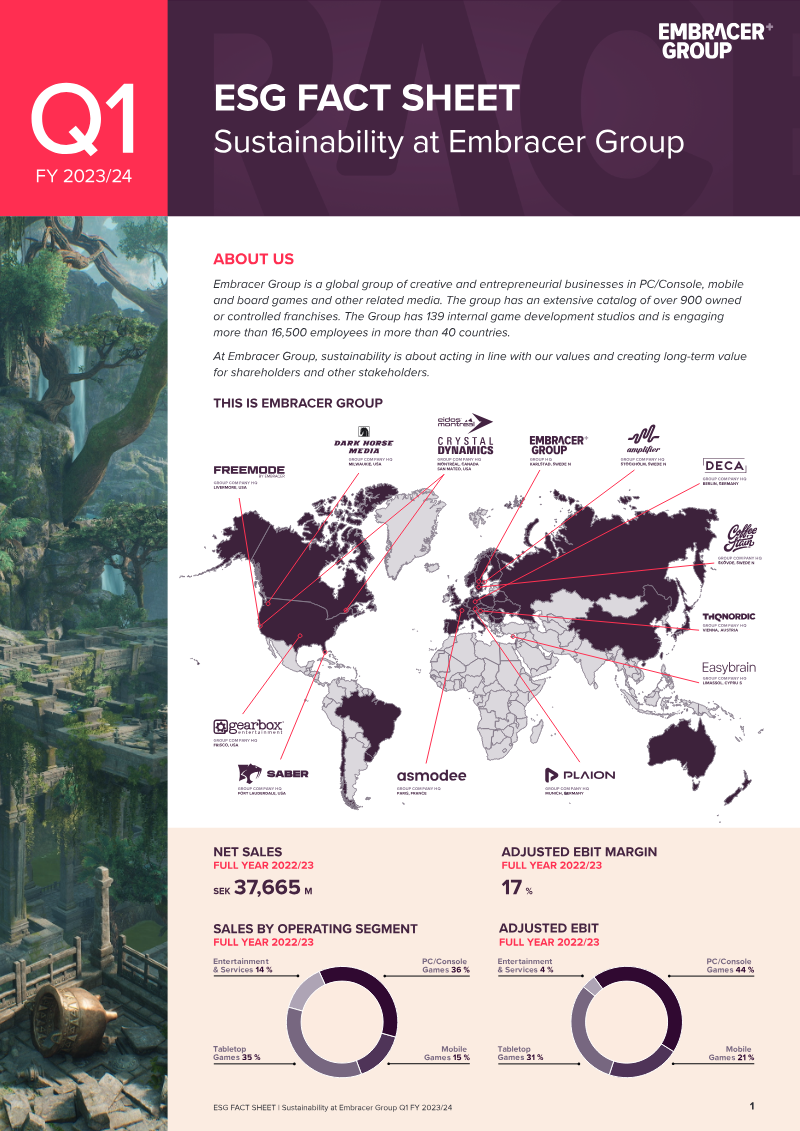
Embracer Group

Frontier Developments
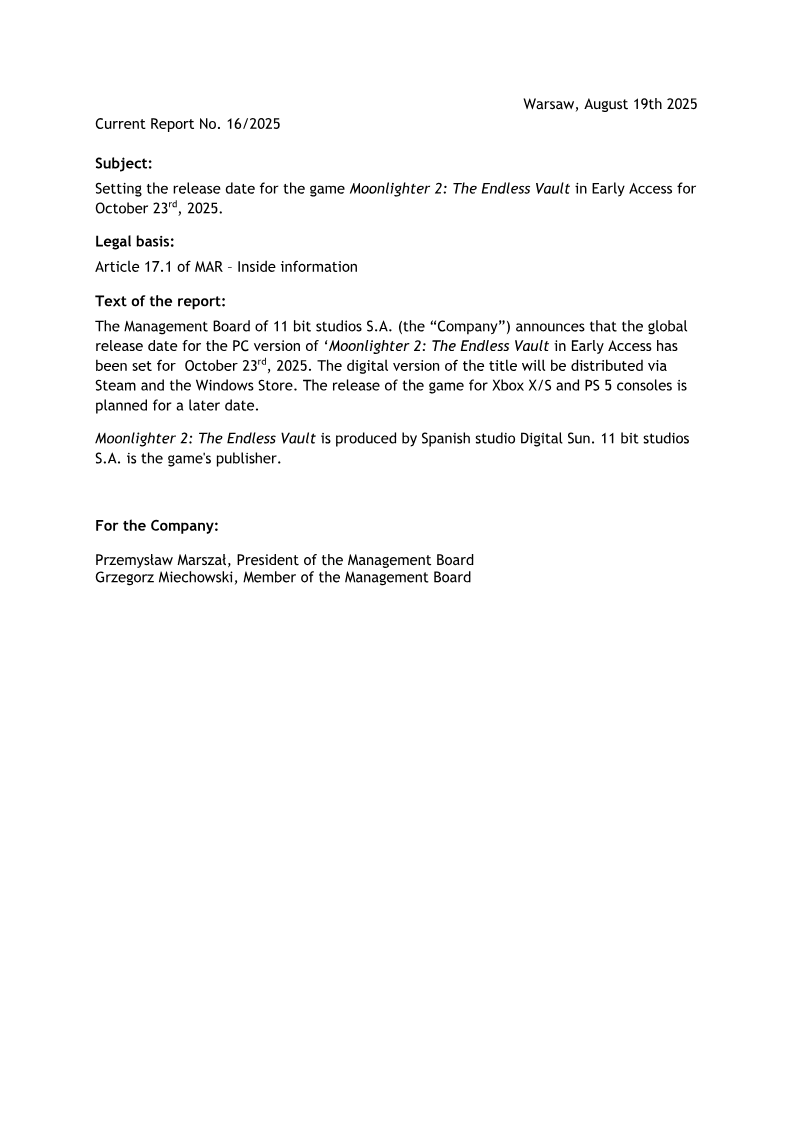
11 bit studios

Frontier Developments
GungHo Online Entertainment
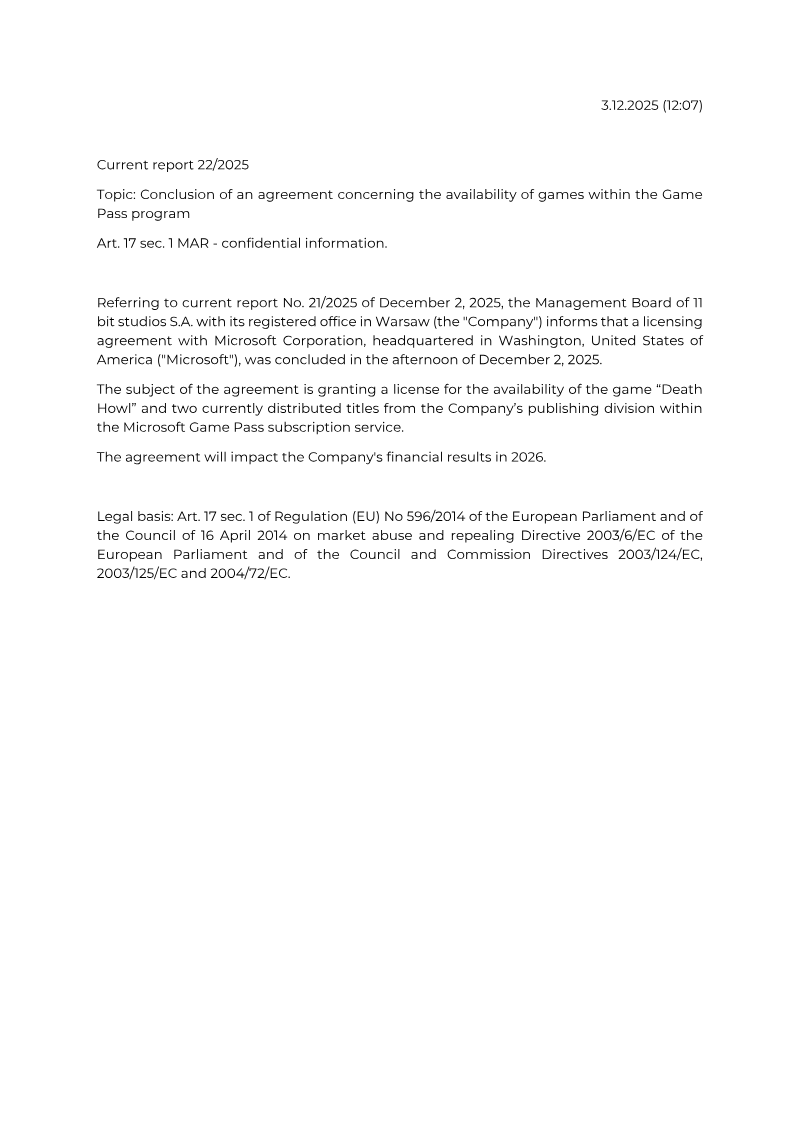
11 bit studios
Newzoo · 2026

Newzoo · 2024
Newzoo · 2023
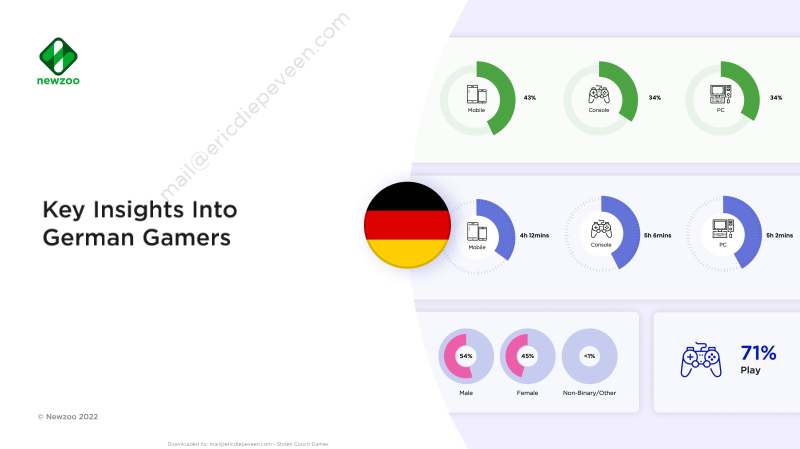
Newzoo · 2022

GameRefinery · 2021