ArticleGame Studio Unlocked
Conflict Resolution for Indie Game Studios
13 May 20261 pages~12 min full read
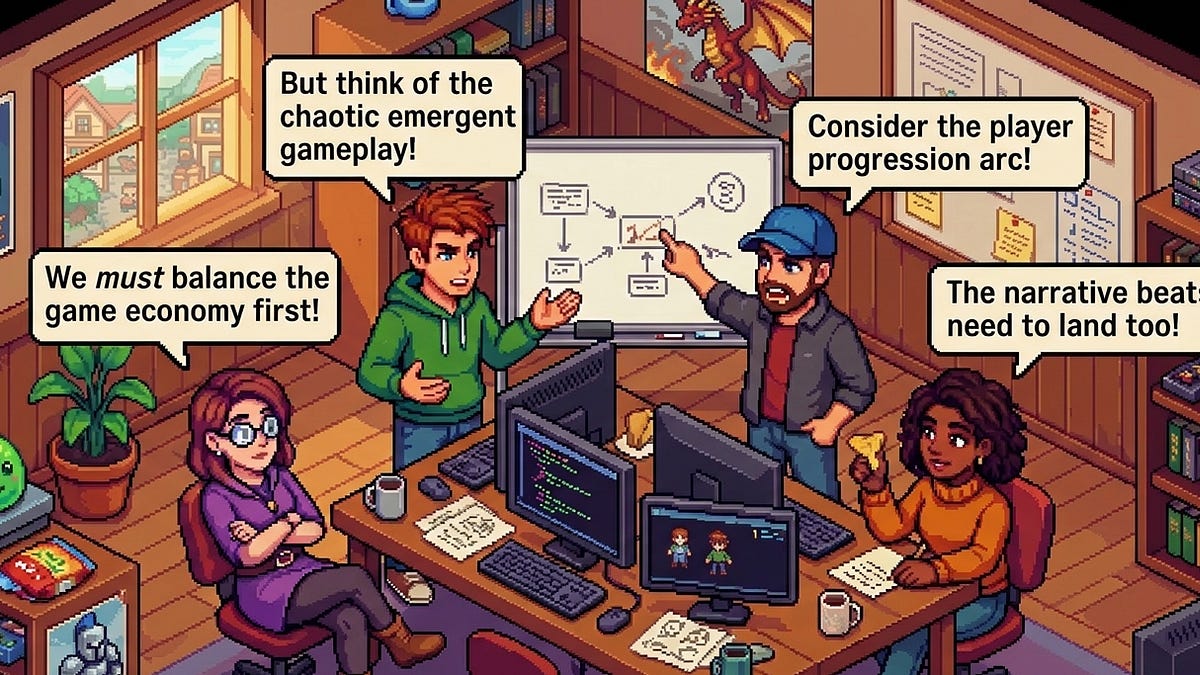
Conflict is an inherent byproduct of the game development process, arising from the collaboration of diverse disciplines—such as art, engineering, and design—on creative, high-stakes projects. For indie studios of five to twenty people, these tensions often radiate throughout the entire organization, making effective management essential for long-term sustainability. The primary thesis is that conflict should not be suppressed but rather diagnosed and addressed through structural and behavioral frameworks to prevent it from festering.
To diagnose team dysfunction, the Waterline Model serves as a diagnostic tool, prioritizing structural and dynamic issues over individual personality clashes. The model suggests that leaders should "snorkel before they scuba," examining four layers in descending order: structure, dynamics, interpersonal relationships, and individual performance. Most conflicts originate in the structure—such as unclear roles or decision-making authority—or in team dynamics, which encompass the unspoken rules of daily operation. Only after these systemic issues are resolved should leaders address specific interpersonal or individual performance problems.
When addressing conflict, the Situation-Behavior-Impact (SBI) model provides a structured approach for difficult conversations. By focusing on specific situations and observable behaviors rather than personal attributes, leaders can minimize defensiveness and keep discussions grounded in professional impact. Early intervention is critical, as delaying these conversations allows dysfunction to solidify. Ultimately, the goal is not to eliminate disagreement, but to foster a culture where honest, direct communication is safe, ensuring the team remains cohesive enough to navigate the inevitable challenges of game production.
Game Studio Unlocked · 2026
Game Studio Unlocked · 2026
Game Studio Unlocked · 2026
Game Studio Unlocked · 2026
Game Studio Unlocked · 2026
Game Studio Unlocked · 2026
Game Studio Unlocked · 2026
Game Studio Unlocked · 2026
Game Studio Unlocked · 2026
Game Studio Unlocked · 2026
Game Studio Unlocked · 2026
Game Studio Unlocked · 2026
Dataspelsbranschen · 2024
International Game Developers’ Association · 2023
GDC · 2022
8Bit · 2026
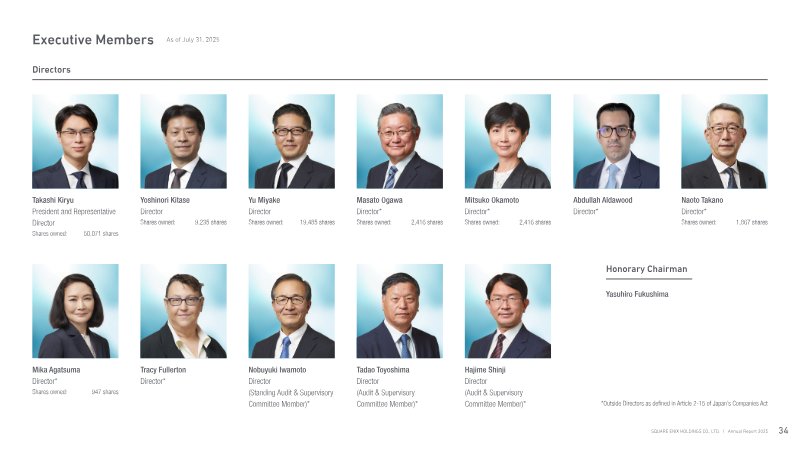
Square Enix · 2026
Take-Two Interactive · 2026
Interactive Games & Entertainment Association · 2026
CESA – Computer Entertainment Supplier's Association · 2026
Everplay · 2026
Ukie · 2025

Take-Two Interactive · 2025

Direcció General d’Innovació i Cultura Digital · 2025