
ArticleGame Studio Unlocked
Managing the Emotional Rollercoaster of Game Development
23 Jun 20261 pages~18 min full read
Game development morale is not a random occurrence but a predictable, cyclical phenomenon that maps closely to the phases of production. The primary thesis is that studio leaders can effectively manage team emotional states by anticipating these inevitable fluctuations, fostering psychological safety, and proactively planning for the challenges inherent in creative work. By recognizing that morale swings are often tied to project milestones rather than individual performance or talent, leaders can transition from reactive crisis management to a more stable, supportive, and sustainable production environment.
Key findings indicate that team morale follows a distinct arc, with a significant "midpoint slump" occurring regardless of project duration. Research highlights that setbacks impact inner states two to three times more intensely than equivalent wins, necessitating a deliberate focus on celebrating small, visible progress. Furthermore, mood is highly contagious, particularly from the top down; leaders must maintain emotional stability, as their personal state directly influences team coordination and output. Psychological safety is identified as the most critical factor in team effectiveness, as it enables the honest communication required to identify and address morale issues before they escalate.
The scope of this analysis encompasses the full lifecycle of game development, from initial brainstorming and prototyping through production, launch, and post-launch phases. The methodology relies on synthesizing organizational research—including studies on team dynamics, creative work, and emotional intelligence—with twenty years of industry experience in production and studio leadership. The analysis concludes that while the emotional rollercoaster is an unavoidable cost of creative innovation, it can be managed through transparent communication, the establishment of team charters, and the strategic scheduling of recovery periods to prevent burnout.
Game Studio Unlocked · 2026
Game Studio Unlocked · 2026
Game Studio Unlocked · 2026
Game Studio Unlocked · 2026
Game Studio Unlocked · 2026
Game Studio Unlocked · 2026
Game Studio Unlocked · 2026
Game Studio Unlocked · 2026
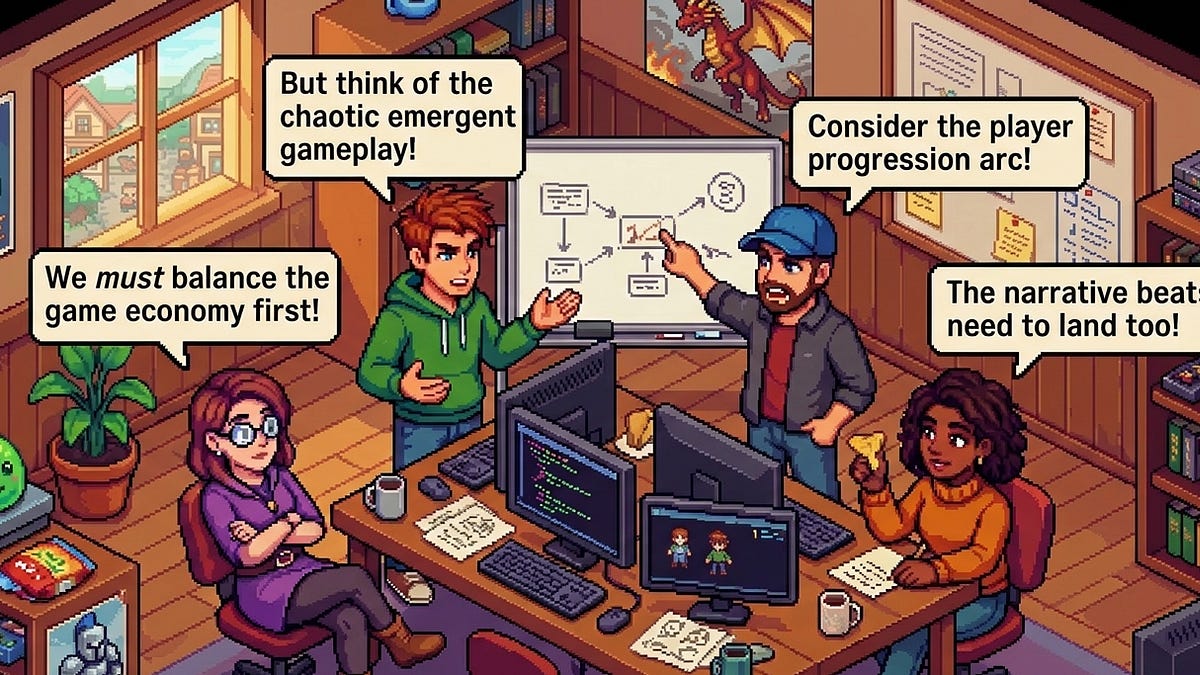
Game Studio Unlocked · 2026
Game Studio Unlocked · 2026
Game Studio Unlocked · 2026
Game Studio Unlocked · 2026
Take-Two Interactive · 2026
Konvoy · 2025
Informa · 2024
International Game Developers’ Association · 2023
Perforce · 2023
GDC · 2022
International Game Developers' Association · 2019
Everplay
Poki · 2026
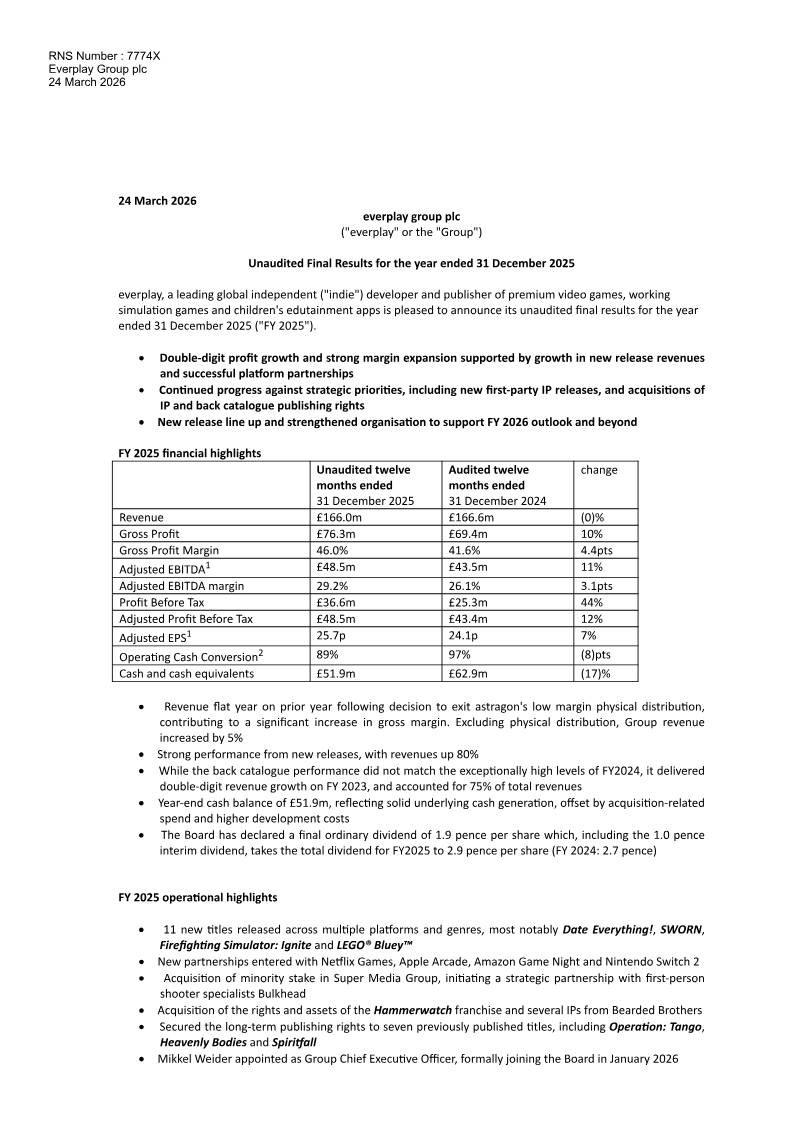
Everplay Group · 2026
8Bit · 2026
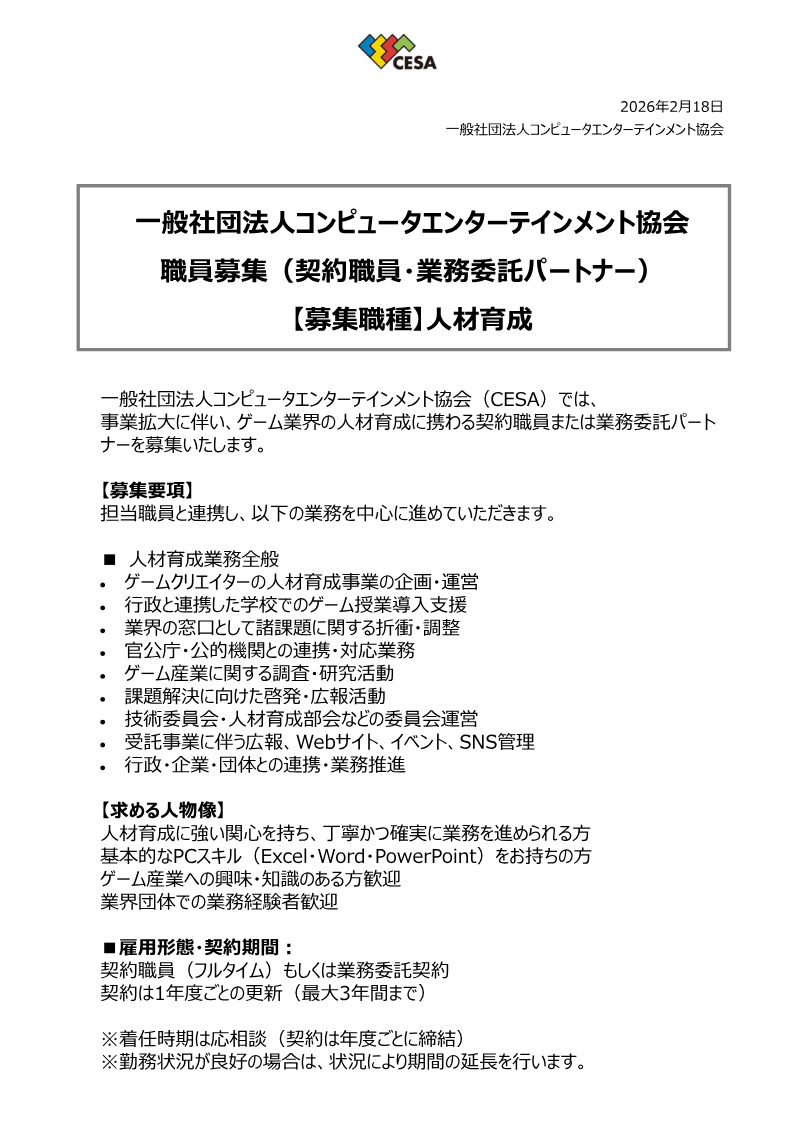
CESA – Computer Entertainment Supplier's Association · 2026